Russian peasants had a way to multiply any two numbers without knowing the multiplication table.
The method is a thousand years old. It’s the same method every computer chip in the world uses right now.
Let me show you. 🧵
A shuffled deck of cards needs exactly 7 shuffles to become truly random. Not 5. Not 6. Not "a few times." Seven. Persi Diaconis proved it in 1992 and Wall Street has been ignoring the implication ever since.
Below 7 shuffles, the previous order shows through. If you know the starting arrangement, you can predict where cards end up with accuracy that grows the fewer shuffles occur. The deck has memory. The math is exact. Diaconis and Dave Bayer wrote the paper. Seven riffles. Not close to seven. Exactly seven.
The market has memory too. Every position, every liquidation, every earnings expectation, every forced flow leaves a trace on the chart. Your eye sees pure noise. Diaconis's math sees a deck that has not been shuffled enough. The past is right there. You just do not have the tools to count it.
Your gut looks at a chart and calls it random. The math looks at the same chart and counts the shuffles. Only one of them can tell you what the next card is likely to be.
Diaconis has spent 40 years explaining this. Before he was a mathematician he was a professional magician, so he knew what a rigged deck looked like from both sides. The 1992 paper is free. The Stanford lecture on YouTube is free. The number seven has been in every stats textbook for 30 years.
The lesson: what looks random is usually a deck someone did not shuffle enough. The market is that deck.
Historian Michael Wood takes us to a coffeehouse in Kars, Turkey, where a traditional bard (aşıks) performs the “Epic of Köroğlu.” As seen in 1979’s “In Search of the Trojan War.”
In 1593, François Viète, a 16th-century French mathematician, provided one of the earliest known analytical expressions for π using an infinite product.
Bring your ideas to life as shareable videos with Veo 2, rolling out in Gemini Advanced today.
Veo 2 handles diverse visual styles, so you can make your banjo-playing frog look exactly the way you imagine 🐸
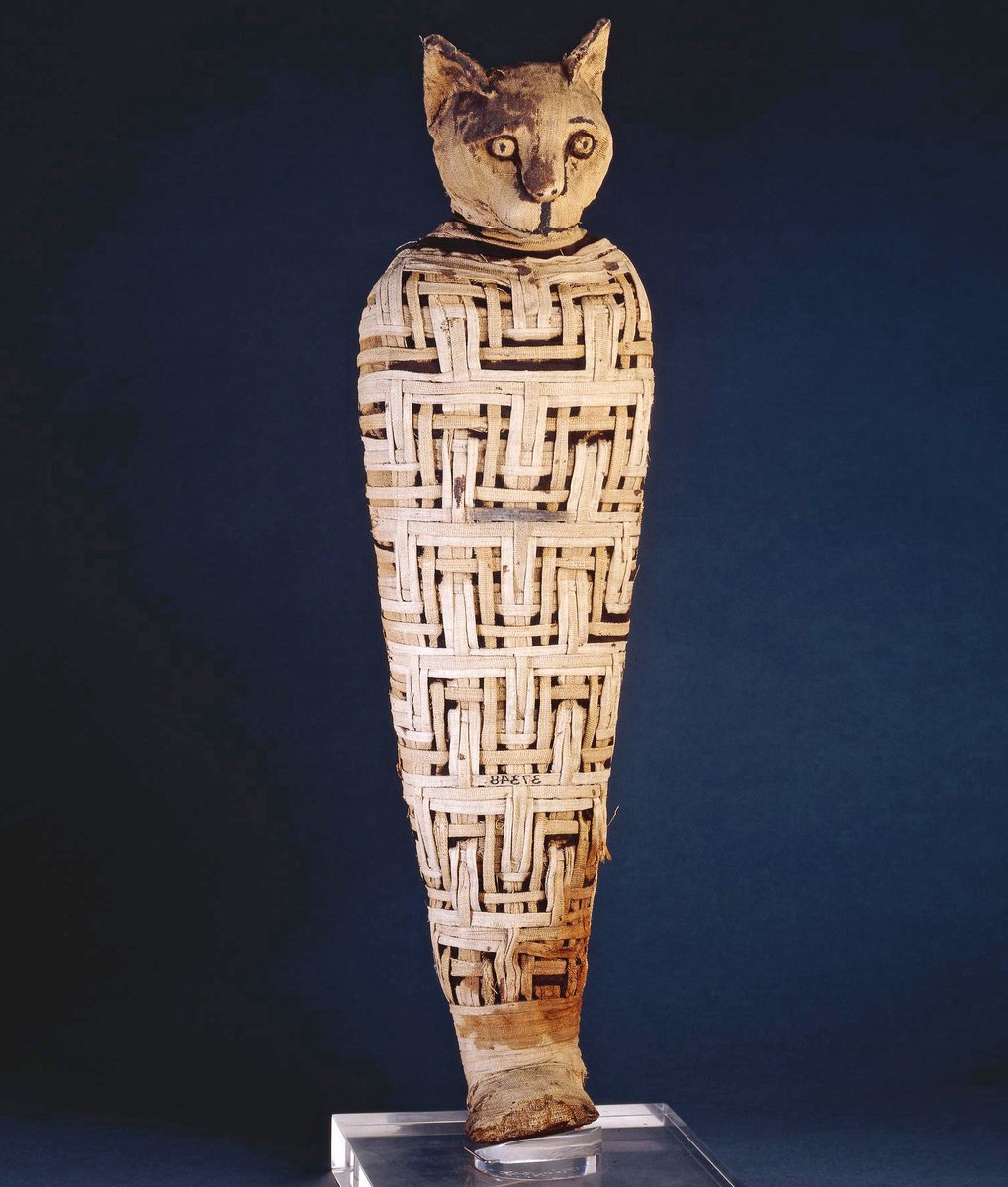
1/2) A mummified cat from Roman Egypt. Animal cults peaked in popularity during Egypt's Ptolemaic and Roman periods. While the animals were not worshipped themselves, they were regarded as sacred intermediaries with the gods...
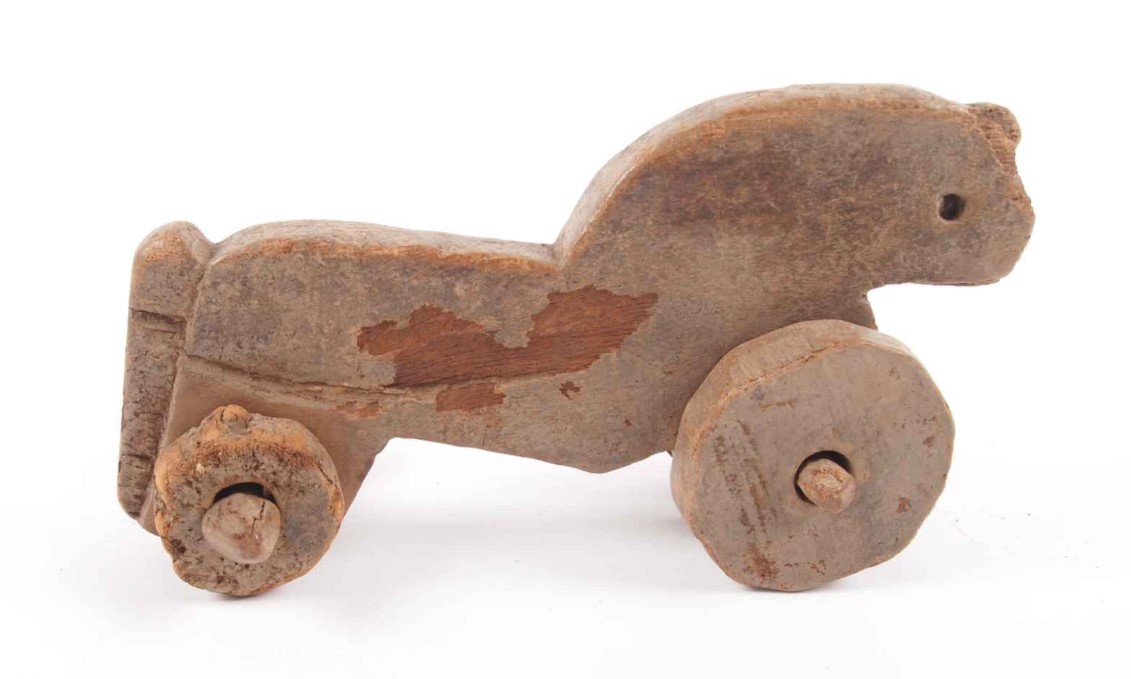
A wooden toy horse on wheels, from #Roman Egypt. It is somewhere between 1700 & 2000 years old but looks like something you could find in a toybox today - a perfect illustration of the timeless nature of some children's toys! (📷 Grand Rapids Public Museum) #RomanArchaeology
1) Don't change the zoom or move the graph!
2) Click on the equation for f(x)
3) Click the keyboard icon
4) Click the speaker icon
5) Set speed to 1/4
6) Press Play
https://t.co/XY1BgjzcRo
#mtbos
This is how I’m using math equations with @Desmos to create abstract line art that can be turned into artwork and textiles for @thediarrablu 🎨 Add parameters and sliders within the equations to get endless options 😀#diarrablu#mtbos#iteachmath#mathart#desmos