Field biologist living in Cape May County New Jersey. Much of my work and free time is spent learning about the coastal marshes and forests of southern NJ.
Big news! A team of former @natgeo editors and contributors (@Rachael_Bale@OlliePayneHere@rebersole) has started a new investigative wildlife journalism nonprofit called WIRE. Incredible that they are continuing this important work: https://t.co/xzZM4wDiLF
Check out my newly published article, linking declining populations of BTBW at low elevations to directional natal dispersal. Bad for low elevation populations, maybe good for climate change adaptation?
https://t.co/oQ2hBN27ho
There are 17 species of #wildfelines in Latin America, five of which are so little-studied that they’ve been confused for each other or other species.
Lack of funding + awareness has hampered efforts to study them and conserve the cats and their habitats.
https://t.co/4ULdXmmJnV
There is currently a MacGillivray’s Warbler hiding under a Barbie Car in the Bronx.
Found by Julian Batista and photo by Tim Healy.
https://t.co/glVrETOijY
Here we reconstruct the subnational economic & political timeline of the largest tropical country using 5197 municipal coats-of-arms (=Brasões) to reinterpret the historical #ecology of #Brazil Paper bravely led by @Bogoni_Eco @UEAResearch@institutojurua
https://t.co/pqnLKIOHzt
I became aware today that this @NatGeo article was published in July. It highlights the work of my lab with Veeries and their relationship with tropical weather. Thanks to @GregKahn & @Sarah_Gibbens. Enjoy. 🪺🌀
https://t.co/9PKBGKDcZC
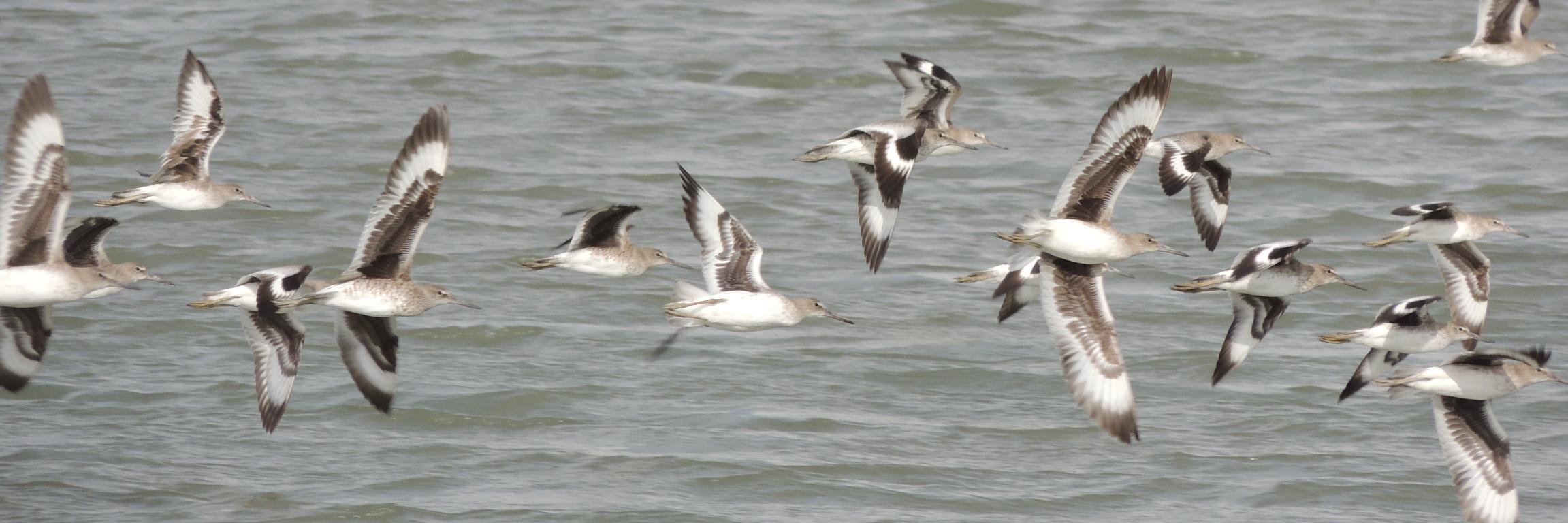
Out now in @WaterbirdsJourn:
Record-sized flock of Whooping Cranes reported in the Central Platte River valley, Nebraska #waterbirds#ornithology https://t.co/wb1BxnHjbz
📸: Baasch et al.
Led by new PhD Matt DeSaix, our latest paper uses advanced low-coverage whole genome sequencing (lcWGS) to uncover the intricate migratory connectivity patterns of American Redstarts 📷 This helps us craft conservation strategies to preserve both numbers and genetic #Diversity
Vuelvo a trabajar con las imágenes de Sentinel-2 en esta región tan bonita pero compleja y me encuentro con un ❤️ en medio del canal.
¿Alguien sabría decirme en que lugar del 🌏🌍🌎está captada esta imagen?
🔵Habrá un premio para el ganador 😊😉
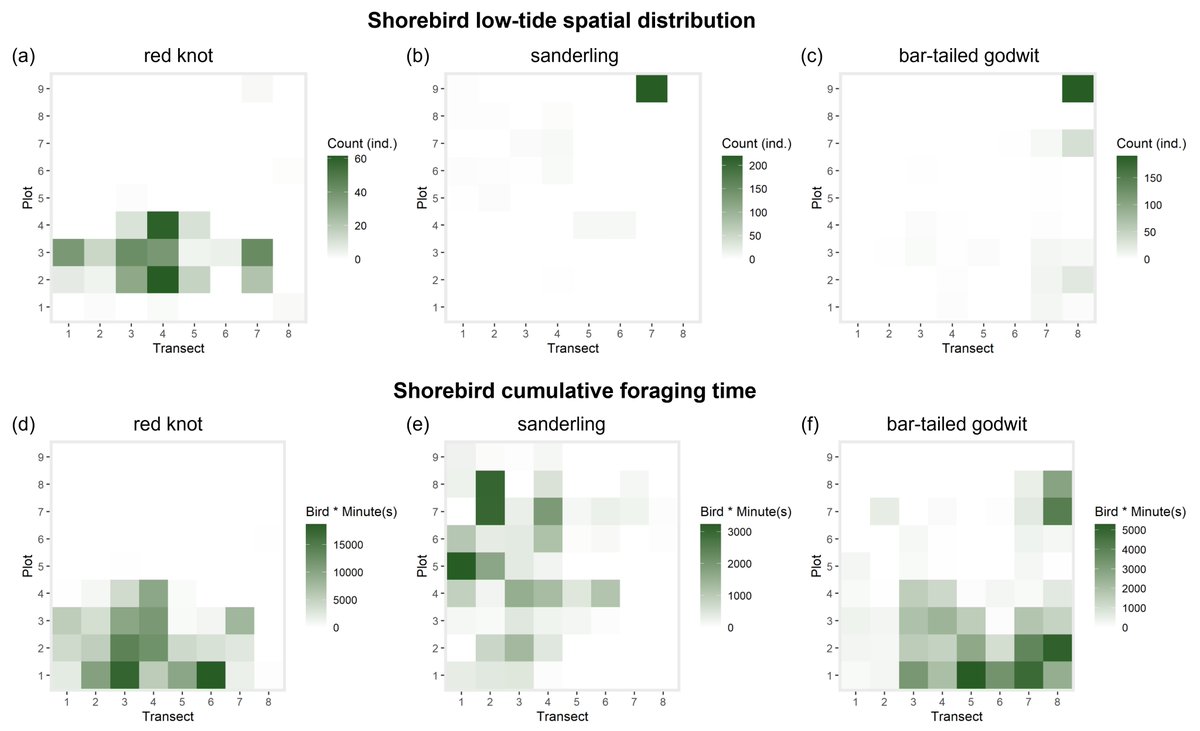
Tidal flat is heterogeneous habitat: sediment, benthic invertebrate, and #shorebird. Such heterogeneity is not random but relates to tidal movement, which means:
1 Upper tidal flat often most important;
2 SMALL #habitat_loss-> LARGE #bird decline.
@GlobalFlyway