Environmental Management, Chemicals Management, Project Planning and Management, Waste management and Waste water treatment, Coordination and Networking
The @EWCoalition, EARTH Thailand, and IPEN-SEA are urging Thailand’s FDA to take bold measures to halt the export of skin lightening products containing mercury, a highly toxic chemical.
Read more: https://t.co/5vH5dJOrYd
Plastics, derived from fossil fuels, are increasingly central to the industry's future. They are projected to account for 95% of oil demand growth by 2040.
Adam Hanieh writes about this connection and what it means in The Conversation: https://t.co/XlQx4S9oDq
IPEN published two reports on chemical exposure to workers due to plastics: https://t.co/hblv8Kf4rD
Together the findings show that all workers experienced chemical exposures, with plastic waste and recycling workers exposed to more chemicals than the other workers.
It has been suggested that plastic chemicals be regulated only as “chemicals in plastic products.” But toxic plastic chemicals can be released during production, use, and disposal, not only in products. We explain the danger of a “products only” approach: https://t.co/lC0IFR25U7
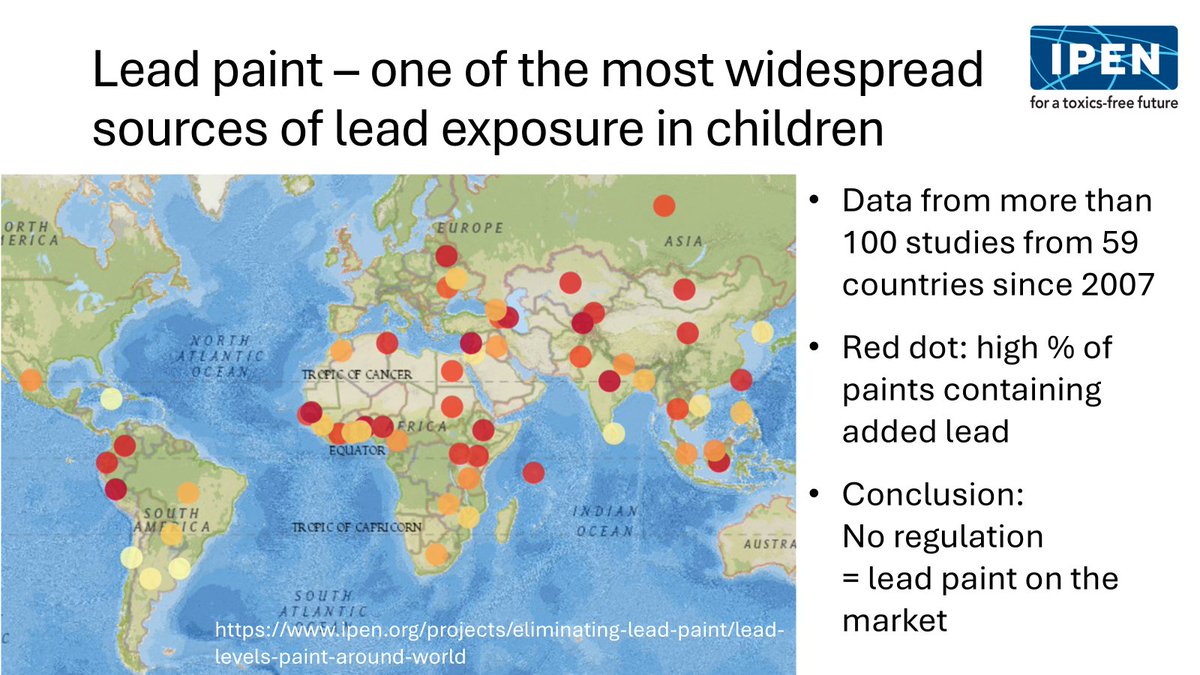
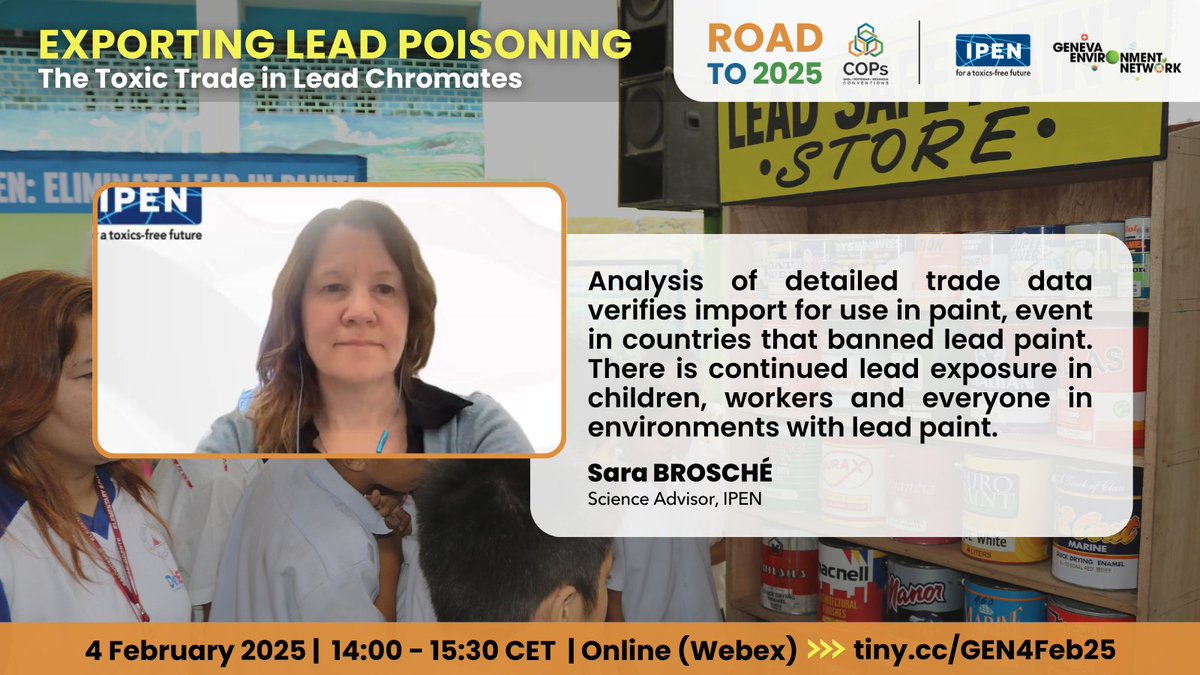
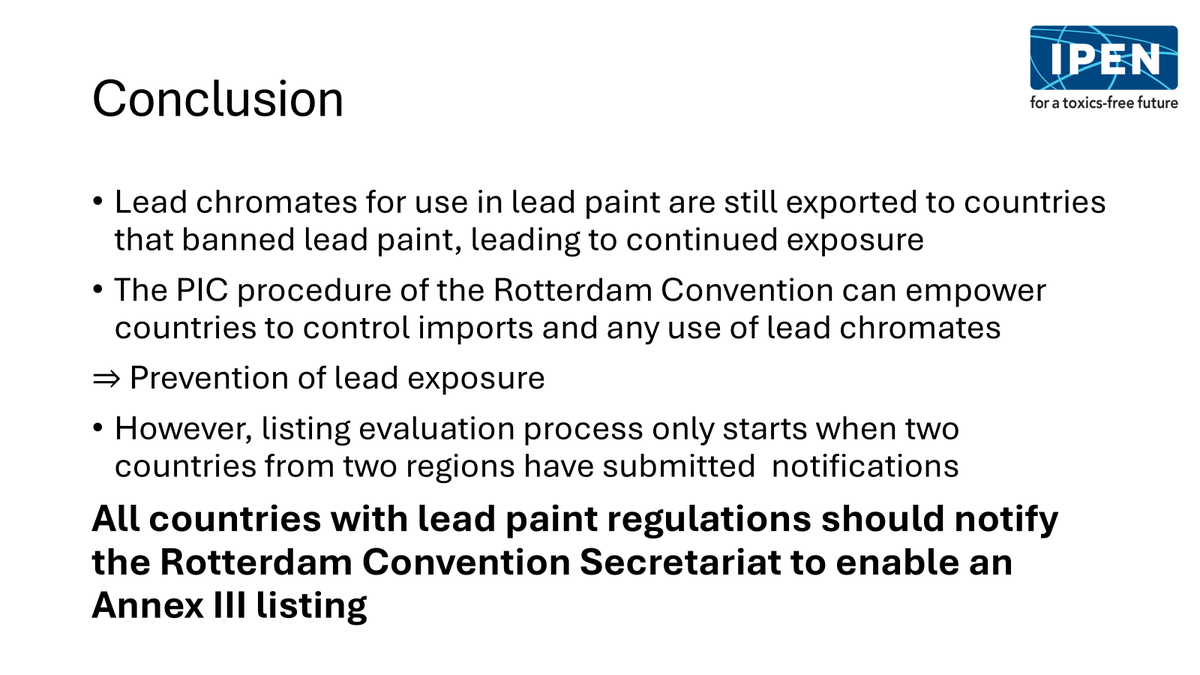
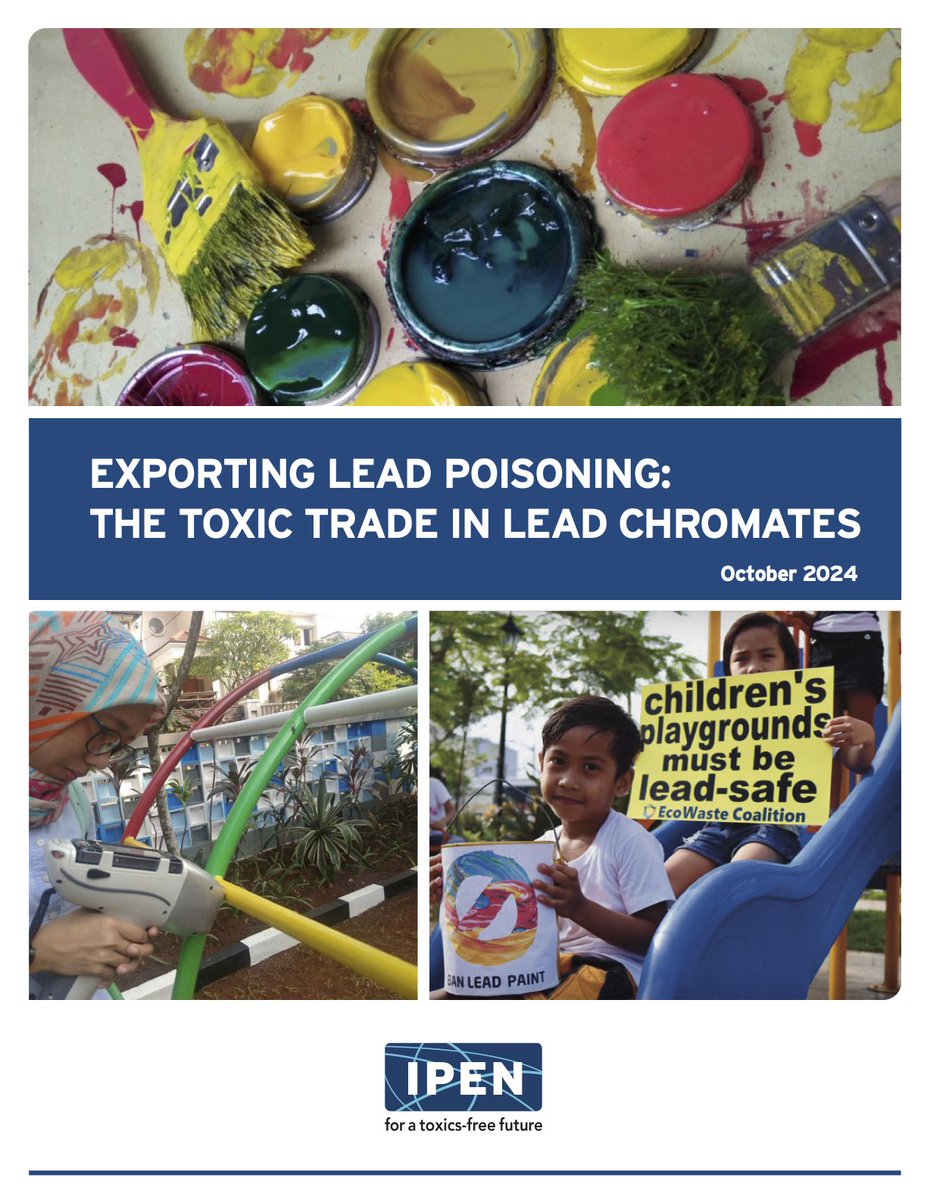
A recent IPEN report finds that while the EU and other countries have banned the use of #leadchromates, they continue to allow production and export of this paint ingredient, putting children and families at risk from lead poisoning.
Download the report: https://t.co/vOqq4baXeI
The Plastics Map reviews more than 130 IPEN publications covering policy analyses, testing of hundreds of plastic products, studies on environmental and food chain contamination from plastic waste, surveys of country-based plastic data, and more: https://t.co/PefvjsJmCP
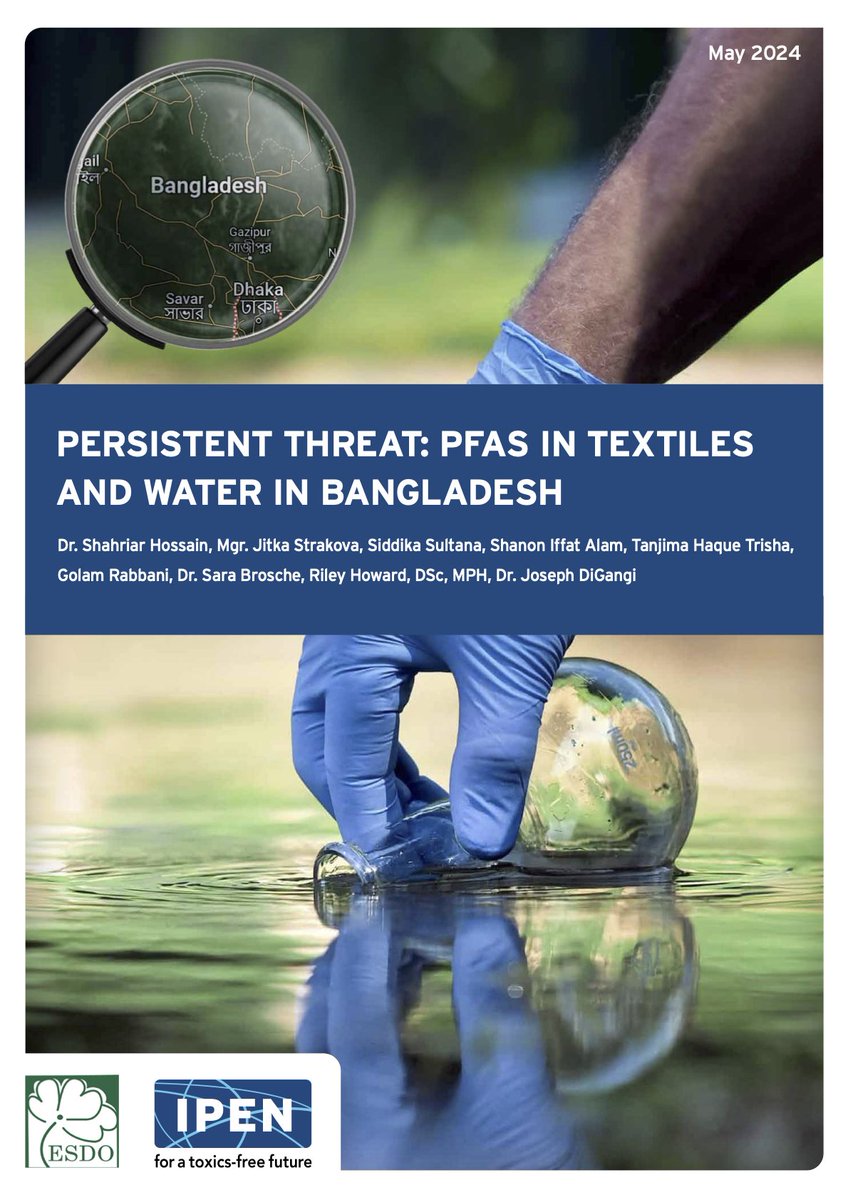
A study published by @esdobd and IPEN last year, researchers found high levels of PFAS chemicals in surface and tap water samples near textile industry areas in Dhaka, Bangladesh.
Download the report here: https://t.co/kurrAhPPXb
🆕 GAIA delivers an open letter to the INC Bureau calling for "greater accountability, inclusiveness, transparency in the #PlasticsTreaty process."
We join other civil society groups to call for a process where the voices of the most impacted groups are heard and respected— only then will we get a strong treaty. The letters are linked ⬇️
READ here: https://t.co/t42fsplWJy
#INC #LessPlasticMoreLife #BreakFreeFromPlastic
Industry says recycling can solve the plastic crisis, but their # are based on false assumptions and misleading statistics.
IPEN’s briefing on industry’s muddled math summarizes the science on plastic recycling and exposes industry’s skewed statistics: https://t.co/JsfbD7Tt6c
A study by IPEN and 18 partner organizations revealed the presence PFAS in single-use food packaging and tableware across 17 countries: https://t.co/O6Uw2nmFLf
On the road to #BRSCOPs2025, join this event presenting new guidance on sustainable remediation of sites contaminated by persistent organic pollutants. Experts will discuss emerging techniques and hotspots affected by #POPs.
📅 20 March, 11:00 CET
▶️ https://t.co/tmBopcduUS
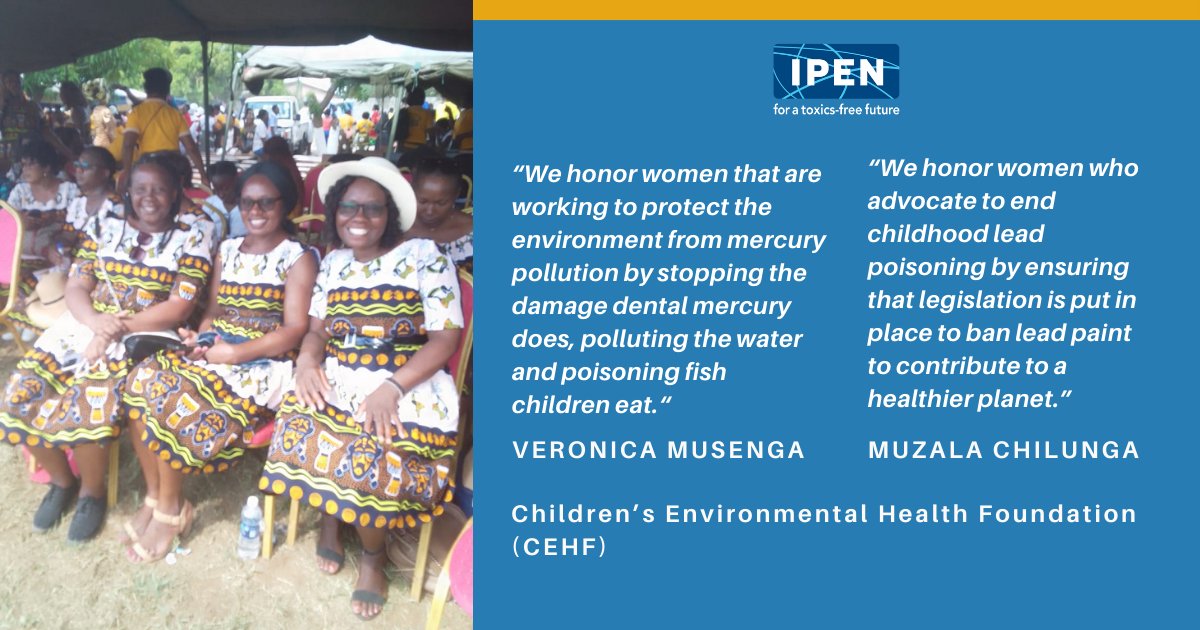
Throughout this week, we’ll continue to share the International Women’s Day reflections from women who are working to make the world healthier, safer, and free from toxics.
Tripti Arora from @toxicslink and IPEN’s South Asia Regional Coordinator shared the quote in this graphic.
Muzala Chilunga and Veronica Musenga from Children’s Environmental Health Foundation (CEHF) shared the quotes in this graphic when asked about International Women’s Day and the women they honor!
A look at how the semiconductor industry's growth is raising environmental concerns due to its reliance on PFAS. https://t.co/BthYyR9m78
Lee Bell from IPEN was quoted, “There is an urgent need to prevent any further industrial PFAS pollution and clean up existing contamination.”
#Live now!
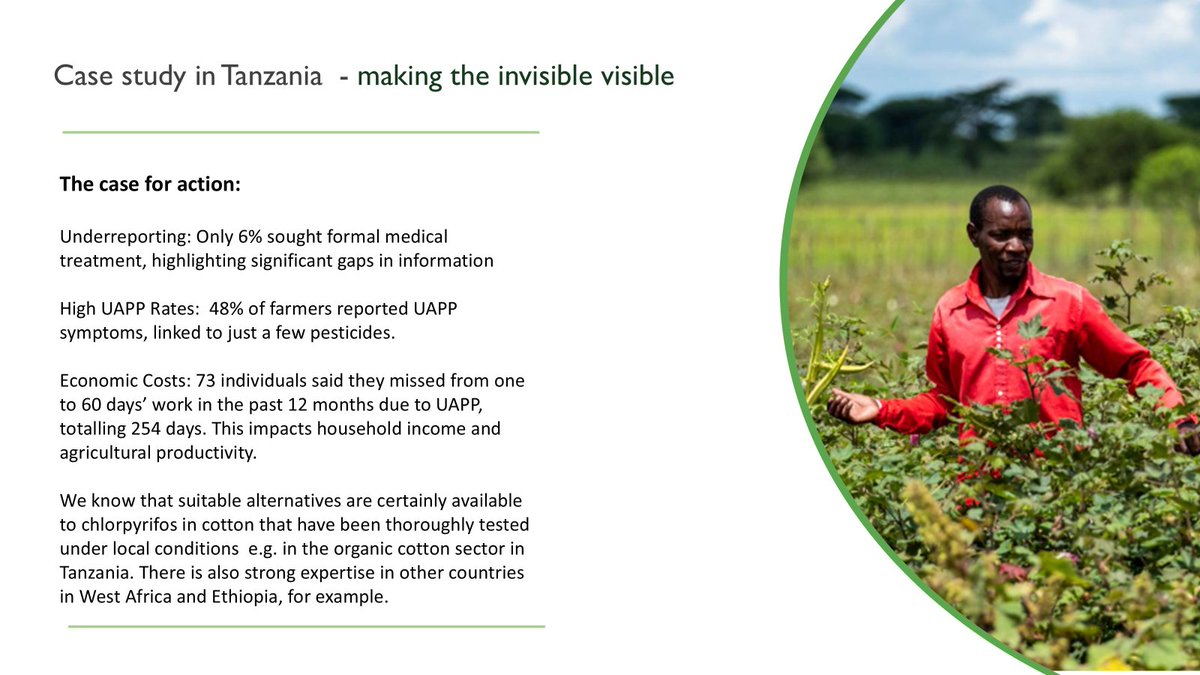
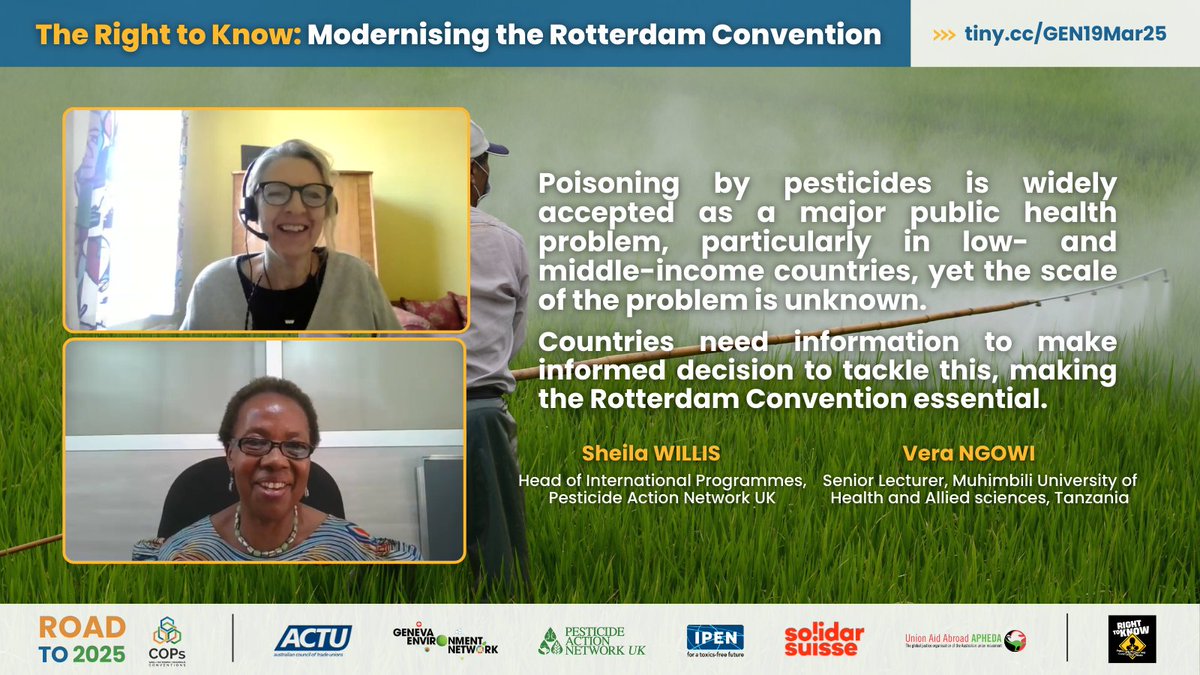
Join this event on the Road to #BRSCOPs2025, shedding light on invisible occupational health & safety (OHS) victims of chemicals with a discussion human & economic costs of OHS exposure to hazardous chemicals.
▶️ https://t.co/oi4nnaqBfH
🎥 https://t.co/U1eAkcrVoJ
Tom Perkins at the Guardian reports on research that found that consuming food from plastic takeout containers may significantly increase the risk of congestive heart failure.
https://t.co/KeT7P0tjwS