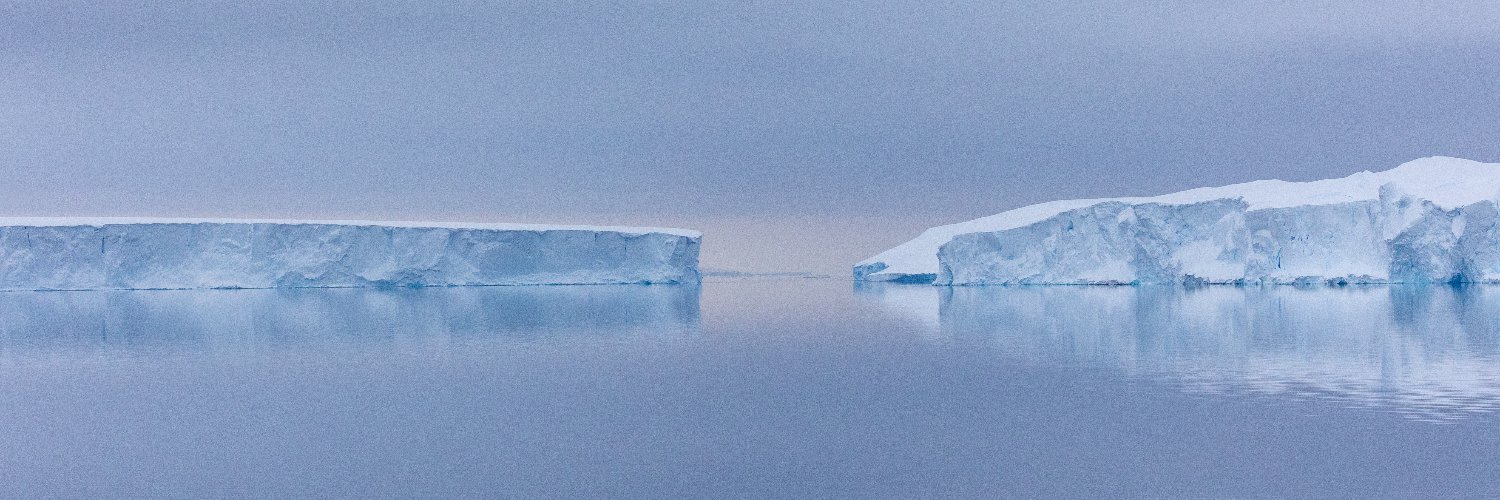
It is out! The 1st of a 4-episode podcast series for @sciam about my journey on board the US icebreaker Nathaniel B Palmer with scientists in Antarctica!
New episodes every Friday!
https://t.co/HvvJsay3b1
A aldeia Ipatsé no território Indígena do Xingu é cercada por dezenas de sítios arqueológicos descobertos nos últimos 30 anos por arqueólogos em parceria com os kuikuros. Juntos, eles mapearam mais de 20 cidades milenares em 1.200 km² de floresta https://t.co/3fcnDcfeGi
A 3-decade partnership between archaeologists and the Kuikuro people offers a model of collaboration—and documents the complexity of early Amazonian societies. https://t.co/VeahmvWxv8 #LongReads
Contributing Correspondent Sofia Moutinho visited the Xingu Indigenous territory in Brazil to learn about a long-standing collaboration between scientists and the Kuikuro to better understand early Amazon communities.
Hear more about her trip in the latest #SciencePodcast🎙️: https://t.co/bpwPY7Lvuh
This week, in Science, I tell the story of a unique partnership between archeologists and the Kuikuro Indigenous peoples of Brazil. For more than 30 years, they have been working together to uncover the past of human occupation in the Amazon forest
https://t.co/Z1t1wiX4Jw
For @NatureMedicine, @ColumbiaJournMA alum @sofiamoutinhoBR (MA Science '20) reports that from cool roofs to mental health support, researchers worldwide are evaluating the effects of climate adaptations on human health. https://t.co/2KTYXkALJo
Scientists, ethicists, and officials worry the OpenAI contest to find “lost cities” in the Amazon sidesteps archaeological norms and Indigenous rights. My story for Science https://t.co/m8k3fvkoM1
I'm so happy that this beautiful story I wrote for @Biographic has been longlisted in the One World Media Award’s Environmental Reporting category! Nice to see Indigenous science and native bees in the spotlight! recognized @onewm#OWMAwards2025
https://t.co/tz50xKRARl
Underground water pumping could be reducing river streamflow across Brazil. A new study shows that more than half of the analyzed rivers are at risk.
https://t.co/y3HNnrt6s8
Check out an interview article in @AGU_Eos by Sofia Moutinho about our recent findings on river-aquifer interaction.
Brazil’s Rivers Are Leaking https://t.co/9wdcVEAkXu
Inspirados pelo naturalista Alfred Wallace, que visitou o Alto Rio Negro há cerca de 150 anos, os Baniwa de Nazaré do Cubate criaram seu próprio guia de aves, de maneira colaborativa, integrando ciência e saberes tradicionais indígenas
https://t.co/qJQin9pMkO
In the Peruvian Andes, wildfires not only damage the vegetation but also harm the soil. Even 4 years after a massive wildfire, the vulnerable volcanic soil had not recovered, a new study showed.
https://t.co/Ukf7b0KjZM
In these dark times, let's remember that gender, and not only biology, determines someone's health. That is the case of Alzheimer's disease, which bears a higher burden in women. My story for @NatureMedicine https://t.co/eGCYvAj008
In these weird times, it is good to remember that gender, and not only sex, plays an important role in Alzheimer’s risk. Women are more likely to develop the disease due to social and biological factors
Women are twice as likely to develop #Alzheimersdisease as men — but scientists do not know why.
Read our latest News Feature from @sofiamoutinhoBR
https://t.co/BoweC1vhXZ
Women are twice as likely to develop #Alzheimersdisease as men — but scientists do not know why.
Read our latest News Feature from @sofiamoutinhoBR
https://t.co/BoweC1vhXZ
Gripe aviária se espalha pela Antártica infectando 13 espécies de aves e focas. Mandriões parecem ser os mais afetados. Contribuição para a Folha
https://t.co/AoivYh30e4
A year after arriving in remote Antarctica, the avian flu is widespread in the Antarctic peninsula infecting almost all species of birds and seals. My story for Science https://t.co/EXFBUKnxl2