Start earning for sharing fast, reliable internet. Share your link to get started. Receive cash or service credit for each eligible referral. Give a free month of service to your friends.
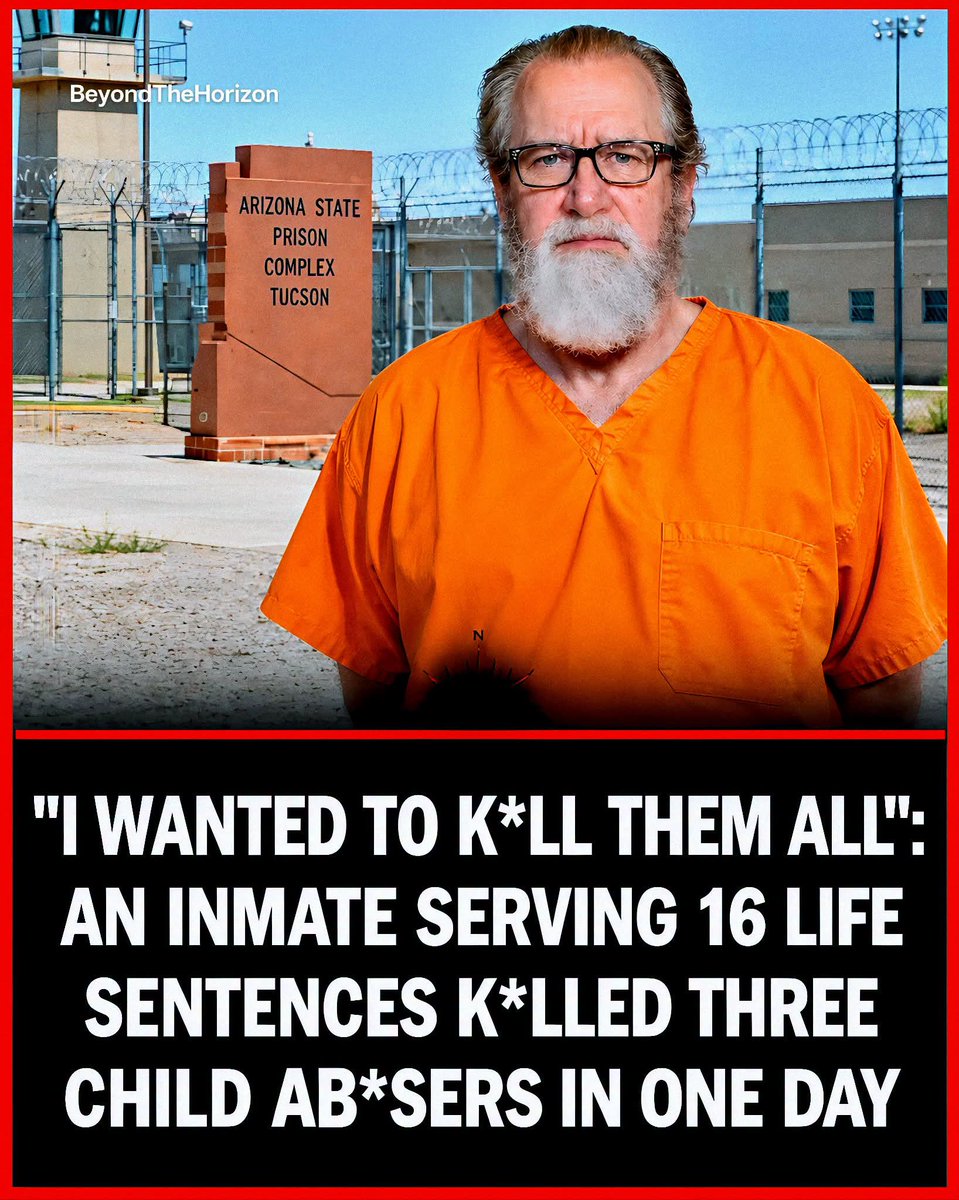
🚨🇺🇸 An inmate serving 16 life sentences allegedly said, “I wanted to kll them all,”* in reference to three child abusers who were killed in prison.
But here’s the question that will spark debate: Is there ever a point where even the worst criminals deserve protection from other inmates—or do some crimes make people lose that right in the eyes of society?
Where do you stand?
Justice, revenge, or something in between?
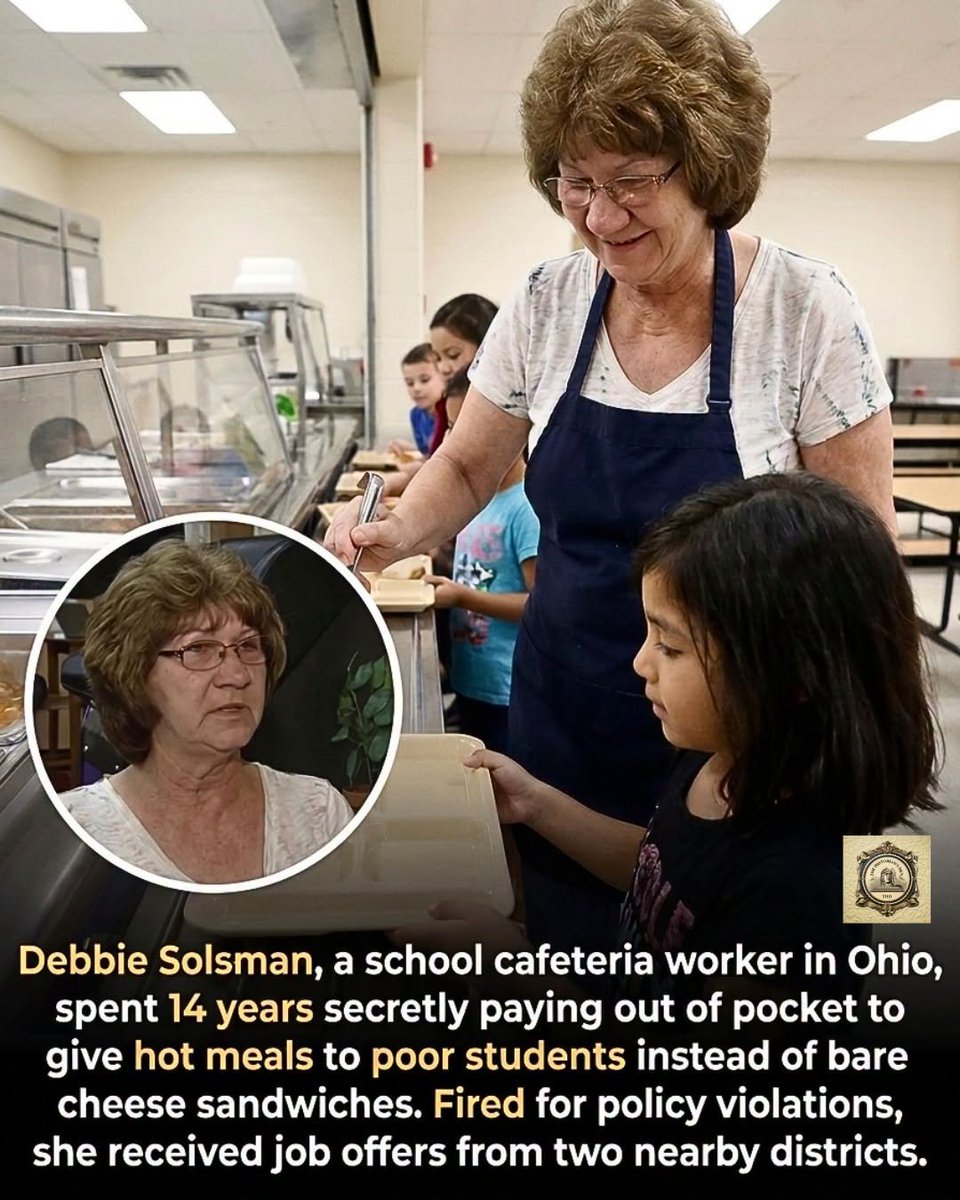
Debbie Solsman spent 14 years working in the cafeteria at New Miami Local Schools in Ohio, quietly breaking policy to protect kids from hunger and humiliation. When students came through the lunch line without money, the rule was to give them a cold cheese sandwich, the “alternate meal” that instantly marked a child as poor. Debbie refused to let that happen. She paid for their hot lunches out of her own pocket, day after day, year after year, never telling anyone and never asking for reimbursement.
In 2024, the district discovered her long‑running act of quiet generosity and fired her for violating food‑service accounting rules. The decision stunned the community. Parents described her as the kind of adult who made school feel safe, and a GoFundMe launched to support her quickly filled with donations and messages praising her compassion. Online, her story went viral, not because she broke a rule, but because she had spent more than a decade shielding children from shame in a system that often prioritizes policy over humanity.
As the public rallied behind her, two nearby school districts reached out with job offers, saying they wanted someone with her heart on their team. Debbie said she was overwhelmed by the support and grateful simply to be recognized for the kindness she tried to give quietly for so long. Her story became a symbol of the tension between rigid school policies and the people who choose compassion anyway, and a reminder that communities often step up to defend those who quietly do good.