Two ways to get real estate exposure onchain with @rntprotocol, and they are not the same thing.
Option 1: Real estate security tokens
• Each token is a share in an SPV, the company that owns the property
• You do not own a piece of the building itself
• You pick specific properties
• These tokens can also be used as collateral on RNT Lend to borrow stablecoins
Option 2: RNT Vaults
• You deposit USDC into a curated vault
• The vault gives exposure to a diversified portfolio of real estate strategies
• You do not pick individual properties, the vault manager does
• Withdrawals follow a monthly cycle
Simple way to think about it:
Tokens = you choose the property
Vaults = you choose the strategy
One wallet, one ecosystem, two very different risk profiles. Pick the one that matches how hands on you want to be.
Not financial advice.
Explore RNT:
https://t.co/z3ZYwlSYGw
🎙Don't miss the opportunity to join us for a #BinanceLiveAMA with Letsburn x Liber App
◾The B2A Economy: Building Products That AI Agents (Not Just Humans) Actually Want to Use
🕰 19th November, 8PM GMT+ 8 (12 PM UTC)
💰 50$ USDT
🏛 Binance Live: https://t.co/2q8ikSZRL5
📌 Rules for the AMA:
1️⃣ Follow @letsburnlab & @liberappx
2️⃣ Like, Retweet & Comments.
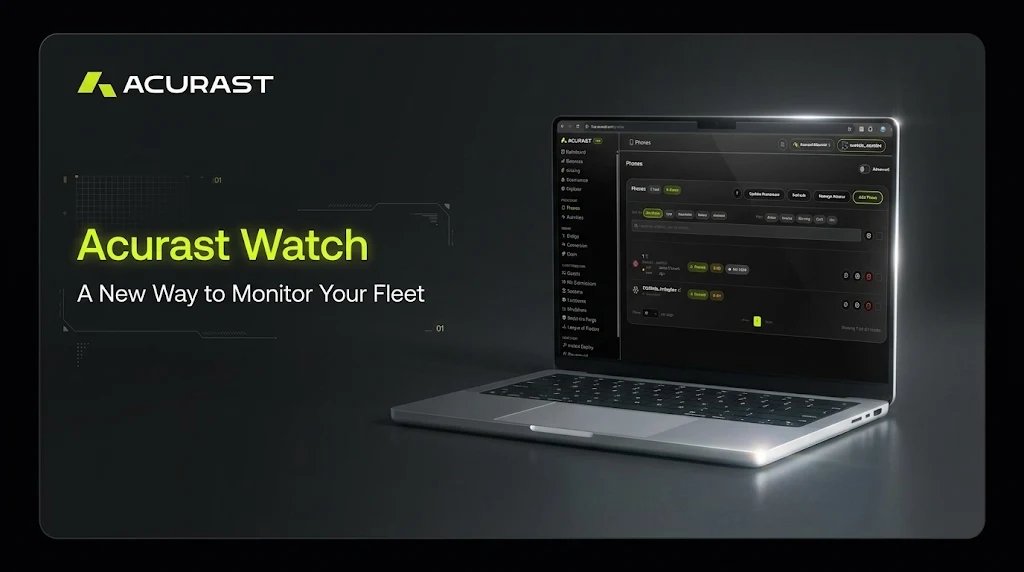
Managing multiple or 69 phones as @Acurast Processors? I wouldn't want to check every screen just to figure out which device is having issues.
That's where https://t.co/1Dq3M70Qrq helps.
➟ Track device status and spot missing heartbeats.
➟ Check Processor app versions.
➟ Monitor battery level and temperature.
➟ Review uptime history and estimated slashing risks.
For example, if one phone goes offline or another starts overheating, I can identify which device needs attention instead of checking all 50 manually.
Acurast has also shared this tool on its official X account, describing it as an unofficial community project.
One dashboard, less manual checking :-https://t.co/QhglPVKUom
Ever wonder why some buys feel cheap and others bleed you? It’s all about where the order lands.
@Hypesium’s router doesn’t stick to one pool. It scans V2, V3 and V4 pools across several quote assets, then picks the deepest one.
Why that matters:
- Bigger depth = less price slip.
- Multiple pools = more routing options.
- It folds the buy tax into the min‑output calc, so you see the real cost.
Bottom line: entering a trade isn’t just a click. Liquidity depth, routing logic and fees shape your final numbers.
A bot’s UI and speed are nice, but the hidden math decides the payoff.
Do you factor routing depth when picking a bot? Share your thoughts.
A single cosmetic change made my phone look completely brand new.
Nothing inside noticed.
Everyday use had scuffed the back cover, so I replaced it. Then I switched the phone on: WhatsApp conversations, pictures, contacts and unfinished downloads remained exactly where I left them.
That is the cleanest explanation of @GenLayer landing on @arbitrum. The GenLayer Chain, recording transaction ordering, votes, appeals and staking, switched from ZK Stack to Nitro, operated through Conduit.
Underneath, GenLayer's reasoning stayed identical:
• Optimistic Democracy continues letting different AI models reach consensus
• GenVM still executes intelligent contracts on validators' nodes
• Node operators keep the same role, connecting to the new destination
Engineering effort concentrated on seams: the bridge, Ethereum integration and gas handling.
Judge upgrades by whatever remains discoverable afterward, never by outward appearance.
Anyone shipping on a platform: which verification comes first when your dependencies change their outside overnight?
Reply with yours and I will answer everyone.
there’s a reason i don’t fill out job applications anymore
today we’re launching Dreamwork Pro
you upload your resume once. an agent does the rest:
1. scores 2.5M+ live jobs against your resume
2. tailors your resume for each role (nothing made up)
3. writes the cover letter and the screening answers
4. submits the application
5. locates the hiring manager for followup
6. tells you when a recruiter replies
you approve what goes out
you show up for the interview
60 seconds of what that actually looks like: