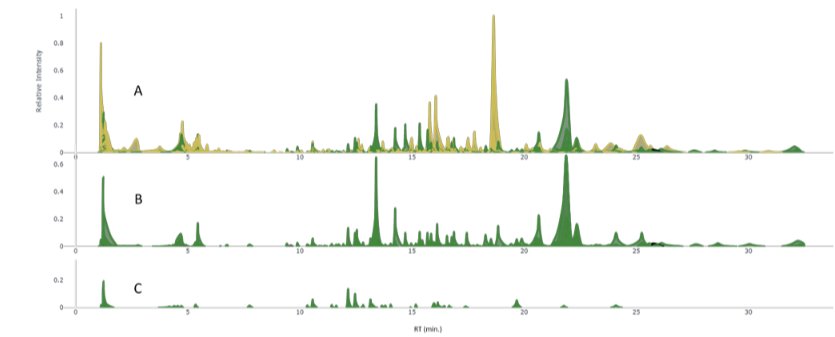
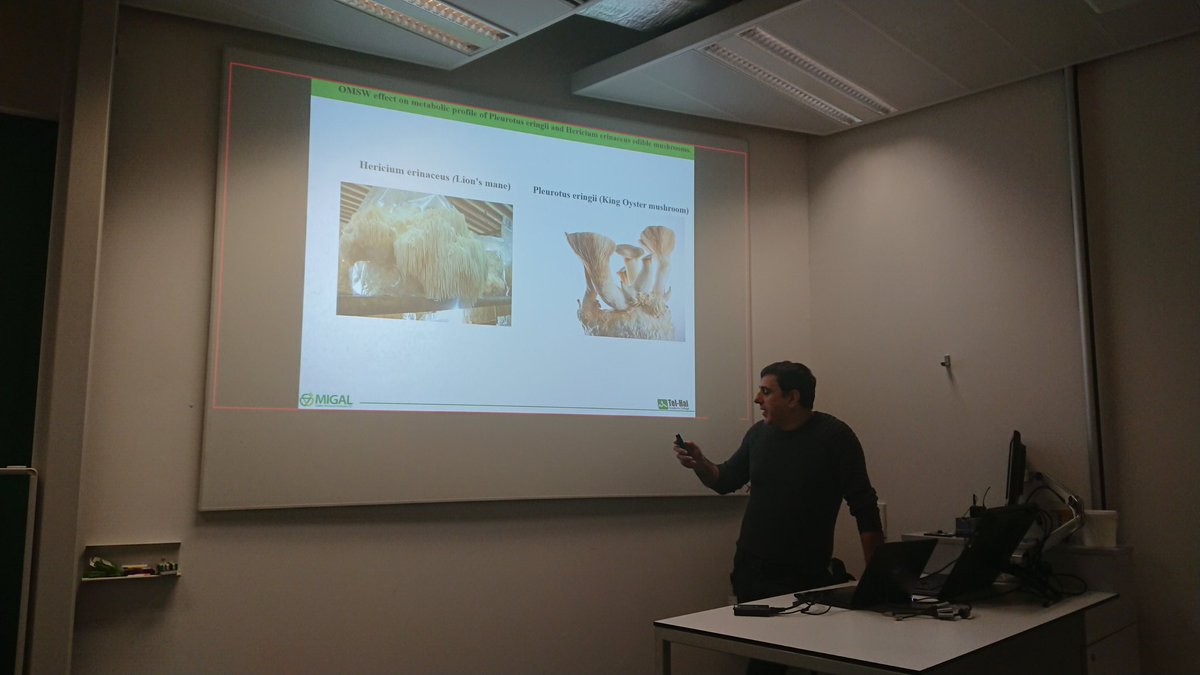
Altogether, this study demonstrates how changes in growing conditions affect the edible part of mushrooms. Thus, it shows that chemical phenotyping methods should be used when doing checks on the use of novel substrates. With thanks to @WUR@WURplant @WU_BioInfo for resources! 😎
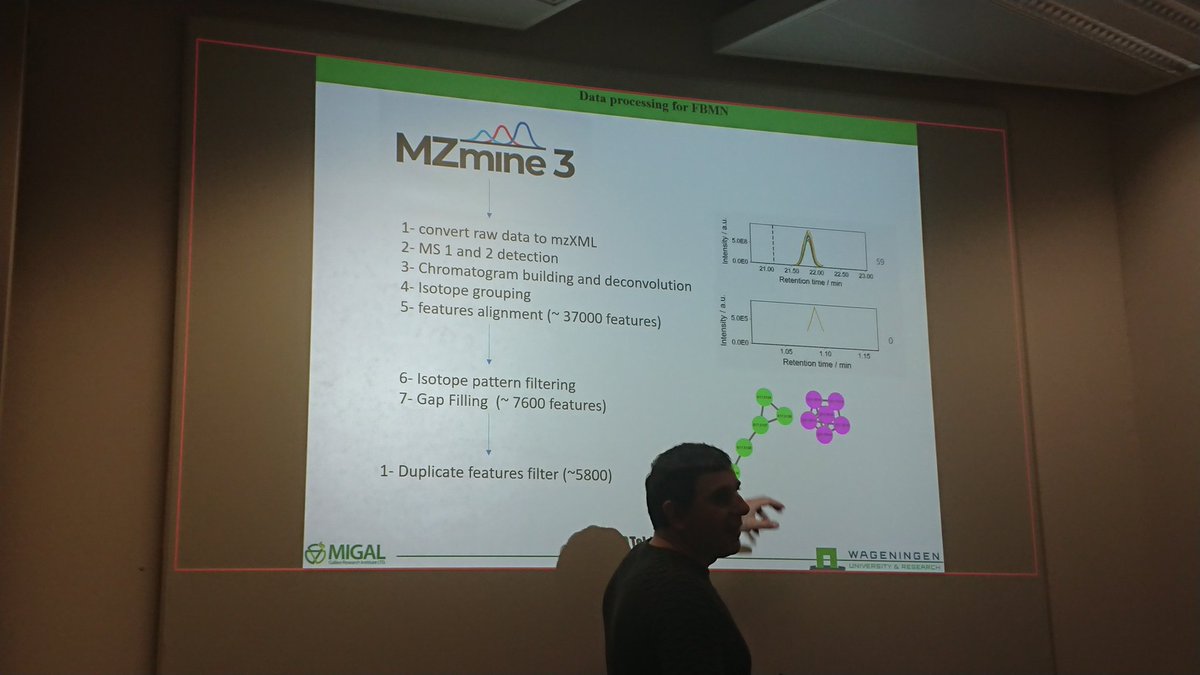
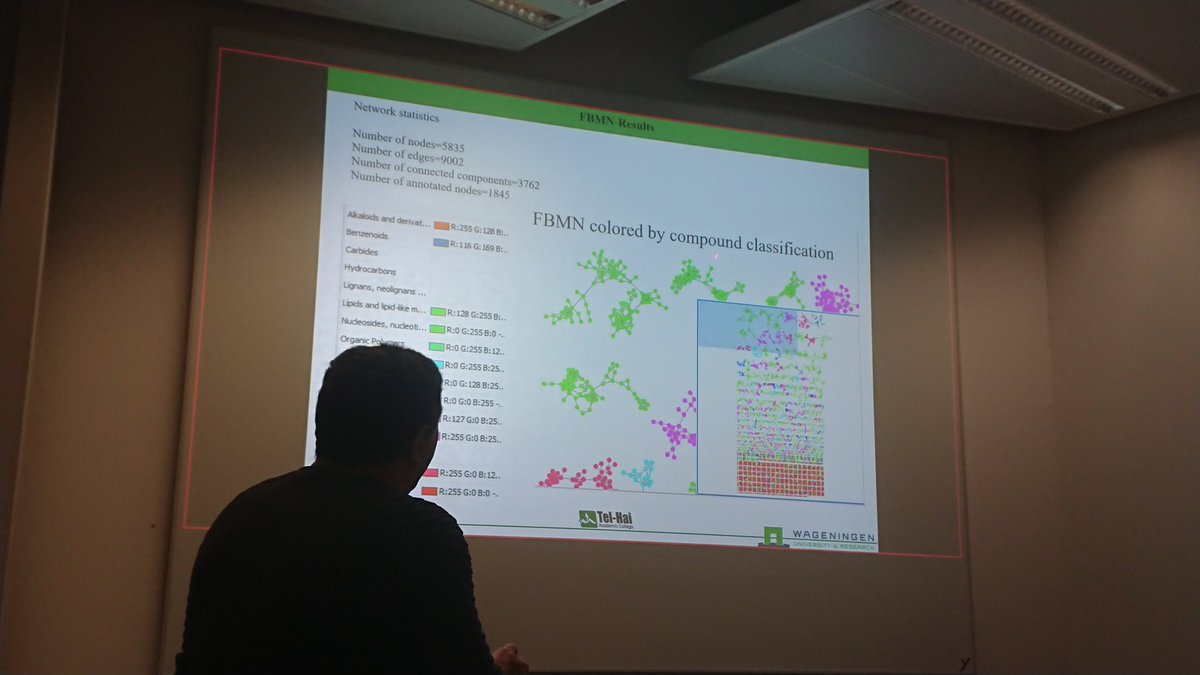
Using @GNPS_UCSD FBMN & #MolNetEnhancer together with various % olive 🫒 oil waste additive conditions, we saw abundance of healthy molecular families increasing, whilst a toxic one decreased! A large portion of 🍄 metabolites was annotated with #CompMetabolomics strategies! 😎
We were interested in how growth promoting olive oil waste additives in their substrate affected #naturalproducts content, especially beneficial and toxic #molecules. #FERMO prioritized several #metabolites that were #annotated by #MS2Query and other tools 😎
Great to see the (analyzed 🍄) fruits of @Soliman72227832's labor of his sabbatical in our group! The preprint deciphers the edible #mushroom specialized metabolome: https://t.co/Q6h3K90suQ congrats 👏 🎉 to Soliman, @MitjaMZ, @jjjvanderhooft , and all others! #CompMetabolomics
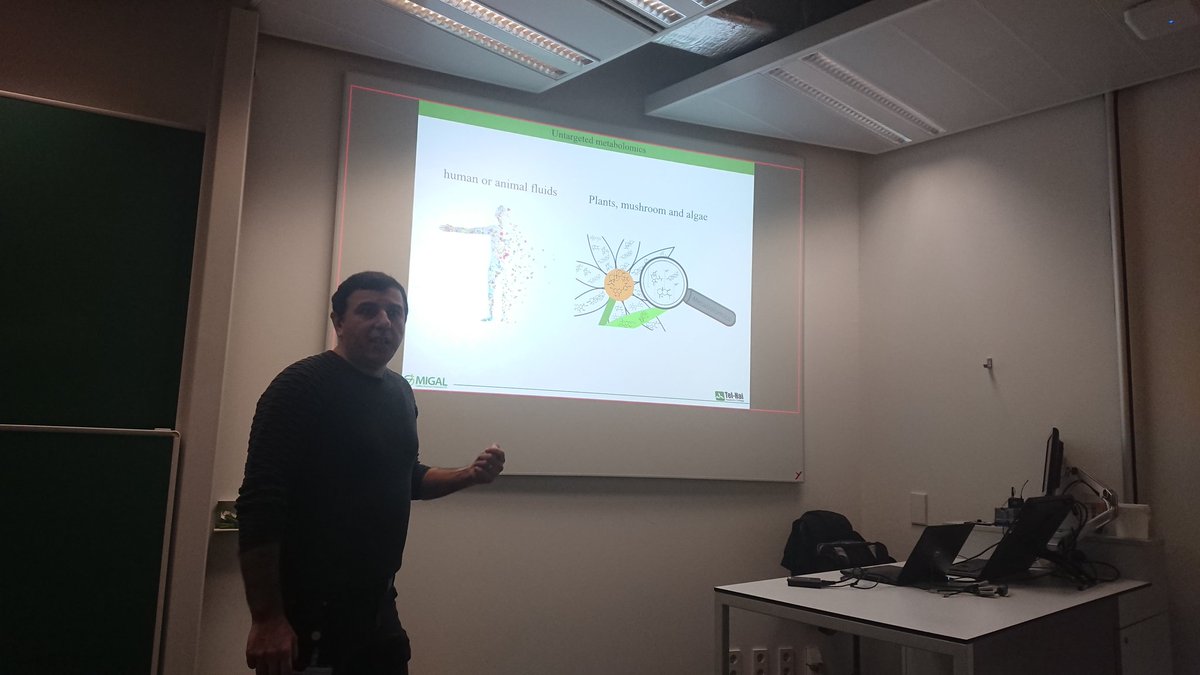
We are looking forward to the upcoming seminar by our own Professor Soliman Khatib of #Migal Galilee Research Institute and @Tel_HaiCollege this Thursday, June 8 at 10:30. 👇🔥🔥🔥