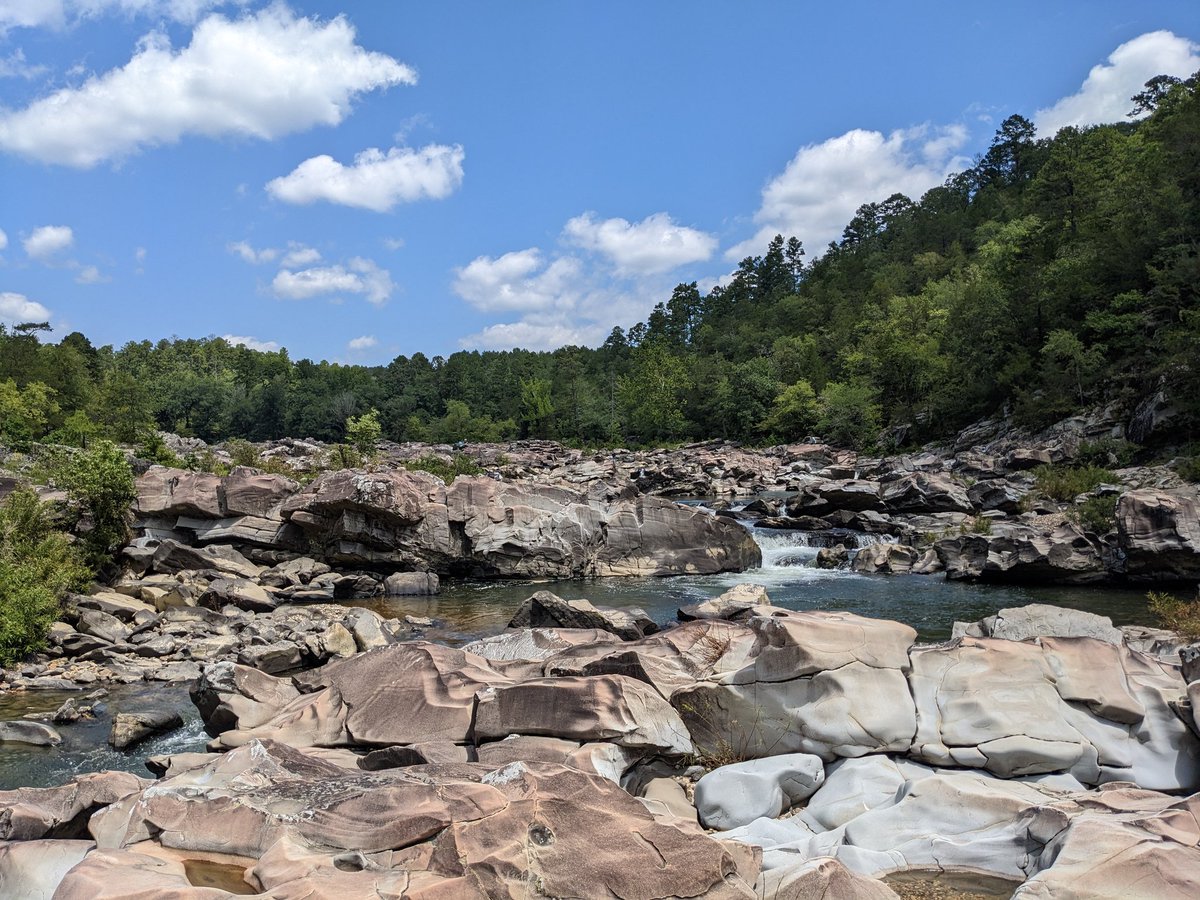
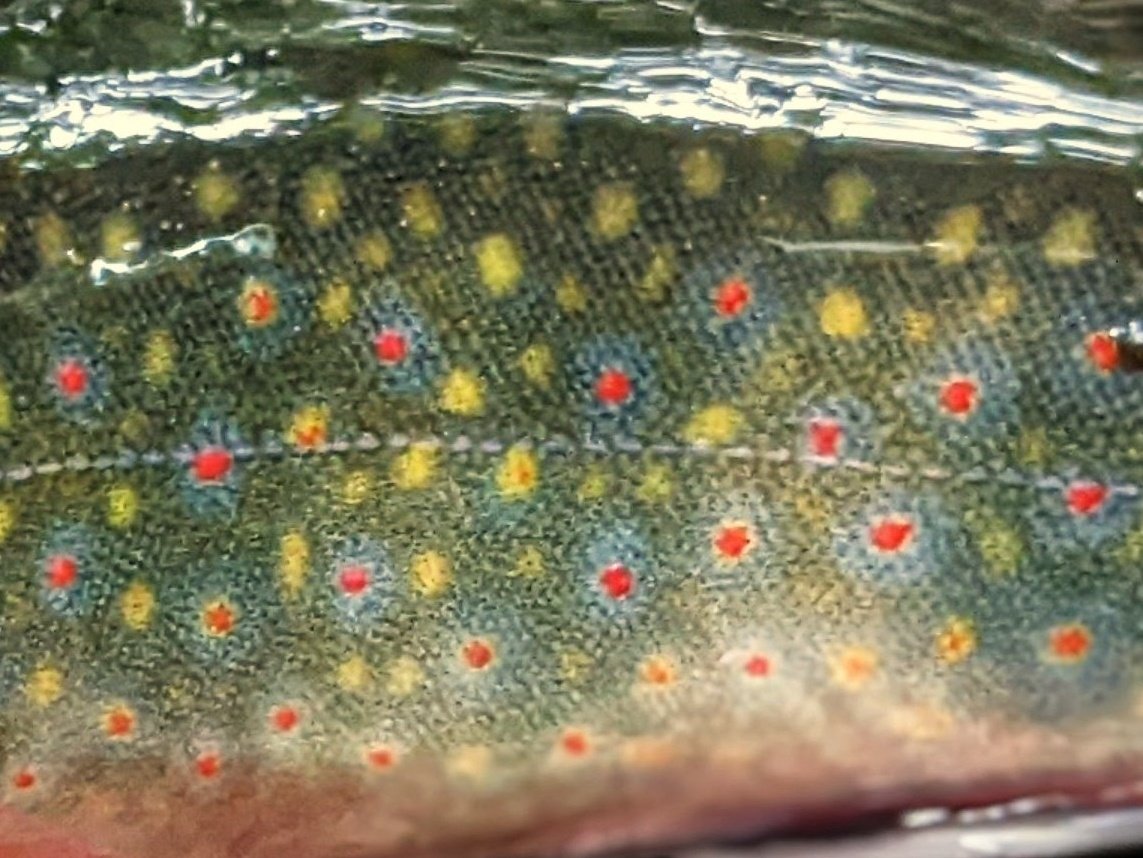
What is the conservation status of the distinct genetic lineages of the Smallmouth Bass complex within the Ouachita Mountains of Oklahoma and Arksansas? We have some new findings!
Some of our recent work has led myself and colleagues to adopt a “species complex” mentality for formerly unresolved species diversity within the Smallmouth Bass lineage.
This nice article discusses these changes from an angler’s perspective!
https://t.co/FBIKiEeUIl
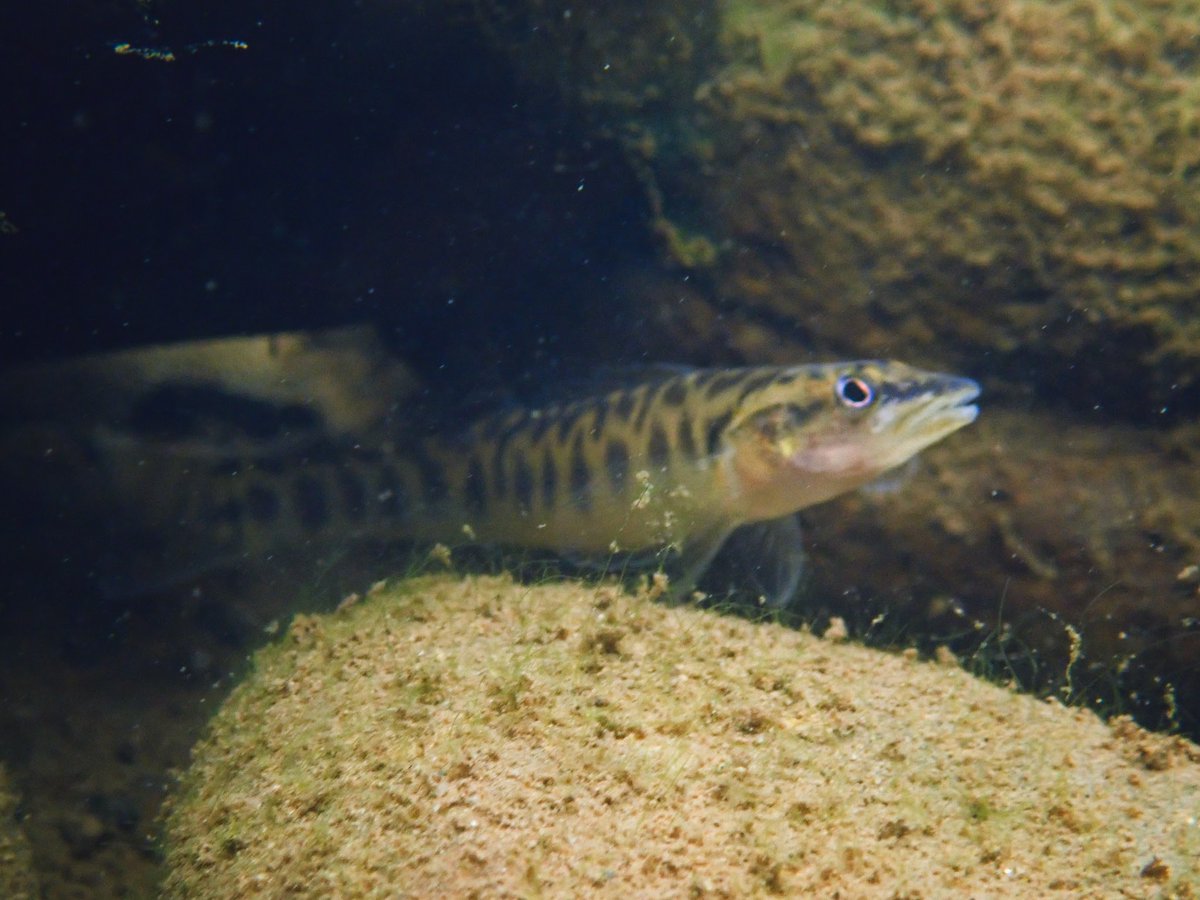
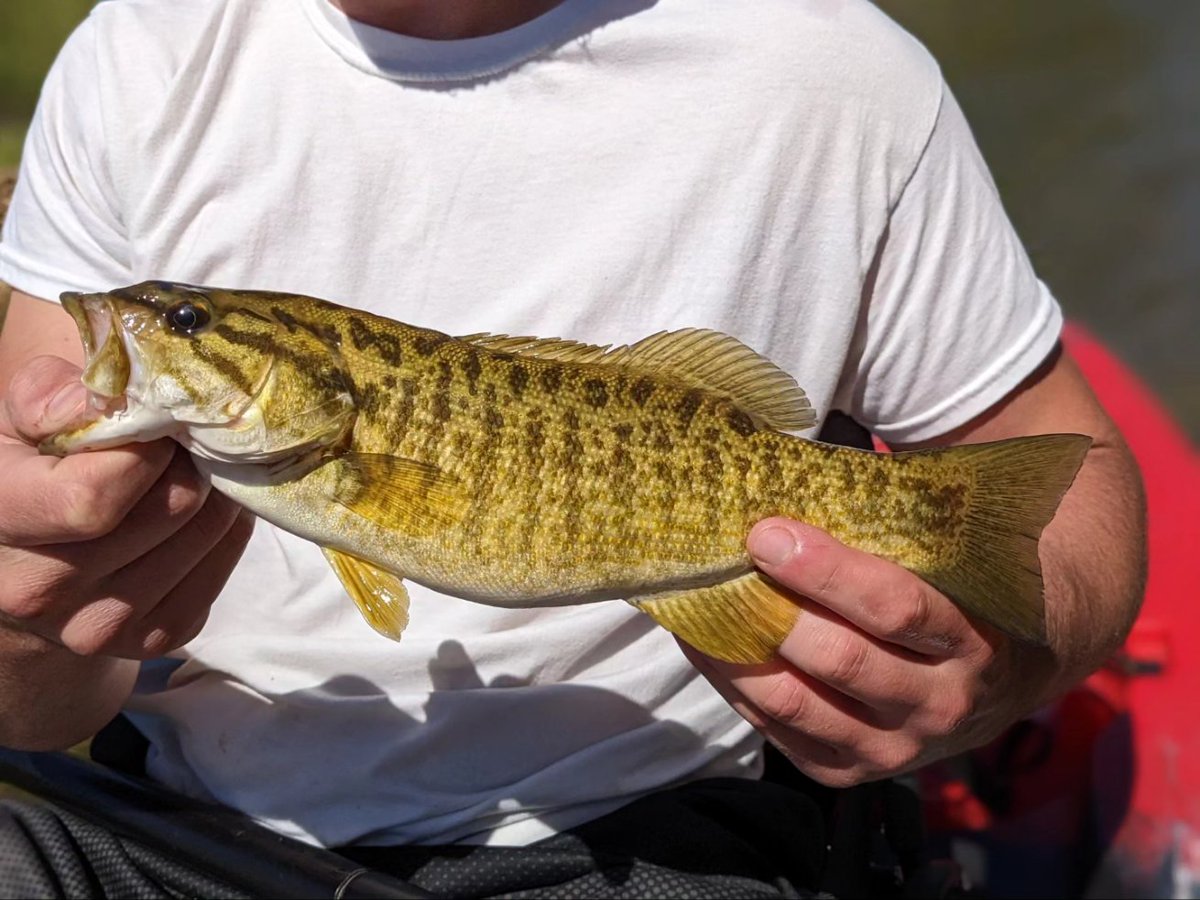
Fish Friday: The Neosho Bass (Micropterus velox) is a species endemic to the Arkansas River basin. They can be found in found upland creeks and rivers consisting of rocky substrates. This individual was observed in the Mullberry River of Arkansas.
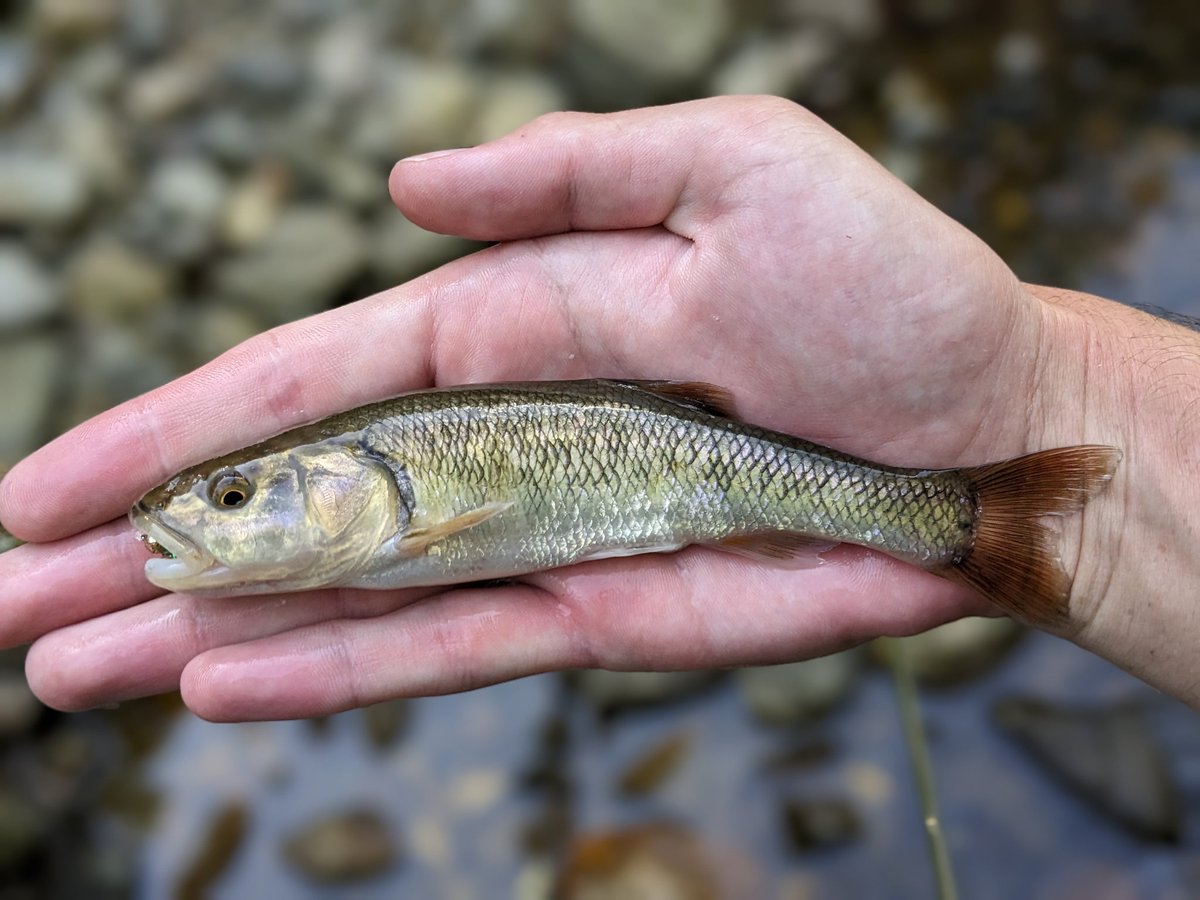
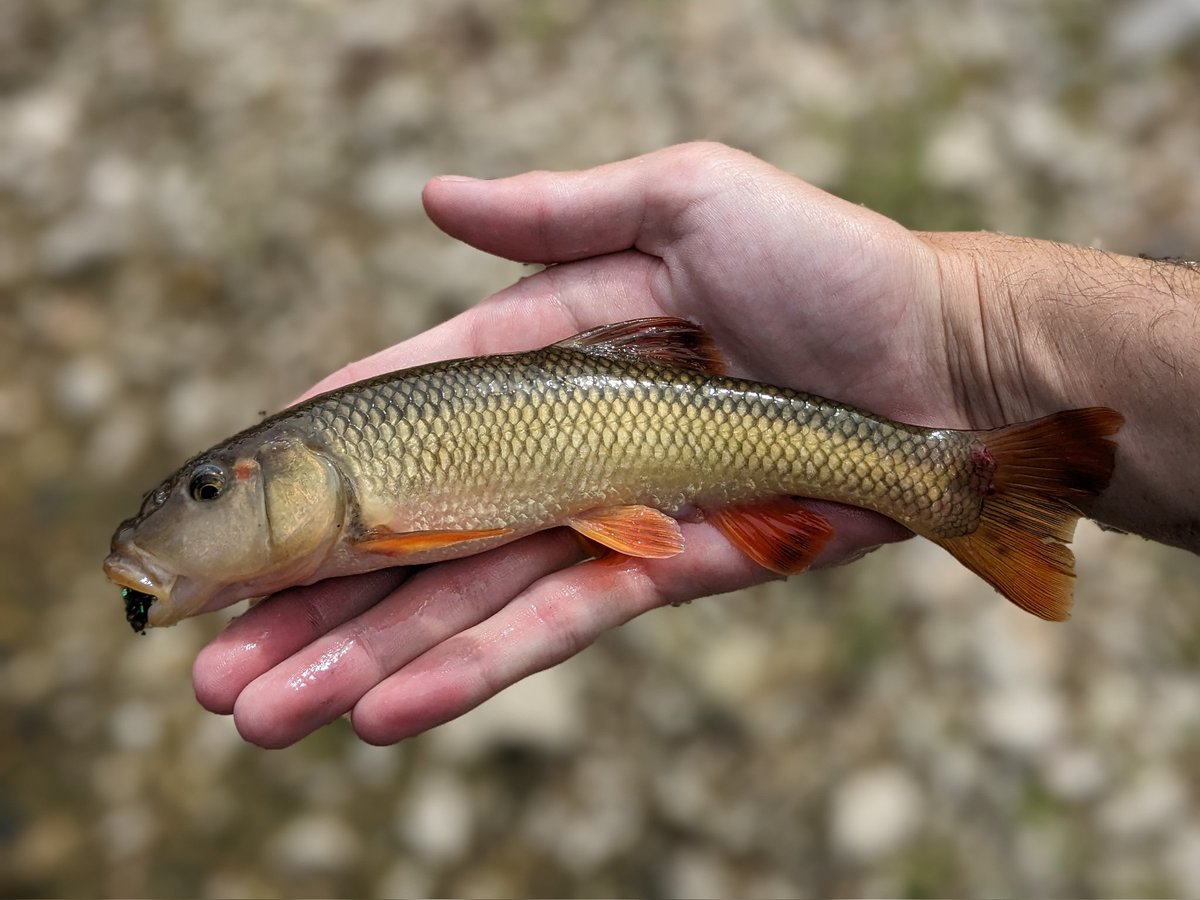
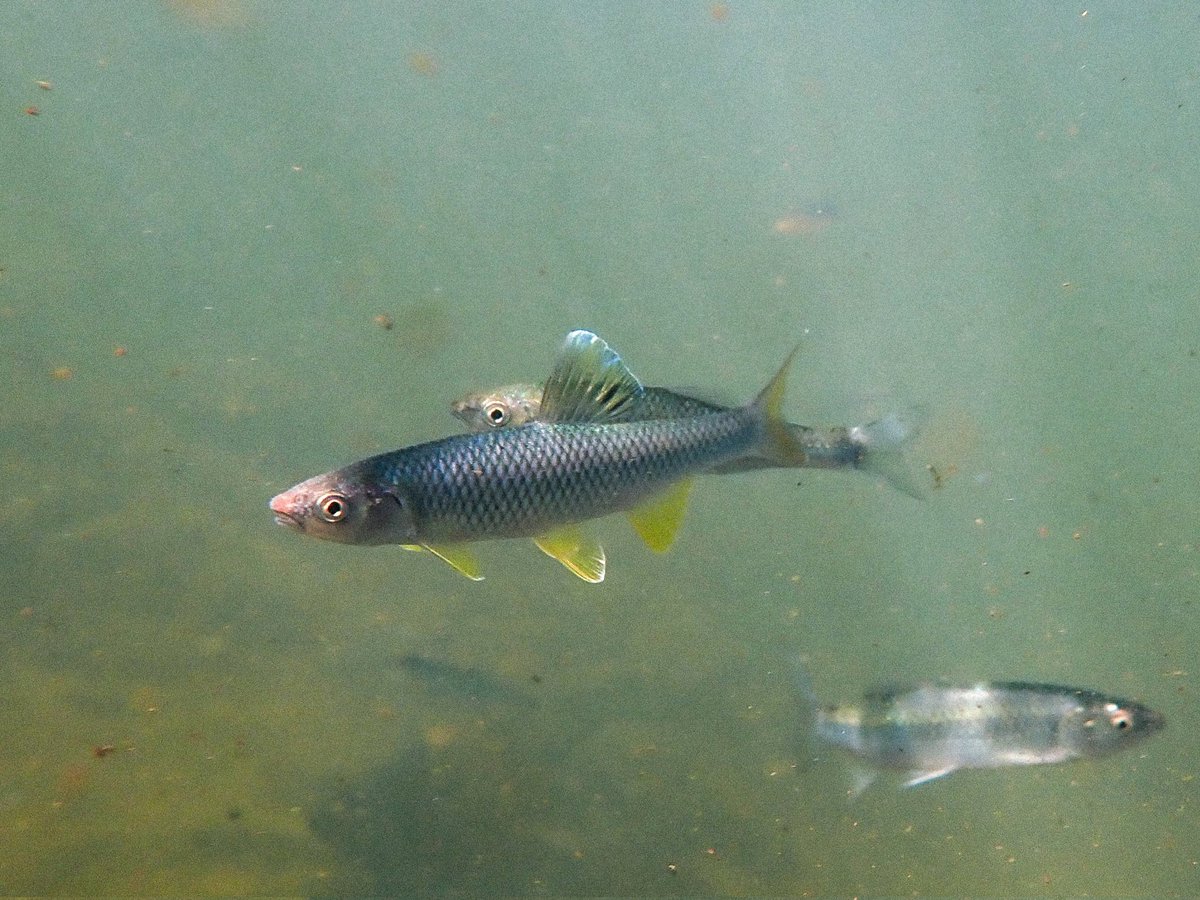
Fish Friday: The Hornyhead Chub (Nocomis biguttatus) is a species with a native range across the central portion of North America. They can be found in creeks and small to medium-sized rivers. This individual was observed in Cooked Creek in Arkansas.
📸: @sonofdod2001
My favorite bass is now an AFS recognized species.
Neosho occur only in highland streams of the AR River system and can be distinguished from Smallmouth Bass by their more slender head with prominent underbite, and sides with a series of shorter/wider blotches vs elongate bars
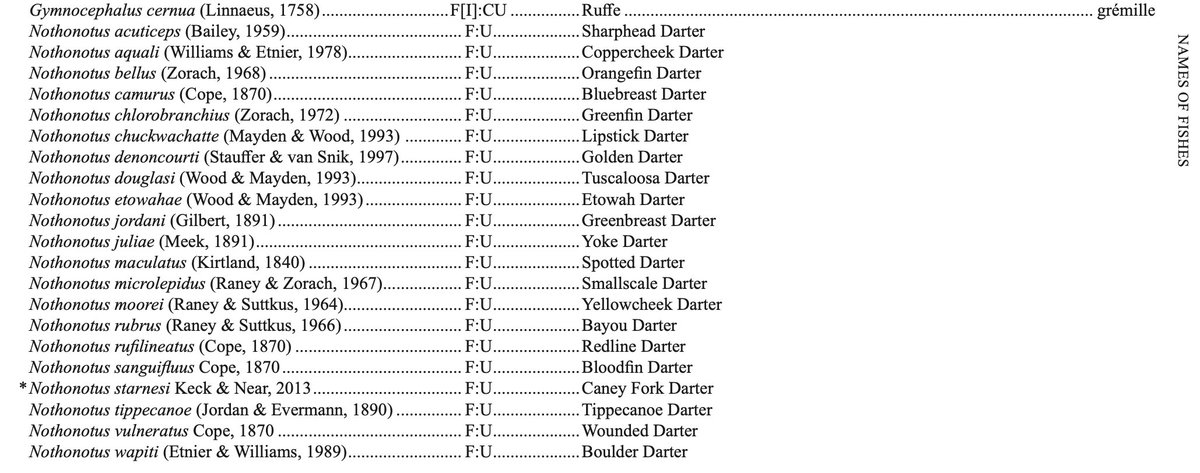
The new AFS names of North American fishes list just dropped. Big changes!
Allohistium and Nothonotus listed as genera of Percidae.
Micropterus salmoides is the recongnized scientific name for Florida Bass and Micropterus nigricans is the name for Largemouth Bass.
Learn about a flat place where herds of bison and elk once grazed, and a gorgeous little endangered fish is now being squeezed between a rock and a hard place: https://t.co/PwtKSfVJ3m
A Barrens Topminnow. 📷 Todd Amacker/Conservation Fisheries, Inc. #AllTheFish#ESA50
Also, @spoonbill_hank your drawings of these species are too good. Love how they're stylized but actually highlight the unique pigmentation of each. I'd be the first to buy a sticker pack from the bait shop!
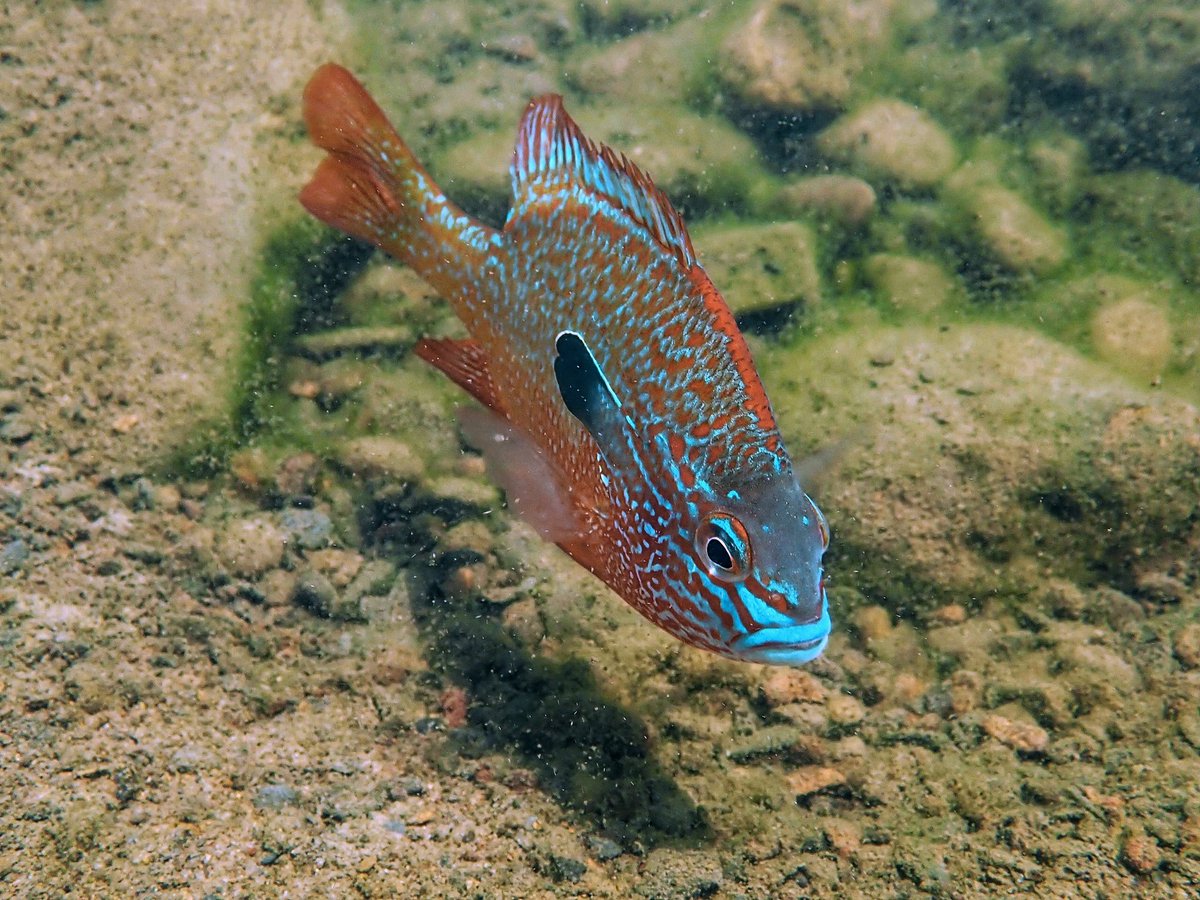
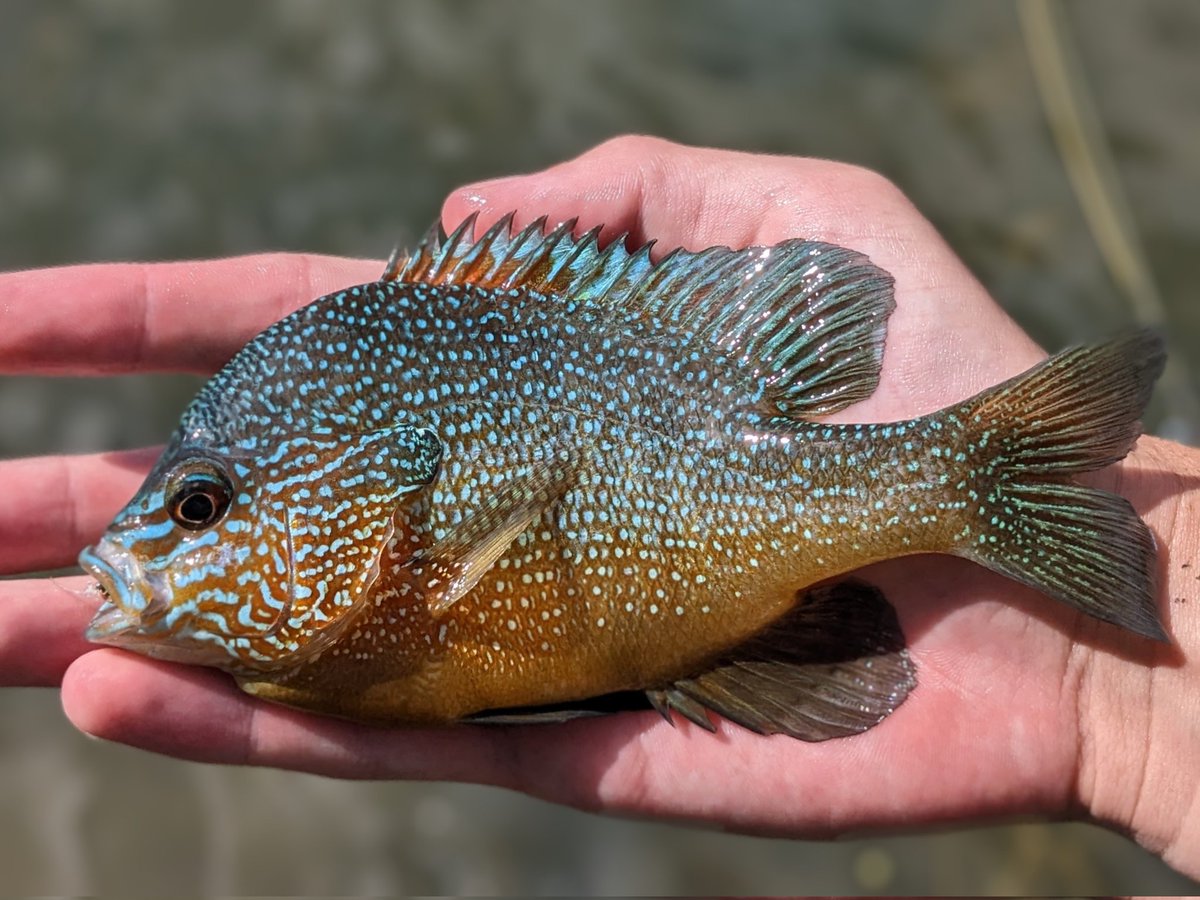
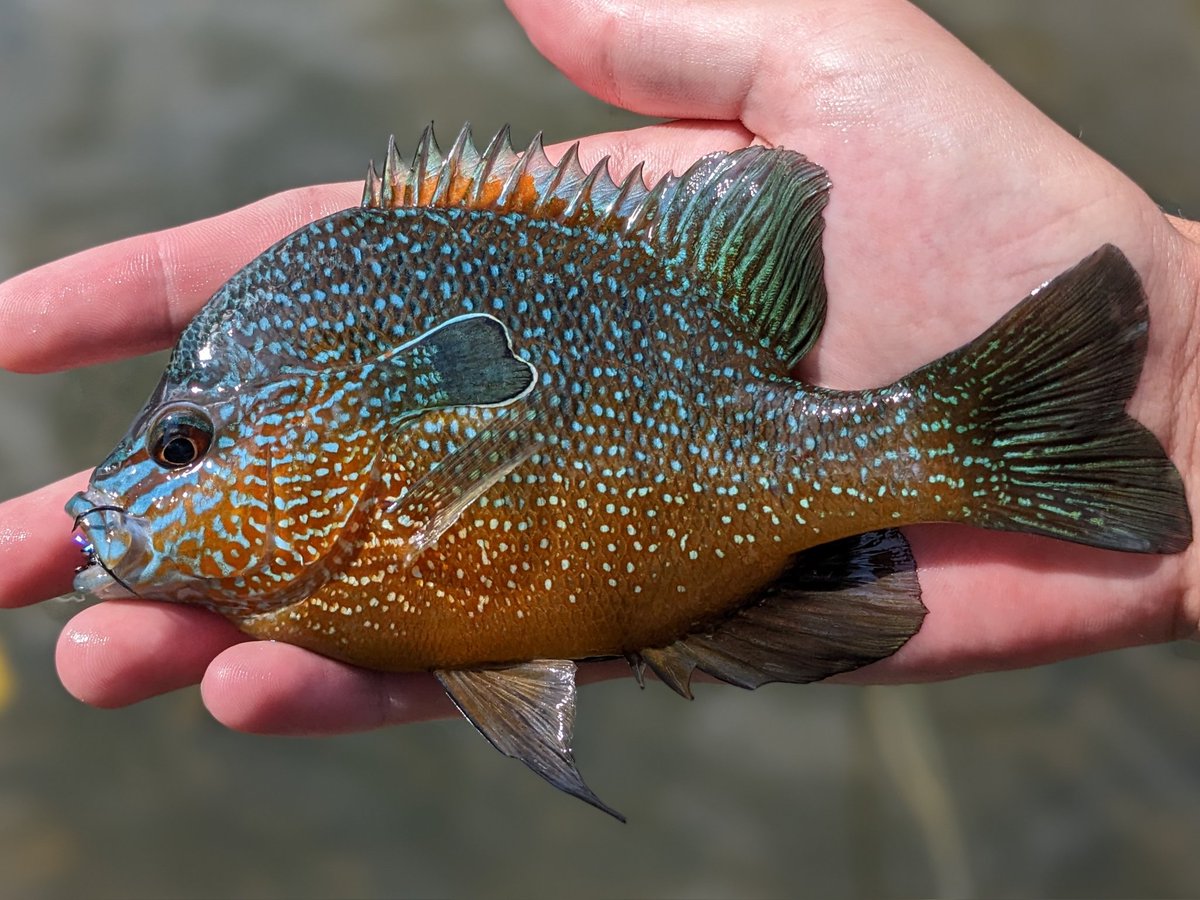
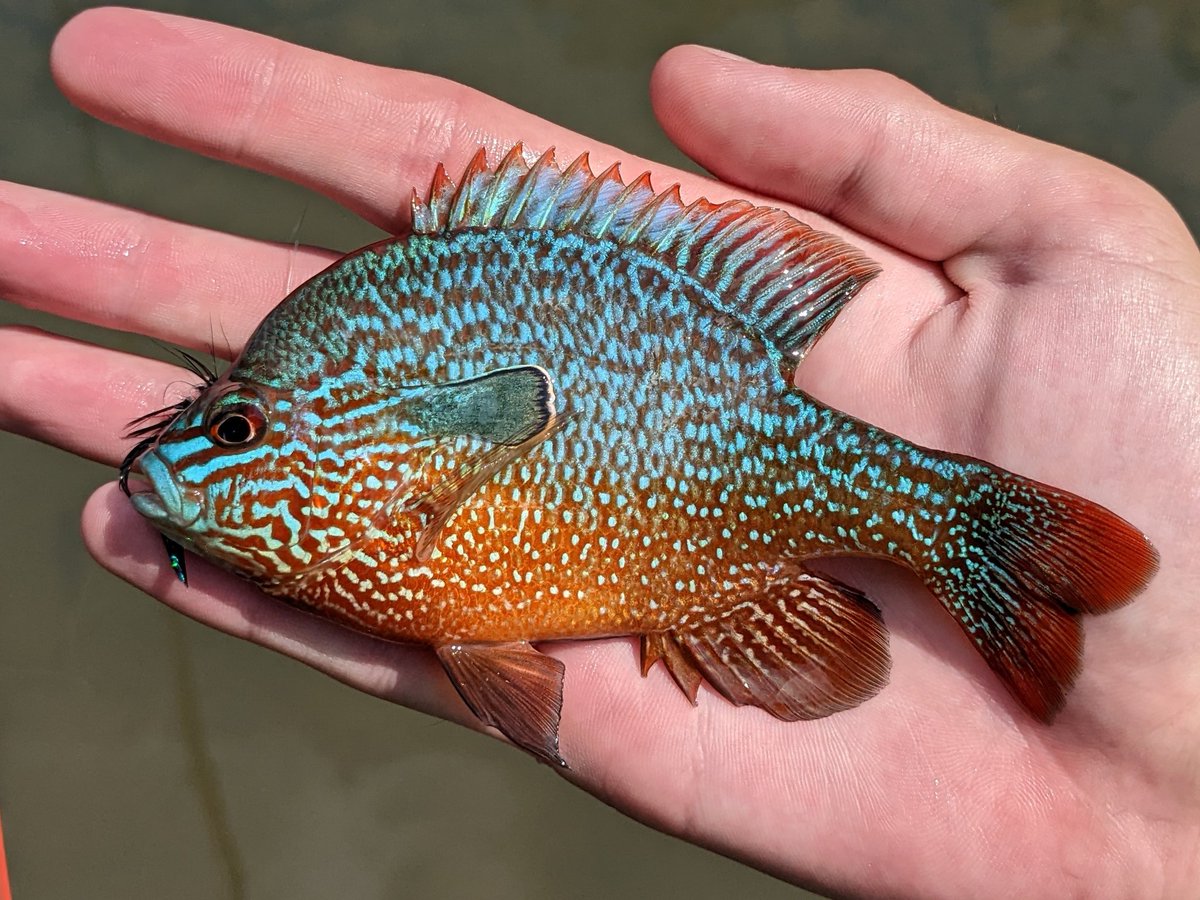
@eatguineapigs @Liebichthy Yes, this was in the correct drainage for L. sp. Ozark based on that paper and it displayed the distinct brick-red nuchal stripe. For now I use "Ozark Longear" for this form, "Plains Longear" for L. aquilensis, and "Little River Longear" for L. sp. Ouachita.