https://t.co/kEwdsiuOWi
We could be 1 or 2 steps away from the whole internet putting post-quantum security at top of priority list.. as clear and soon to be present danger. After ChatGPT wrongfooted half of tech last year... Glad one crypto team can handle it. #Algorand
🔥 NEWS: @Algorand was mentioned 32 times in @GoogleQuantumAI’s March 2026 post-quantum research paper, more than any blockchain outside Bitcoin and Ethereum, according to the project.
For comparison, Solana received 16 mentions, XRP 14, while Hedera and Avalanche had none. Algorand also supports Falcon post-quantum signatures and quantum-resistant smart contracts, having completed its first post-quantum cryptography transaction in 2025.
Tokenization of financial assets is well underway
But it's not just tokenizing traditional financial markets
Digital assets bring life to markets formerly unseen
$ALGO has been a perfect demonstration of this
And it's via Hypercube with tokenizing water credits
They're now doing so in two different nations with industry leaders and government backing.
Let's break down how this works:
Hypercube audits water facilities worldwide, remote n on-site thru appointed third parties, then connects flowmeters directly to their system via API.
Every cubic meter of reclaimed water gets registered on Algorand, which acts as the public immutable ledger for all of it.
1 cubic meter reclaimed = 1 $WTR token issued.
Since launching April 2024, Hypercube’s tokenized over 50 million cubic meters
Now here’s where it’s expanding.
UniCredit, the European banking giant, is now advising Hypercube on a European Water Credit Sandbox.
The goal is around examining whether these same verified water credits could support environmental-finance applications n even become the basis for new capital-markets instruments.
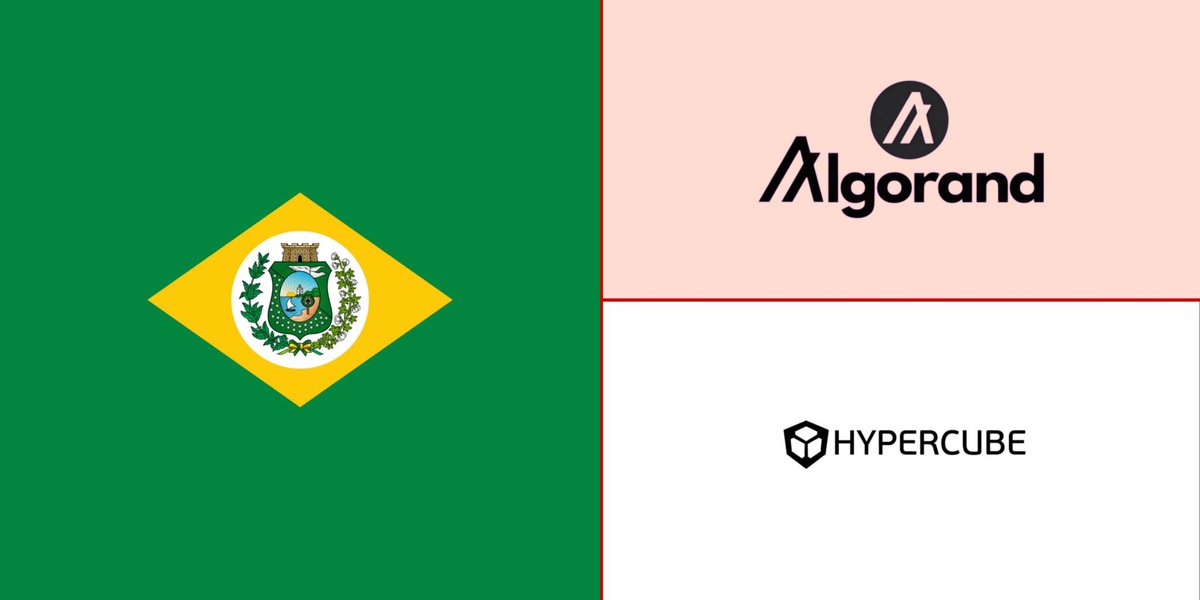
Brazil's government has also begun exploring this thru their state owned asset management firm.
CearaPar, the Ceará state asset-management company, signed on to bring Hypercube’s water credit model into the state.
–––––
Algorand has proven in multiple cases of how their utility can expand beyond traditional DLT use cases.
From tokenizing solar energy with Enel, to public tokenized IPOs with Exodus, to now tokenizing water across Brazil and Europe.
This is what RWAs looks like when it skips the hype cycle n goes straight to infrastructure.
Great to see Ethereum make post-quantum security a top priority. 🔐
At Algorand, we've been running PQ cryptography in production since 2022, with native PQ accounts now live on mainnet.
Always happy to share what we've learned and help out. 🤝
When AI breaks cryptography it makes headlines, but knowing which schemes AI has failed to break is how we build trust in them.
@Algorand CSO @ChrisPeikert makes the case that AI labs should publish their negative cryptanalysis results, too:
https://t.co/RTmjHCAMcl
BOOM💥💥 Google’s Quantum AI paper (March 2026) mentions Algorand 32 times more than any other blockchain and leading the way in post quantum security. #Algorand
NEW: @Algorand was mentioned 32 times in @GoogleQuantumAI's March 2026 post-quantum research paper, more than any blockchain outside Bitcoin and Ethereum, according to the project.
• Algorand: 32 mentions
• Solana: 16
• XRP: 14
• Hedera: 0
• Avalanche: 0
@Algorand already supports Falcon post-quantum signatures and quantum-resistant smart contracts, having executed its first post-quantum cryptography transaction in 2025.
Quick heads-up for Algorand node runners:
Please upgrade to algod v5.1.1. It improves efficiency, security, and reliability, and expands the foundation for post-quantum accounts.
If you're running Réti, update your node manager to v1.5.3 as well to fix epoch payout issues.
👇
“Microsoft’s Majorana 2 topological quantum processor achieves 1000× better qubit stability through a new lead-based material stack, enabling far more operations before errors and targeting useful quantum computing by 2029. Algorand is ready. $ALGO #PQC#Ai#Crypto”
We trust cryptography because serious attempts to break it keep failing.
As AI becomes one of the best attackers we have, @ChrisPeikert, Algorand's CSO, says those failed attempts should be public too.
Read his piece in @theindexsite 👇
https://t.co/aqn91vNsB8