OMFSM .. I'm a @AustAmFulbright Future Scholar!!! I can't wait to get over to the states next year to work with one of my idols, @natalie_hinkel!
The stars at night will definitely be big an bright in San Antonio 🤩
Drum roll please... 🥁
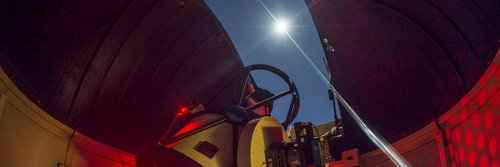
We are proud to announce #USQ astrophysicist @spacejayk is the recipient of a @AustAmFulbright Scholarship! 🚀
Jake will travel to @SwRI in San Antonio, #Texas next year as part of his #Fulbright project.
Details: https://t.co/7HF7P7pzxT
What kind of childhood makes a top scientist? Is it enough to have all the right traits (brilliance, grit, etc) or do you need the right family too?
And why should we care? A 🧵 on our paper on the Nobel Laureates.
A teaser: the income distribution of the laureates' fathers.1/N
GALAH DR4 is now public! 10 years of observations, 995 nights (incl. rainy/snowy/cloudy ones), 32 elements (incl. nitrogen), 0.92 Mio. stars, 1.09 Mio. spectra, thanks to an amazing group of observers, engineers, and astronomers. Paper: https://t.co/ns5LWbJ88h with links to data.
@fringetracker@upulie I think most science communication from tertiary institutions and academics isn't well contextualised around the individual needs and wants of the audience they're trying to serve. Let alone understanding what the "need' or "want" from that audience actually is
Hi @Coles I’m Dr Kit, native bee expert. My PhD research was on #beehotels, and I have published numerous articles both in journals and for the public, including being featured on Gardening Australia. These are terribly designed. 1/
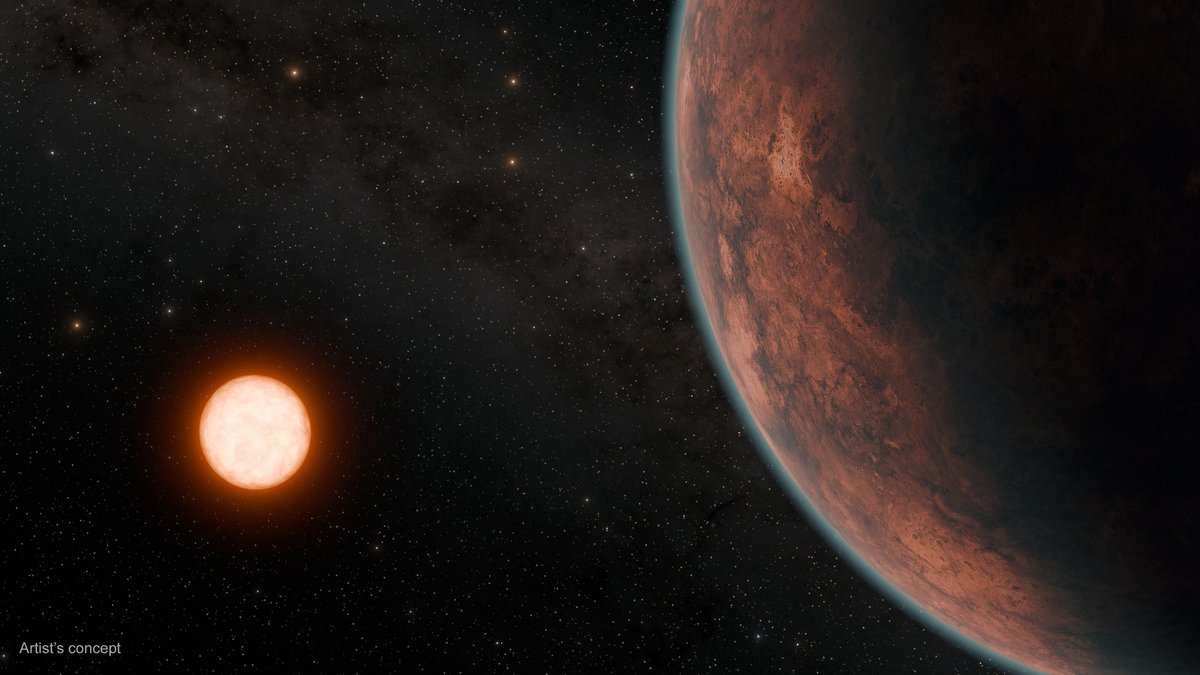
Happy to announce the publication of Gliese 12 b, an Earth-sized, temperate planet only 40 lightyears away! This is an excellent target for future studies to examine the atmospheres of temperate, rocky planets.
@thejholloway Here's some amazing resources which @ARC_ASTRO3D developed and utilised to bring 50:50 balance into their centre 💜✊️
https://t.co/uv10dSl76w