Only one chance in this lifetime…
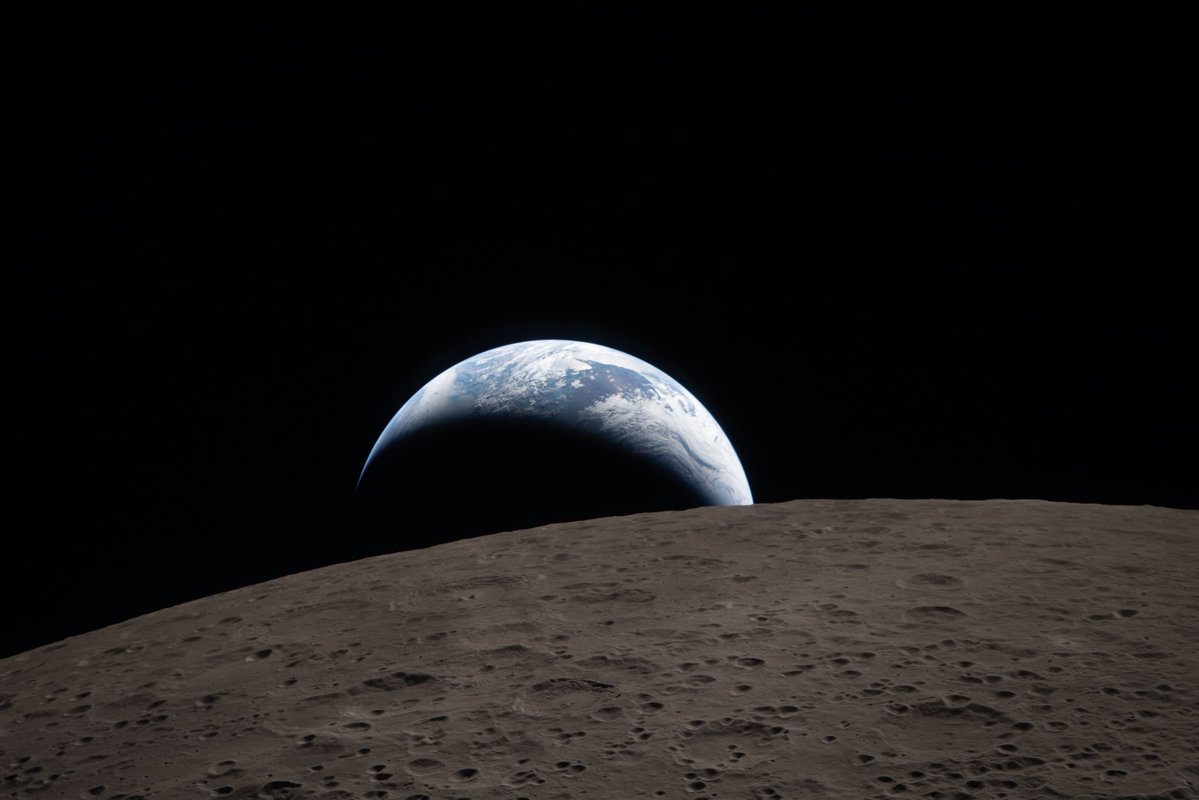
Like watching sunset at the beach from the most foreign seat in the cosmos, I couldn’t resist a cell phone video of Earthset. You can hear the shutter on the Nikon as @Astro_Christina is hammering away on 3-shot brackets and capturing those exceptional Earthset photos through the 400mm lens. @AstroVicGlover was in window 3 watching with @Astro_Jeremy next to him.
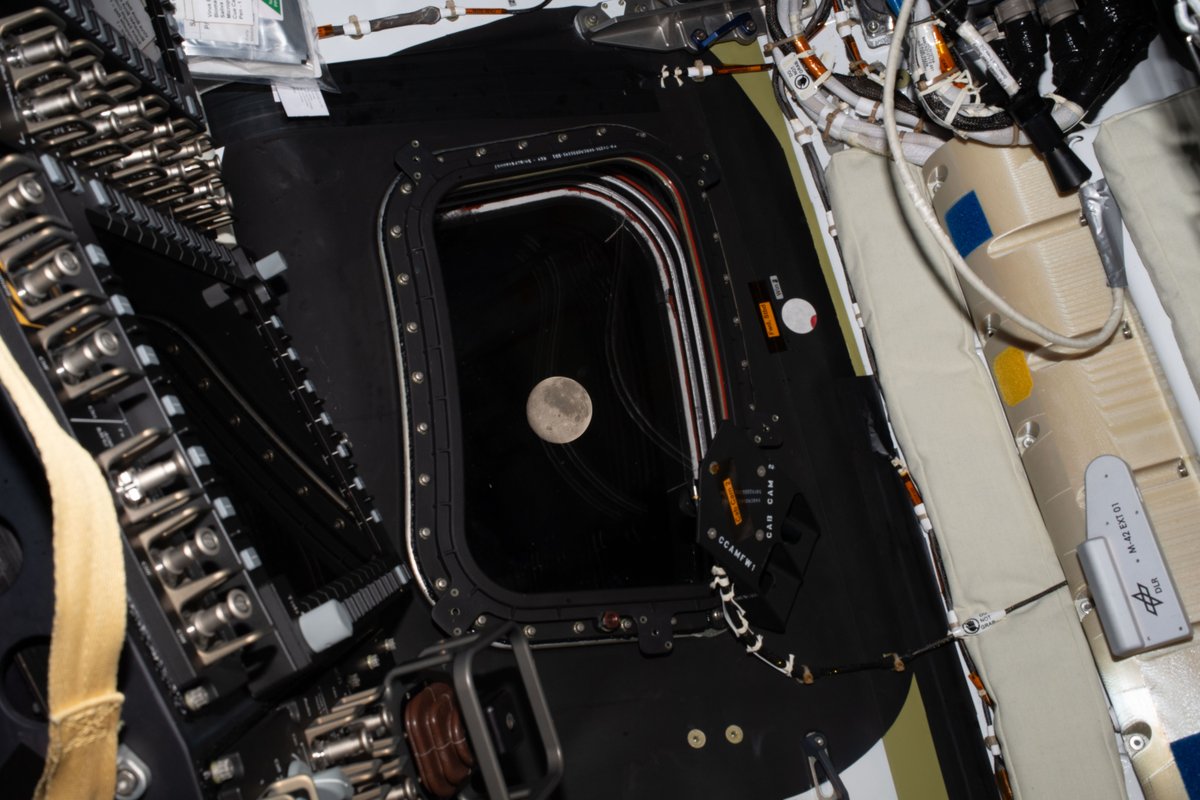
I could barely see the Moon through the docking hatch window but the iPhone was the perfect size to catch the view…this is uncropped, uncut with 8x zoom which is quite comparable to the view of the human eye. Enjoy.
We're still feeling the Moon joy! 🌙✨ The Artemis II crew brought us unforgettable moments as they journeyed around the Moon and NASA continues to release images from the mission. See them all in one place here: https://t.co/w6KtMzqYbf
📸: NASA
And everything under the Sun is in tune 🎶
This image from the eclipse during the Artemis II lunar flyby captures a halo of light around the Moon. Scientists are still investigating if the glow comes from interstellar dust or the solar corona.
EARTHSET.
April 6, 2026.
Humanity, from the other side. First photo from the far side of the Moon. Captured from Orion as Earth dips beyond the lunar horizon. Photo: NASA
THE ARTEMIS II ECLIPSE.
April 6, 2026.
Totality, beyond Earth. From lunar orbit, the Moon eclipses the Sun, revealing a view few in human history have ever witnessed. Photo: NASA
We're going farther than ever before 🚀
Today, the Artemis II crew will break the record for how far humans have traveled from Earth as they fly around the far side of the Moon.
Coverage begins at 1 p.m. EDT (1700 UTC). Watch Artemis II make history: https://t.co/G7LpghURjg
Sweet dreams, @NASAArtemis II crew.
One last look at the Moon before flight day six and your epic lunar flyby, taking you farther into space than humans have EVER traveled.
✅#Artemis II update: end of Flight Day 2, Orion is moving at 5632 km/h, 183 936 km from Earth and 244 298 km from the Moon. Taken by a camera on one of the European Service Module's solar arrays, the Moon at 250 735 km distance (pic: NASA). Graphic from https://t.co/ui4ffrxn1q
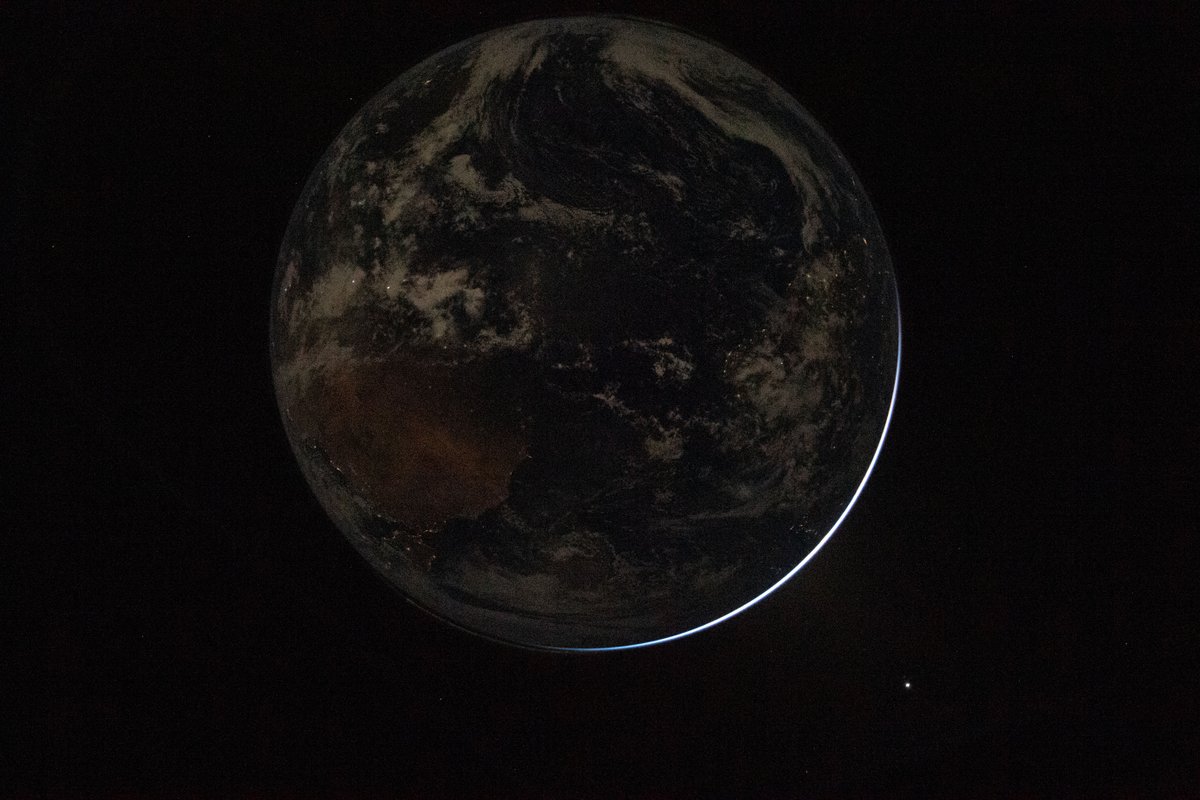
Even in darkness, we glow.
In this image of Earth taken by the Artemis II crew, we can see the electric lights of human activity. In the lower right, sunlight illuminates the limb of the planet.
Good morning, world! 🌎
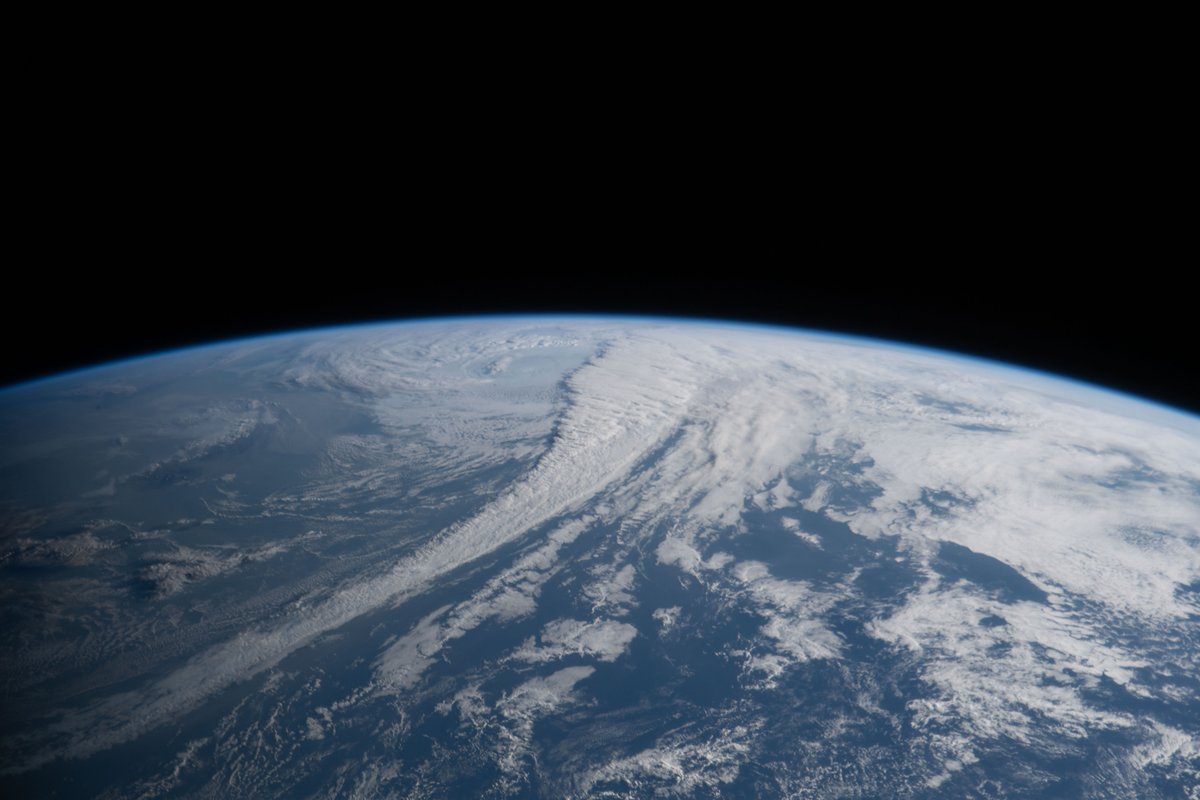
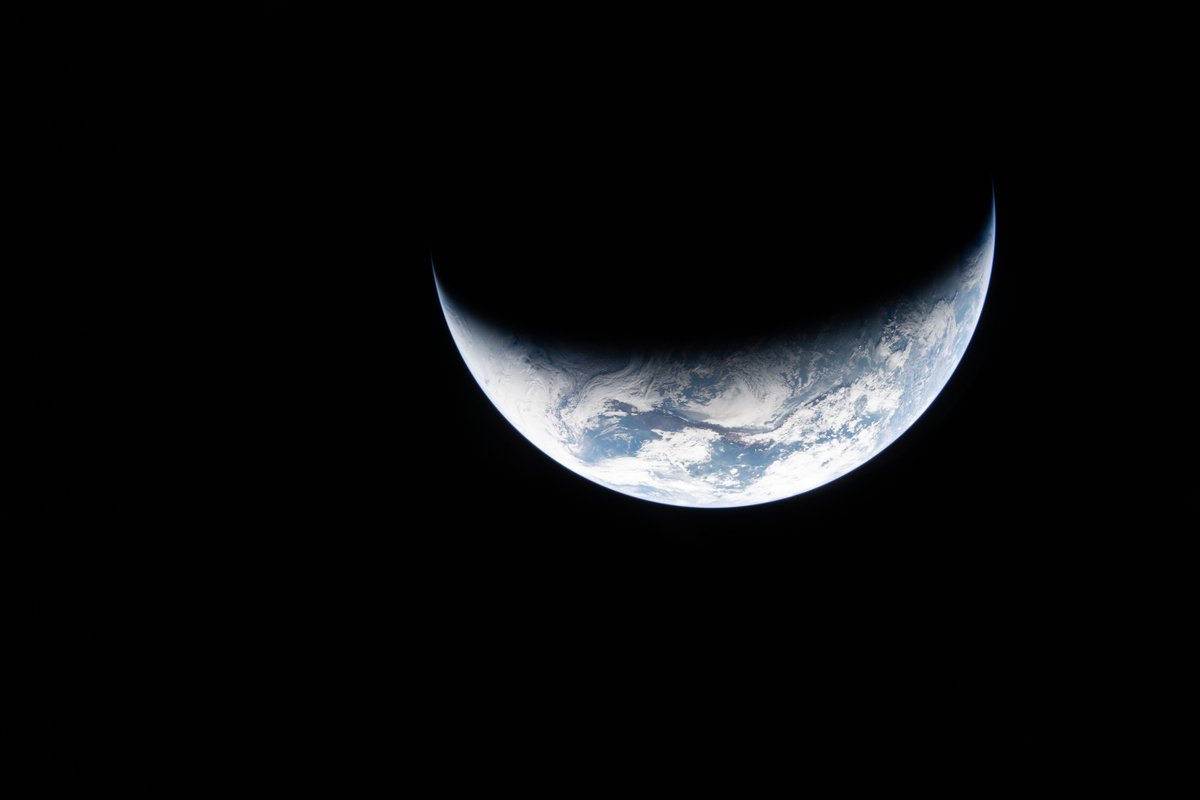
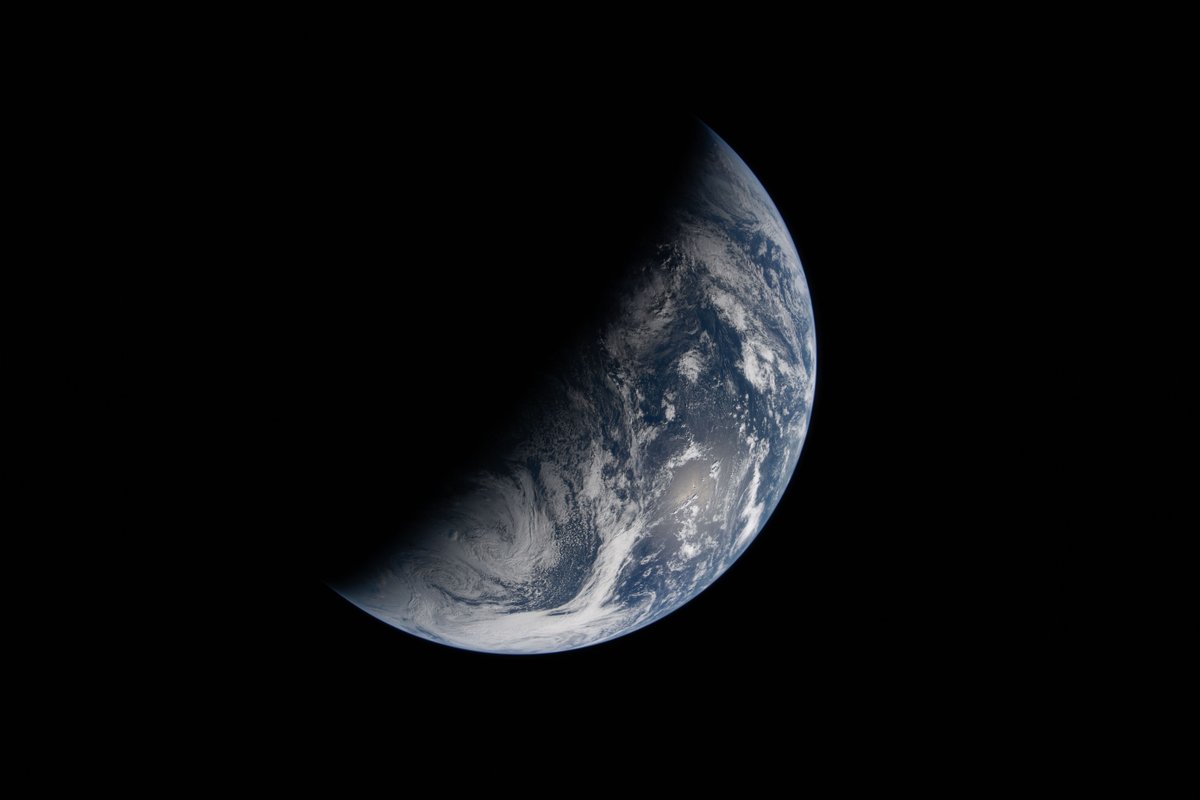
We have spectacular new high-resolution images of our home planet, all of us looking back through the Orion capsule window at our Artemis II astronauts as they continue their journey to the Moon.
Let's roll! 🚀
NASA’s SLS rocket and Orion spacecraft for the @NASAArtemis II mission are making their way to Launch Pad 39B. The overnight journey is expected to take up to 12 hours.
https://t.co/JoIOVpXagV