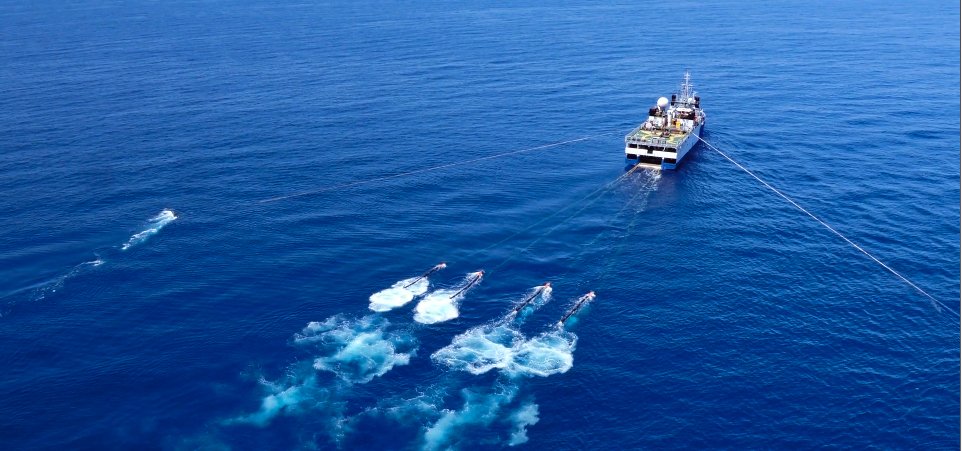
New paper from our team using eDNA metabarcoding to assess potential impacts from a seismic survey on a tropical fish community https://t.co/S3yOoySeV8 @aims_gov_au@CMST_oceans@IMASUTAS@uwaoceans @WAFishResearch 🧬🐟🐠🧬🐟🐠🧬
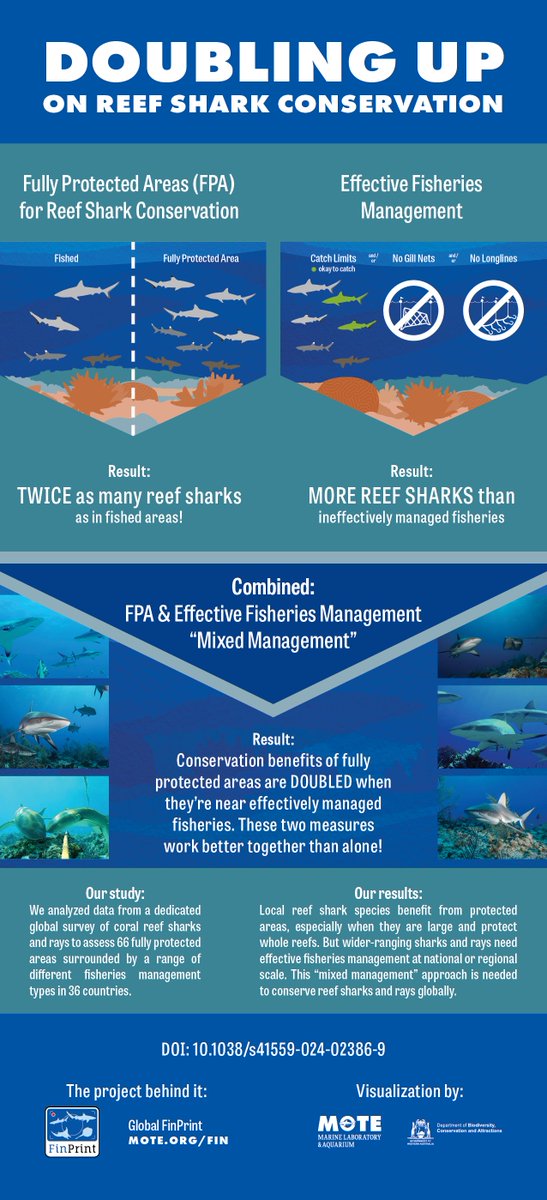
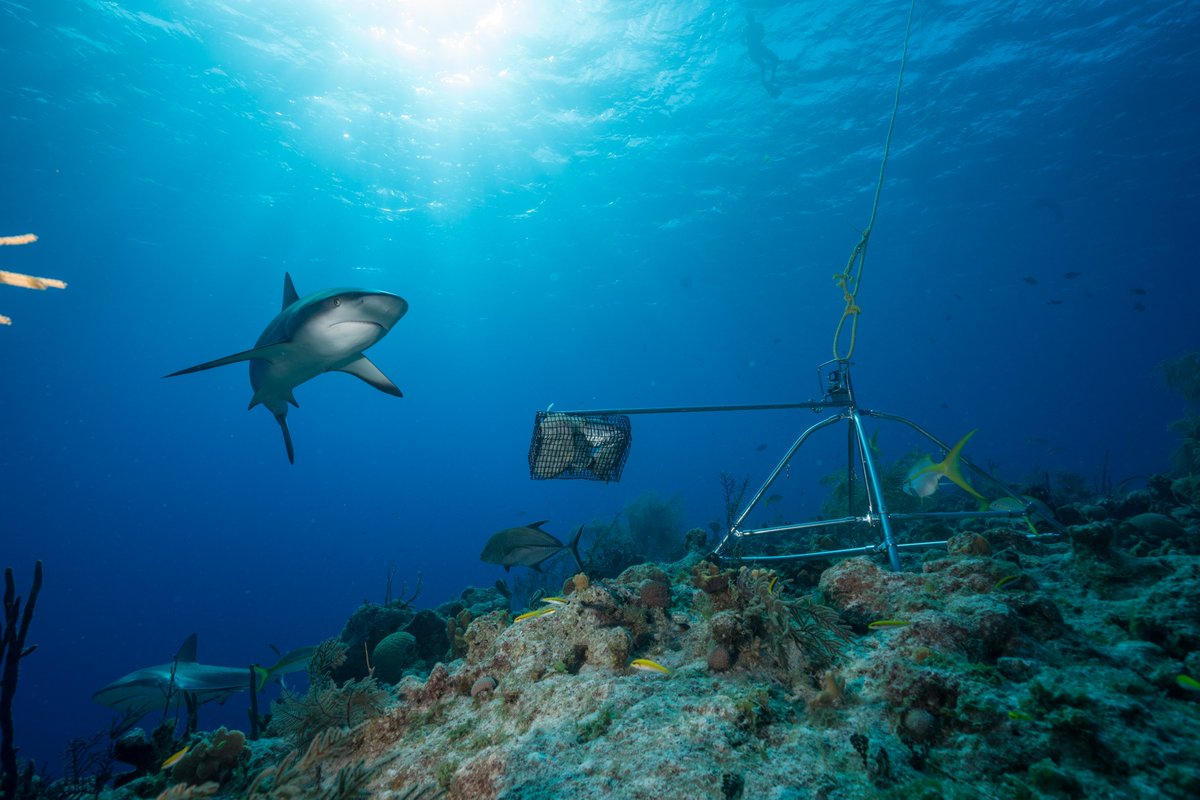
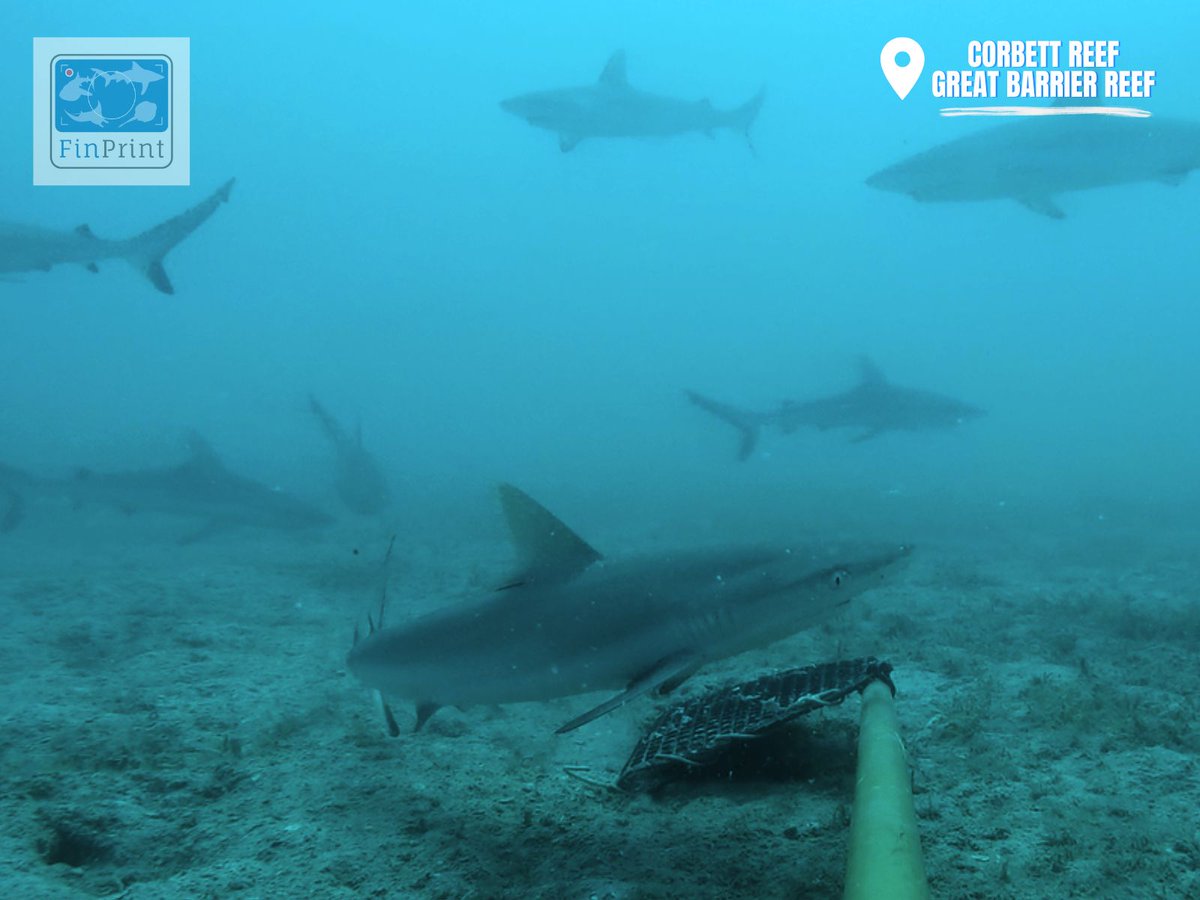
New paper: Fully protected areas that are large and cover whole reefs provide conservation benefits for reef sharks🦈 Benefits DOUBLE when embedded within areas of effective fisheries management‼️
This "mixed management" approach boosts global conservation of elasmobranchs🦈
The @globalfinprint study found populations of #sharks & rays on Australian coral reefs are faring better than the same species on reefs where there is less protection from fishing.
Learn more: https://t.co/DK7iesptkQ
Study led by @SharkColin & supported by @PGAFamilyFdn
New study finds 5 main #shark species that live on coral reefs have declined globally by an average of 63%, overfishing the main driver.
Published in @ScienceMagazine AIMS co-authored the @globalfintprint study led by @SharkColin
🔗DOI: 10.1126/science.ade4884
@PGAFamilyFdn
My third PhD chapter is out! 🧬 We applied 18S to characterize the diversity of Ningaloo Reef 🪸 and recovered strong patterns of community dissimilarity across adjacent reef zones with eDNA. Check it out 👇🏼
https://t.co/LJAzInRpML
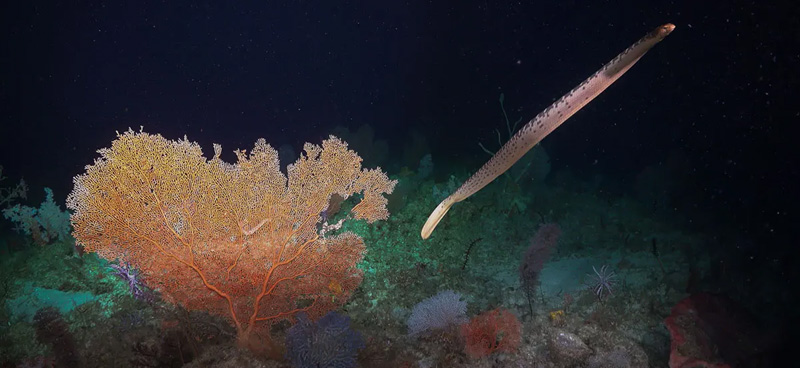
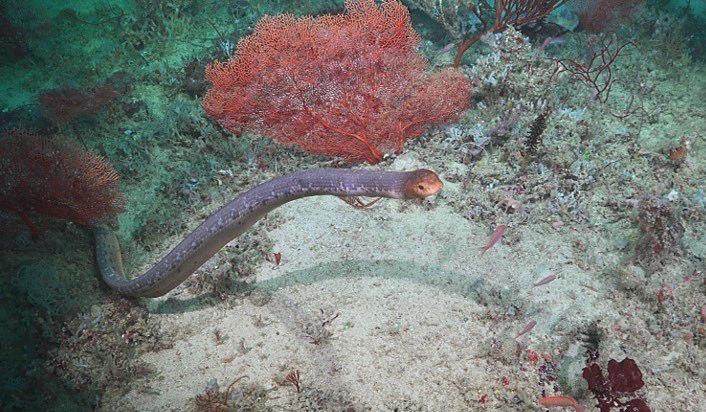
Elusive #seasnakes at Ashmore Reef have been found hiding in the deep!
Video surveys in the mesophotic zone recorded 5️⃣ species not reported in shallow waters for a decade.
🔗More: https://t.co/xezDnS6mDr
Research authors incl @SpeedConrad@NeridaWilson
📸@SchmidtOcean
New paper from our group documenting sea snakes in the mesophotic zone, some of which have been unseen in the shallow waters of Ashmore Reef for decades https://t.co/bAhlGvg4rl @aims_gov_au@SchmidtOcean@wamuseum@CurtinUni@uwaoceans
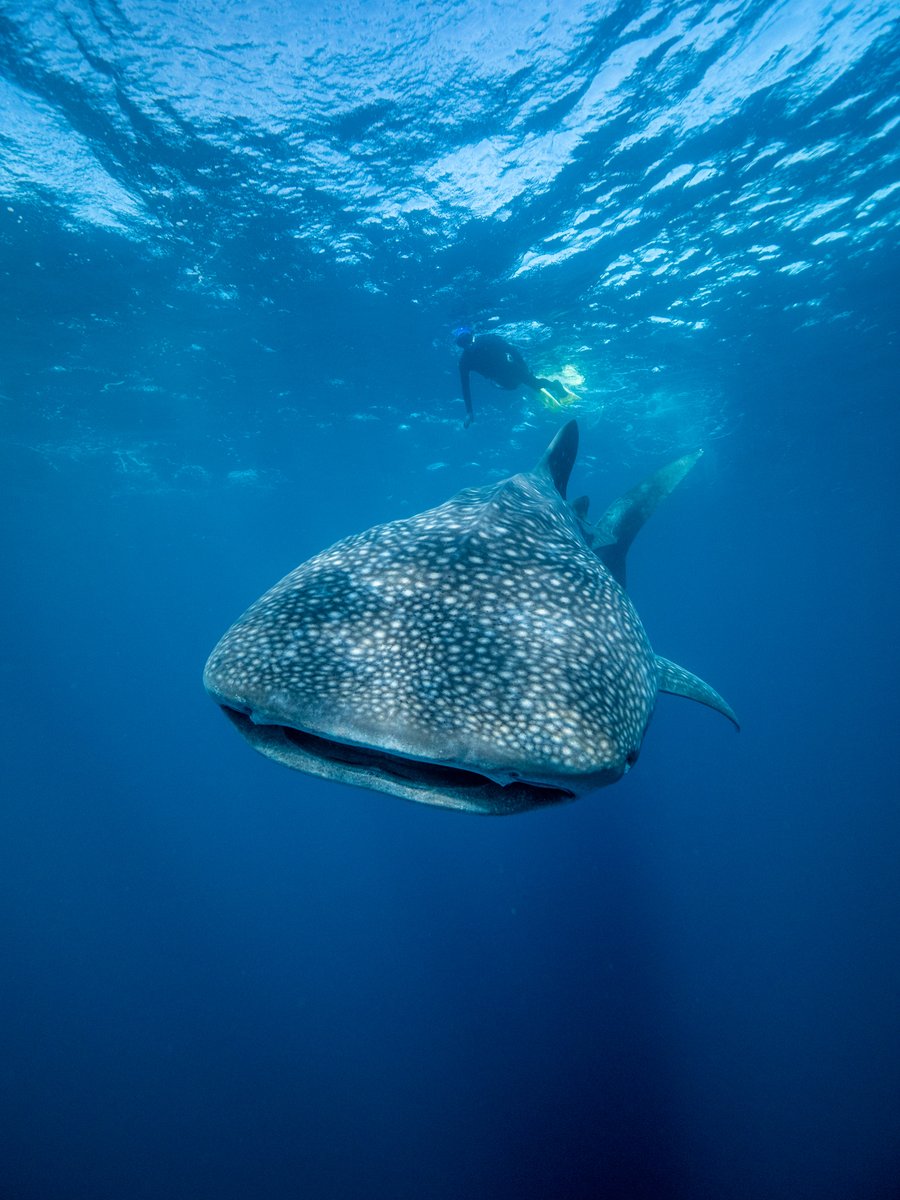
Time to rethink what we thought we knew about whale sharks - they don't just eat zooplankton and small fish. Floating algae is also part of the diet making them the largest omnivore on the planet since the dinosaurs: https://t.co/I3FHDPr7dc
Photo credit: Andre Rerekura
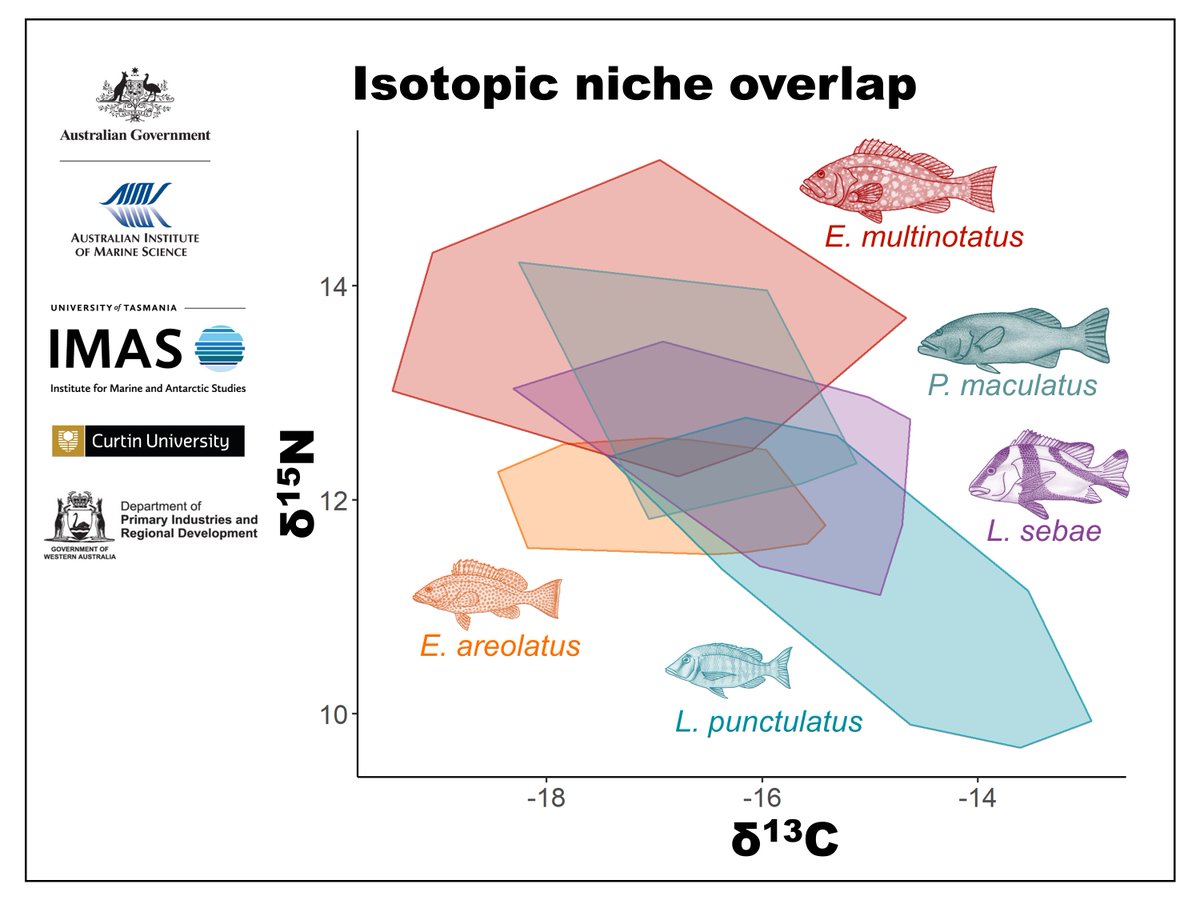
Here's the latest paper from our group describing the trophic ecology of commercially important predatory fish species in northwestern Australia using gut content and stable isotopes @aims_gov_au@IMASUTAS@uwaoceans @FisheriesWA @CMST_oceans: https://t.co/Hvba3ZsOiY
Just out today in PNAS. Our new study:
A large-scale experiment finds no evidence that a seismic survey impacts a demersal fish fauna https://t.co/TdbCFYZ4IB
@aims_gov_au@CurtinUni@UTAS_ Photo: Nick Thake