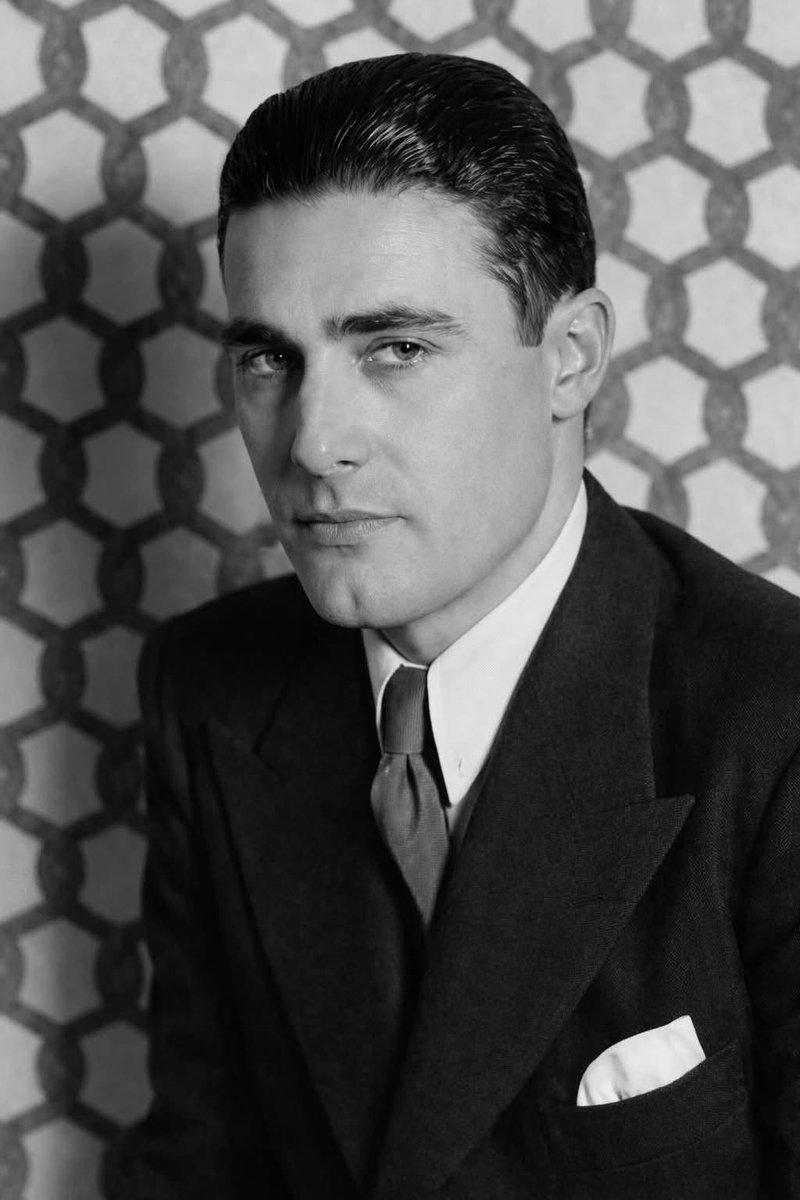
In 1942, a drunk German officer sat at dinner and bragged about the Jewish woman he had selected from the brothel the Nazis had forced open in town. He said her name out loud. The Tunisian Arab sitting across from him stayed calm, smiled, poured more wine, and finished the meal. Then he drove the officer home, sped through the dark streets, and knocked on a door close to midnight. That night, he hid 25 people for four months. He never spoke about it again.
His name was Khaled Abdul-Wahab. He was 31 years old, a wealthy Muslim Tunisian who had studied art and architecture in New York and spoke fluent German. Nazi officers trusted him. They invited him to their dinners.
Tunisia was the only Arab country directly occupied by Nazi Germany during the war. Jewish families were pushed from their homes. More than 5,000 Jewish men were sent to forced labor camps. Yellow stars marked every chest.
That December night in the coastal town of Mahdia, Khaled listened as the officer boasted. The woman he named belonged to a family Khaled had known all his life.
He left immediately. He drove through the night. He knocked on their door at midnight.
Pack nothing. Come now.
He gathered 25 people — mothers, fathers, cousins, and children — and drove them nearly 20 miles to his family farm, hiding them inside the olive press, stables, and storage buildings.
This was not one brave act. It was four straight months of courage.
He fed them while supplies grew scarce. He kept babies quiet. He trusted his servants to stay silent. When German soldiers arrived to count Jewish families, the hidden people pinned yellow stars onto their clothes and stood motionless. When the soldiers left, the stars came off again.
One night, a drunken soldier wandered onto the farm and discovered them. An eleven-year-old girl hiding under a bed watched him laugh and threaten to kill everyone there. Then Khaled appeared. She remembered him her entire life as a guardian angel. He calmly walked the soldier outside, took away his weapon, and sent him off the property.
Nobody on that farm died.
In May 1943, British forces liberated Tunisia. All 25 people returned home alive.
Khaled went back to a quiet life. He married, raised daughters, painted, and worked in government service.
He never told anyone what he had done. Not his wife. Not his children. No one.
He died on September 4, 1997, at the age of 86. His story was buried with him.
Ten years later, his daughter Faiza was sitting in a café in Paris reading a Sunday newspaper when she came across an interview with an American historian describing a Tunisian Arab who had hidden 25 Jews in 1942.
The historian mentioned her father by name.
She was 45 years old and had never heard the story before.
She contacted the historian. One of the children saved on the farm had left behind 83 pages of testimony before her death. Every detail matched.
“I rediscovered my father,” Faiza later said.
Khaled was nominated for Israel’s highest honor given to non-Jews who saved Jewish lives. He would have been the first Arab to receive it.
The committee declined, saying he had not risked his own life enough.
Faiza answered with a line history should never forget:
“My father opened his home to Jews. They did not open theirs to us.”
Today, the 25 people Khaled saved have hundreds of descendants living across Israel, France, America, and Tunisia. The little girl hidden beneath the bed grew up, moved to Paris, and built a family of her own. None of them would exist if Khaled had stayed silent that night.
He had everything to lose. He acted anyway. Then he spent the rest of his life saying nothing about it.
The world nearly forgot him twice. Now you know his name.
I’ve had a number of messages asking to comment on the Lear crash. I’ve learned who the crew was, I did not know them, but I’m going to give them the respect and reverence they should be given. They were two young pilots out there doing what they loved to do.
I also agree with everything Adam is saying here. I’m sick of the constant flow of negativity every time a female or minority is involved in an accident or incident. It’s too bad people are allowed to hide behind anonymous usernames.
The Learjet 60 that crashed in Palm Beach County today went from 35,000 ft to the ground in 76 seconds.
I rebuilt the last 3 minutes in 4D from ADS-B, ATC audio, a NEXRAD analysis and dashcam video, then ran the engineering. Here's what the data says, and what it doesn't. 🧵
BREAKING: Europe is under a massive widespread cyber attack right now Sweden, Belgium, Luxembourg, Estonia, Ireland the Netherlands and just now Finland are all experiencing disruptions to supermarket refrigeration systems causing food to go off.
The attack is spreading...
BREAKING: Ukraine has carried out the world’s first medical evacuation of a human via a drone from the battlefield the 30th mechanised brigade of Ukraine managed to save their injured comrade from a minefield.
Just absolutely insane.
Mission S.
Authentic. Consistent. Timeless.
A glimpse into the future - shaped by our heritage. Mid-engine architecture. A focus on the driver and the driving experience.
Call it a love letter.
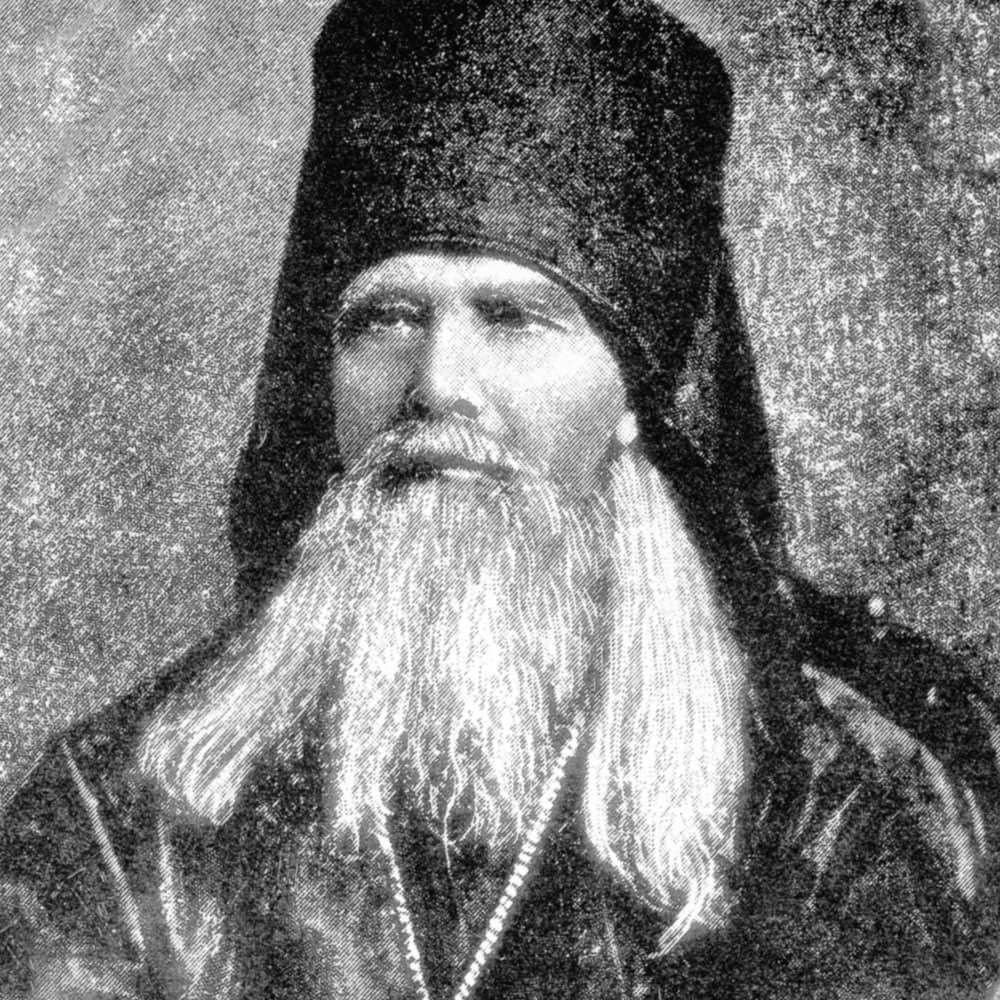
“If you examine your life well, you will find many instances when God showed His unmistakable mercy to you. Trouble was brewing, but it passed you by for some reason. God delivered you. Acknowledge these and thank God, Who loves you.”
- St. Theophan the Recluse
⚠️BREAKING NEW IMAGES OF FLASH FLOODING: Bob Bissit shared videos with KUTV showing catastrophic flooding and debris flows moving through the Grove neighborhood of Beaver after the National Weather Service issued a Flash Flood Emergency on Sunday afternoon.
#utah#cottonwoodfire #flashflood #utwx
The Beaver County early warning camera network captured heavy flood waters flowing through the Beaver River Channel before it went offline on Sunday.
Read full story: https://t.co/B76cztReEh
A hiker came around a blind corner on a trail at Brooks Falls in Katmai National Park Alaska and found herself face to face with Bear 909 - one of the most well known Alaskan Coastal Brown Bears in the park - along with her two cubs.
Instead of panicking she stepped off the trail about 12 to 15 feet, stopped when the terrain ran out, stayed calm, used one voice, and let the bears pass.
That is textbook bear encounter protocol and she executed it perfectly under pressure that would have most people completely frozen. The bears at Brooks are habituated to humans and have a high tolerance because of the salmon food source in the area but they are still wild animals that can turn defensive in a split second if they feel threatened. The number one rule - never run.
Running triggers the predatory instinct and at that point the encounter changes completely. Always carry bear spray and know how to use it before you ever set foot in bear country.
Could you remain that calm in that moment?