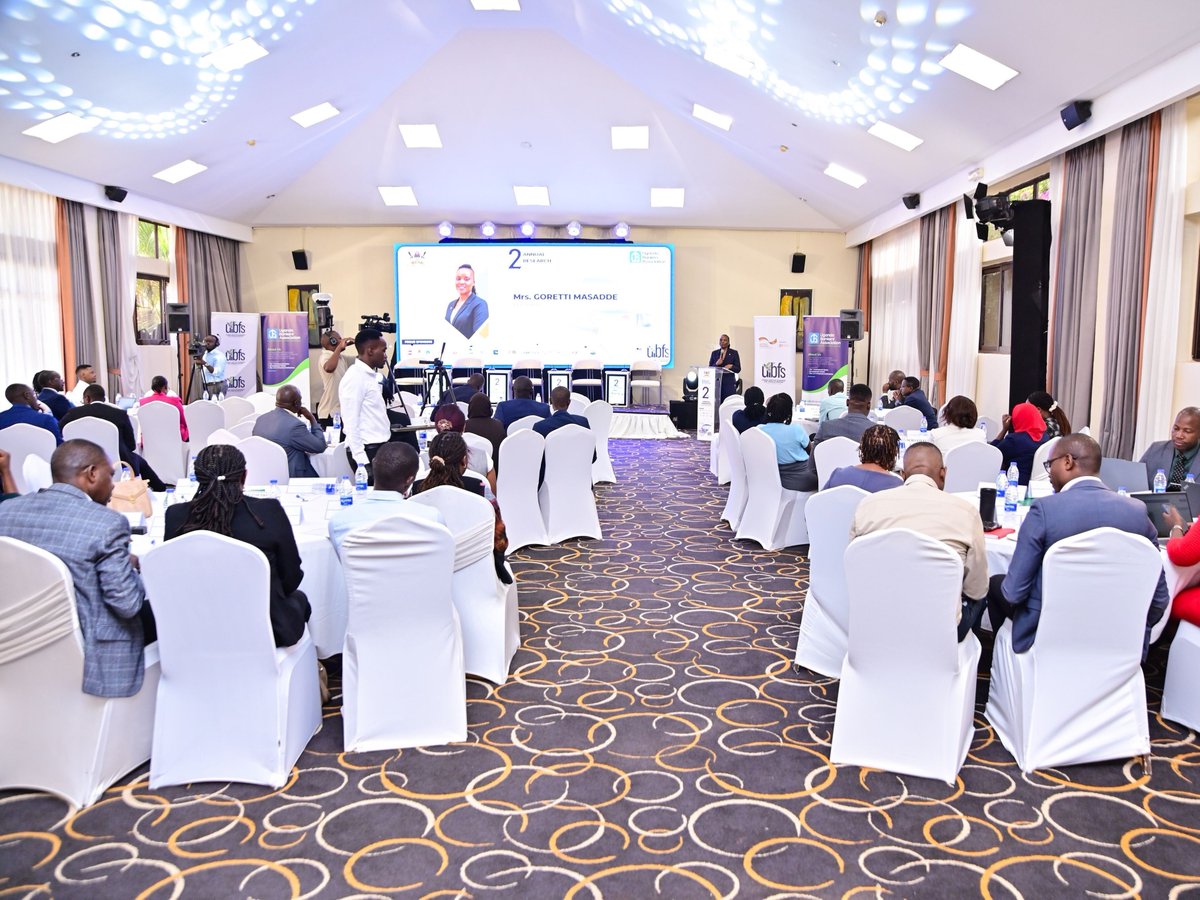
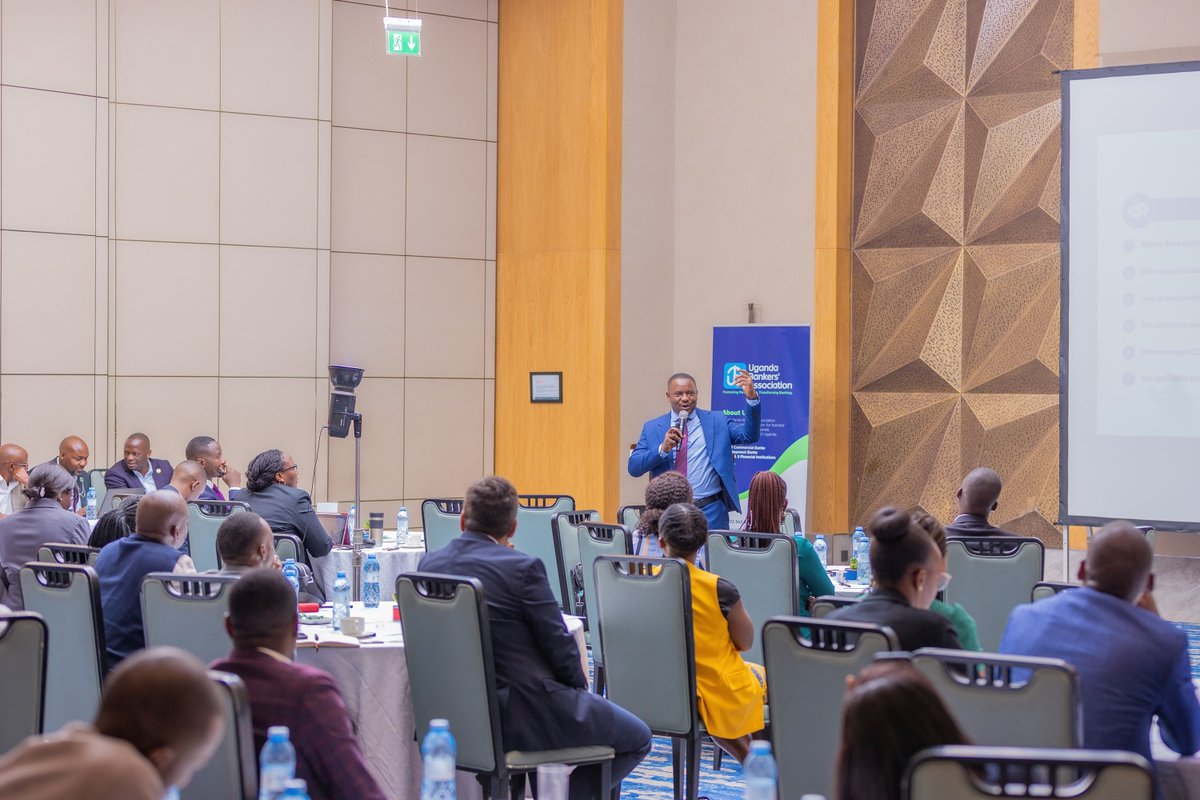
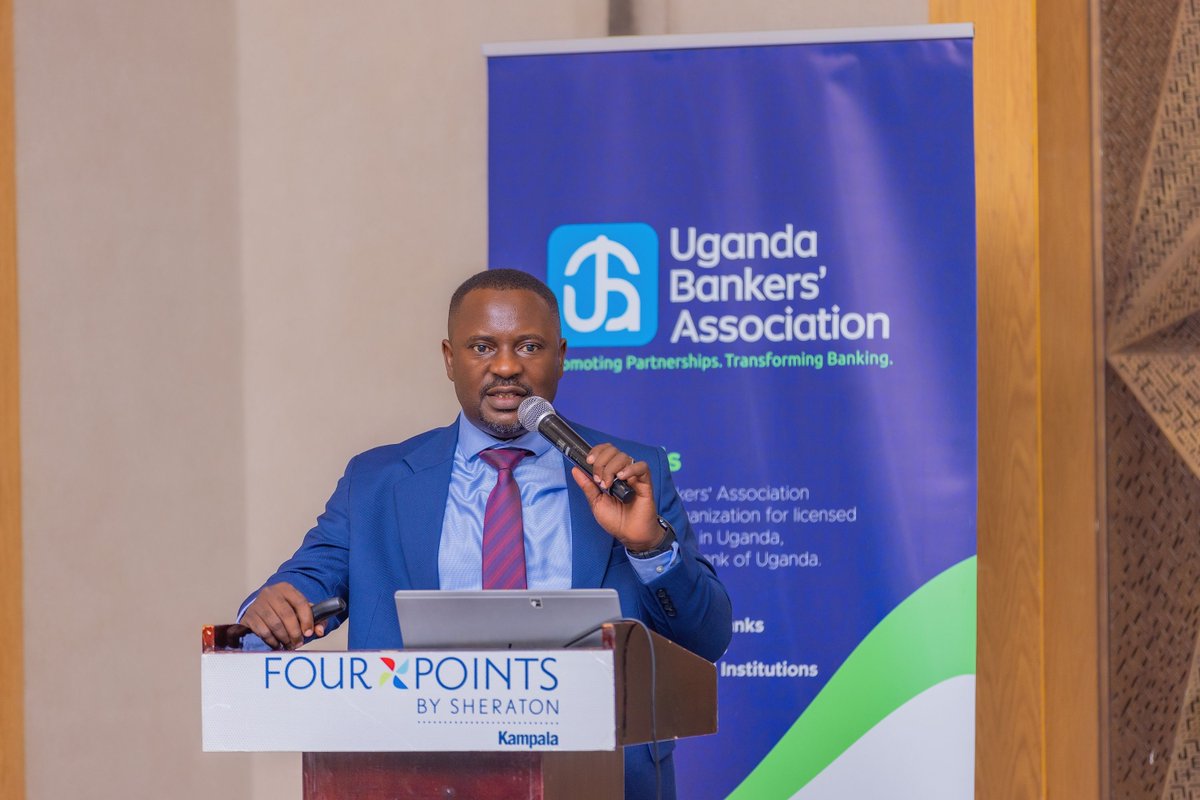
Uganda's private sector credit currently stands at approximately 12.4% of GDP, among the lowest ratios in East Africa. Only 70,010 registered entities access credit from banks, against the 437,000 needed to absorb the credit levels our tenfold growth ambition requires.
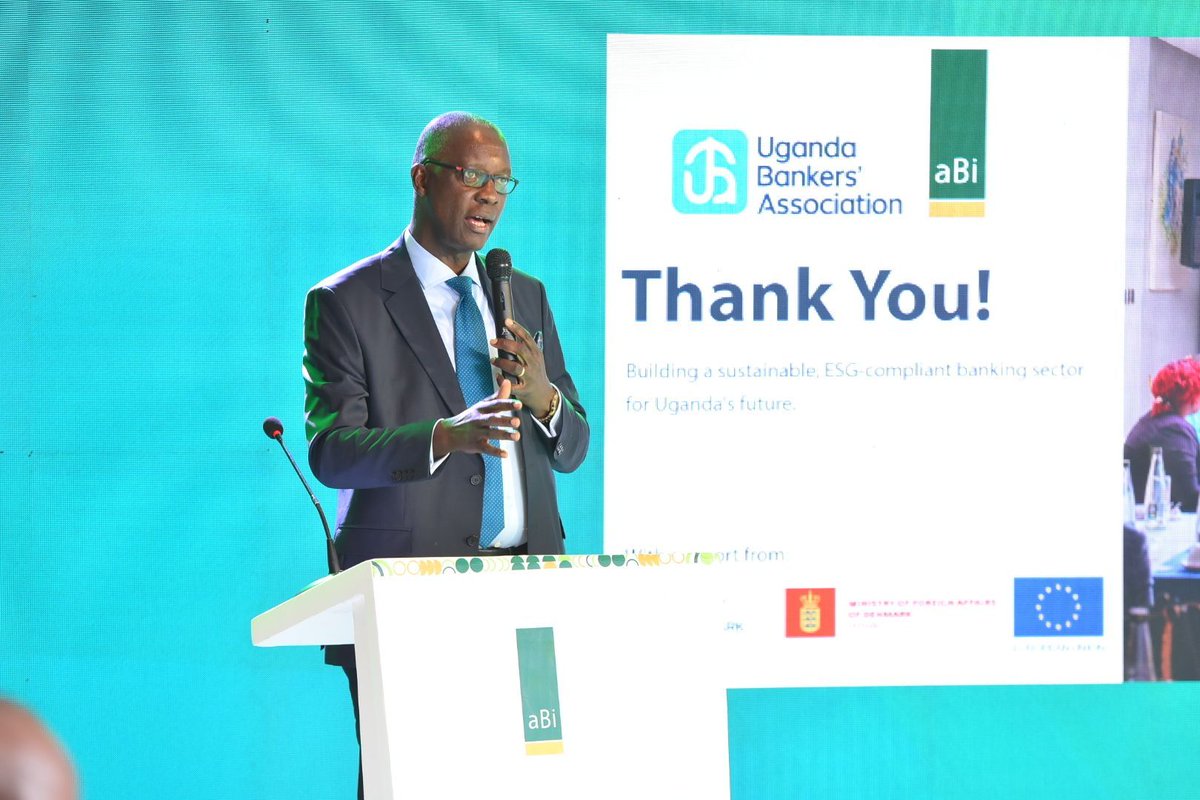
These were the figures our Executive Director, Mr. Wilbrod Humphreys Owor, presented as the 2nd Annual Research Conference opened today, Thursday 20th August 2026, at Protea Hotel Kampala, hosted in partnership with the Uganda Institute of Banking and Financial Services (UIBFS) and Makerere University's College of Business and Management Sciences (CoBAMS).
In his opening remarks, he framed the scale of what the sector has committed to, which is expanding private sector credit from roughly UGX 26 trillion today to UGX 490 trillion by 2040, in line with the national ambition to grow Uganda's economy from USD 50 billion to USD 500 billion.
But he was clear that the challenge runs deeper than volume.
"Many Medium Enterprises, the segment best equipped to absorb productive credit at scale, remain a narrow slice of the market. Our challenge is not merely to expand credit, but to expand the universe of bankable entities itself."
That reframing sets the agenda. Collateral valuation, dispute resolution, movable assets tracking, and data quality and reliability are not minor issues. Each one is a research question creating a barrier standing between the banking sector and the growth it has committed to deliver.
He closed with a direct call to the researchers and scholars in the room.
"We need research that tests our industry assumptions, stress tests our reform proposals, and equips us with the hard data required to design, scale, and diversify the financial solutions we bring to policymakers."
Day One runs under the theme "Navigating Credit Risk in the Digital Transformation Era," with sessions on artificial intelligence in credit scoring, alternative data credit systems, fraud and hidden non-performing loans, embedding ESG into credit risk models, and climate risk assessment.
Evidence. Insight. Impact!
#ResearchConference2026 | #TenFoldGrowth | #PromotingPartnerships | #TransformingBanking
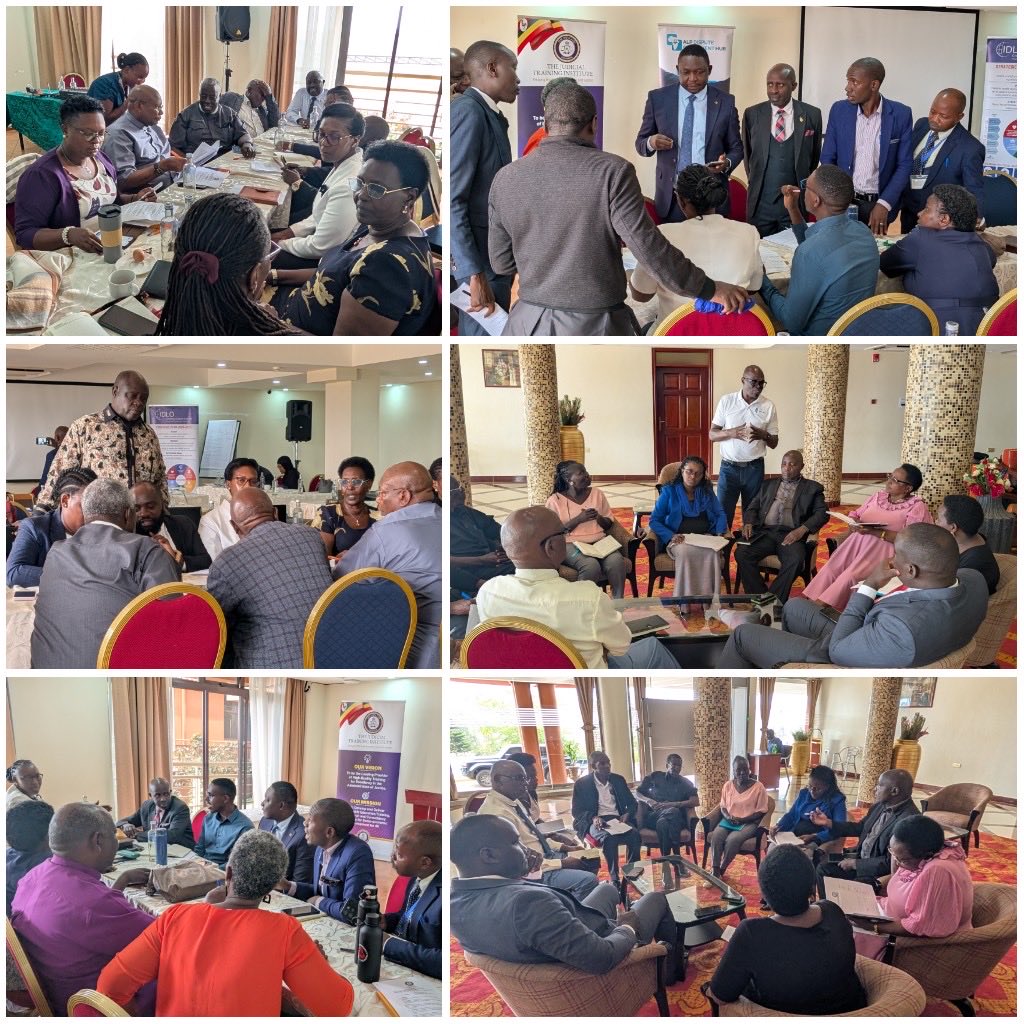
Mediators undergoing specialised training in Mbarara have been urged to facilitate negotiations without imposing solutions on parties, as the Cluster One training entered its fourth day at Hotel Triangle, Mbarara.
The training is being conducted by the Judicial Training Institute (JTI) with funding from the @IDLO International Development Law Organization and the @NLinUganda.
Facilitating a session on negotiation in mediation, IDLO Country Director, Ms Barbra Kilei, emphasised the importance of empowering parties to explore options and ultimately take ownership of the solutions reached during mediation.
She reminded participants that the role of a mediator is not to negotiate on behalf of the parties or determine the outcome, but to facilitate a conversation that enables them to identify and evaluate possible solutions.
“We are mediating; we are not the ones negotiating. We are guiding and helping people see the different options they have; we are not coming to decree,” Ms Kilei said.
She stressed that a mediator is not a judge, but a facilitator whose responsibility is to create an environment in which parties can communicate, negotiate and develop solutions to their dispute.
Ms Kilei also guided participants on managing individuals whose conduct may undermine the mediation process, encouraging mediators to identify and appropriately manage such risks to ensure productive engagement between the parties.
The participants began the day with a review of the previous day’s work before undertaking a technical deconstruction of the lessons and practical exercises covered.
They were subsequently introduced to integrative bargaining and value creation, with emphasis on helping parties move away from rigid and competitive bargaining positions towards mutually beneficial outcomes.
The sessions explored how mediators can help parties identify interests beyond their initial demands and develop creative settlement options, including non-monetary trade-offs and innovative commercial solutions.
The approach encourages parties to look beyond the traditional idea that one side must lose for the other to gain and instead identify areas where both sides can derive value from a settlement.
Participants were also trained in the mechanics of settlement agreements, with particular attention to translating verbal understandings reached during mediation into clear and enforceable commitments.
The training highlighted the importance of precision in drafting settlement terms to minimise the possibility of fresh disagreements arising from ambiguity.
Participants were guided on incorporating clear obligations, default provisions and dispute resolution escalation clauses into settlement agreements where appropriate.
In the afternoon, the mediators put the day’s lessons into practice through a customary land conflict simulation.
The exercise exposed participants to some of the practical complexities mediators may encounter when handling family and land disputes, including heightened emotions, power imbalances and negotiation impasses.
Through the simulation, participants practised managing difficult conversations while maintaining neutrality and keeping parties engaged in the search for a mutually acceptable resolution.
The practical sessions form part of the training’s emphasis on combining technical knowledge with hands-on mediation experience, enabling participants to apply the skills acquired in realistic dispute scenarios.
Other faculty facilitating the Day Four sessions included Senior Counsel Mr Francis Gimara and Dr Henry Onoria
Ms. Barbara Kilei, Country Manager @IDLO, described peer review meetings as “strategic instruments for institutional accountability, professional learning, and continuous improvement.” She noted that such meetings enable the ODPP to objectively assess performance, identify and replicate good practices, examine the root causes of persistent bottlenecks, and agree on practical corrective actions to strengthen prosecution services for the people of Uganda.
She stressed that prosecution quality should be assessed using a balanced framework that considers the legality and evidential basis of prosecutorial decisions; the quality of case preparation and courtroom advocacy; timely decision-making and case completion; compliance with disclosure, ethical, and professional standards; respectful treatment and protection of victims and witnesses; preservation of the rights of accused persons; responsible management of case backlogs and public resources; and the contribution of prosecution services to public safety and public confidence.
She thanked the Kingdom of the Netherlands @NLinUganda and the Governance and Security Programme (GSP) for their continued support to the ODPP.
“IDLO remains committed to supporting the ODPP and the Government of Uganda in building an independent, accountable, and people-centred prosecution service,” she said.
The meeting reaffirms the ODPP’s commitment to accountability, efficiency, digital transformation, and continuous improvement in the execution of its prosecutorial mandate.
Mr. John Baptist Asiimwe, Deputy Director of Public Prosecutions, representing the DPP, expressed appreciation to the International Development Law Organization @IDLO and the Kingdom of the Netherlands @NLinUganda for their valuable support to the ODPP, including facilitating the meeting. He noted that the meeting aims to review the performance of Regional Officers, identify achievements, and highlight areas for improvement.
Mr. Asiimwe also highlighted the DPP’s plans for the digital transformation of the ODPP, emphasising the importance of effective data management to ensure accurate data collection, proper handling, and timely reporting.
He further emphasized the critical role of Regional Officers in the management and performance of the institution. He stated: “Regional Officers play a critical role in overseeing and supervising the work of field stations, mentoring officers, overseeing High Court sessions, and ensuring quality assurance. Their leadership is therefore central to maintaining professional standards and ensuring the effective and timely delivery of prosecutorial services across Uganda.”
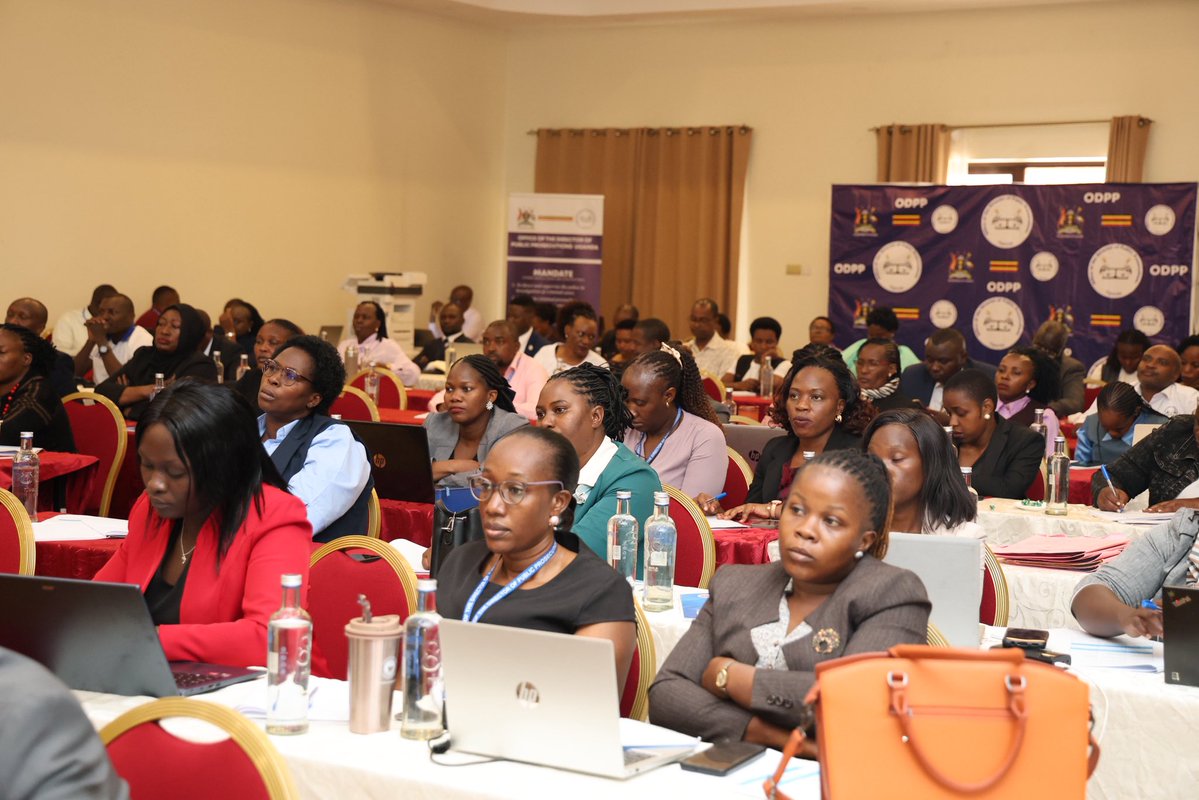
Day 2 of the ODPP training on manual and digital data management for officers from the Mbarara and Kabale Regions, supported by @IDLO and @NLinUganda, is underway at Hotel Triangle, Mbarara.
The sessions are focused on equipping officers with practical skills to support the transition to modern, digital data systems.
Ms. Winfred Ahimbisibwe (ADPP, I&QA) led a session on Change Management and Data Management, guiding participants on moving from traditional to modern approaches.
She emphasised the need for adaptability, accountability and consistency to ensure accurate and reliable institutional data.
DPP HOLDS PERFORMANCE REVIEW MEETING FOR REGIONAL OFFICERS IN MBARARA CITY
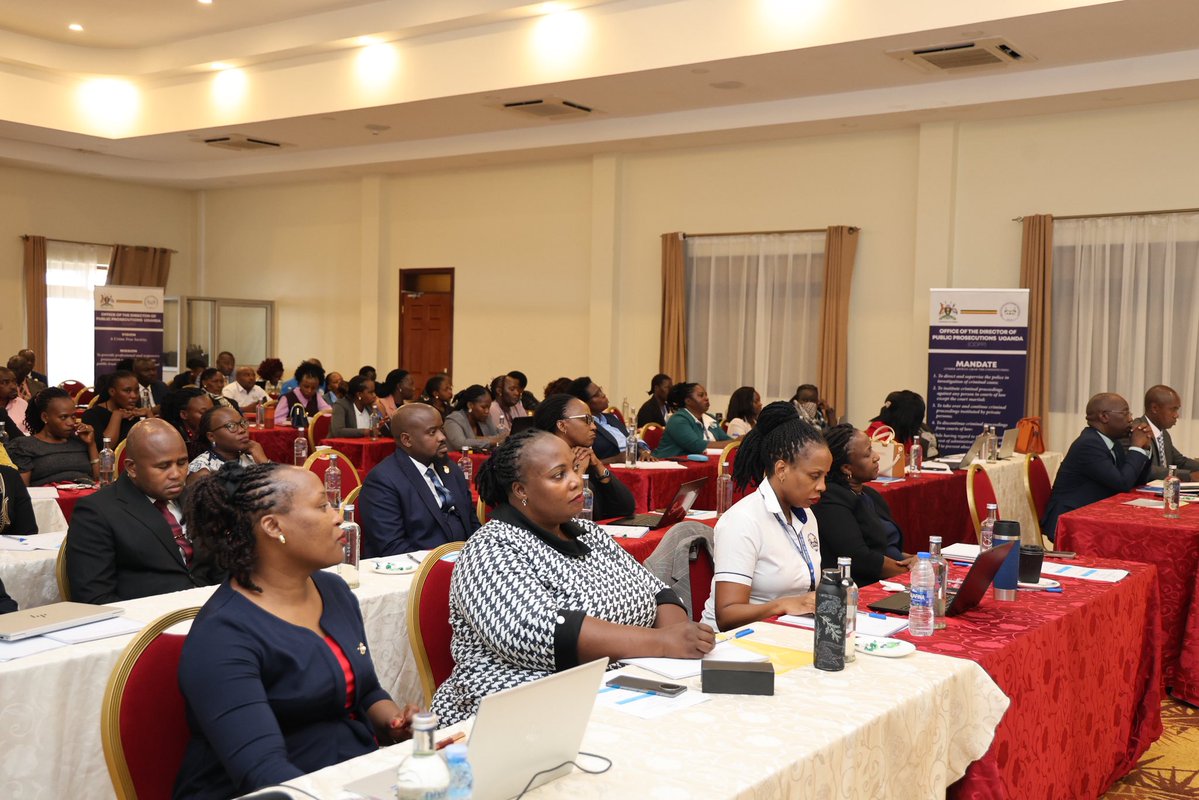
The Office of the Director of Public Prosecutions (ODPP) is holding a Performance Review Meeting for Regional Officers in Mbarara City from August 20 to 21, 2026, to assess progress, identify challenges, and strengthen the delivery of quality and timely prosecutorial services.
The meeting provides a platform for Regional Officers to share experiences, reflect on achievements, address emerging challenges, and develop practical strategies to improve case management, professional standards, accountability, and access to justice.
The Director of Public Prosecutions, Mr. Lino Anguzu, has officially closed the two-day training on manual and digital data management for officers from the Mbarara and Kabale Regions at Hotel Triangle, Mbarara.
He emphasised that the training aligns with the ODPP’s digital transformation agenda, aimed at strengthening accountability and improving service delivery across the prosecution sector.
Mr. Anguzu noted that accurate, timely and well-managed data is essential to achieving a fully digital and efficient justice system.
He urged officers to apply the knowledge gained to improve data collection, management and reporting at all stations.
The DPP expressed appreciation to @IDLO and @NLinUganda
for supporting the training and for its continued partnership in promoting access to justice and the rule of law.
Day Two of our ESG, WASH Risk Management, and Sustainable Finance training for credit officers, risk managers, and ESG champions from across Uganda's banking industry took place on 19th August 2026. The training is delivered in partnership with @Water4PeopleUG and funded by the Sanitation and Hygiene Fund (@SHFund__).
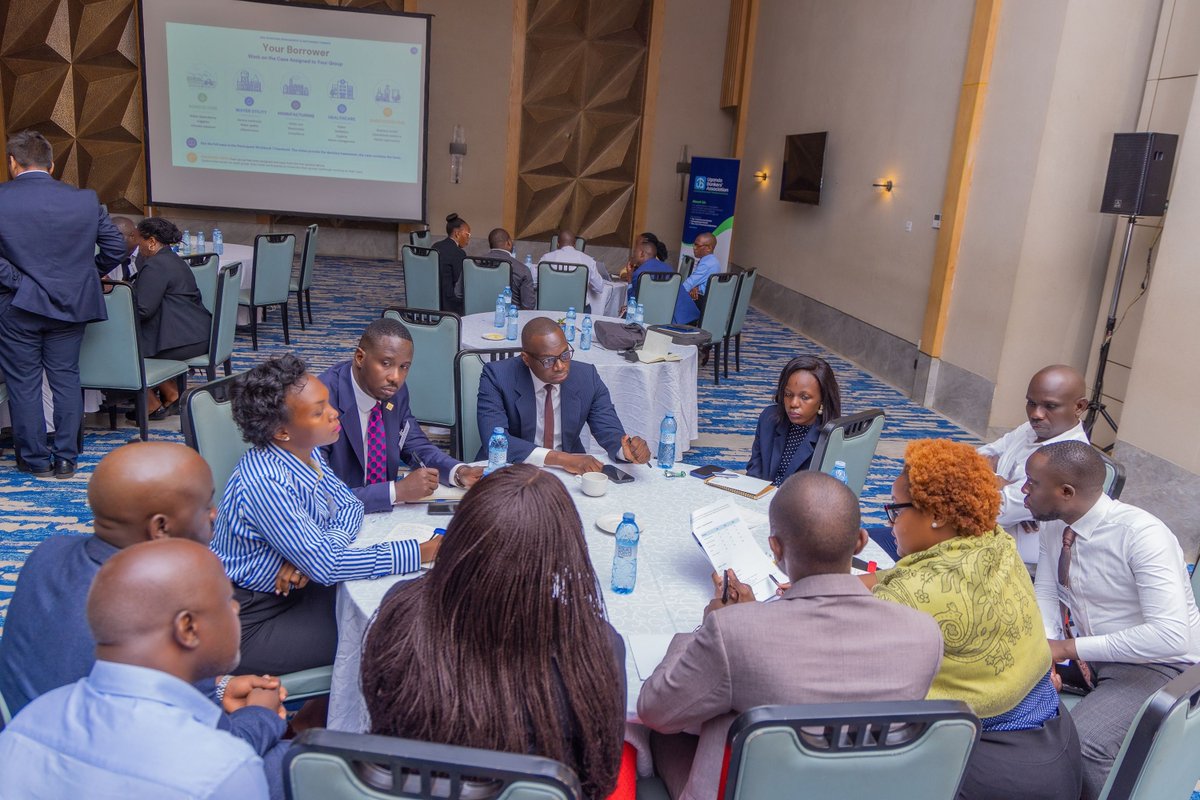
The sessions covered identifying and assessing ESG and WASH risks through screening, due diligence and financial impact, before moving into how those considerations are integrated into credit decisions, from credit assessment and environmental and social risk management through to the conditions and covenants that end up in the facility letter. Participants also applied this to a live borrower scenario, working in groups to identify the material risks and agree on a credit recommendation.
But the bigger conversation was about opportunity. Water, Sanitation and Hygiene (WASH) financing needs cut across agriculture, healthcare, education, real estate, hospitality and utilities, spanning asset finance, working capital and expansion. From water utilities to MSMEs and households, the customer base is broad, and the market is scalable.
What makes it more attractive still is that many WASH projects are supported through blended finance, including public guarantees, concessional capital and technical assistance. This improves bankability by aligning investment risk with social and environmental returns.
The closing session focused on measurement. Indicators such as WASH portfolio exposure, access to safe drinking water, sanitation coverage and climate resilience allow institutions to manage risk while demonstrating real impact.
As one participant put it, unless WASH is written into credit policy, it will not be consistently managed. The evidence supports that view; repayment rates on WASH projects already financed by banks have reached as high as 99%, suggesting the perceived risk is greater than the actual one.
The Uganda Bankers' Association calls on the financial sector to view integration of ESG and WASH considerations as a strategic move that aligns with Uganda's development goals while offering substantial financial returns. The opportunity is now!
#WASHFinancing | #SustainableFinanceUG | #PromotingPartnerships | #TransformingBanking
The Annual Bankers' Sports Gala 2026 is officially underway! 🏆
Welcoming participants, our Executive Director, Mr. Wilbrod Humphreys Owor, reminded the sector that beyond the competition, the Gala is about building the health, collaboration and connections that strengthen our industry.
The Gala was launched yesterday, Thursday 13th August 2026, at our offices in Muyenga, in partnership with the Uganda Institute of Banking and Financial Services (@ibfsUg), under the theme "Together Towards Greatness."
To every financial institution taking part, may the best team win. Let the games begin!
#BankersSportsGala2026 | #TogetherTowardsGreatness | #PromotingPartnerships | #TransformingBanking
Evidence. Insight. Impact!
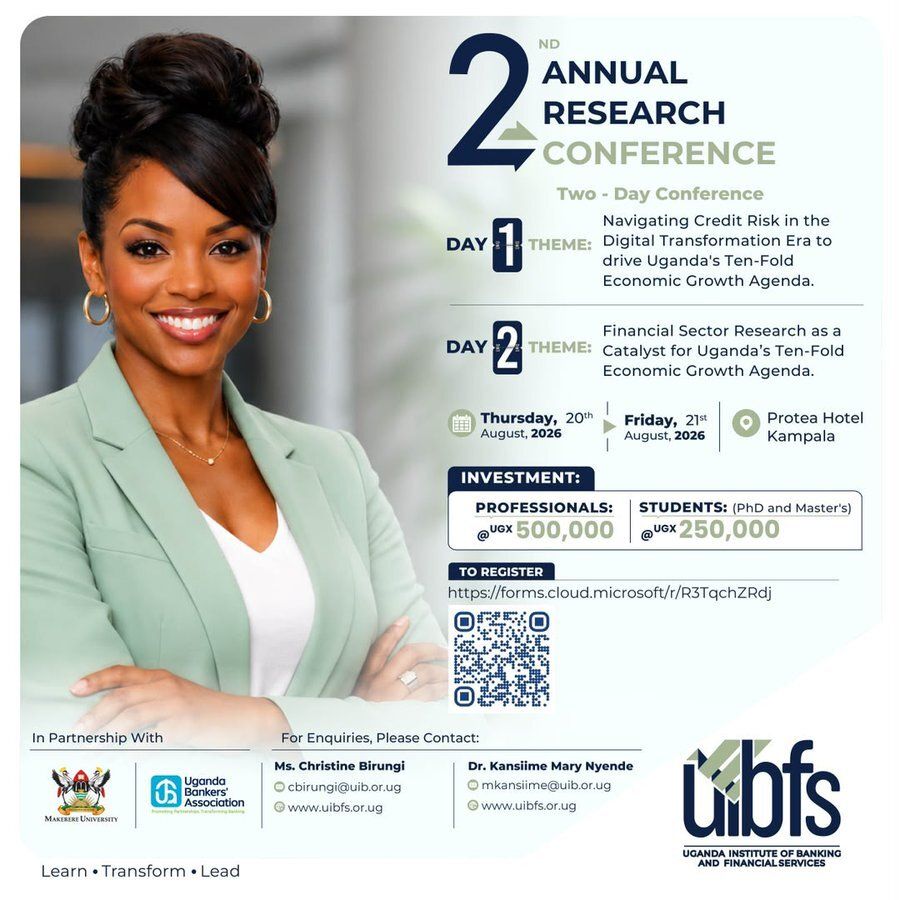
The 2nd Annual Banking and Financial Services Research Conference 2026 will take place this week over two days, bringing together over 200 industry leaders, regulators, researchers, academics and technology experts for conversations shaping the future of Uganda's financial sector.
The agenda will constitute discussions on credit risk, artificial intelligence, digital transformation, and the research driving Uganda's economic tenfold growth.
📅 Thursday 20th and Friday 21st August 2026
📍 Protea Hotel Kampala
🎟 Professionals: UGX 500,000 | PhD and Master's Students: UGX 250,000
Hosted in partnership with the Uganda Institute of Banking and Financial Services (@ibfsUg).
Register today: https://t.co/TYx5ZCSH8H
#ResearchConference2026 | #PromotingPartnerships | #TransformingBanking
We kicked off a two-day training today, 18th August 2026, for credit officers, risk managers, and ESG champions from across Uganda's banking industry, focused on ESG, WASH Risk Management, and Sustainable Finance. The training is delivered in partnership with @Water4PeopleUG and funded by the Sanitation and Hygiene Fund (@SHFund__ ).
Day One laid the foundation, opening with an overview of Water, Sanitation and Hygiene (WASH) and its relevance to financial institutions, before moving on to ESG and WASH risks and their financial implications.
The market data set the tone for the day. Uganda's WASH economy was worth USD 1.7 billion in 2022 and is on track to reach USD 2.7 billion by 2030. Yet sanitation alone still carries a financing gap of between USD 650 and 725 million a year.
Much of the discussion focused on what this means for lenders. Water stress disrupts a borrower's operations, which strains cash flow, which in turn affects their ability to repay. Sectors such as agriculture, manufacturing, health, infrastructure and SMEs are especially exposed, making WASH a material credit consideration rather than simply an Environmental, Social and Governance (ESG) reporting requirement.
#WASHFinancing | #SustainableFinanceUG | #PromotingPartnerships | #TransformingBanking
Reflecting on the Banking Industry Strategic Retreat, where banking leaders assessed the sector's readiness to mobilize capital and drive investment across Uganda's priority sectors: Agro-industrialisation, Tourism development, Mineral-based industrialisation, and Science, Technology & Innovation.
Uganda has set an ambitious target to grow the economy from USD 50 billion to USD 500 billion by 2040. The financial sector has a critical role to play.
Read the full article in our Annual 2025 Report: https://t.co/FksH0lb7SE
#TenfoldGrowth | #PromotingPartnerships | #TransformingBanking
In partnership with @fsduganda, we convened the Cyber and Fraud Risk Landscape Assessment Validation Workshop, bringing together commercial banks, Payment Service Providers (PSPs), regulators, law enforcement, the judiciary, and development partners to validate findings and align on priority actions.
In his welcome remarks, our Executive Director, Mr. Wilbrod Humphreys Owor, said:
"Recognising that no single institution can address these challenges alone, the Uganda Bankers' Association and our partners established the Financial Sector Anti-Fraud Consortium (AFC) to promote collaboration, intelligence sharing, coordinated response, and sector-wide capacity to prevent and combat financial fraud jointly."
The assessment, conducted by Milima Security, covered 45 institutions across all tiers and regulatory categories. It is the most comprehensive study of its kind for Uganda's financial sector, and it arrives at a critical moment:
•887 unresolved cybercrime cases in our detection-to-justice pipeline
•UGX 72.1 billion in recorded fraud losses in 2024 alone
•Over 1.2 billion mobile transactions processed, and increasingly targeted
This work builds on UBA's Cyber Security Operations Centre (CSOC) Project and supports the sector's ATMS Strategy and 10X Growth Plan. Today marks the start of our shared commitment to stronger, smarter, sector-wide resilience.
#CyberSecurity | #CyberResilience | #PromotingPartnerships |#TransformingBanking
Last Friday, the Commercial Division of the High Court hosted an exit review meeting following the recently concluded Mediation Settlement Fortnight, which focused on banking, loan, and credit cluster cases, a key step in advancing Alternative Dispute Resolution (ADR) and commercial justice in Uganda.
Chaired by the Principal Judge, Hon. Lady Justice Jane Frances Abodo, the breakfast meeting brought together the UBA member bank CEOs, the Governor of the Bank of Uganda, Dr. Michael Atingi-Ego, Commercial and Industrial Court Judges, UBA leadership, Bank CEOs, Heads of Legal, accredited mediators, and other key stakeholders.
The exit meeting provided a platform for stakeholders to evaluate progress made during the fortnight, highlight successful settlements, examine operational challenges, and formulate strategic recommendations to strengthen future mediation programs.
#ADR | #PromotingPartnerships | #TransformingBanking
Financial independence isn't built overnight; it starts with one decision: to be intentional with what you have today in service of what you are building for tomorrow.
Be intentional. Be disciplined. Keep showing up.
#MondayMotivation | #PromotingPartnerships | #TransformingBanking
Reflecting back on a milestone moment for Uganda's financial sector.
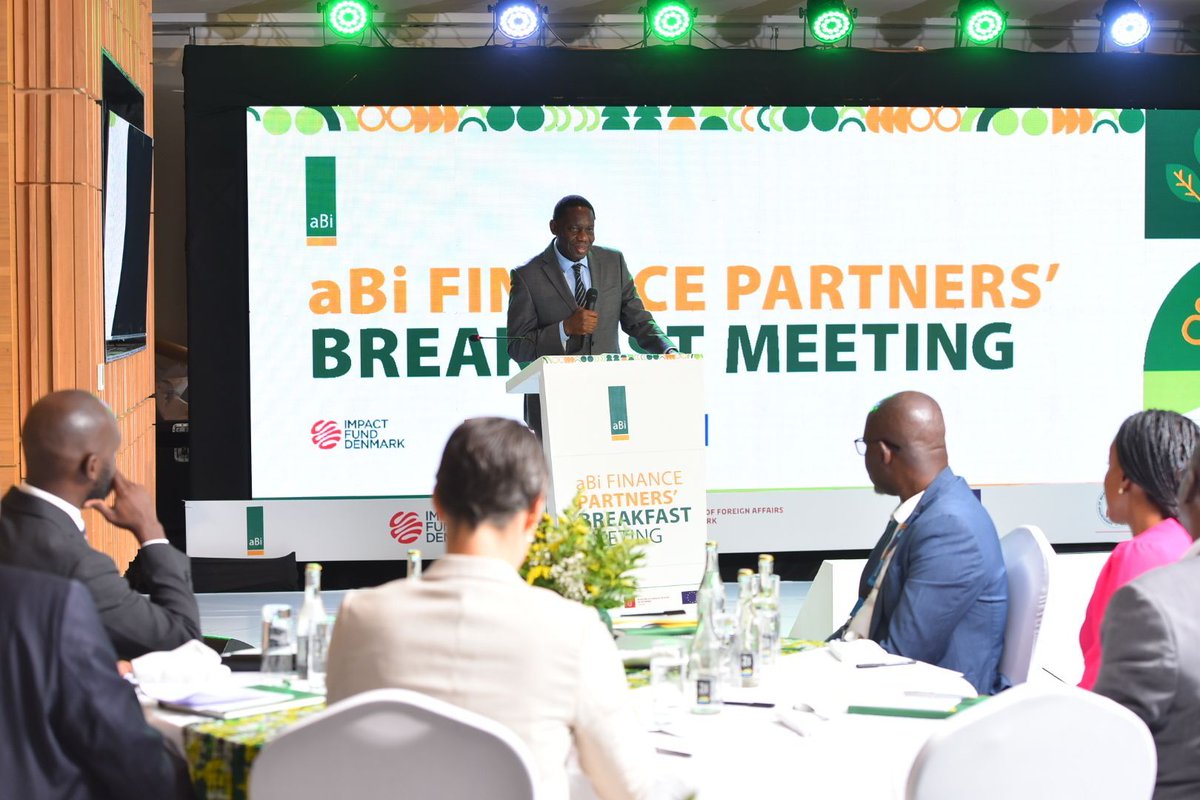
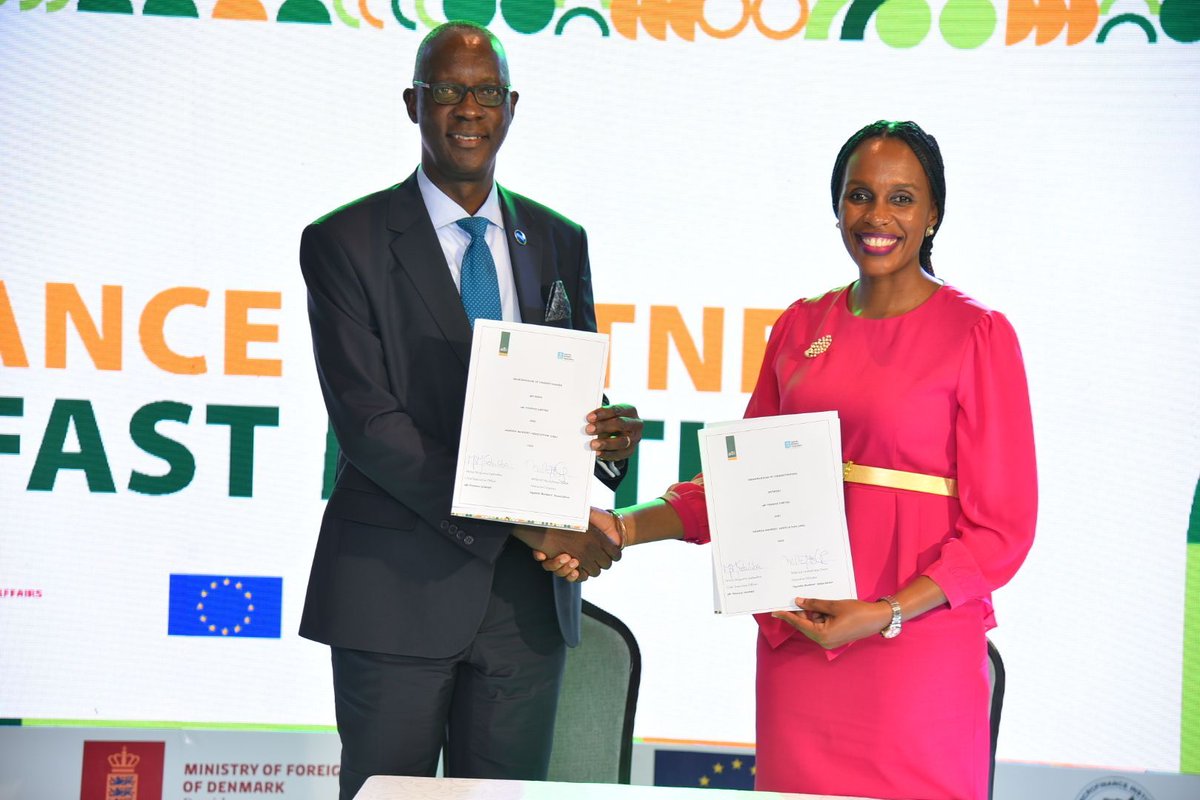
Our Executive Director, Mr. Wilbrod Owor, signed a Memorandum of Understanding (MOU) with aBi Finance for the implementation of the International Financial Reporting Standards (IFRS) S1, S2 and Global Reporting Initiative (GRI) Capacity Building Project, which marked a significant step toward embedding sustainability at the core of Uganda's banking industry.
In his words, "This ESG Capacity Building Project marks a new chapter, embedding sustainability into our operations as financial institutions to improve lives, strengthen our economy, and ultimately drive the national vision of growing GDP to USD 500 billion by 2040." - Mr. Wilbrod Owor
From expanding Agent Banking from under 1,000 branches to over 27,000 agents nationwide to driving ESG capacity building across the sector, the partnership with aBi Finance continues to deliver impact where it matters most.
#aBiFinancePartners | #SustainableFinanceUG | #PromotingPartnerships | #TransformingBanking
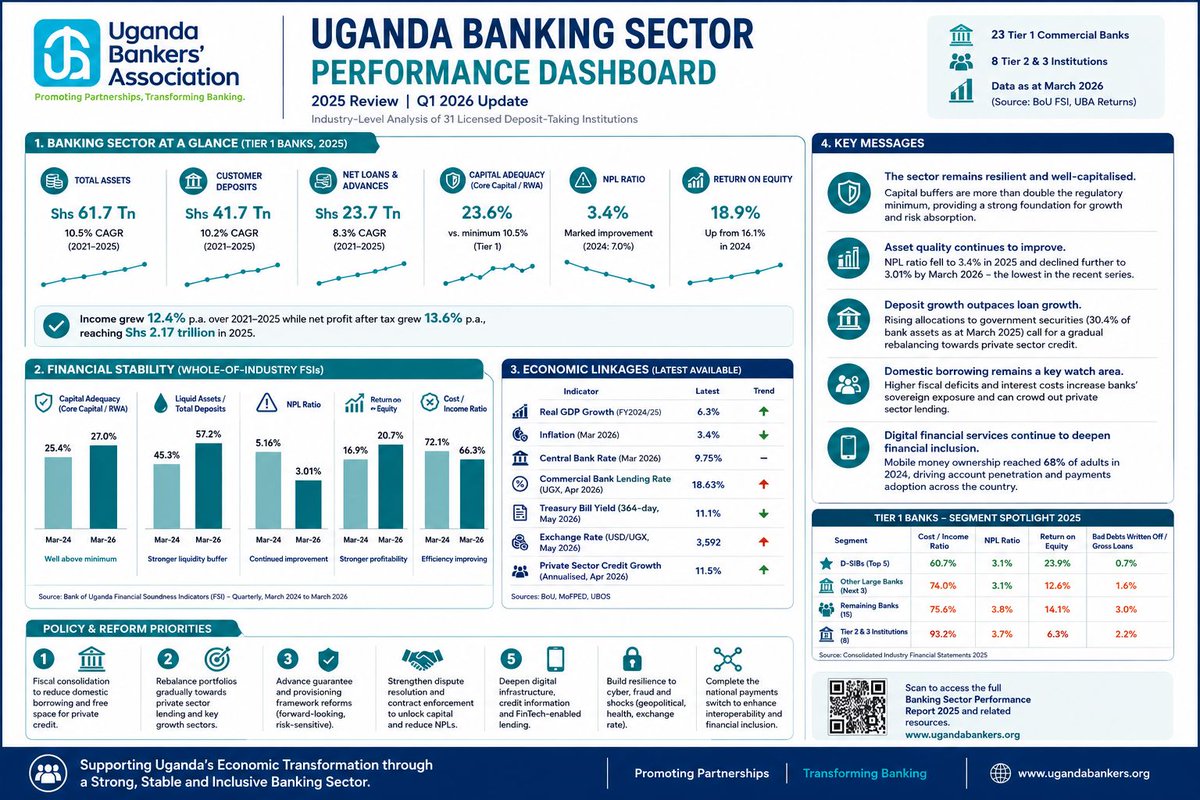
Uganda's banking sector closed 2025 in its strongest position since 2021.
The UBA Banking Sector Performance Report 2021–2025 reveals a sector that has grown, improved, and remained resilient. Total assets reached Shs 61.7 trillion, net profits grew at 13.6% per annum to Shs 2.17 trillion, and the Non-Performing Loan (NPL) ratio fell sharply from 7.0% in 2024 to 3.4% in 2025, with capital reserves remaining more than double the regulatory minimum.
Uganda's banking sector has demonstrated consistent strength and resilience. Building on this foundation, our priority now is to use this momentum to expand private-sector credit, deepen financial inclusion, and support Uganda's ATMS Growth Strategy as the country pursues its ambition to grow the economy from USD 50 billion to USD 500 billion by 2040.
Read the full report here: https://t.co/7noyLEB1N4
#FinancialInclusion | #ATMS | #PromotingPartnerships | #TransformingBa
The future of cash was at the centre of discussion at @BOU_Official's Currency Awareness Week 2026. It was held from 27th to 31st July 2026.
As digital and electronic payments continue to grow, physical cash remains critical in supporting financial inclusion, resilience, and consumer choice across Uganda.
The Uganda Bankers' Association (UBA), as the umbrella body representing Uganda's banking sector, was proud to participate in a panel discussion on Friday, 31st July 2026 and bring the industry's perspective to this important conversation, which is central to building a financial system that works for everyone.
#CurrencyAwarenessWeek2026 | #FinancialInclusion | #PromotingPartnerships | #TransformingBanking
At the Multi-Stakeholder Dialogue on Water, Sanitation and Hygiene (WASH) Financing held on 7th August 2026, our Executive Director, Mr. Wilbrod Owor, made the case for sanitation as a bankable market opportunity, backed by evidence.
In his words: "Sanitation is no longer just a public health issue or a charitable cause. It is a USD 725 million bankable market opportunity in Uganda waiting to be unlocked."
A Sanitation Credit Market Assessment conducted by the Uganda Bankers' Association and Water For People found that less than 15% of this market is currently served, with current WASH lending standing at approximately USD 56 million. Yet where sanitation lending has been piloted, repayment rates have ranged between 94.5% and 99%, proving the sector is far less risky than perceived.
As Mr. Wilbrod put it: "Over 68% of underserved households want better sanitation, and over 76% of local enterprises are ready to build. The missing link is tailored, affordable, and risk-mitigated credit."
@waterforpeople@Water@min_waterUg
#WASHFinancing | #SustainableFinanceUG | #PromotingPartnerships | #TransformingBanking