The COE mechanism acknowledges that Shit Happens, even to highly competent teams. If you were the team that it happened to, then if you write a really excellent COE demonstrating that you deeply understand root causes down to the metal & how to fix, you get sincere praise.
My OSS confessional blog post is finally published: https://t.co/CBc8DxcaHk -- I'm interested in hearing from other OSS contributors on ideas for how we can improve.
Commit messages are the most important documentation in your project, partly due to their permanence, and go hand-in-hand with commit hygiene.
This is especially true for code that is versioned and distributed.
.@CMUDB Advanced Database Systems 2019 #25: Self-Driving Database Engineering
Video: https://t.co/1YJStHkOtP
PDF: https://t.co/wU9dJOKH4f
From our (pending) paper on design principles for self-driving operation in a DBMS. It's also why we threw away our code and started over
ASUS, one of world’s largest computer makers, installed backdoor on thousands of customer computers last yr after hackers compromised its software update tool. The file was signed w/ ASUS digital certificates to make it look like authentic software update. https://t.co/ni17IEN6Tq
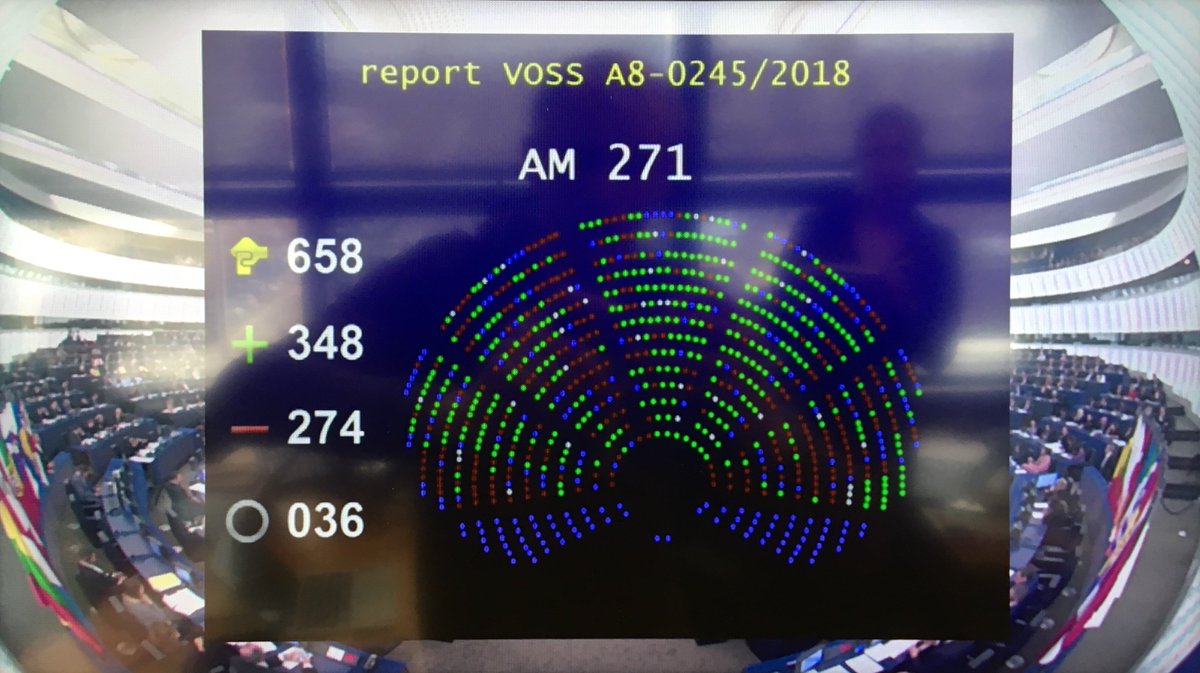
Dark day for internet freedom: The @Europarl_EN has rubber-stamped copyright reform including #Article13 and #Article11. MEPs refused to even consider amendments. The results of the final vote: 348 in favor, 274 against #SaveYourInternet
Friends: looking for good community guidelines, contributor's guidelines, codes of conduct for open source projects. I've looked through k8s and a few others CNCF and ASF projects, but curious about folks' specific recommendations and why.
Interesting post in the perspective of DevOps, CI, testing, deploy, monitoring etc. tools getting so automated that it often becomes a part of developer's responsibilities to do that stuff: https://t.co/Q3VvVb3BQD