2nd Jan, first Cerambycidae record of the year. Found crawling over carpet in office room. Rhagium bifasciatum, an escapee from one of my larval rearing containers. From Birch although generally has a stronger association with Scots Pine. @ColSocBI
After 75 years in operation, BioQuip will be closing & ceasing operations on March 11, 2022. We appreciate the support you have provided over the years & we could not have been successful without your valued patronage. Order details below (1/4):
Scorpion fly, Panorpa spec. In summer, they can often be seen in shady areas, especially on bushes. For mating, the female receives a dead insect or self-produced saliva pellets from the male as a gift. They are eaten by the female during copulation.
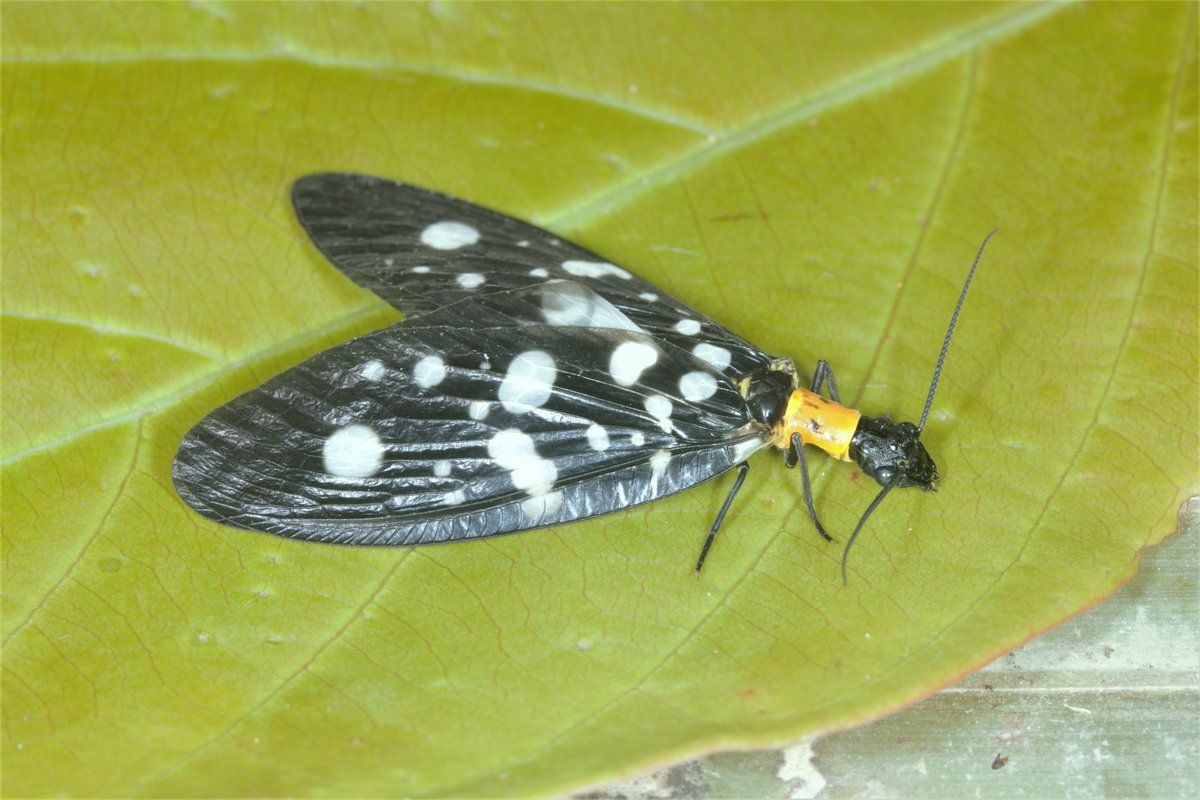
I’ve yet to see any #dobsonflies (alive) in the wild… I always thought they were cool (giant mouthparts are always cool) but this one is GORGEOUS. Look at those polka dotted wings!!!! 😍 @PurdueSciComm
Nearly all Dobsonflies are drab and nocturnal. Not these though. Probably mimicking toxic, diurnal moths. Many Dysphania moths (R) flying about in the same place.
Neurhermes selysi, Htamanthi Wildlife Sanctuary, Myanmar.
More info on this genus
https://t.co/igXpfl1pMt
Living in a world without pollinators would be a nightmare. Thanksgiving dinner (along with all our dinners) would not look the way they do now without them. Team #SaveTheBees! @PurdueSciComm
A nice popular article on the lab's work on forest-associated bee species. These species were likely the original native bee fauna of the eastern USA, yet we are just discovering who they are. Let's start including them in pollinator conservation programs!
https://t.co/3pwHmfyypB
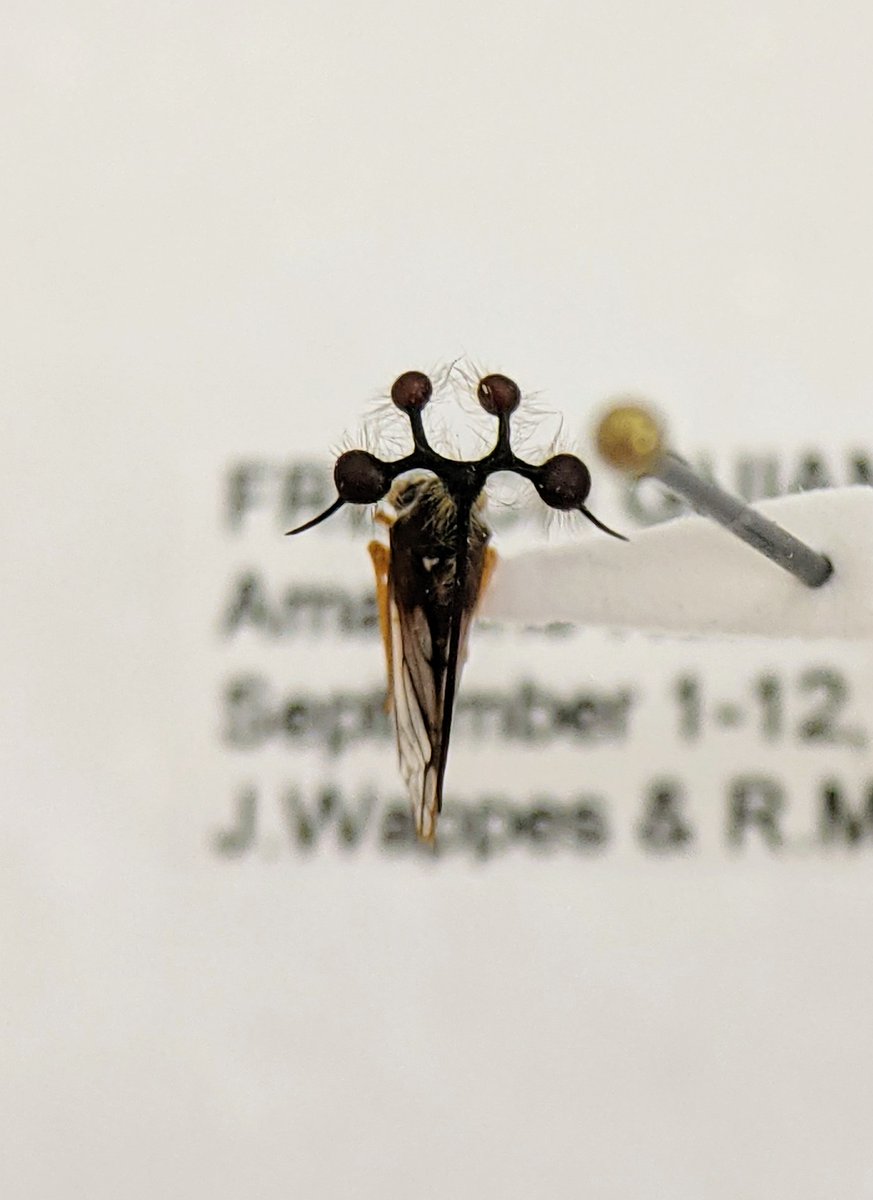
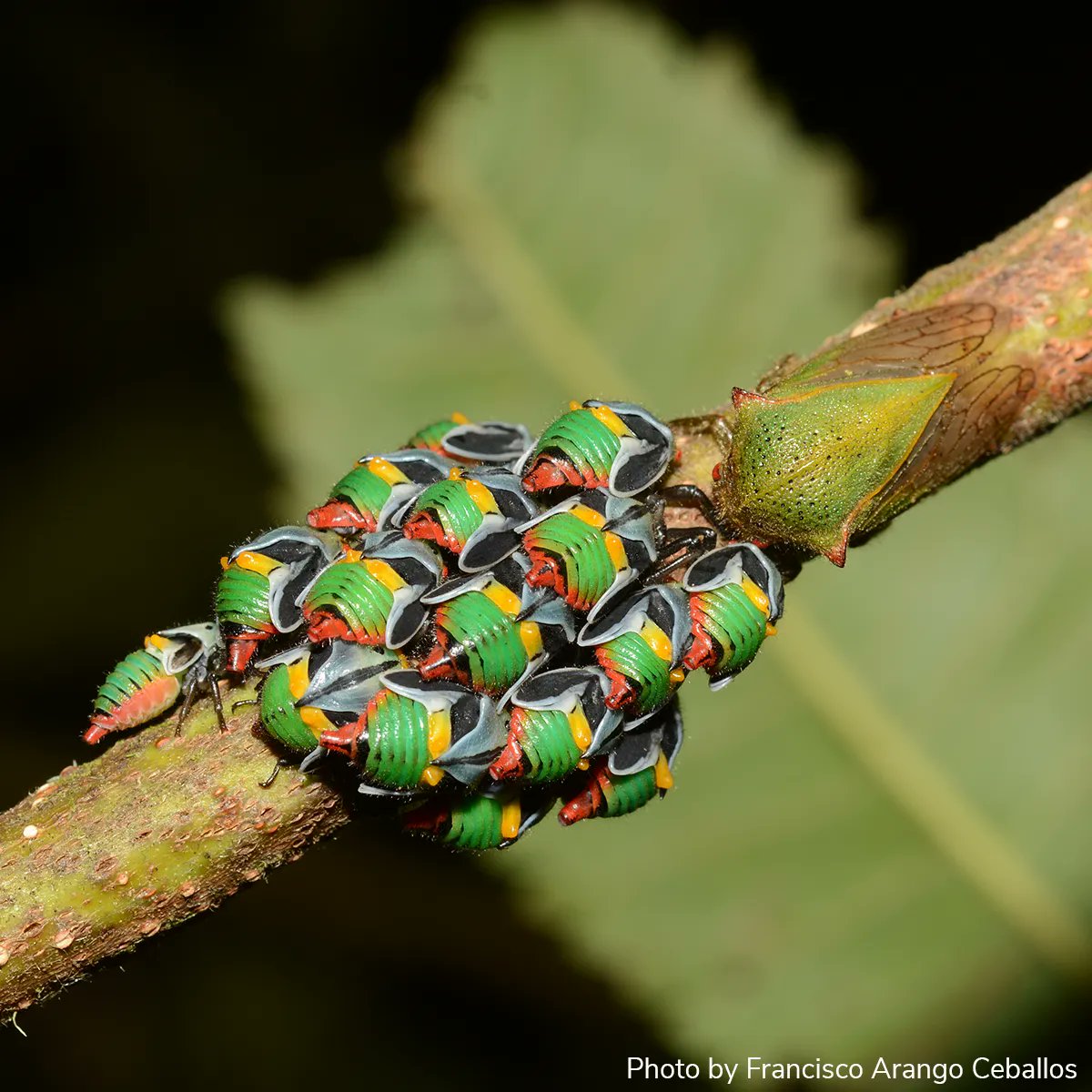
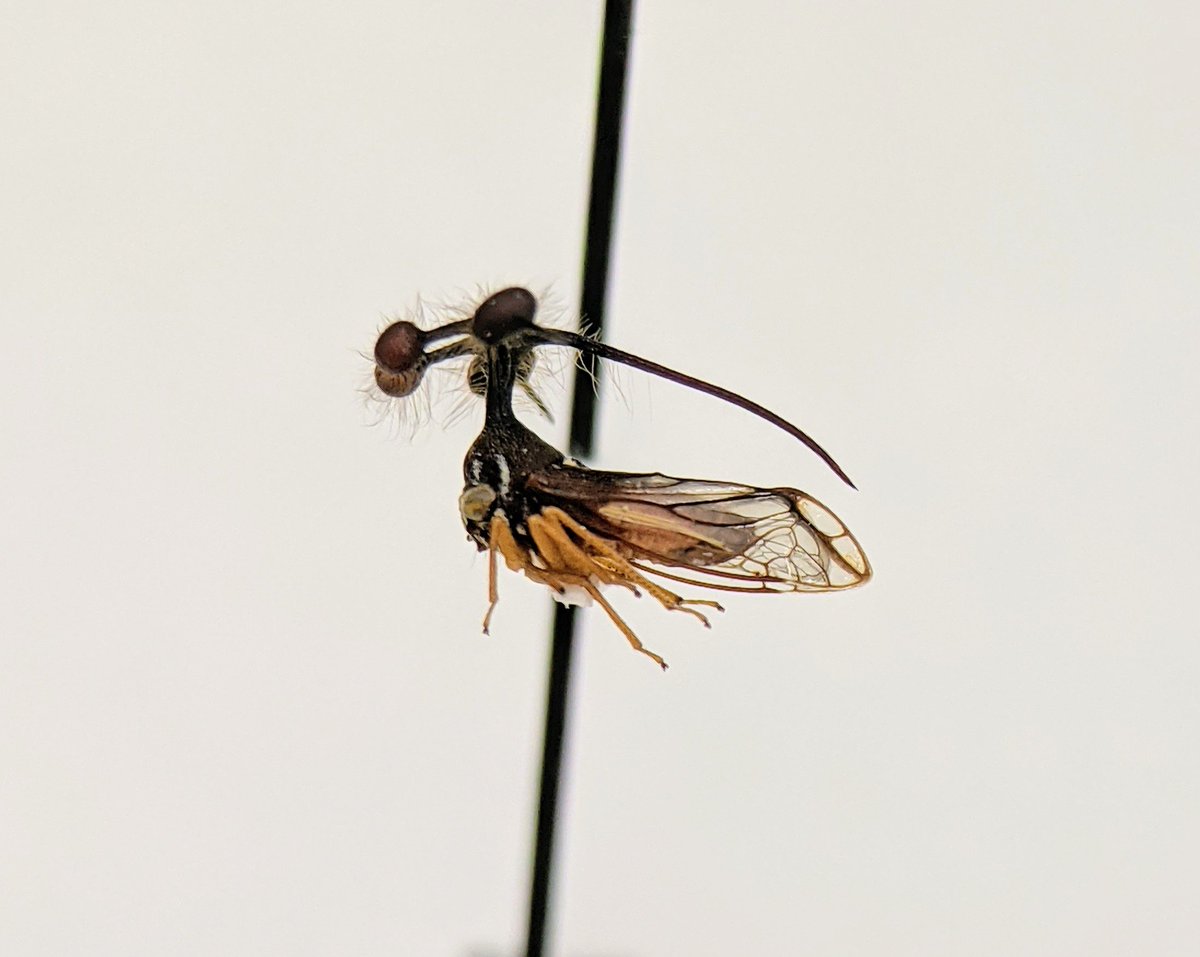
Nature totally went crazy during the #evolution of Membracidae. A thread of great specimens in the Wappes collection #FSCA. #Hemiptera
First Bicydium globuliferum
Whenever I read articles like this I really worry that I’ll witness the extinction of one of my favorite aquatic insects like #dragonflies during my lifetime. 😔
@PurdueSciComm
One of my favorite #beetle. This is a captive bred female Mecynorhina kraatzi. A super rare flower beetle species native to Africa. The color pattern is so cool it looks like something from a sci-fi movie. Males are even cooler with a horn like a rhino beetle. @PurdueSciComm