Excited to share this brand-new
#phenology
pub with the wonderful Rob Guralnick, Lindsay Campbell, and Erin Grady! The framework offers utility for predicting phenological sensitivity and responsiveness in temperate regions and across plant species.
https://t.co/ocZiQxA7Qy
New in @ESAMonographs: Habitat area (rather than fragmentation) is the primary driver of faunal density in seagrass ecosystems — though different species & life stages benefit from varying landscape configurations
https://t.co/iSlMG520z4
W/ #OpenData in @BCODMO#NSFFunded@NSF
iNaturalist has been awarded the prestigious 29th Heinz Award for the Environment!
You can read more about it on our blog: https://t.co/YjPZ8kkKxG
Thank you, @heinzawards!
Join us to establish more long-term 🐛🕷️🐞🦋🦗monitoring sites!
Learn more at 1 of 3 free webinars this month
(Apr 11, 17, 23)
Register here: https://t.co/xde8oLS17n
#CitSciMonth#CitSciTC#phenology 3/3
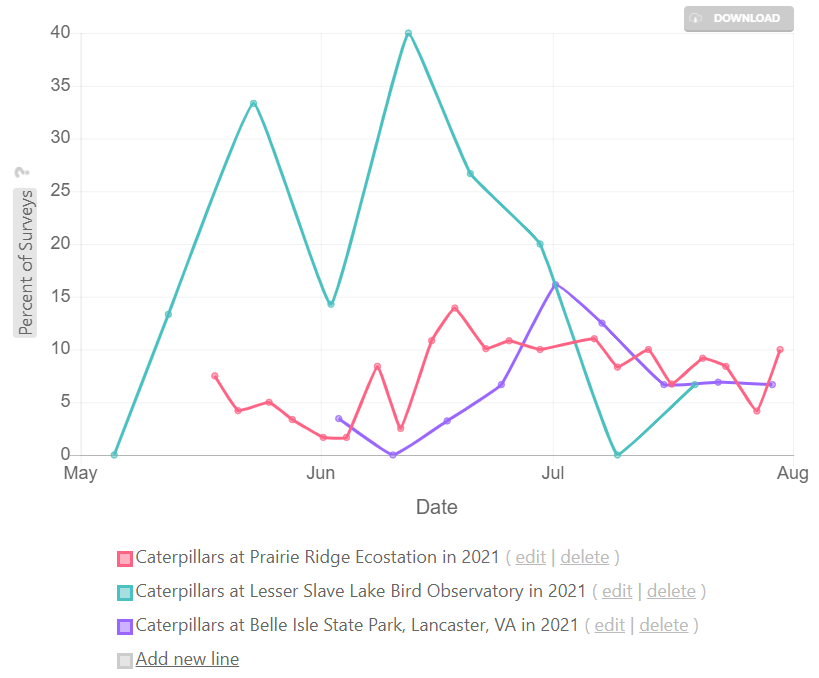
Explore all project data on the Maps and Graphs page to see
- continental patterns of abundance
-🐛🕷️🐞🦋🦗 composition at individual sites
- local phenology
- how abundance varies by plant spp
- long term trends
https://t.co/1FpIy0BgG9
#CitSciMonth#CitSciTC#phenology 2/3
Are 🐛🕷️🐞🦋🦗 declining?
Are they becoming active earlier in the year?
How are they impacted by
-climate change?
-urbanization?
-non-native plants?
Help answer these and more with
https://t.co/KxuOMHEvO8
#CitSciMonth#CitSciTC#phenology 1/3
FloraQuest: Carolinas & Georgia is available now on iOS and Android devices! This plant identification and discovery app from the UNC Herbarium (NCU) and the North Carolina Botanical Garden covers every wild-growing plant species in NC, SC, & GA.
https://t.co/uwYCZCcUum
JOB:In september I will open a call for a 2.5 year contract for a technician in our team @MapasLab, Vigo (Spain). I need a R programmer to run a large set of experiments with GEN3SIS @hagen_oskar model, in @CESGA_ supercomputer, to explore reasons behind observed biodiversity🌍💫
Happy #mothweek! The most wonderful time of year!
Last night I got a Scarlet Lichen Moth, a rarely observed species in VT that specializes on lichens on Pine trees.
Let the biodiversity come to you at your porch light tonight! (And turn your lights off when you’re done!)
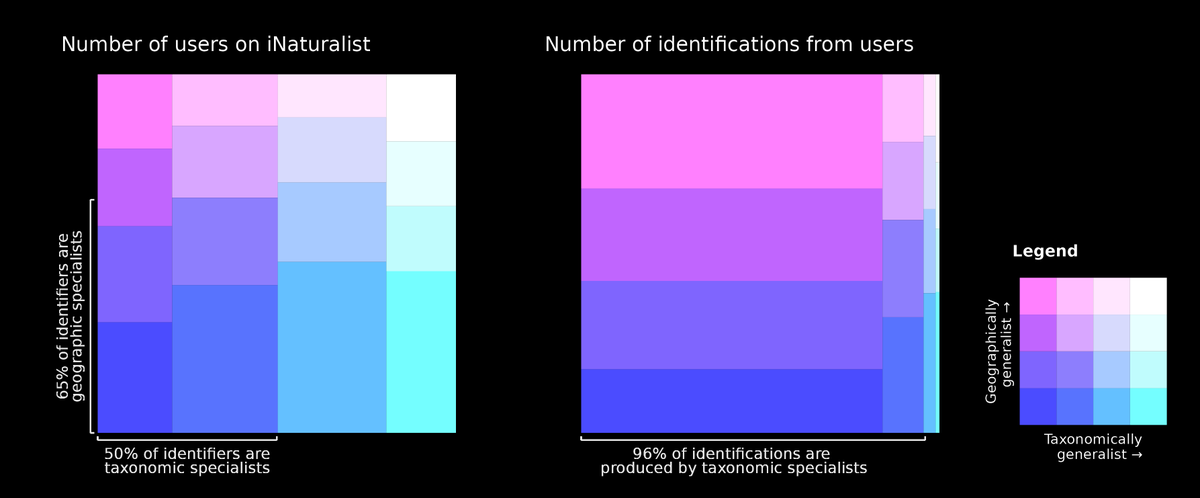
New paper in @AIBSbiology BioScience! Identifications are keeping pace with millions of observations added to @iNaturalist, and a small subset of highly active, taxonomically specialized users provide most of the identifications on the site.
https://t.co/yEprKGuRsi
One focus of my research at @vtecostudies is investigating effects of global change on species interactions, & variation over space & time.
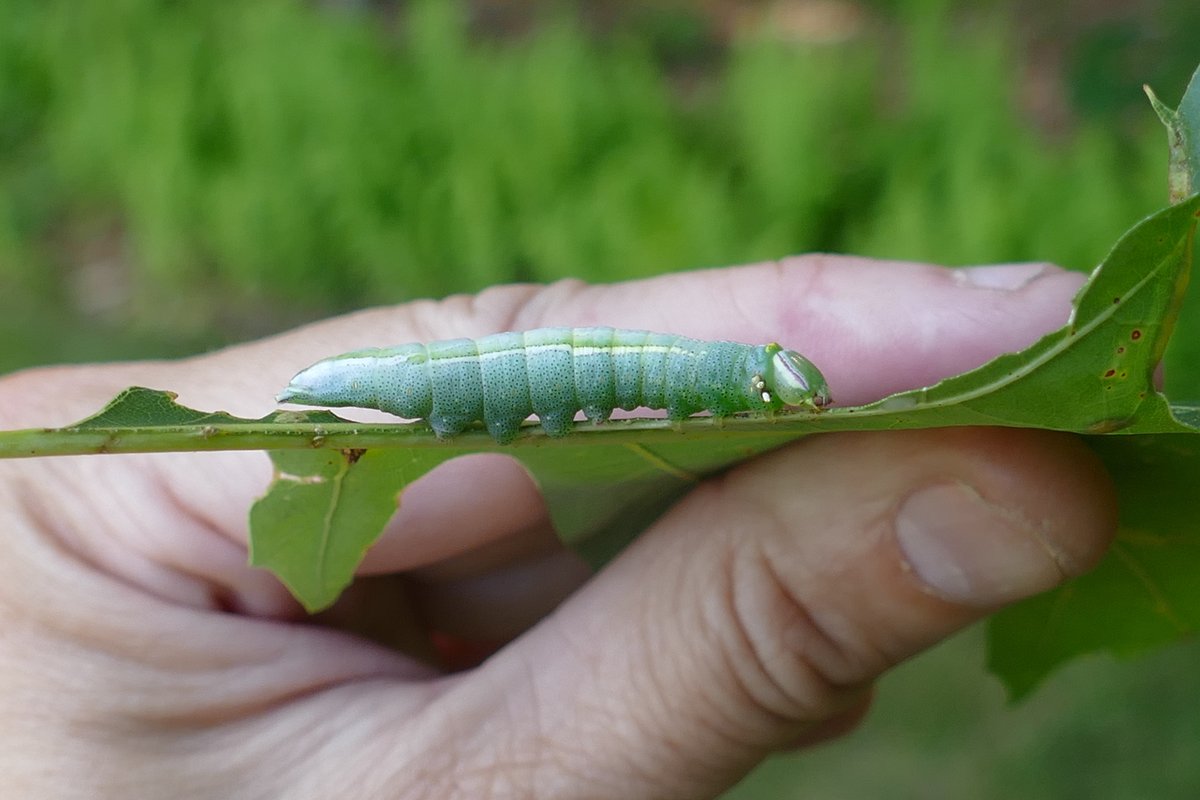
We're investing how @inaturalist can be used to fill data gaps! If you 💚#caterpillars, contribute to our project! https://t.co/HMfWKXuRNj
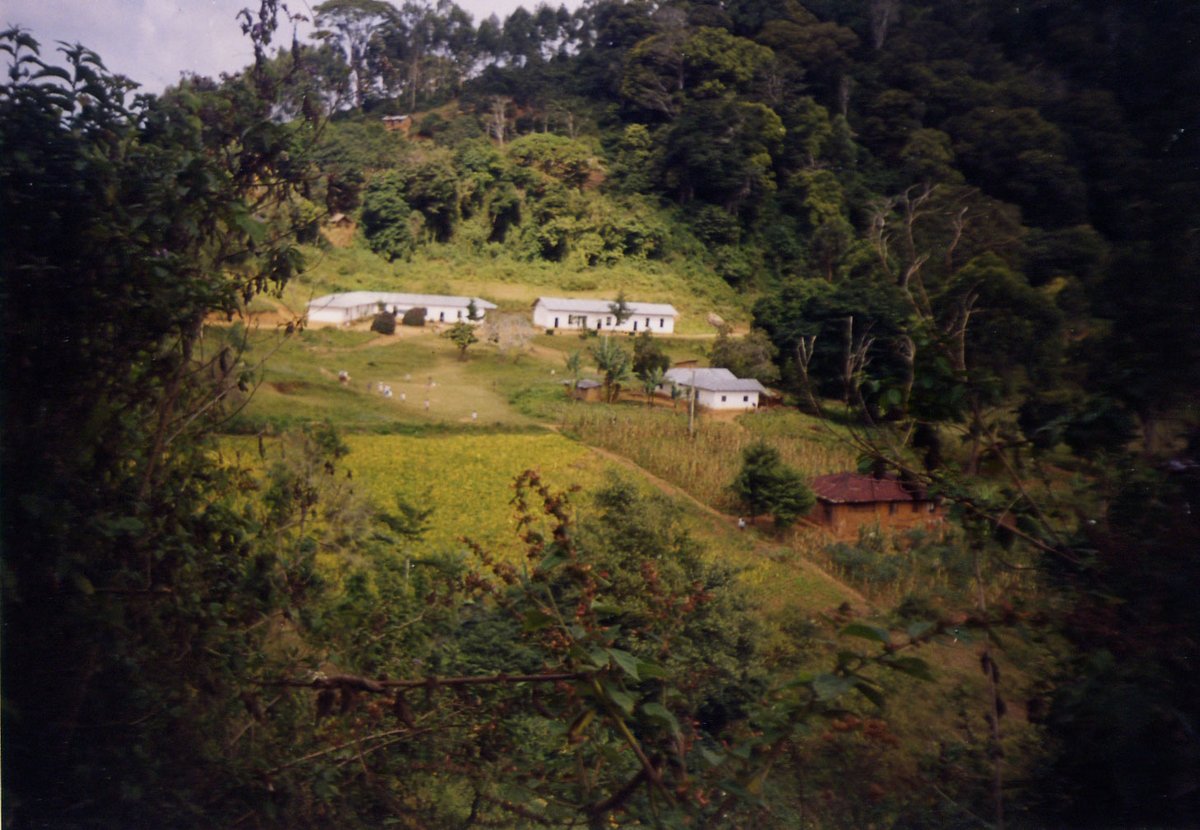
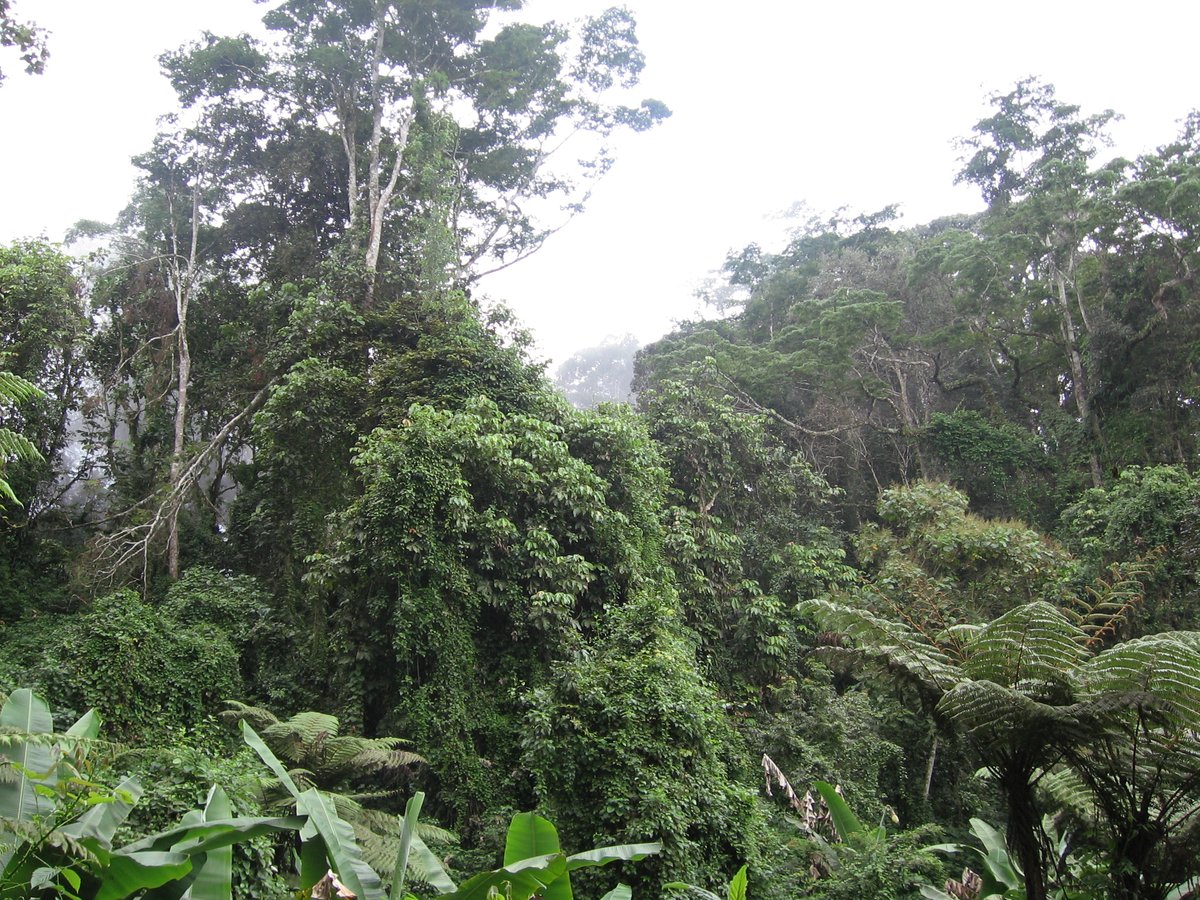
@mwtingley@MHCNeateClegg Very cool study! I was privileged to live 1 mi from one of Newmark's fragments in the W Usambaras 1996-1998 and to help with banding on a couple occasions. (my house the little white one on the right)
Does 2 make a "cluster"?
We are hiring 2 TT faculty at @UNC_Biology in
* Global Change Biology
* Ecoinformatics
Come join an awesome department! Please RT
Full ad: https://t.co/bKqRxFRHE0
If you've had troubles reading the full @Team_eBird dataset into R like I have (fread and readr weren't cutting it for 163GB), the auk R package from @CornellBirds is an awesome and super easy solution! After a couple of lines of code and an acceptable wait time, I'm there.