📣 Early bird registration & abstract submission for #epimar2025 is now open! Join us next May in sunny Barcelona to hear and discuss the latest trends in #MarineEpigenetics. Register now for the best prices and help build the Epimar community! https:/epimar2025.org 🦀🐟🪸🌱
University of Washington: we care a ton about the environment and global warming.
Also UW: please download and fill out this form and get it signed by your administrator to grant permission to use an Uber Green ride for the same price as Uber X.
🌊@MarineMantegna shares her work gathering critical data to support the health of the ocean & the health of communities.
A @UW SAFS grad, Chris is a champion of bringing together diverse perspectives to "do the same thing, and see how we do it together."
https://t.co/bUUI2IJOM4
Warming seas threaten #coral-algal #symbiosis, & so reef #ecosystems. @Dr_Cnidariana @HolliePutnam &co show that #CoralLarvae alter nutrient metabolism by increasing N assimilation to maintain symbiotic relationships & survive thermal stress #PLOSBiology https://t.co/cd323zmQDi
Chris Mantegna is a third year @UW_SAFS grad student leading a mentorship program to train students in marine science and conservation and create “an inclusive environment where students feel part of the community."
https://t.co/yy0Y6DacMU
#BeBoundless#GoHuskies
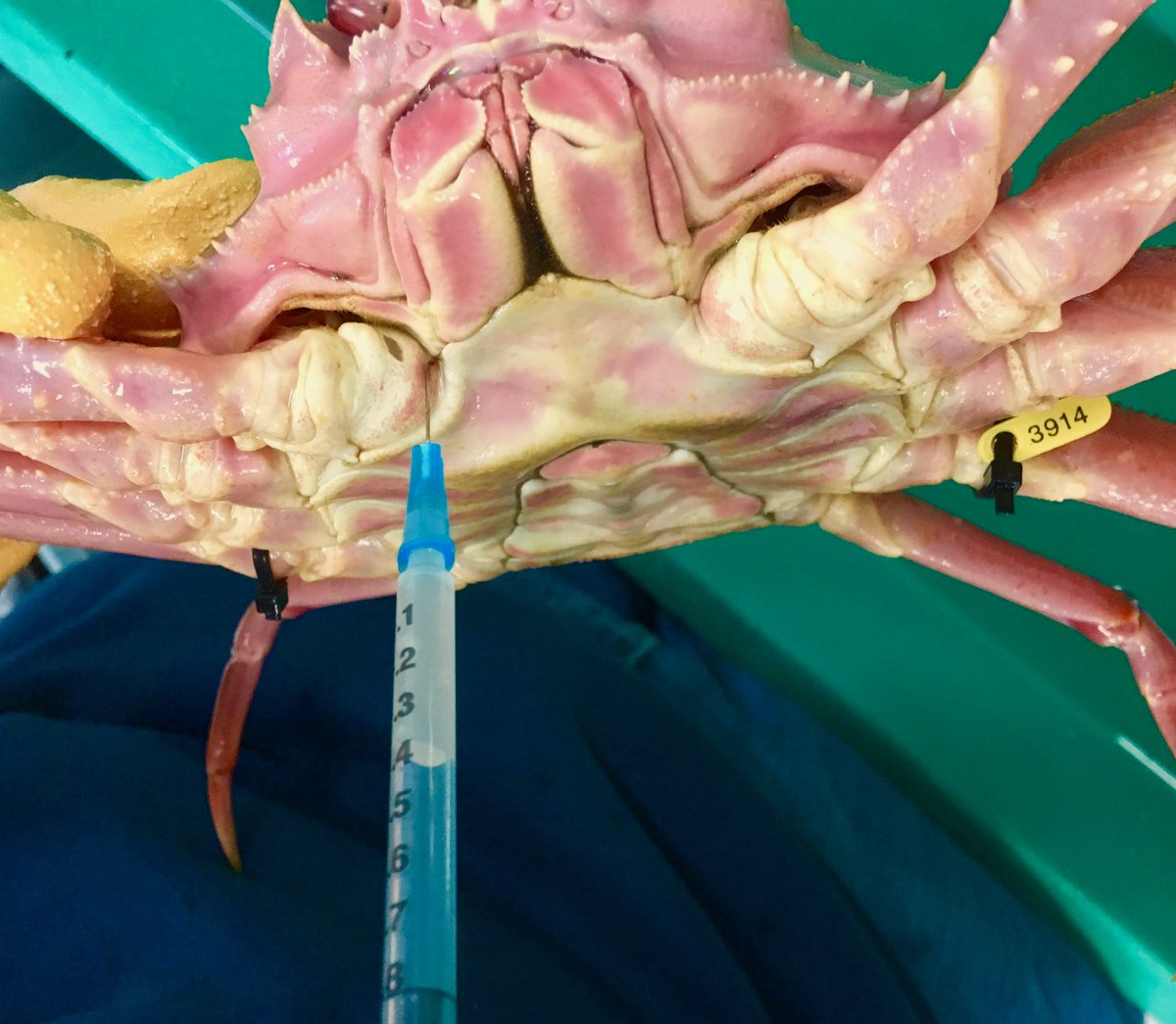
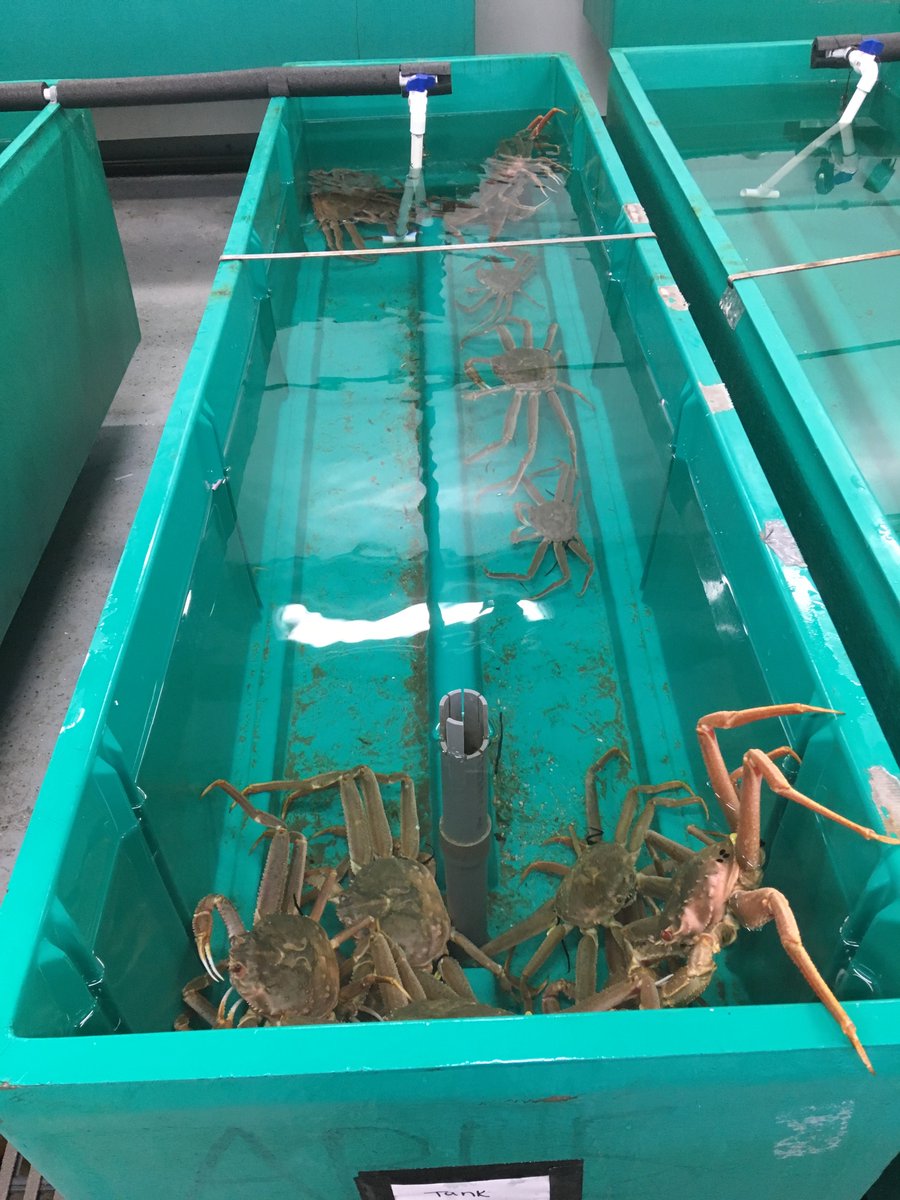
🦀Bitter crab syndrome (BCS) might sound like an attitude problem, but it’s a condition faced by valuable Alaska #fisheries: snow crabs and Tanner crabs. SAFS grad Aspen Coyle shares more about her research into BCS, caused by a parasitic dinoflagellate⤵️
https://t.co/iQVj33n7BM
@henryd_aniello@SznDohrn I have had wonderful time, particularly visiting @SznDohrn, including the research facilities, aquarium, dadom museum, the people- thank you for the invitation @henryd_aniello
Metagenomics and #COI sequencing folks:
If you have deep sequencing of PCR amplified products and want to phase the different alleles, what do you use and how do you deal with PCR recombination artifacts?
Job! Associate or Full Professor in applied organismal biology & aquaculture, and the Executive Director of the Western Regional Aquaculture Center. Here at @UW_SAFS University of Washington, with me and other fabulous colleagues (and awesome students)
https://t.co/Be42Mdqk7Q
@UW_SAFS has 3 new job ads out! Freshwater Ecology https://t.co/pOMl8emWcX
Pacific Salmon ecology, evolution, & management:https://t.co/TE9WvrkBen
Applied Organismal Biology & Aquaculture and Executive Director of the Western Regional Aquaculture Center: https://t.co/TgqwRzBbFR
Check out our latest! We’re excited at the utility this new tool for Pacific oyster will bring.
Also will share how we are using the panel @Research_VIU/ @VIUDeepBay at the Pacific Coast Shellfish Growers Association Conference next week #shellfish78@UBCeoas
Oregon State University announced an assistant professor position of #aquaculture - expected to contribute to shellfish research- https://t.co/RdWAaJUyfS
@themetzgerm Two things we are thinking is more robust annotation with trinnotate (have no data on increased how much better this would be) and doing WGCNA to group with modules and possibly lean on annotations (processes) of other module members.
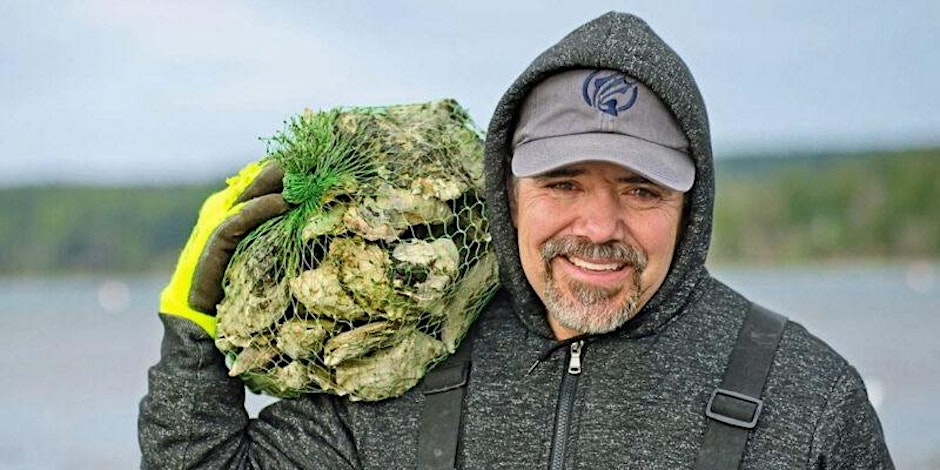
The Kurt Grinnell Aquaculture Scholarship Foundation is hosting its first Pacific Northwest Indigenous Aquaculture Summit this August, bringing together tribes to support traditional foods, economic opportunity and cultural resources through aquaculture.
https://t.co/FLU8PHJjuY
@themetzgerm Agree 100% but that is different from p-value / fold query. We use enrichment to reduce, as we are not confident we know how 0.2 fold versus 2.0 fold difference impacts physiology. A diff question I would love to know - what do we do when 40% of DEGs are not annotated?