Introducing Claude Fable 5: a Mythos-class model that we’ve made safe for general use.
Its capabilities exceed those of any model we’ve ever made generally available.
In today's @TheLancet there are 3 papers on cardiometabolic disease: biology, epidemiology, prevention/treatment.
The sobering and all to common story from womb to tomb conveyed in this graphic
https://t.co/rVs2Yz97NC
https://t.co/OpuJTia0bC
https://t.co/i714onXoCG
“In the next 10 years we are going to be entering what I feel like is a new renaissance.”
Nobel Prize laureate Demis Hassabis was awarded the Nobel Prize for using AI to predict the structure of proteins. For him, AI is a tool that will help scientists make even more discoveries in the years to come.
Hassabis took part in our Nobel Prize Dialogue ‘The Future of Science With AI’ which discussed how AI might transform science in the future.
Watch the full event at https://t.co/r4BuxQjDPx
We made a collection @GoogleDeepMind scientific agent skils for research tasks, genomics, structural biology, cheminformatics, literature search, and more.
👉https://t.co/zkPuCtmwEE
https://t.co/zkPuCtmwEE
We're hiring!
Bioinformatics Data engineer
Join the @emblebi RNA Resources team and help shape the future of open RNA data for the global life sciences community
https://t.co/Q9bFgGlPf7
New webinar:
Accessing RNA data programmatically with the Rfam and RNAcentral APIs
📅 Thursday 25 June 2026, 14:30–15:30 (BST)
🔗 Registration is free but essential:
https://t.co/djvw4YemR7
@RNAcentral@RfamDB#bioinformatics
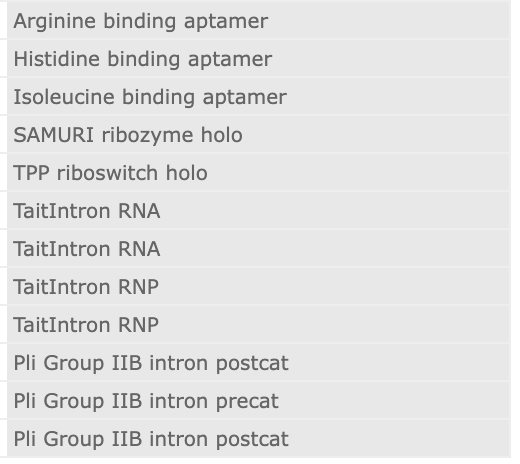
Third (& last?) intense week of #RNA server-only targets on #CASP17: small molecule binding ribozymes and aptamers & more group II introns in multiple states. Strange mix of natural and non-natural RNA and compounds and proteins. Looking forward to less crazy pace in next weeks.
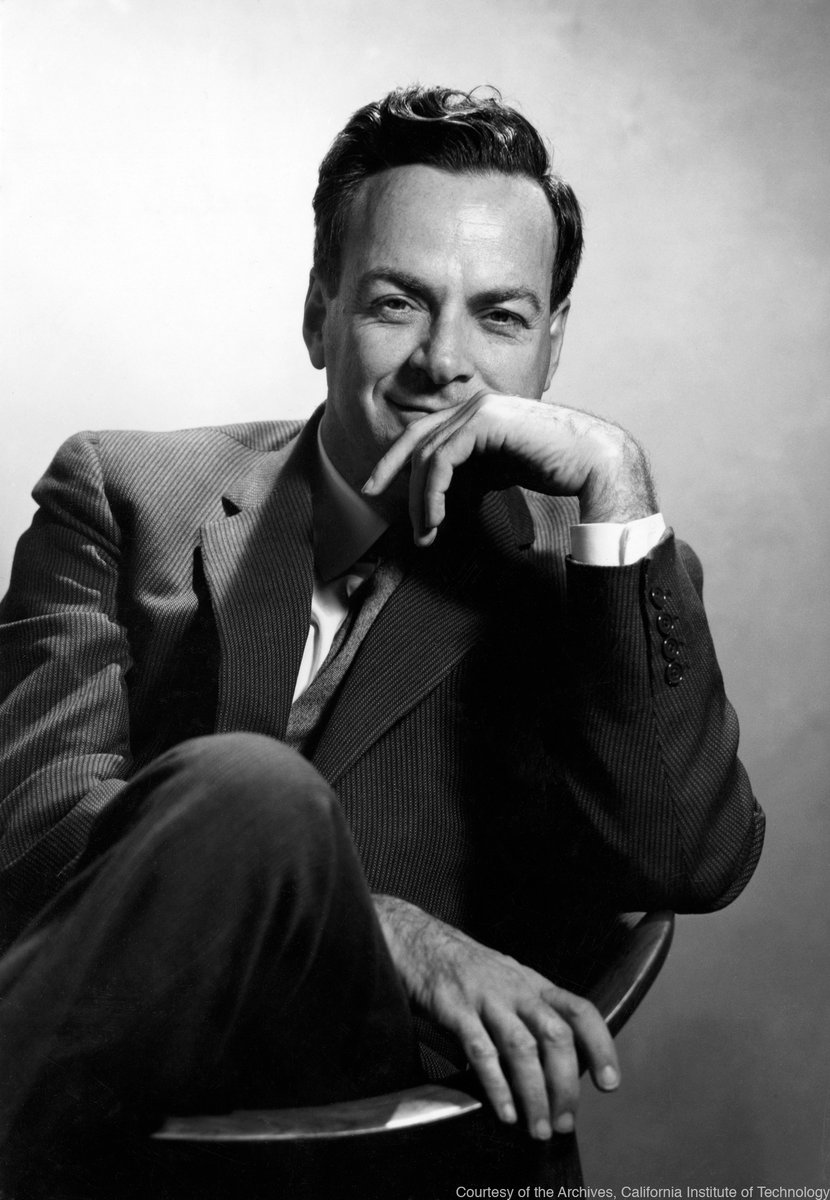
Today would have marked the 108th birthday of legendary physicist, science communicator and #NobelPrize laureate Richard Feynman.
Feynman was awarded the 1965 Nobel Prize in Physics for his work on quantum electrodynamics, including the introduction of the Feynman diagram.
"The human genome encodes for a new category of molecule"
"The ‘dark proteome’ is upending our understanding of human disease"
@Nature
"Expanding the human proteome with microproteins and peptideins"
https://t.co/5ncSKGKHBH
https://t.co/2Rx65FJCbG @statnews@MeganMolteni
https://t.co/7mATxNQ1EO @TheEconomist
Happy to share our new publication in Nucleic Acids Research:
ARTEM server: an online tool for nucleic acid 3D motif searches, 3D structure superposition and structure-based alignment
https://t.co/Y50z0uYGLS
Check it out: https://t.co/5yytns7hyF
We used to call this structural bioinformatics. But happy to see the idea used for SARS-CoV-2 and on a much larger scale than was possible before because of high-throughput structure determination.
A nanobody's CDR sequence contributes to its ability to refold once denatured, even if the FW sequence is fixed, and this property is a better predictor than thermostability for remaining correctly folded and unaggregated in solution
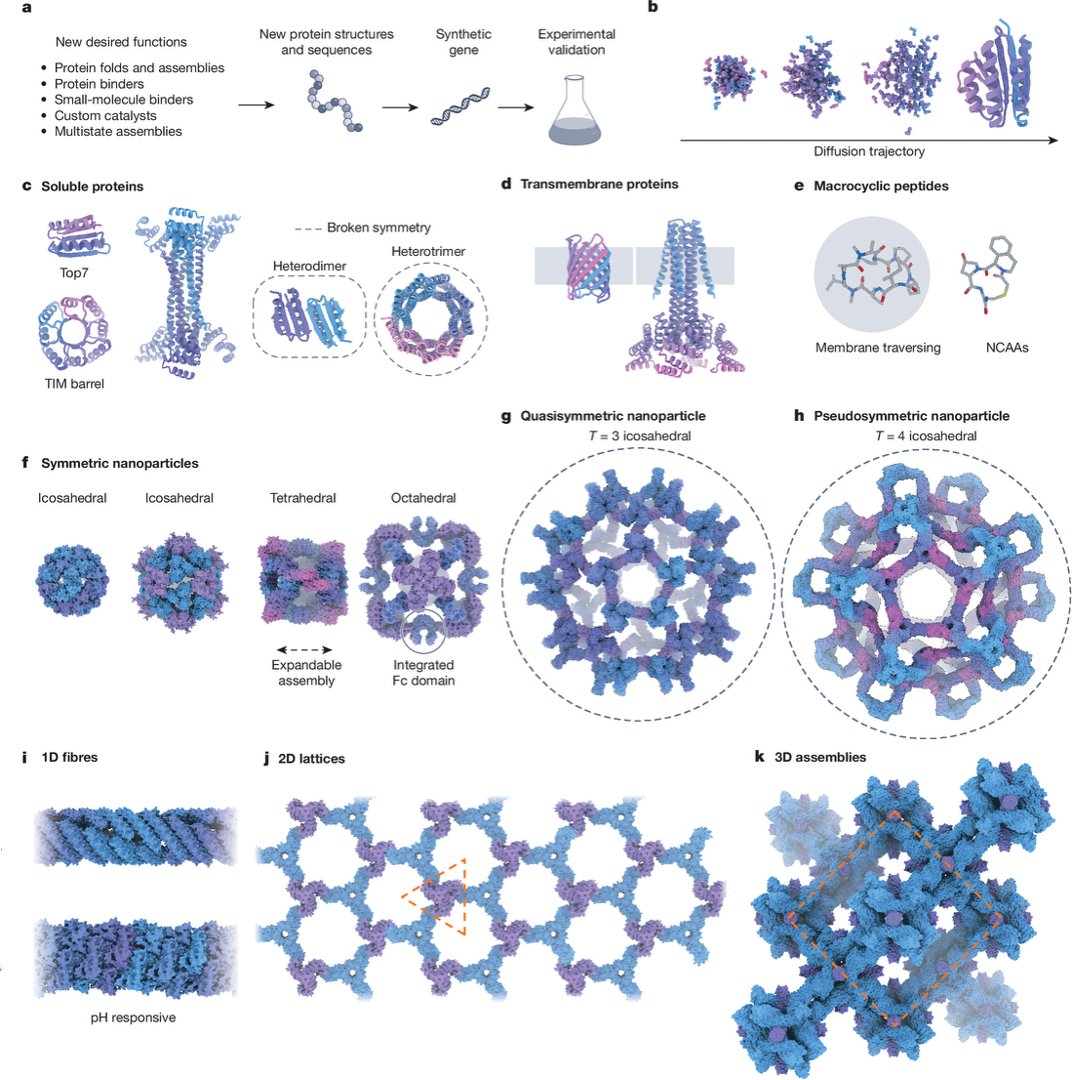
1/ Excited to share our new Review in @Nature:
“The past, present and future of de novo protein design.”
Here, we mainly focused on structure-guided protein design. The field is entering a new phase: now that we can design new proteins, what should we build next?
I came back to the United States, hearing about a very sad news: Craig Venter passed away today. He is a pioneer, successfully sequenced the first Human genome, and tried to create Synthetic Cells. We lost a giant in Science. RIP.
@JCVenterInst
The 17th Critical Assessment of Structure Prediction #CASP17 begins tomorrow. 2 #RNA targets per day for next few weeks! >60 servers registered already, including @kaggle teams. Join the fun at https://t.co/wbMGUMryza
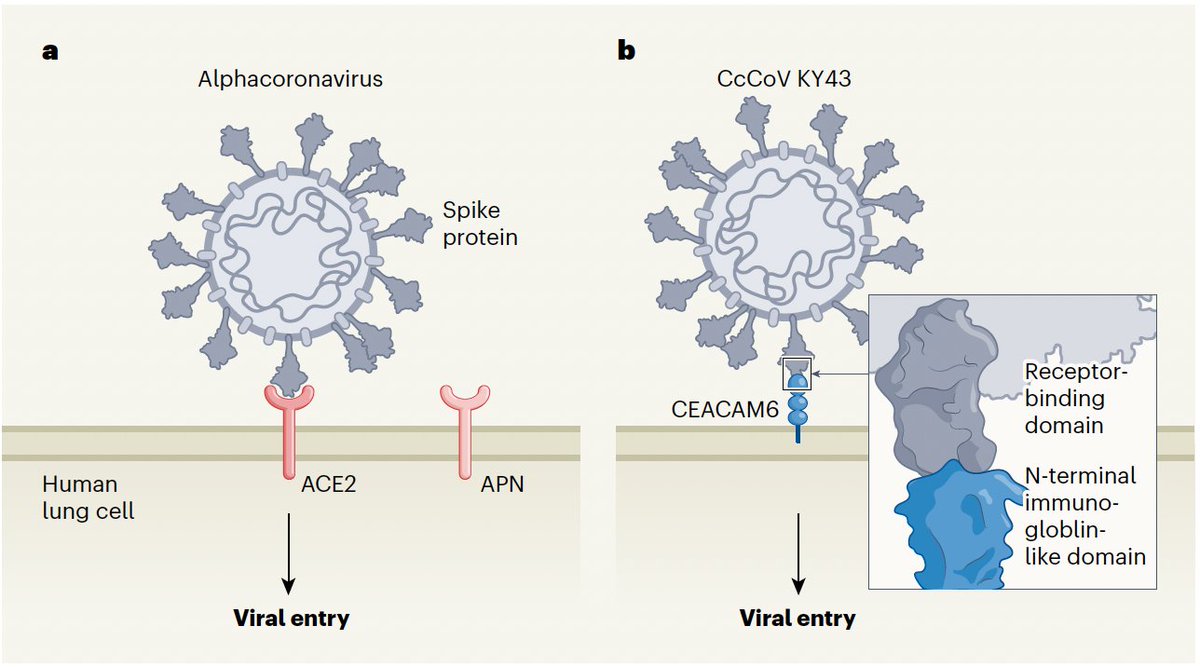
Discovery of a new receptor by which alphacoronavirus from bats can get into human cells and the potential for transmission https://t.co/LE5sTVyfkS @Nature
https://t.co/aszqnDMQqE @NatureNV