While Dāśarājña battle from the Rig Veda is well known, Jaiminīya Brāhmaṇa 3.245 mentions a different Dāśarājña battle involving king Pratardana, son of Divodāsa (of Kāśī, not the ancestor of Sudās of RV) and sage Bharadvāja. Here too Indra led them to victory in the battle.
When Unseen Forces Trouble Human Life: Abhicāra, Deva-Śrāpa and Other Bādhās in Jyotiṣa
Understanding the hidden signs of Gaṇa, Pitṛ, Deva and Preta Bādhā through traditional Jyotiṣa.
When Life Is Disturbed Without a Clear Reason
There are times when a person faces repeated troubles without understanding the actual reason. Problems may arise one after another, the mind may remain disturbed, and even simple matters may become difficult. In traditional Jyotiṣa, some such experiences are examined in connection with abhicāra, deva-śrāpa, pitṛ-bādhā, gaṇa-bādhā, preta-bādhā and other afflictions.
However, every problem is not caused by an unseen force. A single incident or symptom is never enough to decide the presence of any bādhā. Several indications must be present together, and they must agree with the findings of Praśna Jyotiṣa. Sometimes the same symptoms may appear in different types of afflictions, while the actual cause may be entirely different.
One should also understand that abhicāra, deva-śrāpa and other bādhās are not the same. Their causes and effects may differ. The duty of a Daivajña is to identify the actual cause rather than simply declare that some unseen force is troubling the person.
Parihāra should be considered only after understanding the cause. Performing rituals without knowing the actual problem may not help. In certain cases, when dṛḍha karma is strong, even proper remedies may give little result. Therefore, please do not ask for individual remedies in the comment section.
Unusual Signs Around Food, Worship (deepak) and Sacred Places (Like tirtha)
One of the traditional indications is repeatedly finding strands of hair in food, inside the mouth, or around the pūjā area and altar. Such incidents are sometimes considered while examining suspected afflictions. However, ordinary reasons must first be ruled out.
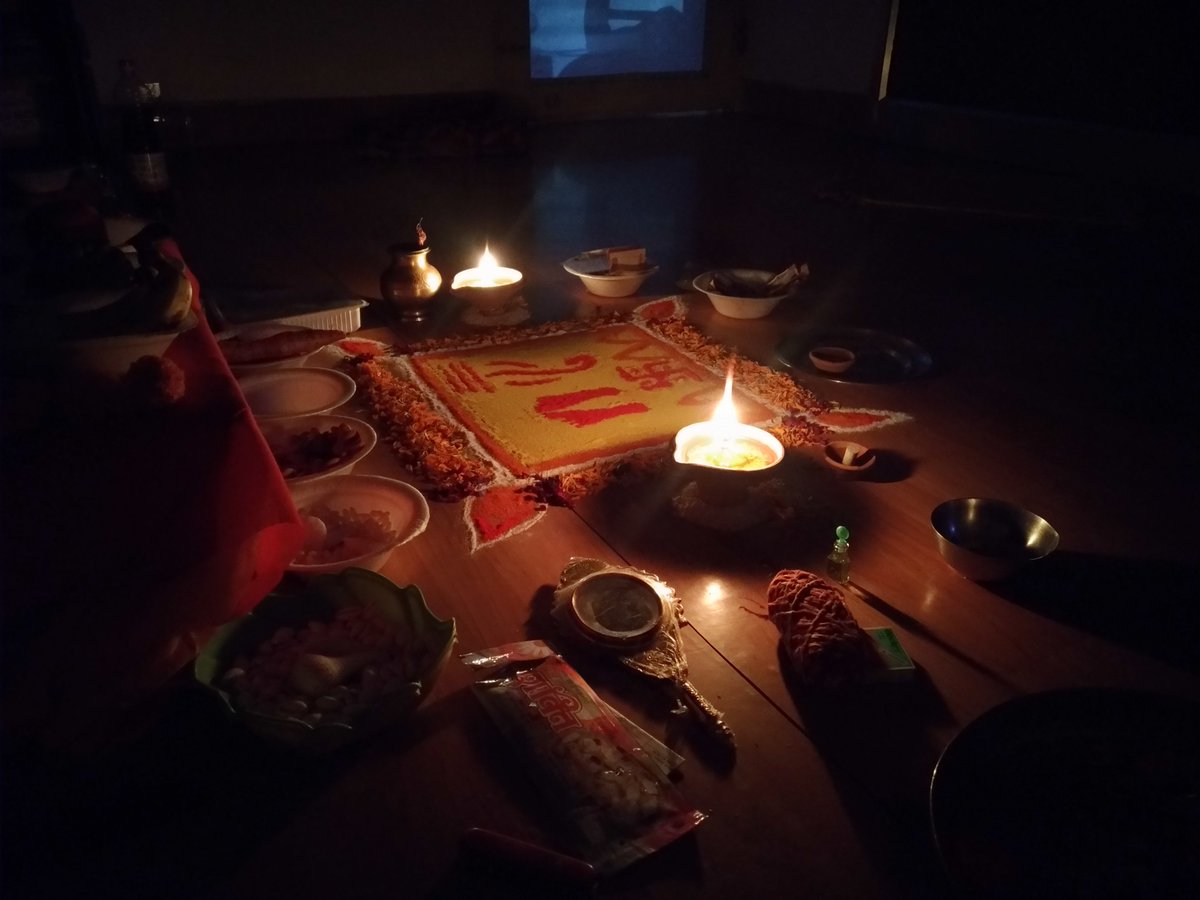
Another observation concerns the dīpa during important rituals. Sometimes the flame produces unusual crackling or hissing sounds. When this happens repeatedly along with other disturbances, it may be considered during an enquiry. At the same time, moisture in the wick, impurities in the oil and other natural causes can produce similar sounds.
Not every unusual incident during worship indicates deva-śrāpa or abhicāra. Such matters require proper examination before reaching any conclusion.
Dreams and Disturbances During Sleep (Unusual dreams)
Dreams are also given importance in traditional discussions of bādhā. Repeated dreams of men or women wearing red clothes, frightening figures, fearful scenes or unusual events are sometimes considered among the possible indications.
Dreams involving quarrels, ghosts, departed relatives or unknown spirits are also mentioned in connection with pitṛ and preta-related afflictions. However, a single dream has no such importance. Dreams can also arise from fear, stress, memories and physical conditions.
Another observation is waking up at almost the same time every night, especially when accompanied by disturbing dreams or unusual fear. This may be considered along with other indications, but it should not be treated as proof of any bādhā.
In Jyotiṣa, Candra has an important connection with the mind. Its condition and associations may be examined when studying mental disturbances. Still, an afflicted Candra alone cannot establish the presence of any spirit or unseen influence.
When the Mind and Speech Become Disturbed
In some cases, a person may suddenly find it difficult to understand simple things. Speech may become hurried, confused or unrelated to the subject. The person may speak without thinking or struggle to explain even ordinary matters.
Another observation is continuous restlessness. The person behaves as though riding a horse all the time, moving from one thing to another without any clear purpose. There may be constant irritation, impatience and an inability to sit peacefully.
Sometimes the mind behaves like a monkey jumping from one branch to another. The person cannot concentrate, thoughts keep changing, and conversations move from one unrelated matter to another.
These changes are sometimes considered in traditional examinations of bādhā, particularly when several other signs are also present. However, such behaviour may also arise from stress, lack of sleep, illness or other medical conditions. These possibilities should be examined first.
Troubles During Auspicious Occasions
Repeated accidents, sudden injuries or unexpected misfortunes are sometimes examined in relation to karma and other afflictions. However, accidents alone cannot prove the presence of abhicāra or bādhā.
Another interesting observation is the occurrence of repeated obstacles during marriages, childbirth ceremonies, family celebrations and other auspicious functions. When difficulties repeatedly arise during such occasions, traditional Jyotiṣa may examine whether there are indications connected with family karma, pitṛ-related matters or other causes.
Difficulties experienced while visiting certain powerful deva-kṣetras are also mentioned in traditional discussions. Here, the reference is to particular sacred kṣetras and not ordinary temple visits. Such experiences have sometimes been interpreted in connection with deva-related afflictions or the nature of worship.
However, every unfortunate event at a sacred place should not be considered divine displeasure. Deva-śrāpa is a serious judgement and should not be declared without proper examination.
Bodily Symptoms, Sudden Anger and Repeated Illness
Certain physical symptoms are also mentioned in traditional accounts of bādhā. These include repeated itching around the head or the back of the neck, sudden allergic reactions, and sensations similar to ants crawling over the skin.
Such symptoms have many ordinary medical causes. They should only be considered as part of a traditional enquiry when other relevant indications are present, and medical examination should not be neglected.
Sudden changes in anger and speech are another observation. A normally peaceful person may begin using harsh words, insulting others, speaking against sacred matters or becoming angry without an obvious reason. Traditional accounts sometimes connect such behaviour with certain afflictions, but stress, illness and personal circumstances can also explain these changes.
One particularly interesting matter in Jyotiṣa is the repetition of illness on certain tithis or weekdays. Sometimes a person may notice that a particular trouble returns around the same lunar day or vāra.
Jyotiṣa gives great importance to kāla, or time. Therefore, repeated events connected with particular tithis and vāras may be examined astrologically. However, illness may also follow natural medical cycles, and such repetition alone cannot establish an unseen cause.
Why Every Bādhā Is Not the Same
There is an important difference between abhicāra, deva-śrāpa, pitṛ-bādhā, gaṇa-bādhā and preta-bādhā.
Abhicāra traditionally refers to harmful actions performed through certain ritual practices. Deva-śrāpa is understood in connection with divine displeasure or offences against sacred matters. Pitṛ-bādhā concerns ancestral matters, while gaṇa and preta-bādhā belong to other categories described in traditional beliefs.
Although their causes are different, some outward symptoms may appear similar. Therefore, fear, disturbed dreams, repeated illness or family problems cannot be used to identify a particular bādhā.
This is where Praśna Jyotiṣa becomes important. The Daivajña must examine the relevant bhāvas, grahas, their sambandhas and strengths before making a judgement. One yoga or a single indication is not sufficient. The different factors must support one another.
It is equally important to understand that a person may suffer repeated problems without having any such bādhā. The cause may be ordinary circumstances, illness or the operation of karma.
Dṛḍha Karma and Why Remedies May Not Work
In Jyotiṣa, karma has an important place. Every difficulty should not be blamed on abhicāra, śrāpa or spirits. Sometimes suffering is understood as the result of one's own karma.
The distinction between dṛḍha and adṛḍha karma is important here. When karma is strongly fixed, the possibility of changing its results may be limited. Performing repeated homas, pūjās or other rituals does not necessarily remove every problem.
This is why identifying the actual cause is more important than immediately suggesting a remedy. A wrong judgement may create unnecessary fear and lead to repeated expenditure without any useful result.
Jyotiṣa Should Reveal the Cause, Not Create Fear
The purpose of Jyotiṣa is not to blame every misfortune on unseen forces. A proper Daivajña must examine the matter carefully and distinguish between ordinary problems, karmic indications and the traditional categories of bādhā.
The signs discussed here belong to traditional beliefs and observations. They are not established proof of supernatural activity, and many of them have natural or medical explanations.
One must remember that a symptom is only an indication, not a final judgement. Several indications must agree before any conclusion is considered, and even then the limitations of such interpretations must be understood.
The real importance of Jyotiṣa lies in understanding kāla and karma. Without knowing the cause, one cannot properly judge the nature of suffering or the need for parihāra.
A learned Daivajña should bring clarity to a troubled person, not increase fear through unnecessary claims of abhicāra, deva-śrāpa or other bādhās.
क्वांटम फिजिक्स का मानना है कि उर्जा कभी खत्म नहीं होती ।
मान लीजिए कि एक सेब है और आपने उसे एक वैक्यूम डब्बे में बंद कर दिया । एक दिन वो सेब सड़ जाएगा, एक दिन वो सड़ा हिस्सा भी खत्म हो जाएगा । पर उस डब्बे में उस सेब की उर्जा बच जाएगी । अब आपने यदि उस जब्बे को तोड़ दिया तो सेब की जो उर्जा है वो वातावरण में फैल जाएगी और फिर उन परिस्थितियों की तलाश करेगी जिसमें वो सेब बना था , वो परिस्थितियां बनते ही वो वापस सेब बनेगा ।
पुनर्जन्म का पूरा सिद्धांत यही है।
आप की मृत्यु हुई । आप वहीं रहेंगे । उसी मिट्टी में । और फिर उन परिस्थितियों की तलाश करते रहेंगे जिसमें आप वापस पैदा हो सकें । ( जो जहां मरता है वो वहीं पैदा होता है ) मिट्टी जितनी दूर ट्रैवल ��र सके बस उसी रेंज में ।
मंगल मिट्टी का कारक है ।
मान लीजिए कि कोई व्यक्ति अमेरिका से पटना आया और पटना में मर गया । तो अब ये पटना के आस पास पैदा होगा अगली बार और फिर इसके तमाम कनेक्शन विदेश से चूंकि थे पास्ट लाइफ में तो उस जन्म में ये विदेश यात्रा करेगा , पढ़ने चला जाएगा ।
सूर्य , चंद्र जब से मानव अस्तित्व है, वो हैं । रिकार्ड कीपिंग का काम है इनका । लोकचक्षु और कर्म साक्षी इनके नाम हैं ।
प्रोजेक���टर जिस तरह वीडियो प्रोजेक्ट करता है, मोबाइल की इमेज को पर्दे पर उसी तरह मिट्टी से उठा कर सूर्य चंद्र इंसान का जीवन प्रोजेक्ट कर देते हैं ।
क्रमशः
Told you. Asuri onslaught on India is now in full force. They have completely conquered rest of the world. Only India, Iran, Russia are left from complete submission.
Modi will not be able to fight it out. He has divine blessings that's why he has achieved so much but in every Yuga it is Bhagwan's avatar who fights evil, not any humans.
@darkandcrude No. Kaurava were always breaking laws. Panchalis vastrakshep, substituting shakuni for himself by duryodhana,burning of castle are glaring examples. But all these didn't result in death. Abhimanyu was killed which couldnt be reversed. So it became a huge moment.
I hv just learned something
Shiva = Bāṇaliṅga
Vishnu = Śālagrāma
Ambā = Svarṇamukhī
Sūrya = Sphaṭika
Gaṇeśa = Śoṇabhadra
Skanda = Kumāraliṅga
X is a beautiful lake—choose the lotus, not the venomous beings.
Erkkara Raman Nambuthiri, who was considered as the foremost authority on Vedic śrauta ritualistic tradition of Kerala. It is said that he was a ṛtvik in more than 100 śrauta rituals performed in Kerala during the last century.
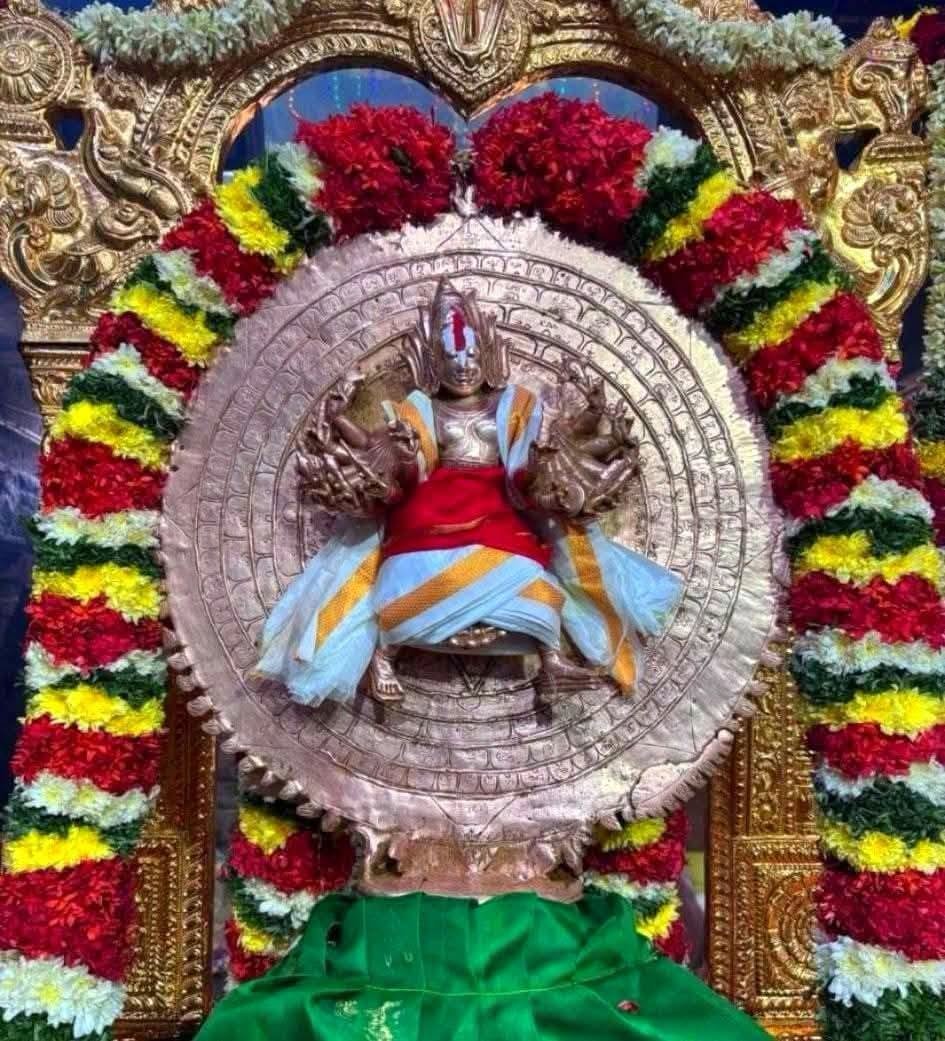
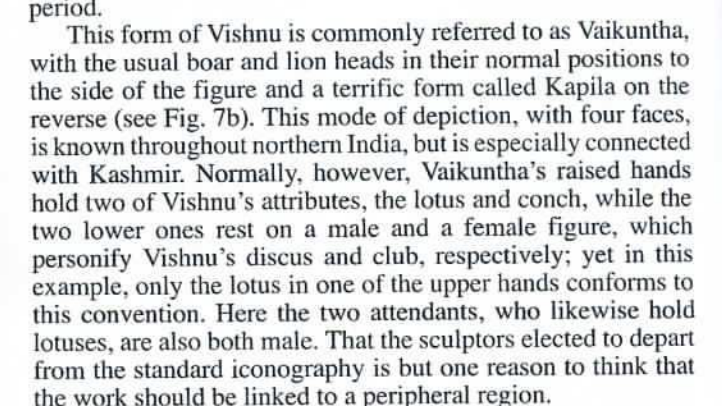
An ugra-roopa of Vishnu was worshipped by Ancient Afghan Hindus known as Kapila, which is connected to the Chaturmukhi Vaikuntha form of Vishnu which was worshipped in Kashmir
An ugra-roopa of Vishnu was worshipped by Ancient Afghan Hindus known as Kapila, which is connected to the Chaturmukhi Vaikuntha form of Vishnu which was worshipped in Kashmir
There were 18 major famines in British Raj which killee 200 million people and in teh first famine under British rule the madras famine - 85 lakh people died in 2 years and changed the Rayalseema terrain for ever
Rayalaseema (The territory or border of Rayas) was India’s most prosperous region for centuries under Vijayanagar and hence the world richest temple Tirupati is in his region and also the capital of Vijayanar the Hampi and later the Penugonda kingdom which was formed after destruction of vijayanagar
It was so rich cos the hindu kings had maintained and built a series of canals, irrigation, tanks and wells which enabled semi arid region of Rayalaseema grow crops and become fertile and never worry about food or drought
British come and destroy all that and the canals and tanks of those era are still seen but dry and completely destroyed
This lead to such famines and so much drought and poverty in the region that millions died, the people became poor, uneducated, violent (most of factionalism we see today is result of that) and one of the poorest in Andhra Pradesh and Karnataka, but off course no text books tell that, and especially Madras famine under british is never shown in movies as Oppression Depression Supression is all blamed on Brahmins by so called Betiyarists who are nothing but british stooges. First time some one is making a movie on Madras Famine a main stream cinema and they have dared to mention this real and forgotten history, that is why telugu cinema is so special
Another Peak Bengaluru moment.
Was stuck in traffic on Old airport road.
A guy knocks on passenger side window. Smiles and Compliments the car.
I say thanks wondering what this is.
He then hands me a visiting card.
I ask why…
He says I’m a wealth manager
call me 😅
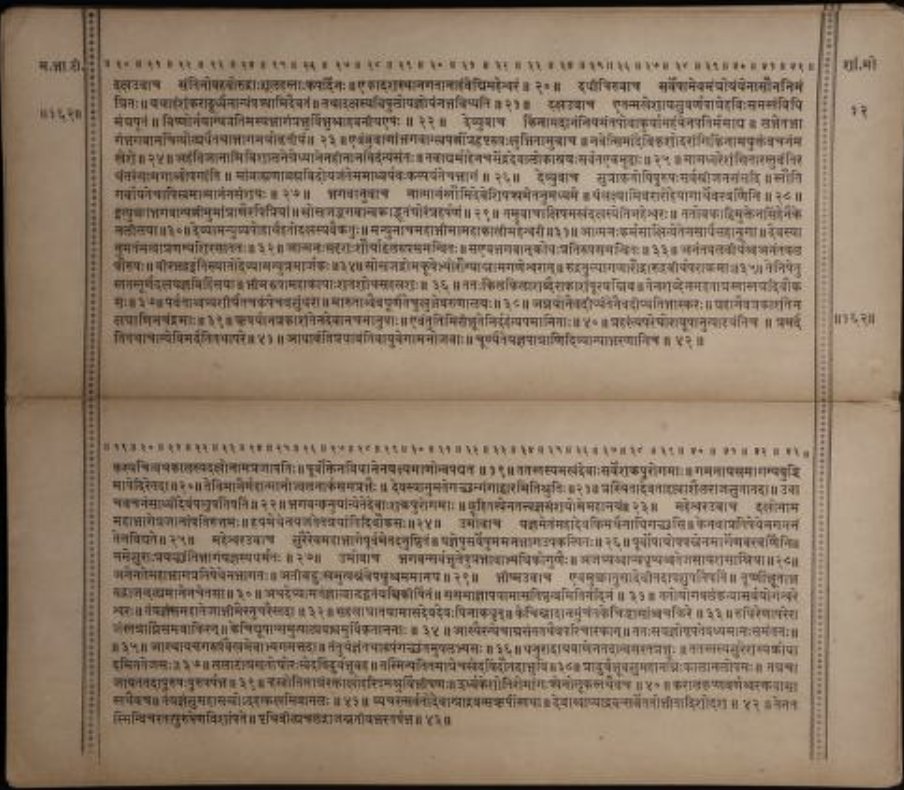
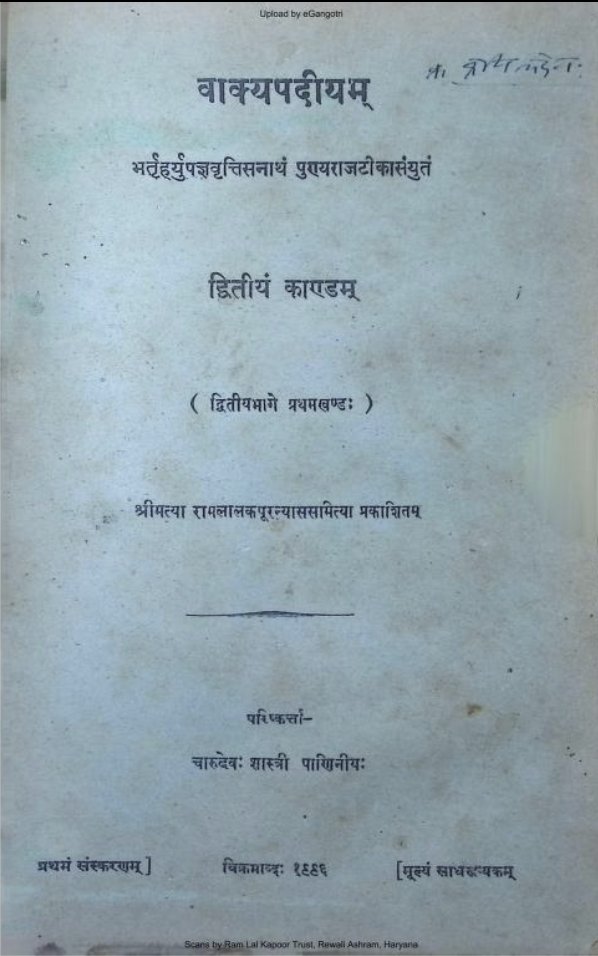
This month we have uploaded our 1 Lakh-th pdf.
New Stats are:
Total PDF count to date is now: 100,747
Total Data generated: 15.64 TB
Total Page Count: 28 Million+
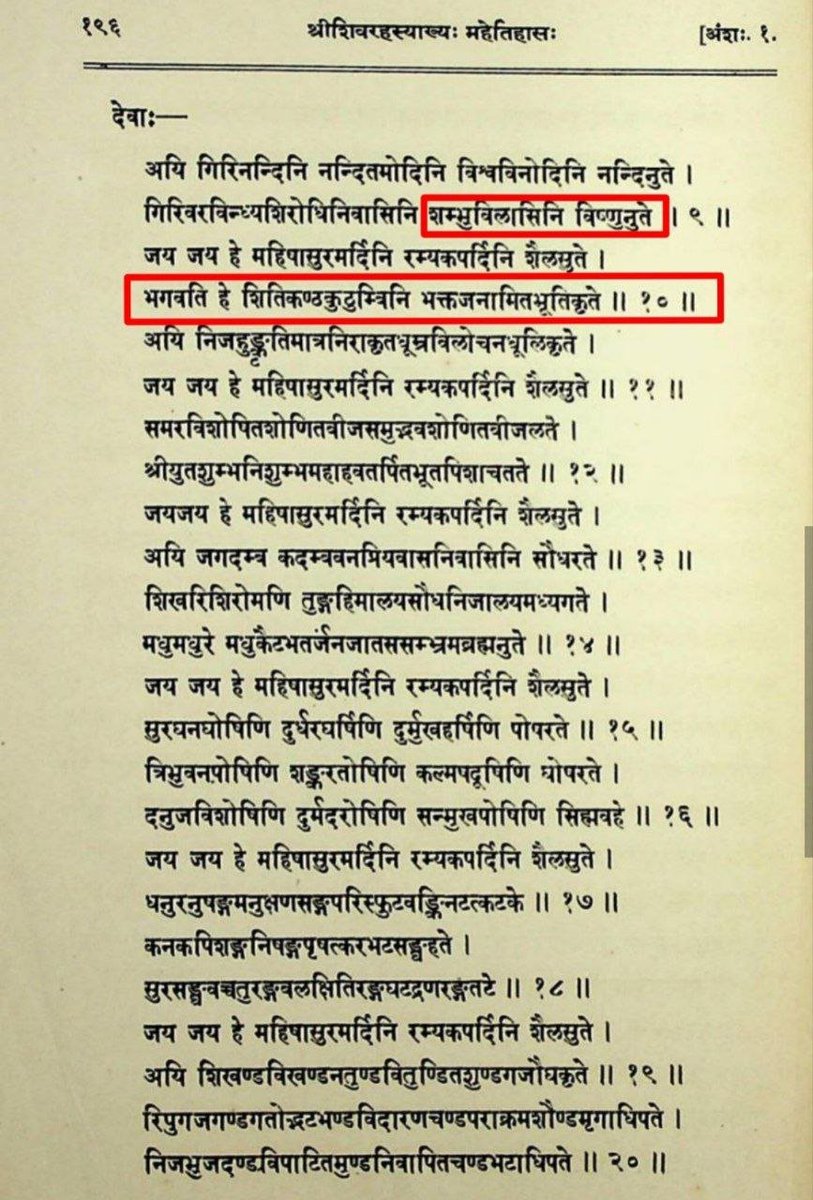
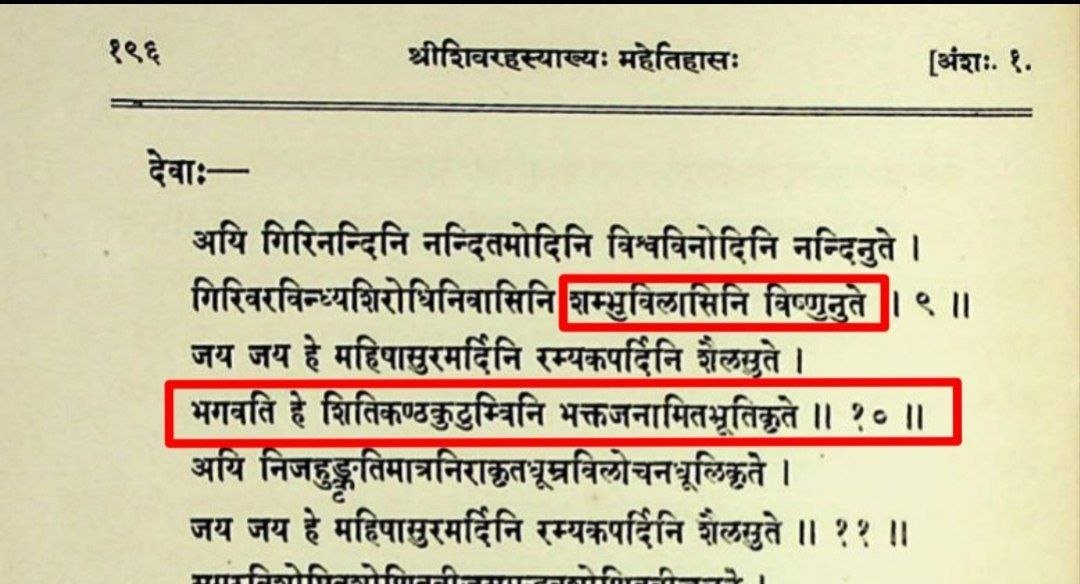
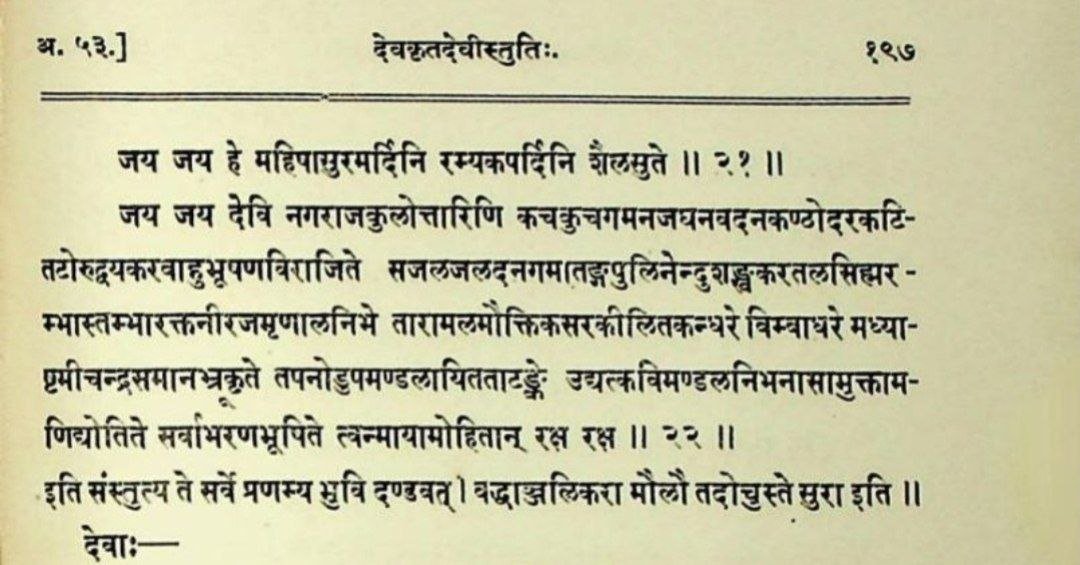
The Mahishasura Mardini Stotram was not written by Adi Shankaracharya. It was only later attributed to him.
The actual stotram is found in a Saiva text called Śivarahasya Mahāitihāsa, where some verses and wordings differ slightly from the version commonly recited today.
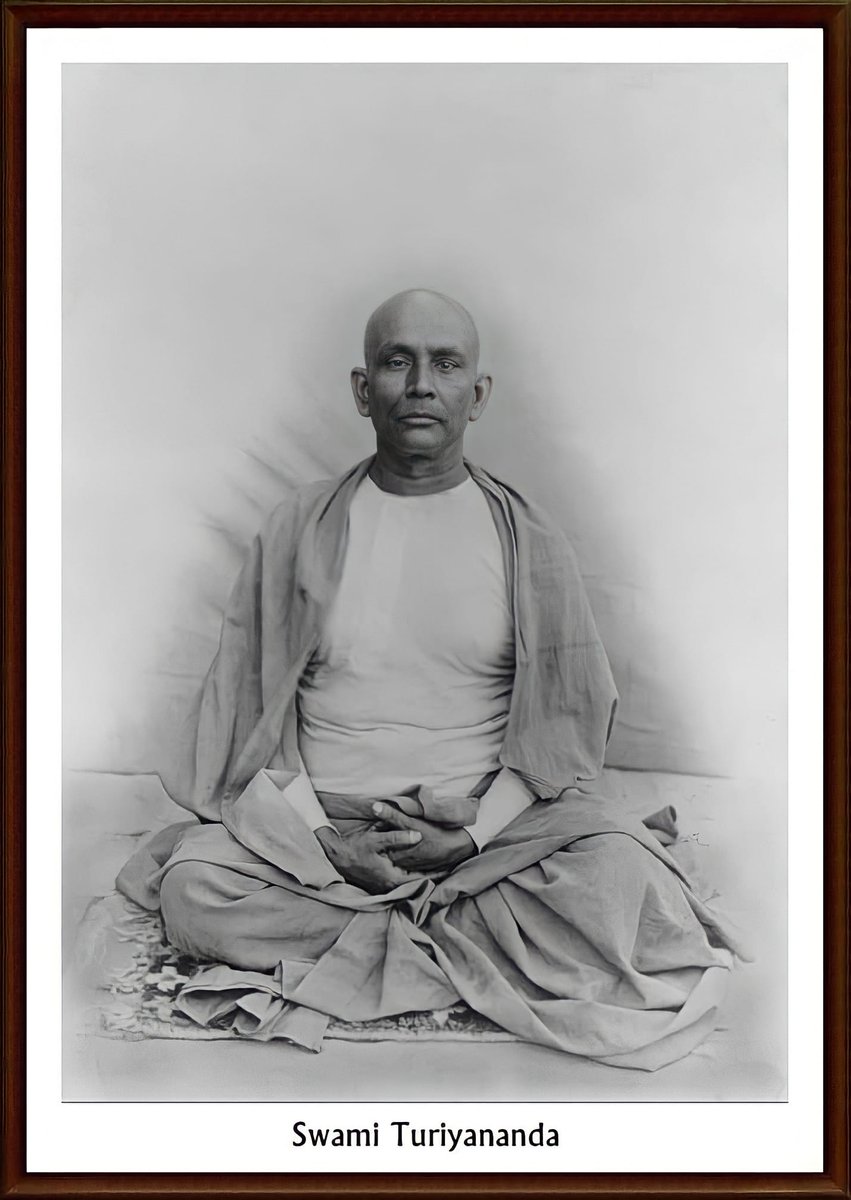
Do not accept any gifts from anyone. For the gifts will harm you; they will take away your independence. You may accept gifts only from good men who would not interfere with your independence and seek to control you.
SWAMI TURIYANANDA