We just launched Canada’s new AI Strategy: AI For All.
We’re taking control of our future — with AI that’s governed by Canadian values, AI that’s accountable to Canadians, and AI that serves all Canadians.
Attended a great workshop today on #FME and automated #Data workflows. Great examples of how to expose legacy #OoenData to #AI agents using FME and enable plain language queries of data sets using AI. https://t.co/RzN2sQmlAr
I think it is worth re-upping this now with the release of the AI strategy. Lots of talk of job losses due to AI. But I still believe AI will help us do things we are not already doing rather that automating what we current do.
Interesting podcast on AI adoption. Stefano says AI is not about automating what we are doing now. It’s about automating what we are not already doing. Not about doing things cheaper and faster, but differently to create better products. https://t.co/WEzIMojs52
@RubiRubidoooo This looks real to me. I took a Royal Caribbean cruise once and we just did circles in the North Atlantic to avoid a hurricane. Eventually we had to come back to Miami and the seas were rough. Didn’t stop people from sitting in the hot tub and treating it like a wave pool 😂
SSC is developing some very cool agentic AI tools with CanChat - a sovereign AI tool specifically for the Government of Canada. If you are a federal public service and you have the opportunity to try CanChat, I’d say take the opportunity
Good summary of global oil situation, esp. jet fuel. TLDR: ME produces medium crude - prized for diversity of products, like jet fuel. Asia largest importer of ME oil. Asia largest exporter of jet fuel. 🇬🇧 🇩🇪 biggest importer of jet fuel. Result: jet fuel shortage in Europe
[CHARTBOOK] Strait of Hormuz closure and the oil shock of 2026 - slides for a presentation to the British Institute of Energy Economics: https://t.co/yL3UeeaHjW
[CHARTBOOK] Strait of Hormuz closure and the oil shock of 2026 - slides for a presentation to the British Institute of Energy Economics: https://t.co/yL3UeeaHjW
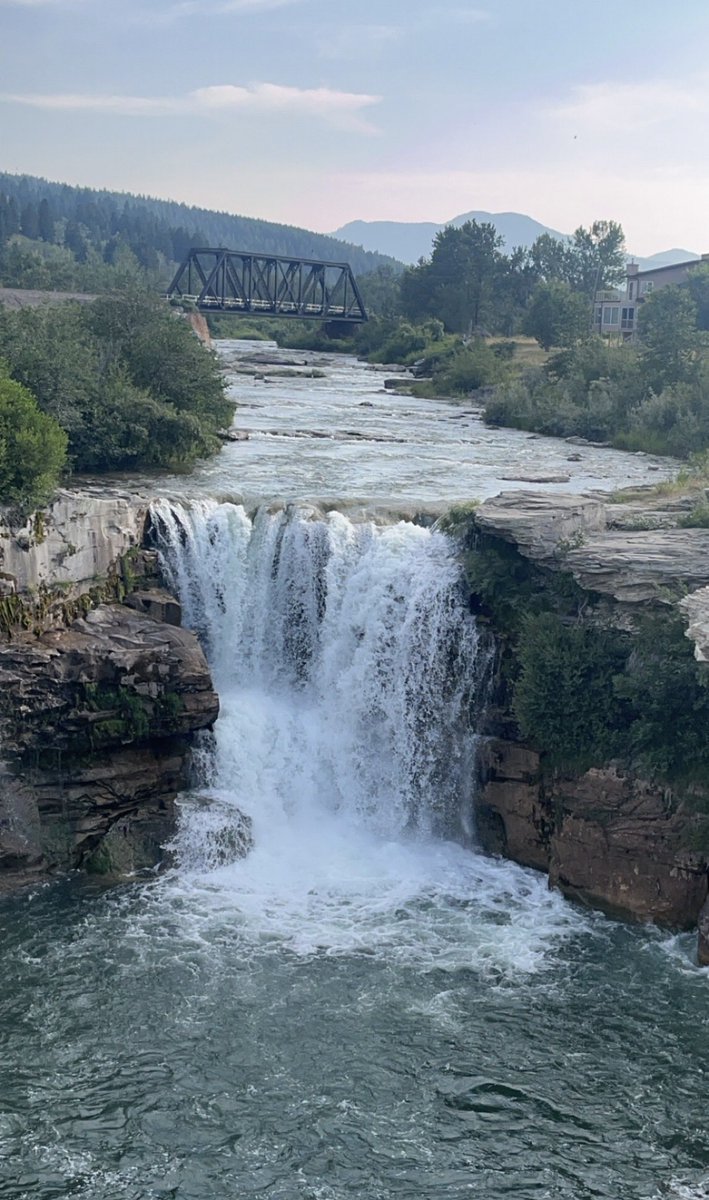
@Alex_Panetta I tested it around Ottawa and Calgary. It did a good job of picking up places like Almonte, Field and some of the small villages in Quebec. It notably did not identify Canmore or Banff 👍. But it missed some cool spots like Drumheller, Frank and Longview in Alberta
I love it when people take Government of Canada #OoenData and do something cool with it or present it in ways that the government never imagined. This is exactly what Scott Brison had in mind when he signed the Open Data Charter in 2016.
I have developed a browser application to load, display, modify and analyze Statistics Canada tables. I believe it is superior to the agency's own app which is slow, limited and dated. Please give it a try at: https://t.co/sRmdLvwyQX
Collaborating with the awesome Jonni Walker on this Vancouver AIS visual featuring @Kpler data on top of what is probably the most stunning map I've seen created in @Mapbox! Kudos Jonni 🙌
#dataviz#motion#gis#maps#ais
Strap in: Follow one of our paratroopers from @16AirAssltBCT jumping in to Tristan da Cunha – one of the world’s most remote communities – to deliver vital medical support 🪂
@JacquiDelaney The ship was denied entry at other ports.
Spanish gov’t used emerg powers to override local authority & allow docking for humanitarian reasons - locals not happy.
My guess: countries agreed to repatriate their citizens to hasten medical care & limit political fallout for Spain.
This is a monarch butterfly migration arriving in the oyamel fir forests of central Mexico. None of these butterflies has ever been here before.
Their great-great-grandmothers left this exact grove in March. By July those grandmothers were dead. The butterflies you're watching are four to five generations downstream, born somewhere between Texas and Ontario, and they just flew up to 3,000 miles to a tree none of their parents ever saw.
The brain doing the navigation is smaller than a grain of rice.
The mechanism is a sun compass time-compensated by a circadian clock running in the antennae. Cut the antennae and the monarch loses orientation within hours. The clock corrects for the sun's position drifting across the sky as the day moves. Add iron-bearing magnetite particles for magnetic field detection on cloudy days, and a 0.5 gram insect is running redundant inertial guidance.
The destination is more specific than the navigation.
They cluster on a few dozen oyamel fir groves in the Sierra Madre at 9,000 to 11,000 feet. The microclimate has to sit between 32 and 41°F. Below freezing kills them. Above 41°F burns the fat reserves they need to survive five months without feeding. The right band exists a few hundred meters thick on a few specific mountains. Outside it, the migration ends.
One generation each year is built differently from the rest. Summer monarchs live two to six weeks. The fall generation lives eight months. It postpones reproduction, fattens up, and carries the entire round trip in a single body.
The map is genetic. Nobody has fully decoded how.
A monarch hatched in a backyard in Toronto in September has never seen a mountain, never smelled a fir, never met an ancestor. It flies south for ten weeks, picks the right peak, and lands on the tree its bloodline has been returning to for tens of thousands of years.
The forest knows the families that come back.
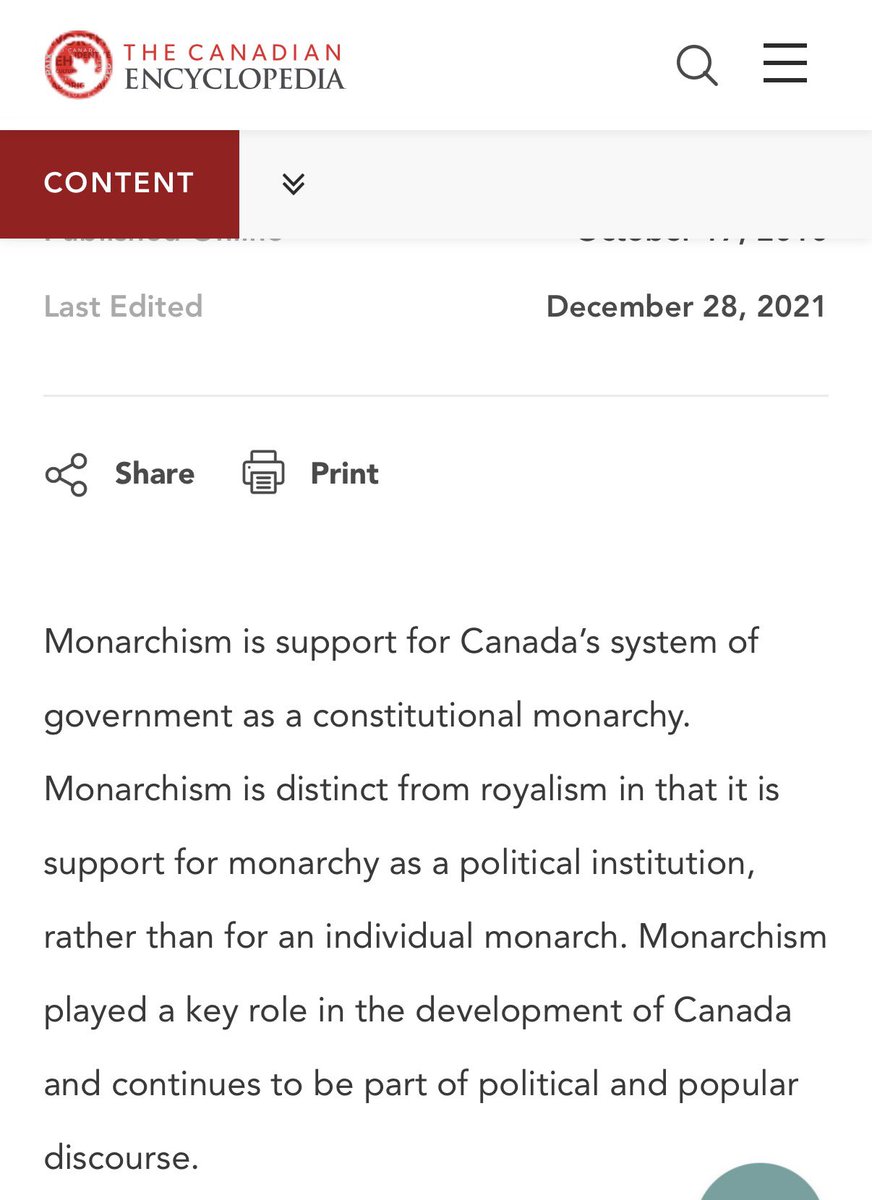
@Harry__Faulkner She probably could have answered more clearly by saying, yes, I am, in the sense that will accede….” But she essentially said that she is a monarchist




![JKempEnergy's tweet photo. [CHARTBOOK] Strait of Hormuz closure and the oil shock of 2026 - slides for a presentation to the British Institute of Energy Economics: https://t.co/yL3UeeaHjW https://t.co/HWXdNxr2vB](https://pbs.twimg.com/media/HIsVcI7XIAEL0cg.png)