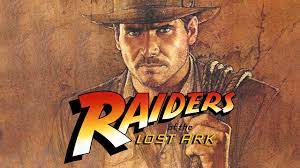
RAIDERS OF THE LOST ARK was released 45 years ago today. The first Indiana Jones movie and one of Steven Spielberg’s most beloved films, the behind the scenes story is an adventure all of its own…
1/36
INDIANA JONES AND THE TEMPLE OF DOOM was released 42 years ago this week. The second entry in the Indy series, and one of Steven Spielberg’s darker movies, the story behind the scenes is like a runaway mine cart…
1/50
¡Buenos días!
El burnout es un síndrome que afecta a la calidad de vida de los trabajadores en residencias de mayores.
¿Cuáles son sus efectos en los cuidadores y en los mayores?
Descúbrelo a continuación:
https://t.co/x3ggLApeGz
¡Buenas!
La pandemia del Covid-19 fue un evento de resiliencia, adaptación y cambio. Este proceso se denomina "crecimiento post-traumático".
Puedes leer más aquí:
https://t.co/NQGphhqE4y
Contar chistes es un arte que engloba varios estilos.
Arroyito y Pozuelón tienen un estilo peculiar; ni mejor, ni peor, diferente. Y tienen orgullo, aunque sea del Tercer mundo.
El #MakeEmLaugh de Faemino y Cansado arranca con el famoso chiste del águila.
HILO🧵⤵️
@HyundaiEsp 🚨 Su concesionario oficial Cobendai (Madrid) tiene a más de 15 clientes con vehículos pagados y sin entregar.
Mi caso: Tucson PHEV septiembre de 2025, promesa de entrega en 1 mes, 3 cuotas ya pagadas (más la entrada), sin coche todavía.
Hilo con más detalles 🧵
Phil Collins released "Two Hearts" as a single this week in 1988.
📹 Performed here on the "Seriously, Live!" Tour - 35 years ago.
Listen: https://t.co/vzL3zAptei
Drew Struzan, the renowned artist known for designing posters for films including “Star Wars,” “Back to the Future” and “Blade Runner,” died on Monday. He was 78.
“It is with a heavy heart that I must tell you that Drew Struzan has moved on from this world as of yesterday, October 13th. I feel it is important that you all know how many times he expressed to me the joy he felt knowing how much you appreciated his art,” read the statement from his brother Greg Struzan.
Read more here: https://t.co/4gl2vLnMAJ
Australian actor Julian McMahon, known for his starring roles in ‘Nip/Tuck’, ‘Charmed’, ‘FBI: Most Wanted’ and the 2000s ‘Fantastic Four’ movies, died July 2 in Clearwater, Florida after a private battle with cancer. He was 56. MORE: https://t.co/7o7dUanIjL
BACK TO THE FUTURE was released 40 years ago today. One of the most beloved movies of the 1980s, and the film that made Michael J. Fox a movie star, the behind the scenes story is pretty heavy…
1/45
#otd in 1962 MIT released CTSS, the first functional time-sharing system that allowed multiple people to use a computer terminal at the same time: https://t.co/qXvQAfii9R
Video v/@GBH & @MITMuseum
I was recently asked why we do not teach students to write code in Python... completely skipping the perils of memory management and pointers. Some prestigious computer science departments have taken this route. A cynical voice in my head warns that it is because the professors themselves can't write code anymore.
Even though it is not 'economical', I argue that you still should write a lot of your own code from scratch.
In the 1980s, writing software meant building everything from scratch. Needed a sorting function? You coded it. Developers relied on recipe books or shared snippets of code. Software was lean, running on minimal memory and disk space. It was easy (easier than today) to switch on a pixel on your screen... but if you wanted a hash table, you had to provide it.
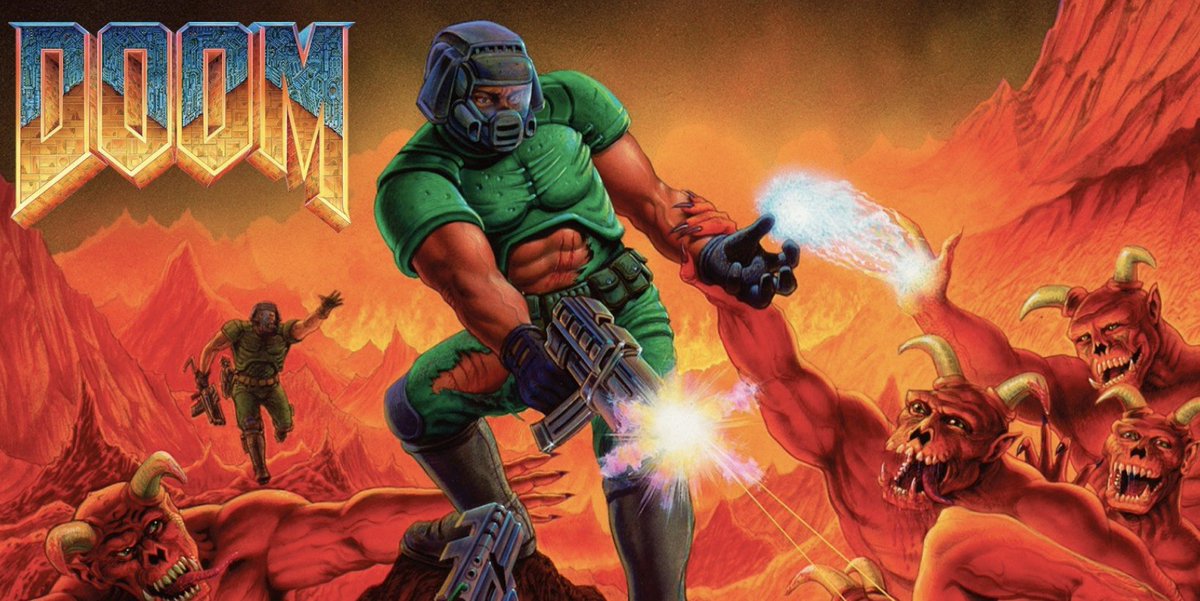
Looking back, games like Doom—built with just 10,000 lines of code and 5 MB of disk space—seem remarkably efficient compared to modern games that span gigabytes. The original Linux kernel was about 10,000 lines of code too!
Today, programming feels like magic. Complex algorithms like red-black trees come for free, backed by stacks of intricate code handling dynamic programming, Unicode, and more. A teenager could recreate Doom in weeks, if not days.
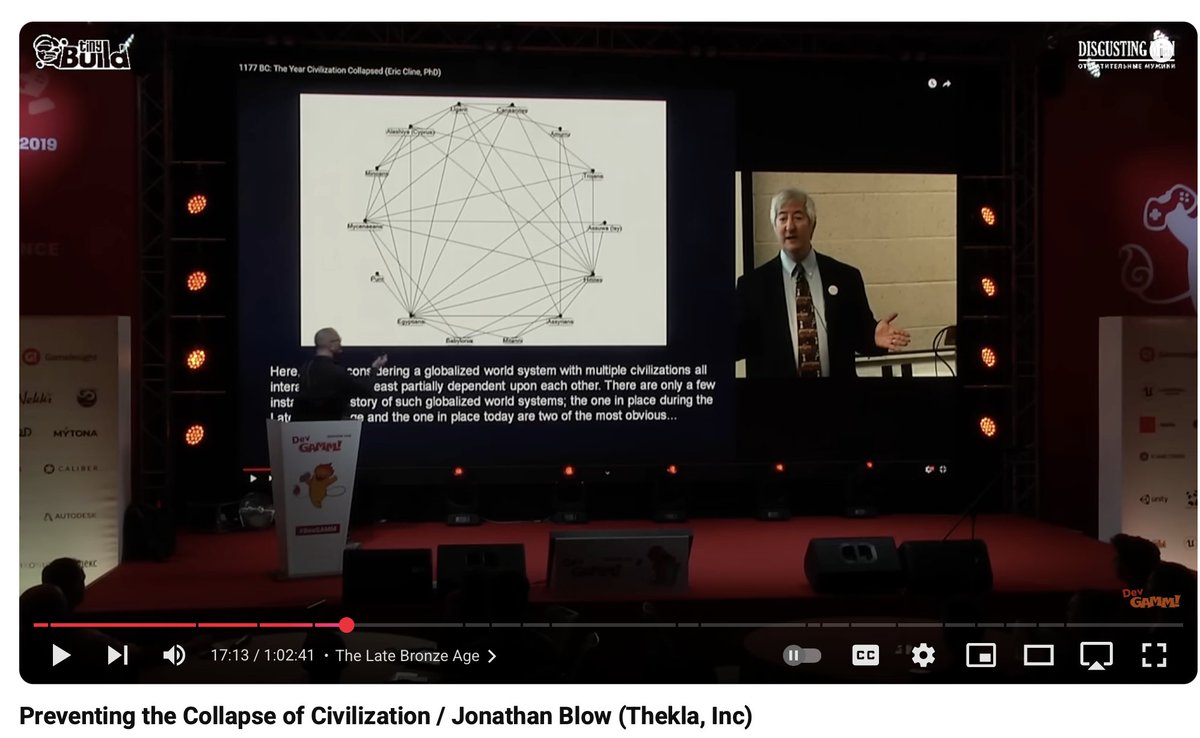
We cannot—and would not want to—return to the MS-DOS era. Programming today is far more accessible, which is a net positive. But complexity looms. As Joel Spolsky noted, “all abstractions are leaky.” When systems grow so intricate that no one fully grasps the foundations, we risk becoming like children inheriting a world we do not understand—where things work, or do not, and no one knows why. Jonathan Blow (@Jonathan_Blow ) has warned of this potential collapse, urging us to stay grounded in the fundamentals.
The web’s complexity, with its sprawling standards and stacks, is particularly troubling. Engineers like Andreas Kling (@awesomekling ), building browser engines from scratch, are unsung heroes navigating this modern software chaos. Keep in mind how remarkable it is that, except for Andreas's work, we have roughly two Web browser engines: Firefox's engine and WebKit/Chromium. Though WebKit and Chromium are now distinct, one is roughly a fork of the other. How many people understand how it is built and how it works?
This mirrors broader concerns. Just as we value international trade but worry about losing the ability to build critical technologies like drones, software’s growing reliance on dependencies raises similar risks. We need both—dependencies and trade—but unchecked complexity could lead to fragility. Balance is required to avoiding collapse.
In concrete terms, if you value culture (and you should), you want people to write high quality software from scratch around you. You do not want to be reliant on a few super large teams inside massive corporations.
On the short term, there is a trade-off between culture and efficiency. But a rich culture has deep benefits in the long run.
So pay a beer to the guys writing a browser engine from scratch!
🎨 En el #DíaMundialDelArte celebramos la creatividad como motor de cambio.
Guadalupe Cantarero, profesora del Grado en Arte Digital:
“Este grado es para quienes sueñan con crear lo que aún no existe”.
Porque imaginar también es construir futuro 💡
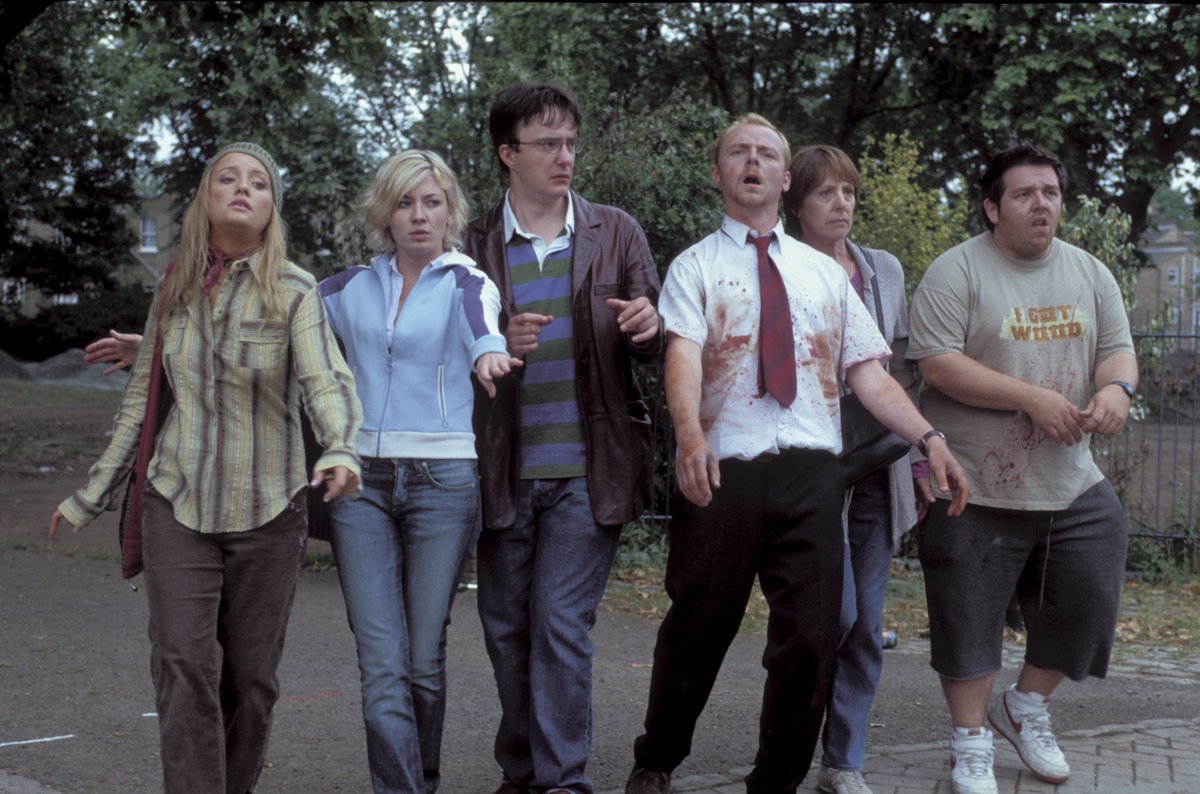
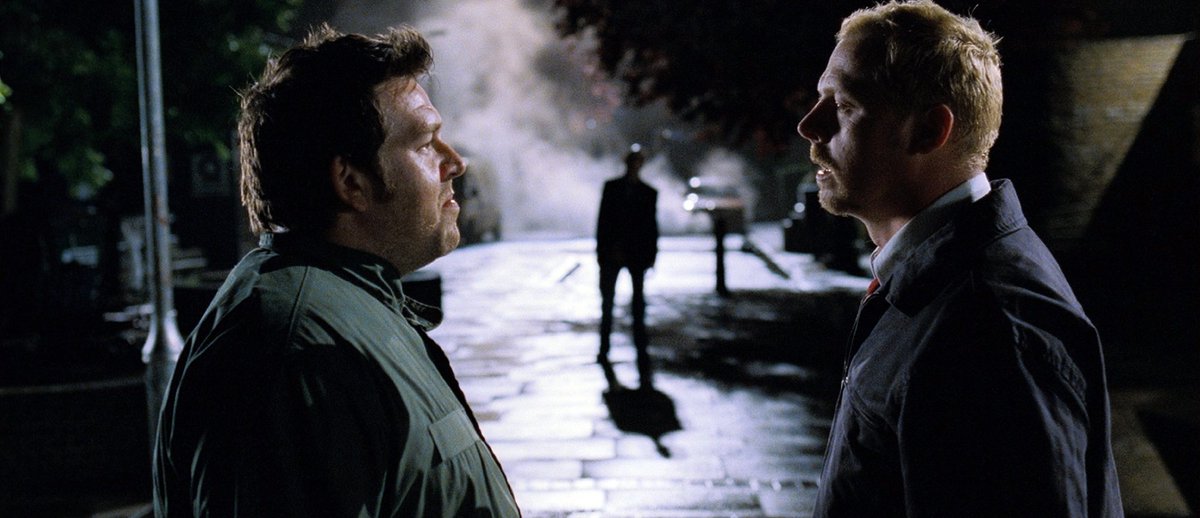
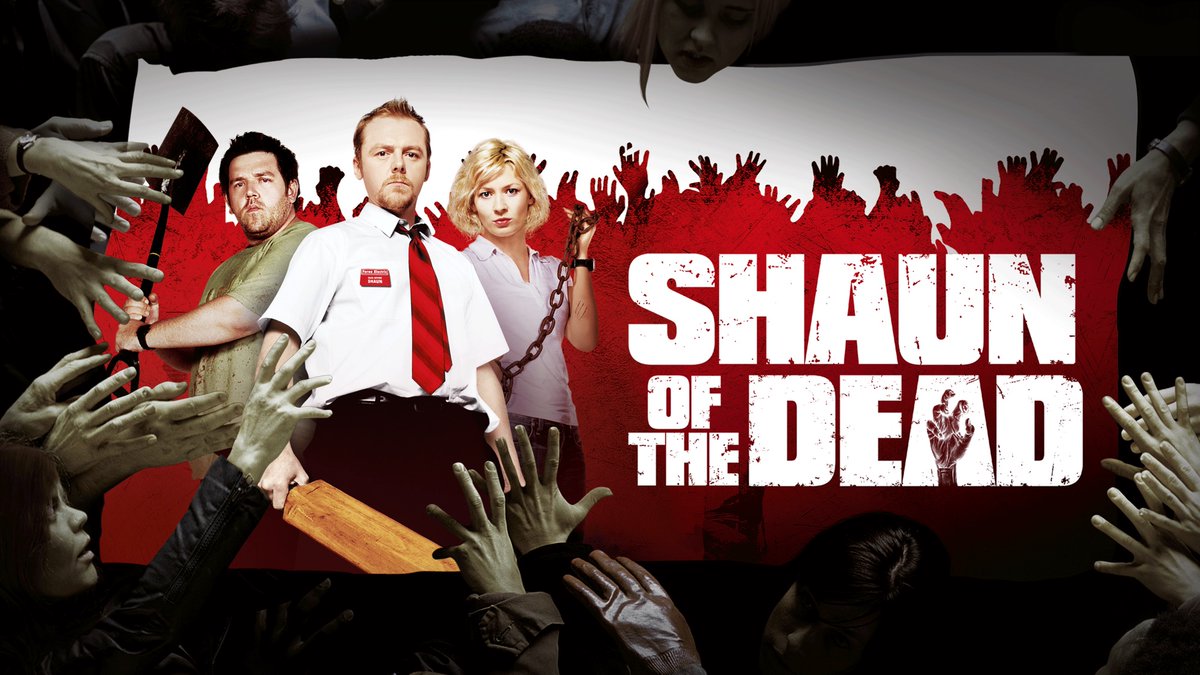
SHAUN OF THE DEAD was released 21 years ago this week. Acclaimed as one of the great British comedies and the first part in Edgar Wright’s Cornetto Trilogy, the behind-the-scenes story is a slice of Fried Gold…
1/38
🎓Me gustaría contar con toda la comunidad universitaria estos 6 años que vienen. Comenzamos con el Plan Gobierno Abierto URJC 2025-2031, donde podéis mandar todas vuestras propuestas para el cambio.
👀Podéis hacerlo aquí: https://t.co/vg8zJU4zbN
#NuestraUniversidadPrimero
¡Hola! Acabo de publicar en amazon un nuevo libro infantil , con una historia genial para los peques, con unas páginas coloreables y ¡Un video musical! El escritor es Scott Gray, guionista de los “Rugrats” y “la patrulla canina” entre otros. ¡Casi nada!
https://t.co/WKJ7NF2d0B
MIT’s “Introduction to Algorithms,” published #otd in 1990, is the world’s most cited CS text, with 67K citations & over a million copies sold.
https://t.co/Xy5ve7l803
@mitpress