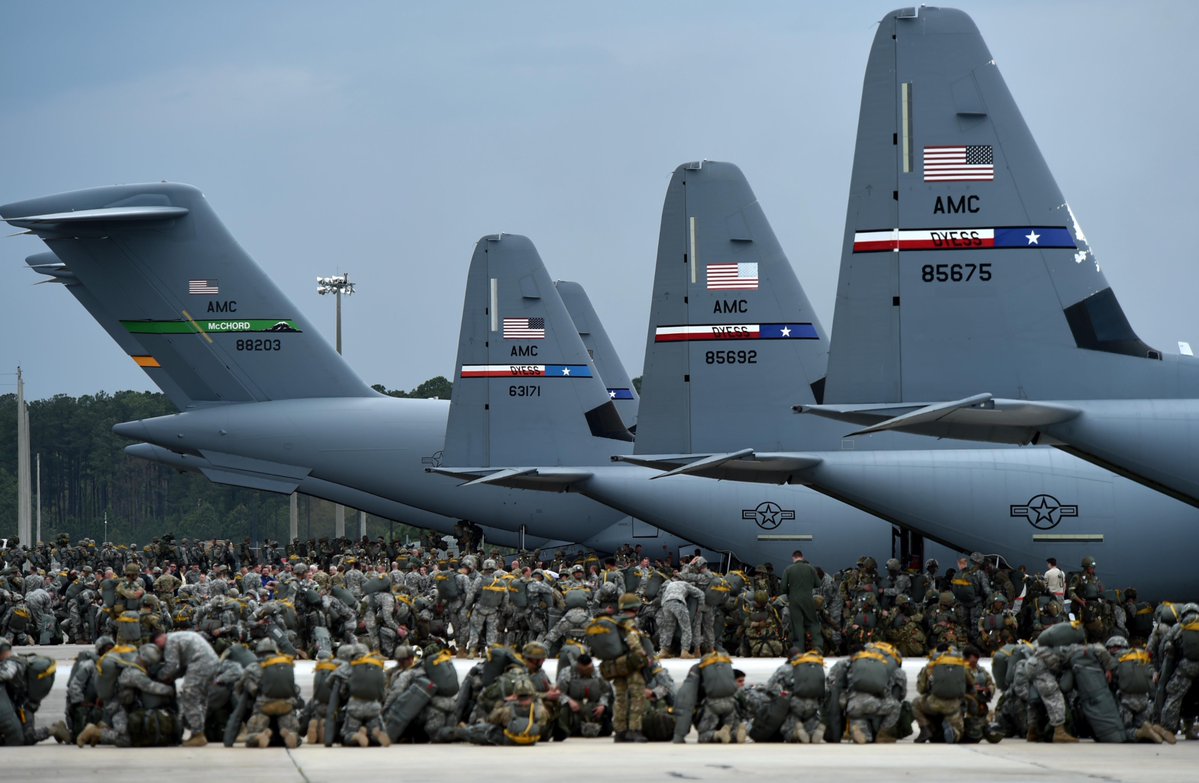
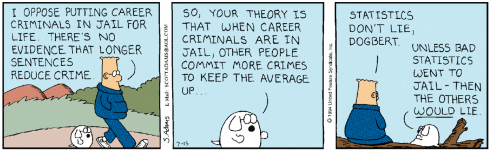
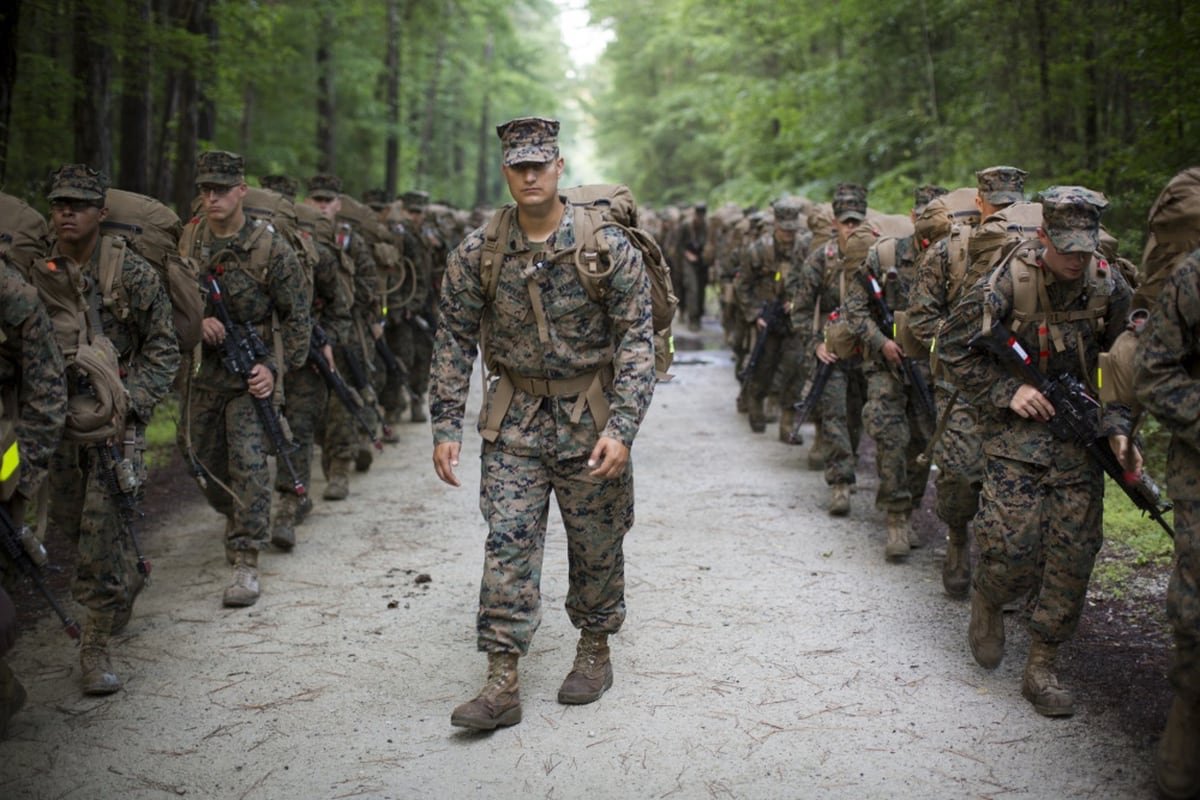
Yes. This is essentially a systems engineering view of readiness. Every system has at least four components: input, process, output, feedback. We typically measure readiness in terms of inputs: how many $ did we spend, how many x do we have (PESTONI), how many reps did we do. We don’t measure actual combat effectiveness against an adaptive adversary. And we don’t measure our own adaptability and velocity. We just kind of assume they naturally happen with the right inputs.
It’s basically the same as deciding that if an NFL team does all of the strength and conditioning, runs position drill and scrimmages, and watches film, that those events will naturally synthesize into a Super Bowl win. Which we all recognize would be dumb…
Claude Code automatically adds itself to the commit metadata "Co-Authored-By: Claude Opus <[email protected]>".
I strongly disagree with crediting Claude as a commit co-author. It is a tool I'm paying for, not a copyright holder, not an author. We don't credit Visual Studio.
NYT headline yesterday:
A driver in a Tesla vehicle that was engaged in automated driver-assistance mode crashed into a house in Texas and killed a woman.
Today: Tesla logs confirm the driver manually overrode the self-driving system and had the accelerator floored the entire time.
The first headline (lie) gets all the clicks.
The facts get overlooked.
And the NYT doesn't bother with a correction because it doesn't fit their narrative.
Modern military readiness systems have a category error at their core.
They measure preparedness — how well forces align with expected missions and anticipated conditions. But history shows assumptions fail. Wars, technological shocks, and strategic surprises routinely expose the gap between what was measured and what actually worked.
This thread mirrors a draft paper that proposes a different foundation: Readiness is the ability to generate effective capability regardless of conditions. It is not a condition to be measured (yet). It is an outcome generated by two organizational properties:
- Generative Capacity (A) — the ability to create new capability.
- Adaptation Velocity (Δ) — the speed at which potential becomes capability.
Together they form the Catalytic Layer that converts resources into all real military power.
Thread on rethinking readiness from first principles. 1/11
@millerman Deflation is the result of an abundant culture (in which everything becomes information and is priced by Moore’s Law). It does not cause abundance as the subtitle seems to imply.