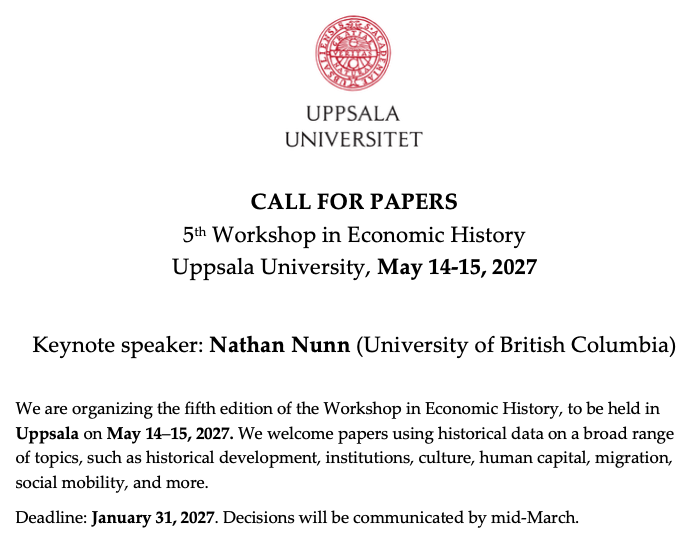
Announcing the 5th Workshop in Economic History in beautiful Uppsala on May 14-15, 2027. This year, we are very happy to have @DrNathanNunn as keynote speaker! Spread the word and submit your papers by January 31.
Call for papers: https://t.co/q0VsYZc6DB
📣 EAYE 27 CFP is open!
We invite early-career economists from all fields of economics to submit their work for the next Annual Meeting
📍 IMT School for Advanced Studies, Lucca, IT
📅 22–24 May 27
📄 Paper/extended abstract
📅 Deadline: 15 Nov 26
Spread the word! #EAYEAM27
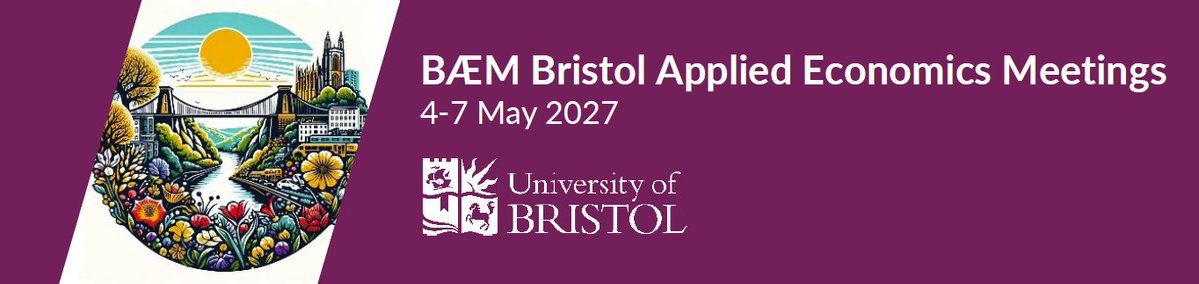
Join us for the 2027 Bristol Applied Economics Meetings (BÆM)!
💥 Economics of Crime, Violence, and Conflict, 4-5 May
Keynotes: Emily Nix & Paolo Pinotti
🌍 Development Economics, 6-7 May
Keynotes: Benjamin Marx & Diana van Patten
Call for papers👉 https://t.co/ay92D8ouCA
🚨 Call for papers 🚨We're launching the first Junior Economic History Conference in spring 2027. Submissions are due 30 November 2026.
Check out our website: https://t.co/ZfI2txl0gh
Submit a paper: https://t.co/EmnwYxSkH3
Read below for more info.👇🏻
(1/6) #EconX#EconTwitter
MIT published a brutally honest report on what AI is doing to students.
A committee of professors and students spent five months studying how AI changed learning on campus, and the findings read like a warning to every university on the planet.
Study groups are disappearing. Office hours are emptying out. Problem sets and take-home exams no longer prove anything, because AI can produce credible solutions to almost any written assignment in the undergraduate curriculum. Students who lean on chatbots lose mastery and confidence, and some slip into what the report calls cognitive surrender, reaching for AI at the first hint of struggle.
The numbers are rough. 46 percent of surveyed MIT undergrads use LLMs daily. 90 percent worry about their own overreliance. Undergrads who feel AI makes them replaceable now outnumber those who feel it makes them capable.
The committee's answer surprised me. They refused to fight AI with surveillance. The report calls AI detectors unreliable, says lockdown browsers feel like spying, and warns that policing students builds a classroom atmosphere of mutual distrust.
Instead, MIT wants to rebuild education around the things AI can't replace. That means oral exams, semester portfolios, in-person project work, and a required social component in every subject. The report even floats the idea of rethinking grades entirely, since without a GPA to optimize, much of the incentive to cheat with AI evaporates.
The committee warns professors against replacing undergrad research assistants with AI agents just because they're cheaper, because a university exists to grow people, not output.
The most famous tech school on earth admitted the machines broke its way of teaching. Its answer is more humans, not more software.
Es gibt eine offizielle Stellungnahme des @VfS_econ , verfasst von Regina Riphahn, Kerstin Schneider und mir (unter Mithilfe einiger KollegInnen) zum drohenden Verlust von Daten in Deutschland. Bitte RT und mit Euren Kontakten in der Politik sprechen.
https://t.co/UwJc4HBw63
🚨 About to submit an Econ paper?
I just updated the Econ Journal Matchmaker:
🔗 https://t.co/kZETl89h0r
I incorporated some of the most requested features.
#EconTwitter Please help spread the word by reposting. 🙏
More details below 👇
📢📢📢
I am looking for a Research Associate (Predoc) to work on exciting projects in the economics of media and political economy.
Please share and apply! More information available here: https://t.co/rDVmg3dgoQ.
Deadline: June 28.
#econra#econ_ra@econ_ra
Delighted to see our work with Sebastian Kohl, @Lucastella28, and Simon Voss on overcrowding in Germany published open access in @HousPolDebate. We examine the drivers of overcrowding and discuss implications for housing policy.
https://t.co/zRnoYmxILD
📢 Berlin calling! Opening for a PhD position in my team.
Application Deadline: April 13, 2026
Link below. Please DM in case of questions.
#EconTwitter#econjobmarket
https://t.co/bh7RxpsFYu
My research team (w/ Sam Bazzi, Eric Chyn, Martin Fiszbein, Thomas Pearson, and Pat Testa) is hiring a full-time economics pre-doc starting in May! If you know someone who might be interested, see the link below: https://t.co/Sk0Q8G0QzA
🎉 Our study “Do Natural Disasters Affect Household Saving?” came out in Economics of Disasters and Climate Change!
After Germany’s 2002 flood, affected households saved less — generous aid can ease hardship but also reduce precautionary saving.
https://t.co/J8O4BEE95U...
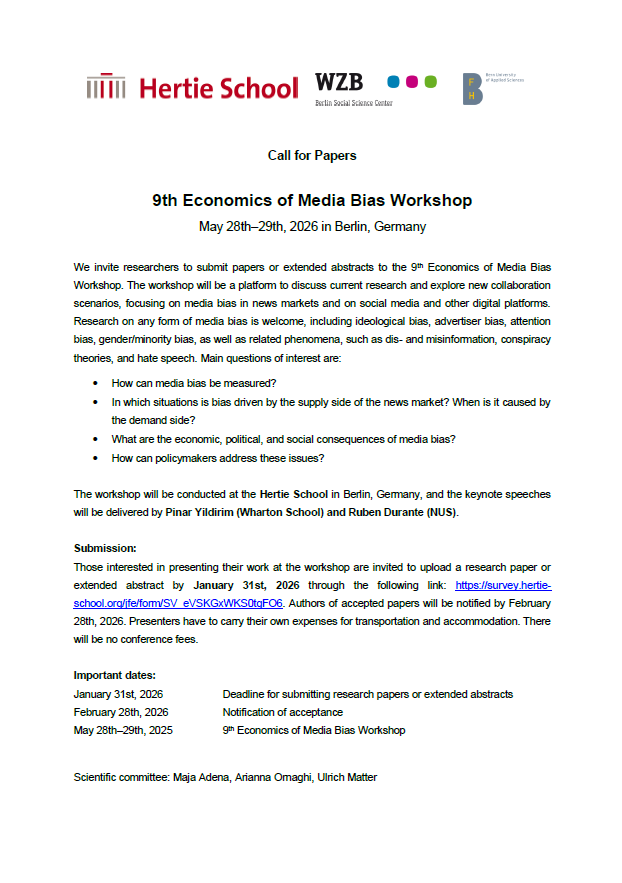
📢 Call for papers
9th Economics of Media Bias Workshop
Keynotes: Ruben Durante (NUS) and Pinar Yildrim (Wharton)
🗓️ May 28th-29th 2026
📍 Berlin, Germany
⏰ Deadline: January 31st 2026
Full CfP and information on how to submit: https://t.co/ipJ2rNdtYe
Fourth edition of our workshop, with the great Sascha Becker as keynote. May 28-29, if you have a paper on institutions/culture/political econ and more with historical flavour please feel free to apply. Help us spread the word!
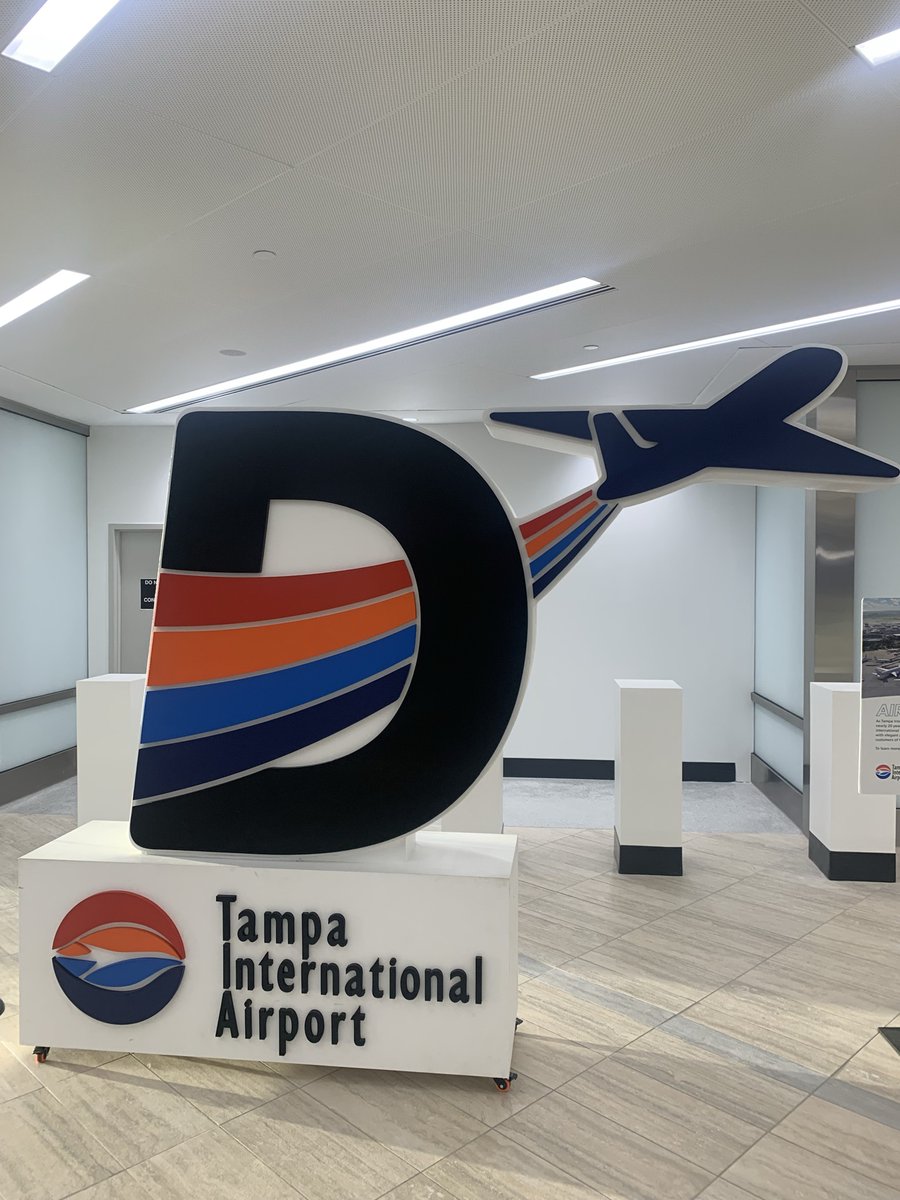
Just arrived in Tampa for the 95th Meeting of the Southern Economic Association! Looking forward to great discussions and new ideas.
If you’ll be here and want to meet up, feel free to send me a DM. Always happy to offer advice to early-career scholars and students.
#SEA2025
📢 Call for papers!
The EAYE Annual Meeting welcomes submissions of full papers or extended abstracts (4-8K characters) in all fields of economics
👉 18–20 May '26, University of the Basque Country
⏲️ Submission deadline extended to 28 December 2025!