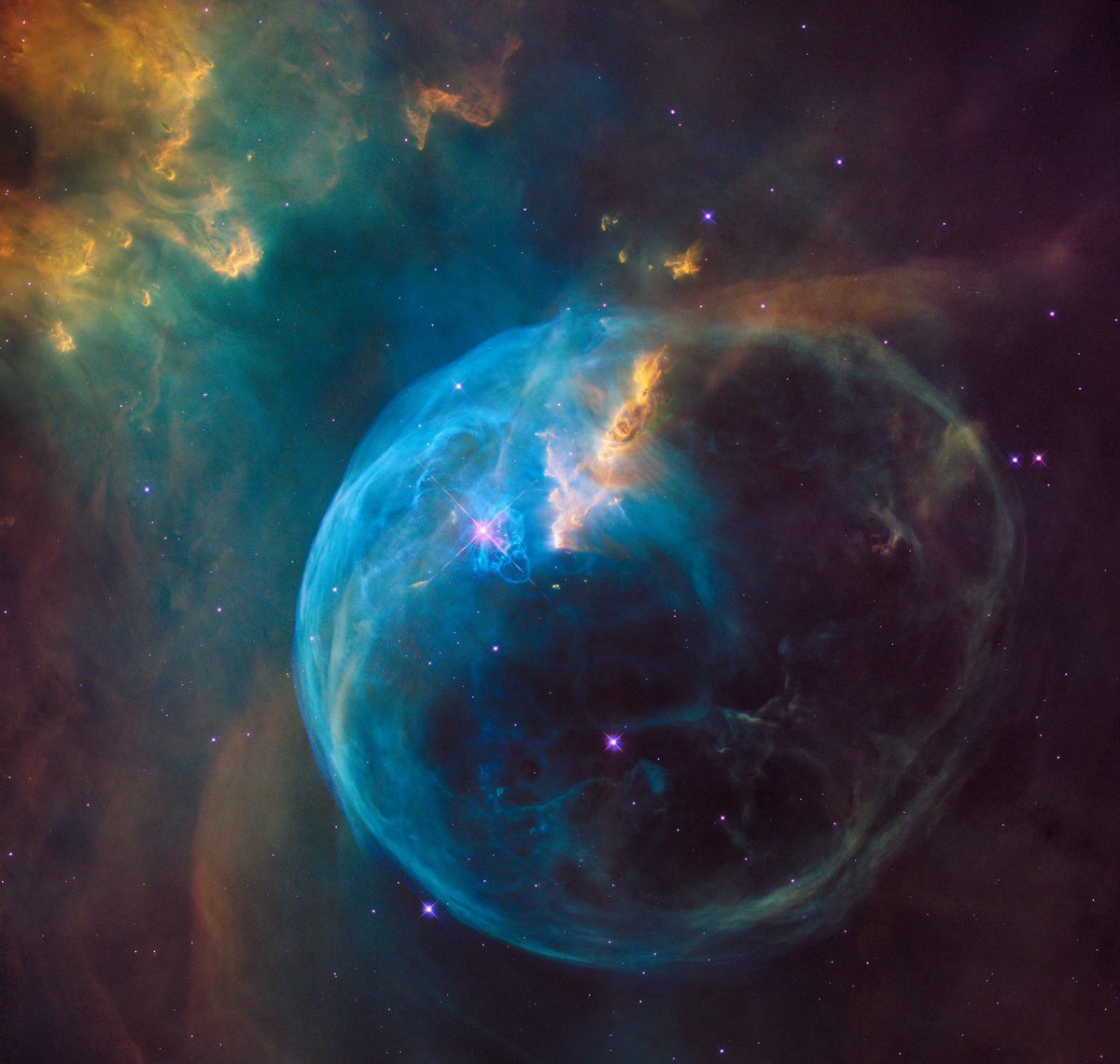
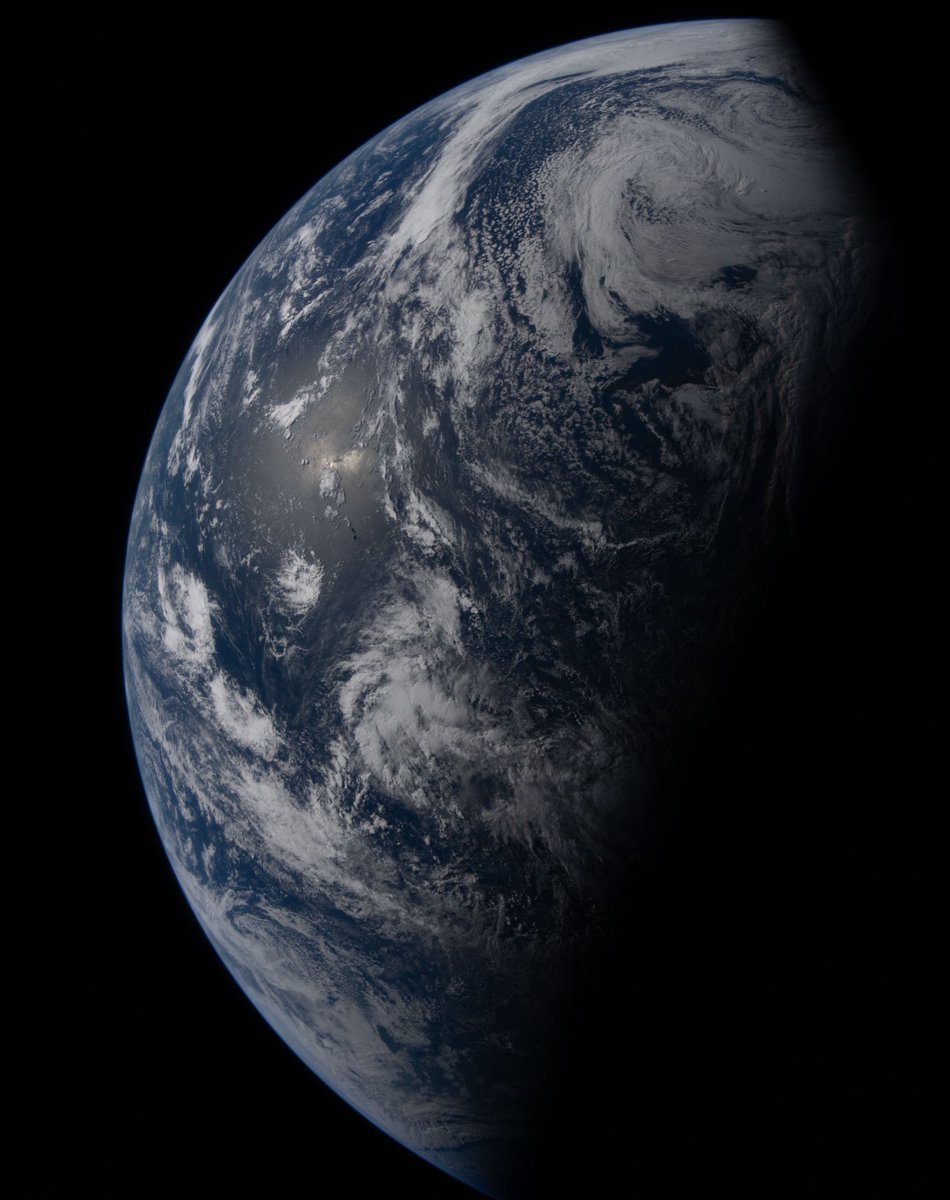
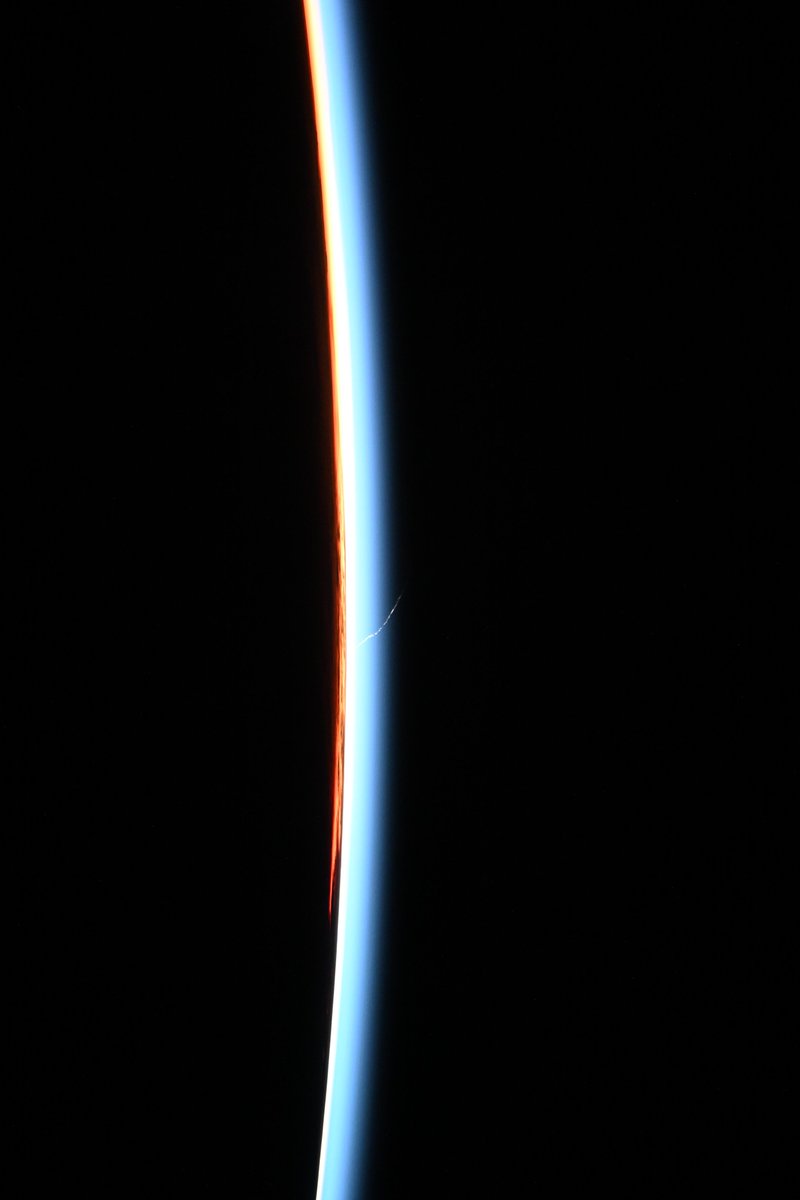
Could life be possible elsewhere in the Milky Way?
@NASARoman will soon launch to help answer this and other questions about our galaxy. Now, we’ve got a question for you: will you send your name on this epic journey? Get your boarding pass today: https://t.co/cCYHk2YwFl
1 week until the Artemis III crew is revealed! 🚀
On June 9, @NASA will announce the next four astronauts who will fly aboard the Orion spacecraft.
Artemis III will test critical rendezvous and docking capabilities needed to enable future lunar surface missions.
Sunbeams viewed from Earth and space above East Africa, in collaboration with National Geographic's @BabakTafreshi. Crepuscular rays are one of the day-night cycle's many beautiful phenomena!
Once in a Blue Moon 💙
Tomorrow, May 31, we will be treated to a rare second full Moon in one month – aka a Blue Moon. Which means double the Moon joy!
Check out more notable astronomical events that are happening this year here >> https://t.co/MtXTEaVuw8
Four JPL-built propulsive drones – known as MoonFall – will survey the lunar surface at potential @NASAArtemis landing sites in unprecedented detail. The mission is part of the initial phase of the @NASAMoonBase initiative.
Learn more: https://t.co/2NJXRlgOoW
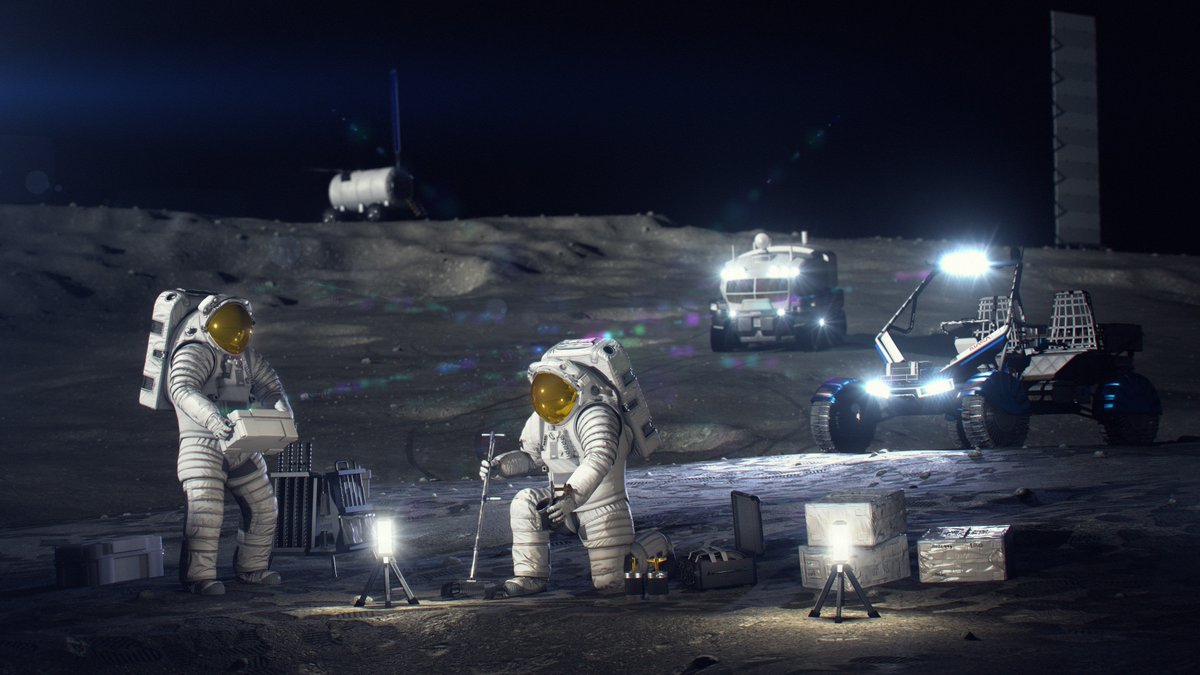
We're building a Moon Base!
@NASAMoonBase will serve as a habitat where astronauts live and work during long-term science missions.
Join us at 2pm ET on Tuesday, May 26, for a live news event where we’ll share updates on our lunar exploration plans: https://t.co/IJXA7xYwju
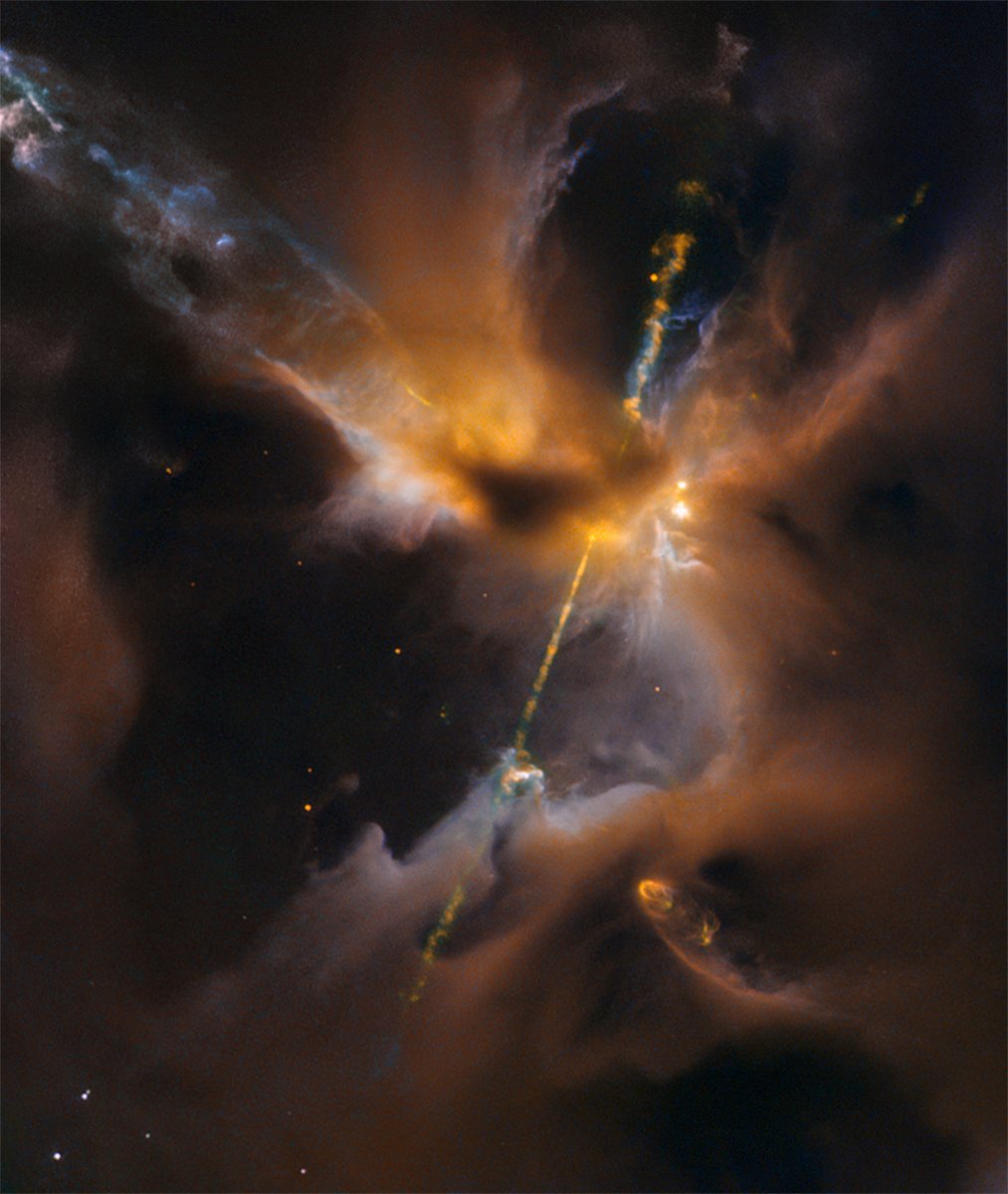
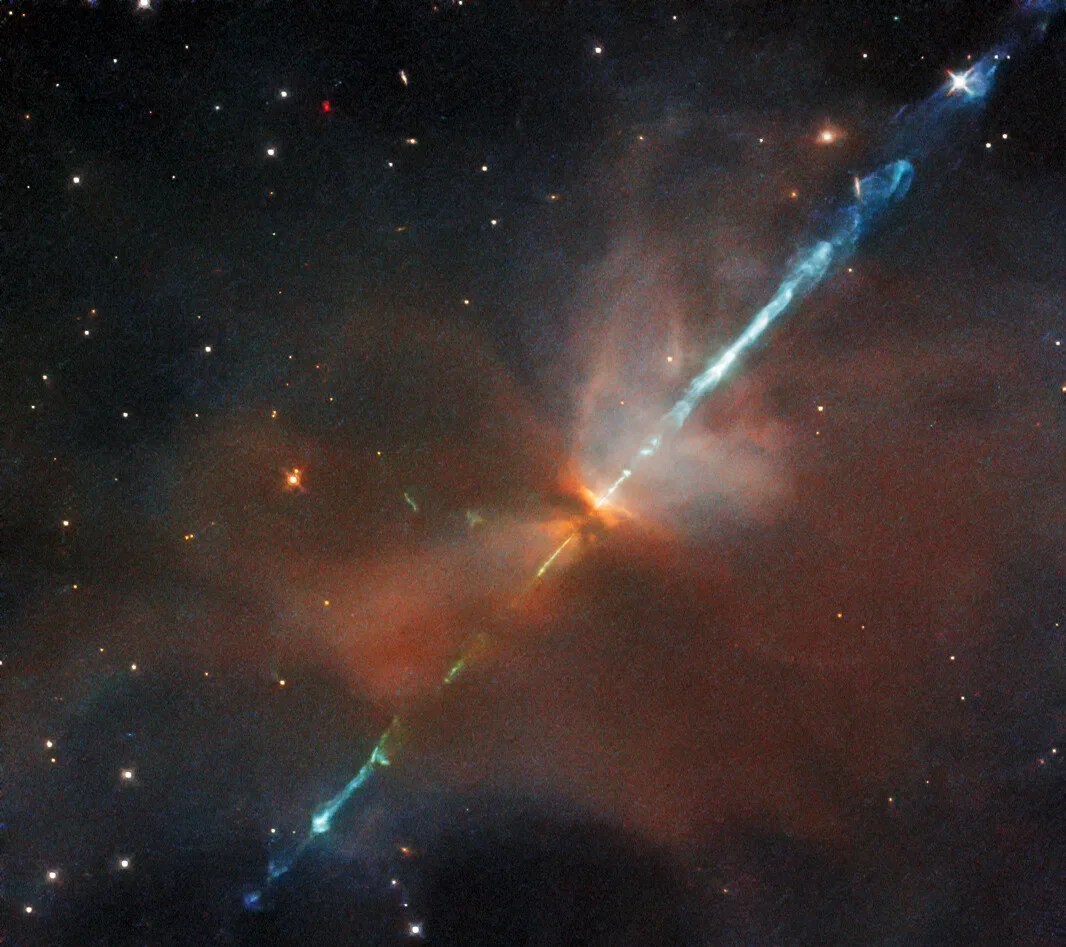
The force awakens in newborn stars.
Hubble captured some cosmic "lightsabers" far, far away. These are actually young stellar jets, colliding at fast speeds with nearby gas and dust.
Happy Star Wars Day from the Hubble team!
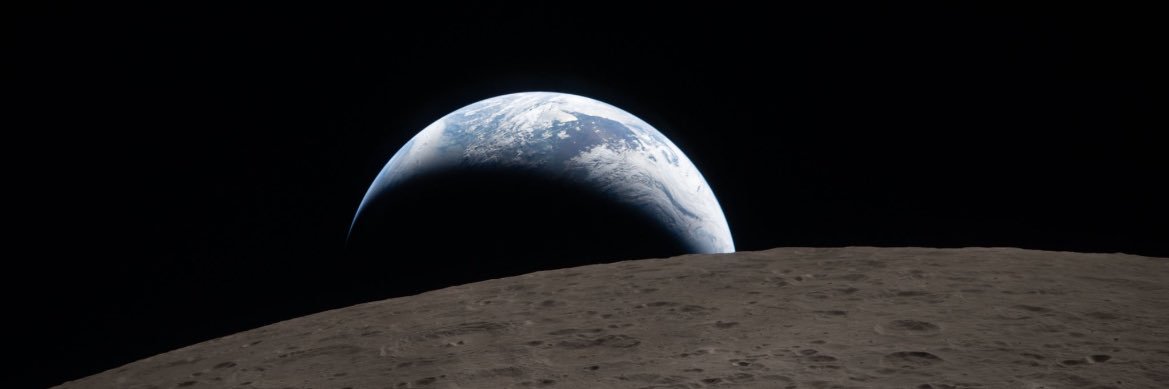
This isn't like my past colorful moon photos
It's actually a photo that is impossible to capture from Earth.
This is a little snippet from a first-of-its kind collaboration with @astro_reid that takes lunar photography to the absolute extreme
More to come 👀
POV: you're rolling around on the Red Planet
You’re looking at six years on Mars in around two minutes. This timelapse contains images captured by our Curiosity rover between 2020 and 2026 from one of its navigation cameras. https://t.co/yfDUkHzBgF