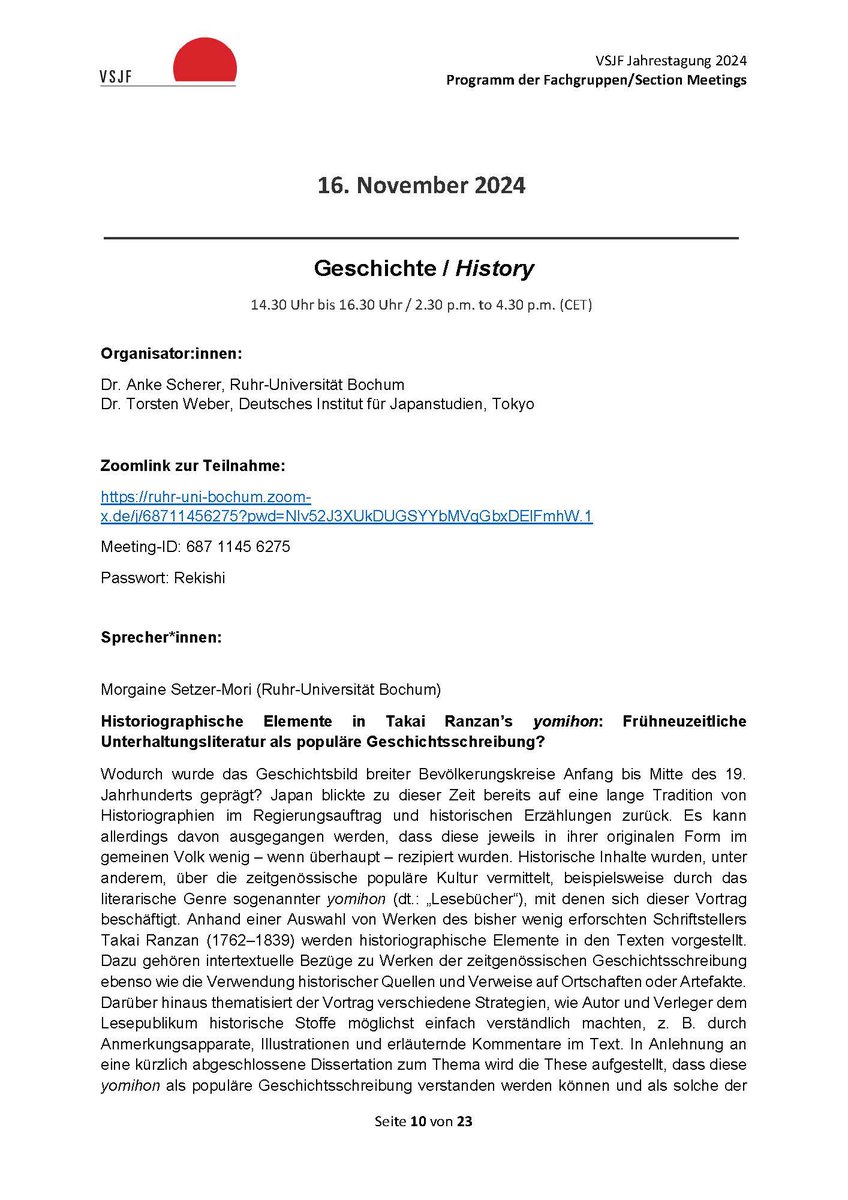
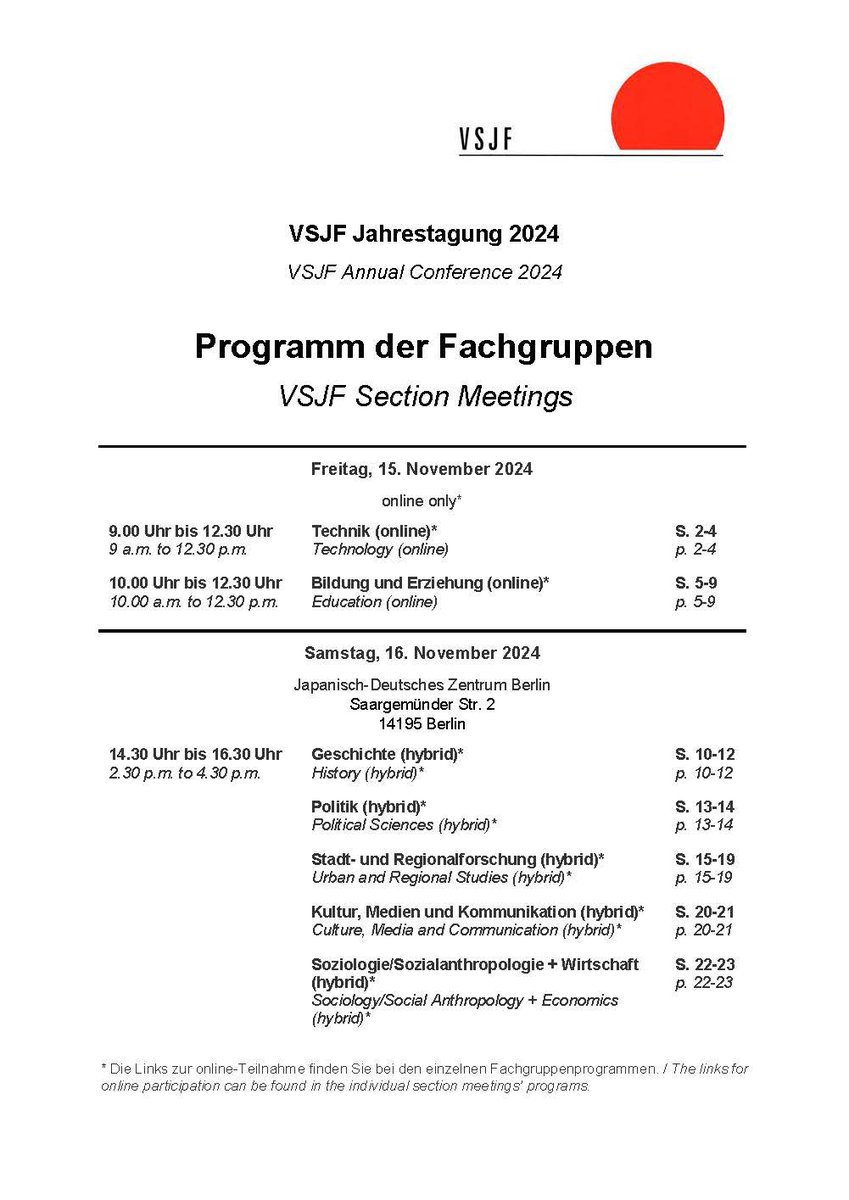
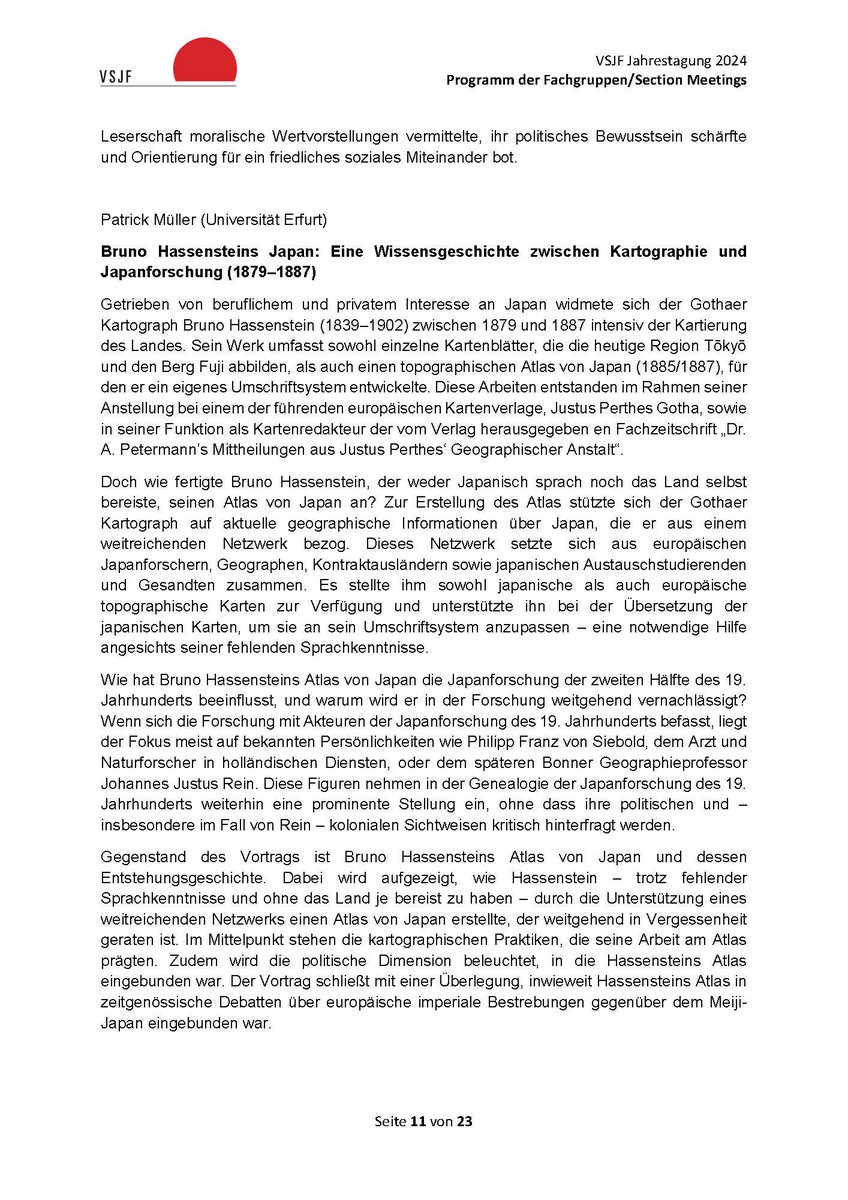
Yomihon, Hassenstein, „Trostfrauen“: drei spannende Vorträge in der
Fachgruppe Geschichte der #VSJF2024
am Samstag, 16. November, 14:30-16:30 Uhr am JDZB in Berlin und online mit Morgaine Setzer-Mori, Patrick Müller, Dorothea Mladenova. Details: https://t.co/LMGeyso5ZH
Fascinating new research by Qiang Zhang (Nottingham, @UonHistory) on how the Chinese Communist Party interprets and reinterprets history during China's Republican era. https://t.co/aWmRX3vLim
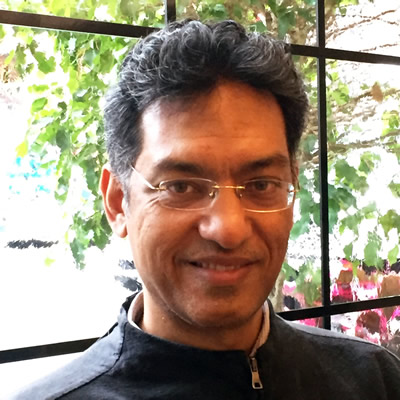
Shocked and saddened to hear of the unexpected passing of sinologist Prof. Dr. Stefan Landsberger this week.
If you’re not familiar with his name, you might have come across his work if you’ve ever read anything about Chinese propaganda. Landsberger was a leading authority on the subject, having spent decades—since the late 1970s—collecting an extensive array of posters and conducting thorough research in the field. His collection grew to become one of the largest private collections of Chinese propaganda posters in the world.
Landsberger was an Associate Professor of Contemporary Chinese History and Society at Leiden University. In that role, he also taught me Chinese Modern History when I was an undergraduate there. He was a dedicated teacher—often critical, which made him intimidating to some students—but deeply appreciated by most for his brutal honesty and his immense passion for Chinese history and modern Sinology.
One memory from 2018 stands out. I was in China as a post-graduate student and took a taxi on a cold and rainy January night in Beijing. During the ride, I struck up a conversation with the driver, who asked me where I was from. When I told him I was Dutch, he proudly shared that he had a Dutch friend—one of his dearest, he said, whom he'd known since the early 1980s. That intrigued me, as I'd never heard anything like that from a Beijing taxi driver before. As we continued talking, he mentioned that his friend was a teacher and then showed me a photo on his phone of them together. I was surprised to see that the man in the picture, smiling warmly beside the taxi driver, was none other than my own teacher Stefan Landsberger.
In a city of 21 million people, I had somehow hailed a cab driven by one of Landsberger's oldest friends in the city, whom he had known since he was a student in Beijing. I shared this story with Dr. Landsberger later through WeChat—it made him laugh.
This chance encounter left a lasting impression on me, not just because of the coincidence, but because it spoke volumes about Landsberger's enduring love for China and his ability to cultivate deep, lasting friendships. It showed his loyalty, not just to his work and research but to the people and connections he built over decades.
Landsberger will be greatly missed. His contributions to the growing body of work on Chinese propaganda are invaluable. This ever-evolving phenomenon can only be fully understood by examining both its current trends and its historical roots—and Landsberger's work will forever be foundational in that effort.
An English translation of Park Yuha's book "Comfort Women of the Empire" is now out with Routledge. This book was the subject of protracted criminal defamation prosecution in South Korea-which eventually saw her exonerated this year. https://t.co/jYRaGYv2K5
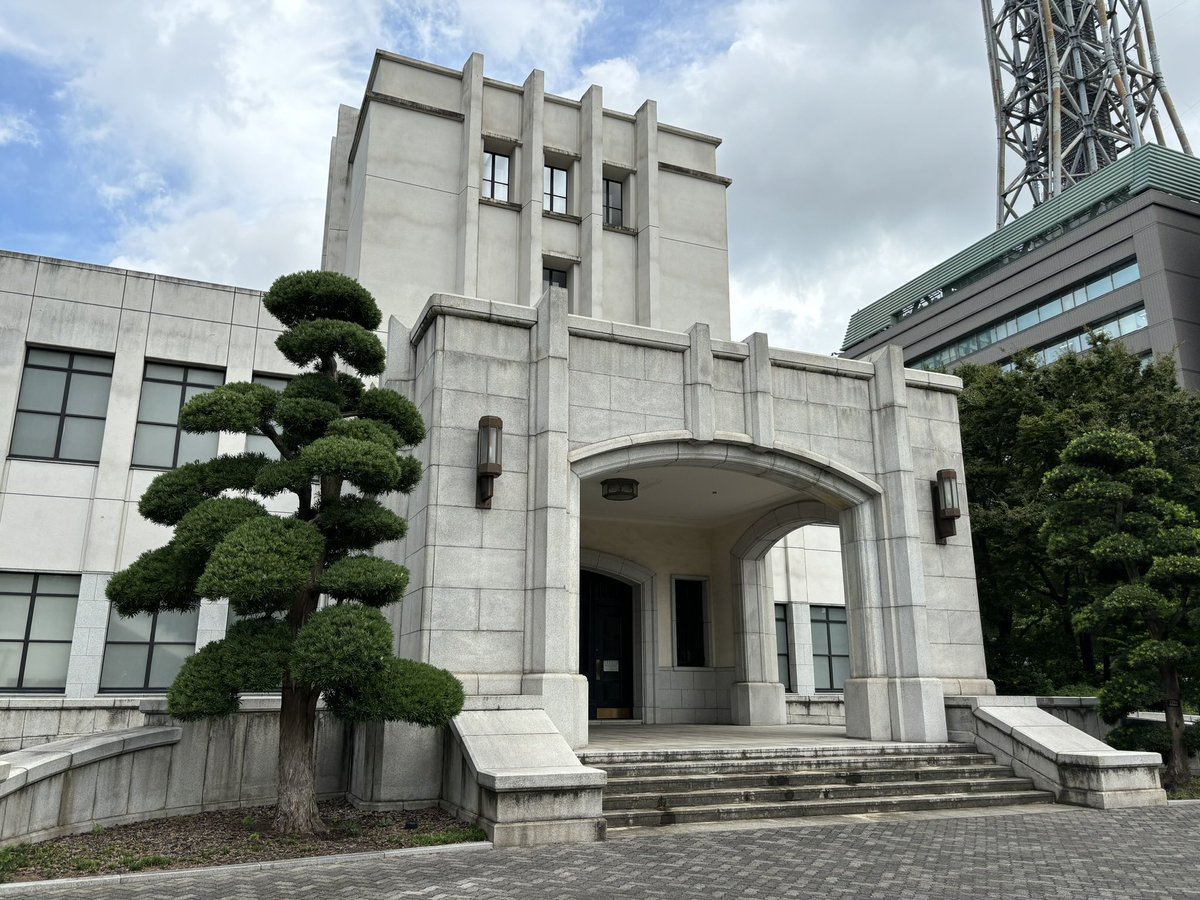
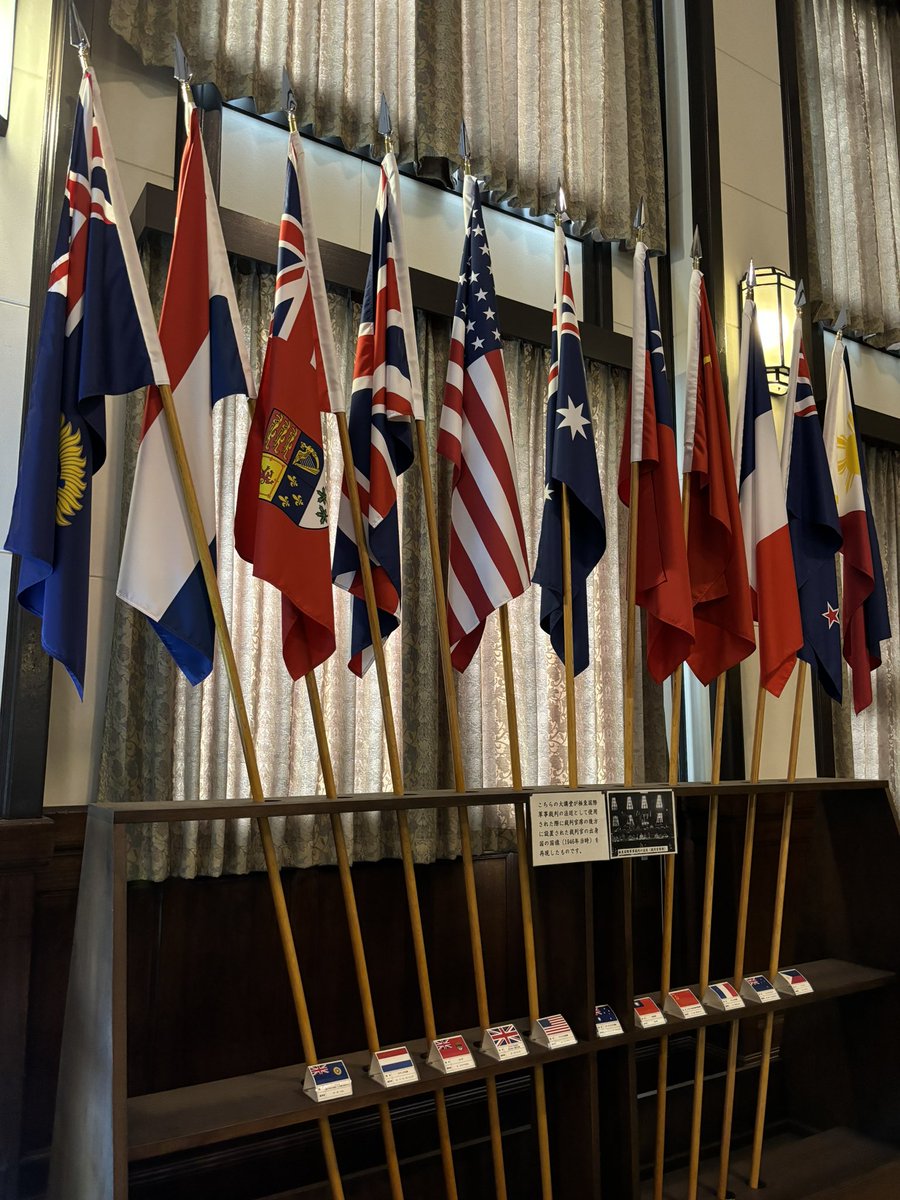
Finally had the chance to visit the Ichigaya Memorial Hall, the site of the postwar Tokyo Trial of Japanese war crimes. It’s reconstructed but pretty close to the original as far as I can tell.
Claiming 5000 years of civilization, rewriting Qing history is just not enough for China. And if it’s entitled to all territories of Qing, what to explain “loss” of lands to Russia and Mongolia? Should the Japanese, Koreans and others take note, too? https://t.co/CzdW1TmR45
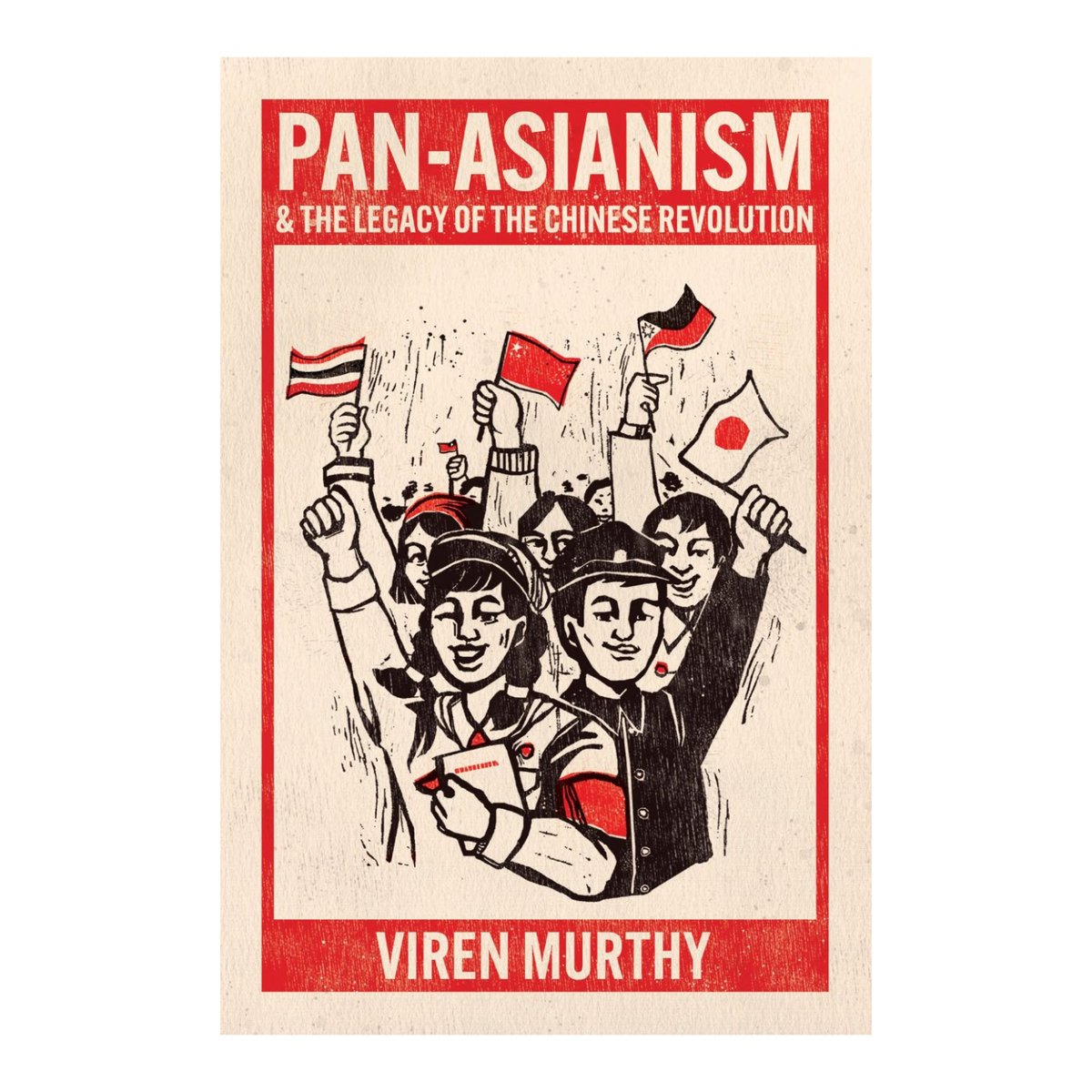
Professor Viren Murthy’s new book, Pan-Asianism and the Legacy of the Chinese Revolution, was just published with @UChicagoPress. The book is an intellectual history of pan-Asianist discourse in the twentieth century. https://t.co/jXzwFkWJMn
Some may have already seen this elsewhere, but I'm very excited to announce, thanks to the hard work of Josh Fogel, the launch of the Japanese Sinology in Translation series with Chinese University of Hong Kong Press.
Shocked to read of Maik Hendrik Sprotte‘s @mahespro sudden death. He was a very knowledgeable & generous scholar & a nice person with a fine sense of humor. Historians of Japan will miss his service to the community, his scholarly interventions & warmth https://t.co/I7yPEyxW2P
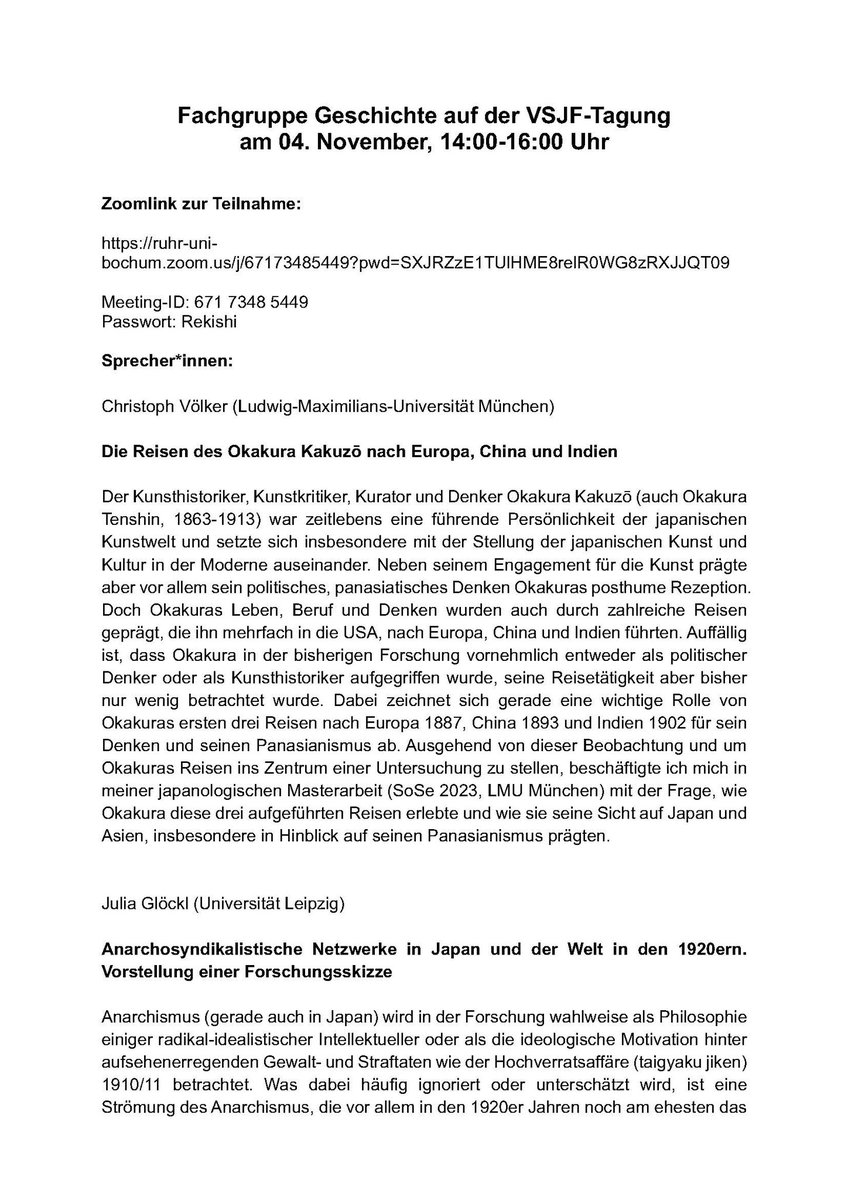
Okakura Tenshin, Anarchismus, Geschichtserziehung in Japan: drei spannende Vorträge von Christoph Völker, Julia Glöckl & @BiontinoJuljan in der Fachgruppe Geschichte der #VSJF2023. Samstag, 4. November, 14-16 Uhr MEZ online & am JDZB. Programm: https://t.co/4yZRZ6nsg0
“Memory politics is instrumentalised for different political stances”, says @JuergenZimmerer. Hard to believe but sadly true this view still is no consensus in the German public. Erinnerungskultur: "Es geht eben wirklich um etwas" | ZEIT ONLINE https://t.co/s4WZNBF1je
This book on postwar German attitudes towards the legacies of WW 2 by Watanabe Masanao looks like an important contribution to tackle the widespread myth of Germany’s perfect dealing with its wartime past 歴史論争から見た戦後ドイツ | ��式会社 共同文化社 https://t.co/NYYwBmbH18
Mainichi Journalist Yoshii Riki’s @yoshii_r latest article discusses how many victims it takes before historical revisionists will accept the term ‘massacre’ for the murder of Koreans after the Great Kanto Earthquake 歴史修正国家の誕生=吉井理記 | 毎日新聞 https://t.co/UvoQQOIxQy