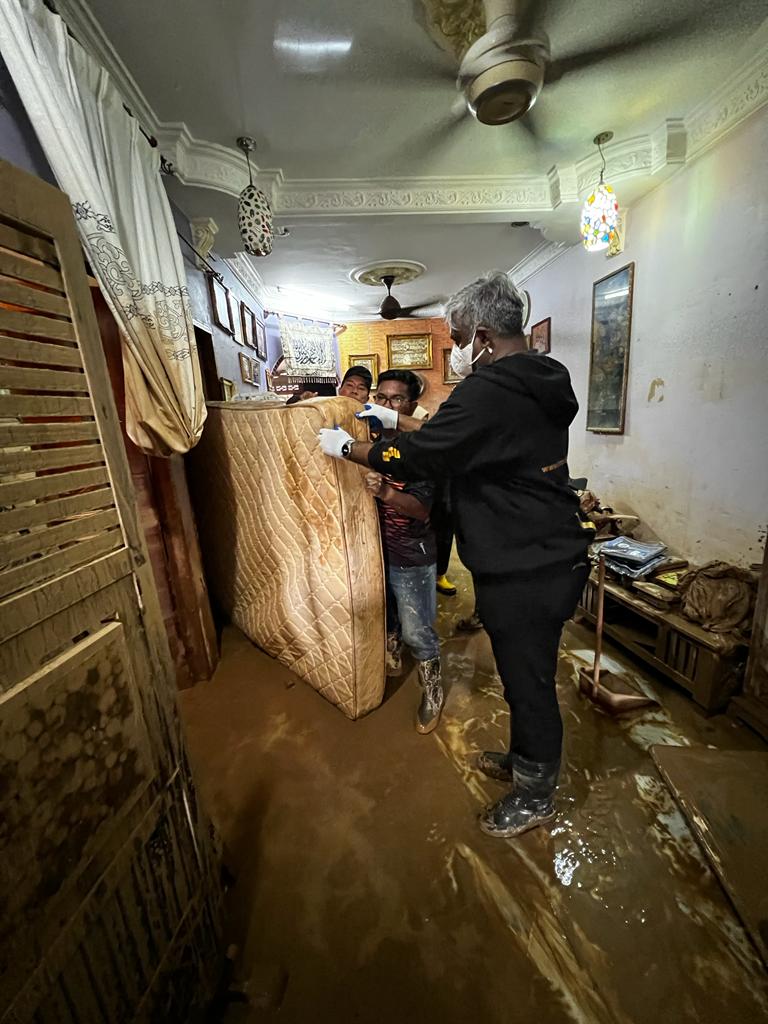
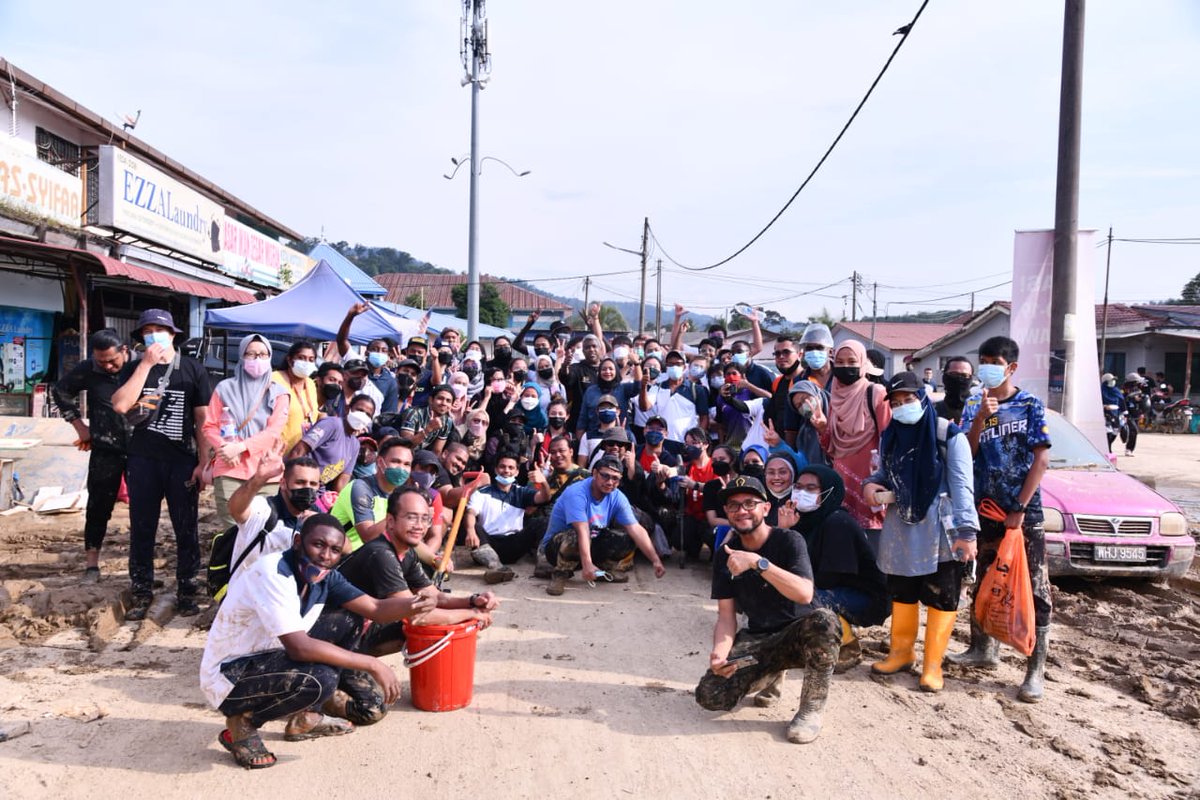
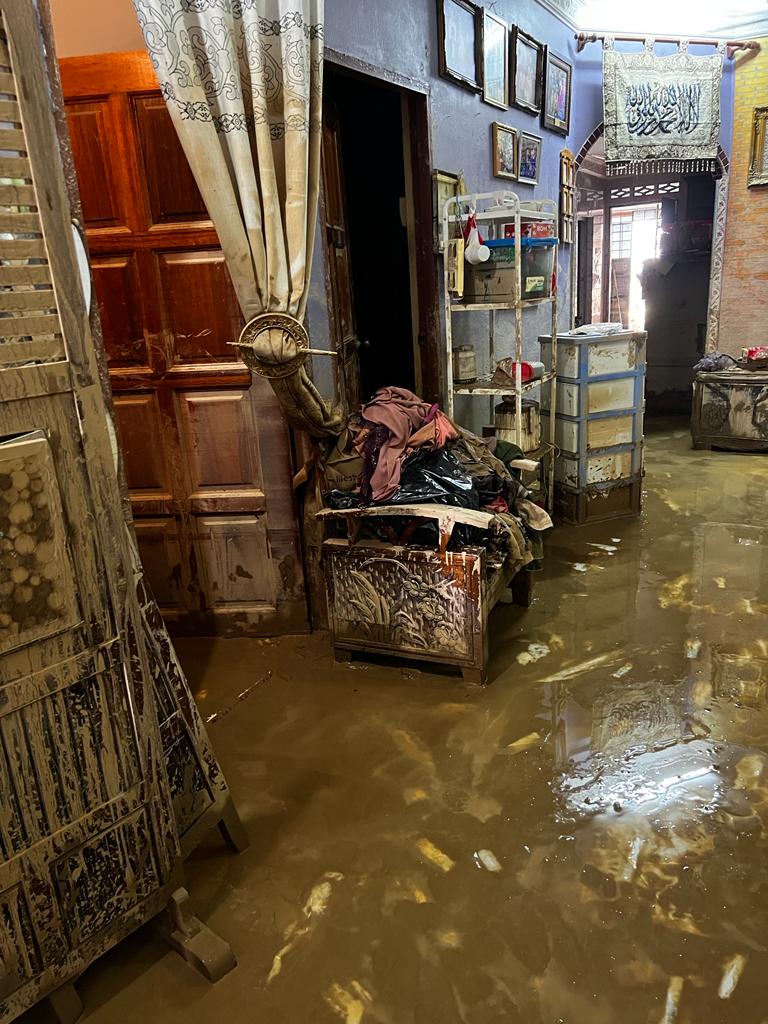
Day4, Back in Tmn Sri Nanding, 1200 homes, the destruction is almost total. Today we ventured to the homes furthest frm the main road,homes under 2 feet of mud, the poorest of pple.Our help seems like only a drop in the ocean,never felt so much pain in my heart for so many ppl
This is a big reveal, but Bank Negara can’t do anything because Malaysia lacks an Act regulating insurance companies’ behavior in the practice of medicine/patient care in health insurance. So BNM has no punca kuasa.
Reminder: BNM’s job is to protect the insurance industry.
Are we facing a ticking time-bomb?
https://t.co/B4SvHjbdZb
Are we facing a ticking time bomb?
The following is from an article by Murray Hunter
Malaysia continues to rely heavily on imports for many essential foods.
Recent Department of Statistics Malaysia (DOSM) data show self-sufficiency ratios (SSR) well below comfortable levels for key items.
Rice SSR hovered around 53–56 per cent in recent years, meaning nearly half of the national staple must be imported.
Beef import dependency ratios (IDR) stand at roughly 82–83 per cent and mutton at 90–92 per cent.
Everyday ingredients such as garlic, onions, and shallots remain almost entirely imported, while the country also depends on foreign supplies for most fruit and vegetable seeds, chemical fertilisers, pesticides, and animal feed.
This vulnerability is not accidental. Large areas of agricultural land have long been prioritised for palm oil, a high-value export crop that dominates the landscape.
A shrinking local farming workforce, higher domestic production costs compared with neighbouring countries, and structural rigidities compound the problem.
Hereditary land laws fragment holdings and discourage commercial-scale farming. Agriculture is widely viewed as low-status rather than a viable business.
Government-linked companies often prefer rent-seeking activities over productive investment, while small and medium enterprises struggle with limited access to capital, technology, and markets.
The rice sector illustrates the difficulties. Production remains costly, and Padiberas Nasional Berhad (Bernas) retains a long-standing import monopoly that critics argue stifles competition, keeps farmers dependent, and slows efficiency gains.
External shocks, such as spikes in fuel and fertiliser prices or labour shortages, are quickly translating into higher food costs or supply risks.
Very little decisive action has been taken to reverse the trend. Without reforms that free up suitable land, attract younger talent, diversify production beyond cash crops, and inject genuine competition into the rice chain, a manageable dependence can easily tip into crisis during the next global disruption.
*Pengerusi Lembaga Tabung Haji (TH), Tan Sri Abdul Rashid Hussain, membuat satu pendedahan yang cukup membimbangkan.
Menurutnya, jumlah pengeluaran oleh pendeposit TH telah melebihi jumlah deposit baharu selama empat tahun berturut-turut.
Bagi tempoh 2022 hingga 2024, aliran keluar bersih mencecah RM2 bilion, manakala pada 2025 sahaja, jumlahnya sudah negatif RM1.2 bilion.
Lebih membimbangkan, beliau berkata keadaan ini bukan hanya berlaku kepada Tabung Haji, tetapi turut melibatkan tabung simpanan lain seperti KWSP.
*Puncanya, menurut beliau, ialah tekanan kos sara hidup yang semakin berat sehingga menyebabkan Rakyat terpaksa mengorek simpanan sendiri sebagai pilihan akhir untuk meneruskan kehidupan.*
🔥🔥🔥
"RM5,400"
Itu gaji minimum pencuci di Singapura. Bukan purata ~ it is the minimum.
Gaji minimum kita: RM1,700. Jurutera fresh grad kita: RM2,500–3,500.
400,000 crossing the Causeway everyday bukan brain drain. It's a Wage push.
1. Malaysia 2010–2024: ekonomi naik 82%. Gaji median benar naik 43%. RM1,300 jadi RM1,864 sebulan, dalam 14 tahun.
2. Kajian DOSM–PERKESO: yang keluar bukan "elite talent". 61% semi and low skilled.Cuma 20% profesional.
3. Majikan jawab: gaji ikut produktiviti. Betul. Jadi soalannya bukan gaji lagi, tapi kenapa produktiviti Malaysia rendah?
4. Produktiviti buruh = KDNK ÷ jam kerja. Pekerja tak boleh naikkan tu dengan kerja lagi kuat.
Yang naikkan: mesin, teknologi and value-add. Semua keputusan pelaburan majikan.
5. Kenapa tak labur? Sebab ada buruh asing murah.
Automasi tak berbaloi.
Siapa yang set policy foreign workers ~Gomen lah.
6. Singapura naikkan lantai gaji ikut jadual, majikan kena automasi atau keluar. Kita turunkan kos buruh, majikan duduk diam. Satu dekad, dua pertaruhan.
7. World Bank: firma 10% paling produktif bayar gaji 3 kali ganda firma median.
But the 10% does not employ many staff.
8. Kita guna lantai gaji sebagai bantuan. Singapura guna sebagai dasar perindustrian. Itu bezanya.
Angka tak menipu.
Isu kafir harbi hangat kembali. 2022 dulu ada pelakon beri ceramah sampai nak sembelih orang.
Kita kena pertahankan keharmonian Malaysia dan tolak ekstremisme dari mana mana kelompok sekalipun.
The Edge melaporkan bahawa Kem. Pengangkutan menganugerahkan kontrak RM178 juta kepada Integriti Padu Sdn Bhd, bagi tujuan sistem kutipan caj jalan dan permit kemasukan kenderaan asing di sempadan M'sia-S'pura
34% pegangan Integriti Padu dimiliki oleh Datuk Nasir Baki, yang merupakan adik kepada bekas P'jaya SPRM, Tan Sri Azam Baki
Yes you can get away by leading an organization or a community while being corrupt… but can you ever be transformational?
I don’t think so.
Here’s why:
Corrupt leaders rule through fear, favors, and manipulation. They might keep the machine running and even grow it short-term, but they can’t inspire genuine belief.
Transformational leadership demands trust, vision, and moral authority. It requires calling people to something bigger than themselves, something honest.
Corruption erodes the very foundation needed for real change: credibility.
People might follow a corrupt leader out of necessity or self-interest, but they won’t run through walls for them. They won’t innovate, sacrifice, or stay loyal when storms hit.
True transformation isn’t about control. It’s about elevation. And you can’t elevate others while standing in moral quicksand.
My Two Cents
#Leadership #Ethics #TransformationalLeadership
This is shameful. A sitting MP, @cheanchung, has been served a legal letter by Bestinet over questions he raised concerning the FWCMS. Why is an elected representative facing legal pressure simply for carrying out his public duty to scrutinise matters of public interest?
(1/6)
While the World Cup is going on, KLites make some time for the KL Closed Badminton Championship going on at the Stadium Titiwangsa going on till the 20th of July
The future of Malaysian badminton is being built one match, one player, and one championship at a time. @jahamy@BadmintonKL
Another Flip-Flop?
The Malaysian Embassy in Nepal has abruptly taken down its public notice on Facebook dated May 18 about exclusive rights granted to 36 medical institutions in Nepal to conduct medical examination on Malaysia-bound migrant workers under the Sistem Bio-Medik (BMS).
The notice highlighted the additional charge of 3,000 Nepalese rupee (about RM100) on each migrant worker to Malaysia.
Malaysiakini report says two companies - including Malaysia's Bestinet Sdn Bhd - were given authorised rights to manage the BMS in Nepal, including collection of charges and monetary remittance.
The other company is Macro Tech Pvt Ltd.
Why the flip-flop?
Malaysiakini says Malaysia's public notice on Facebook had raised more questions than answers.
Here's a reply from Home Ministry (PKR) to Malaysiakini BM, shuffling the responsibility to HR Ministry (also PKR) under Minister R. Ramanan:
QUOTE:
"Sementara itu, Kementerian Luar Negeri (KLN) pula kesal kerana notis yang dimuat naik oleh pejabat perwakilan Malaysia itu mengandungi maklumat “kurang tepat”.
Bagaimanapun, Wisma Putra menegaskan mereka hanya berperanan sebagai saluran komunikasi diplomatik, manakala dasar dan pelaksanaan berkaitan pengurusan pekerja asing terletak bawah bidang kuasa Kementerian Sumber Manusia (Kesuma).
“Mengenai hantaran yang dimuat naik di platform media sosial Kedutaan Besar Malaysia di Kathmandu pada 18 Mei 2026, pihak KLN mengambil maklum dan kesal berikutan notis awam di laman web sosial pejabat perwakilan yang mempunyai maklumat yang kurang tepat.
“Notis ini tidak sama sekali mengubah fakta bahawa penentuan dasar, kriteria dan pelaksanaan rasionalisasi agensi perekrutan ini kekal sepenuhnya bawah bidang kuasa dan seliaan Kesuma,” kata kementerian itu kepada Malaysiakini.
Let's see what's cooking between Ramanan-Kesuma and Bestinet this time, from Bangladesh to Nepal.
https://t.co/Bm8CYqMkQt
Tens of thousands of people were stuck in long queues at entry points nationwide after Malaysia's entire immigration system crashed for five hours between 4.30am and 9.30am on Thursday (May 28), forcing officers to clear travellers manually.
STATEMENT: Two UN Bodies Just Told Bestinet: Don’t Put Our Names on This
This week, two of the most credible international bodies on labour and migration drew a clear line. The ILO said it does not endorse Bestinet or its Foreign Workers Centralised Management System (FWCMS).
1/
Not a good look for a law firm and its lawyers when their statements are refuted by the body they hope will give their client the credibility they so desperately seek.
We have all heard about migrant trafficking in Malaysia and we all have heard so much about Bestinet and their FWCMS.
https://t.co/auo5GIvNJj