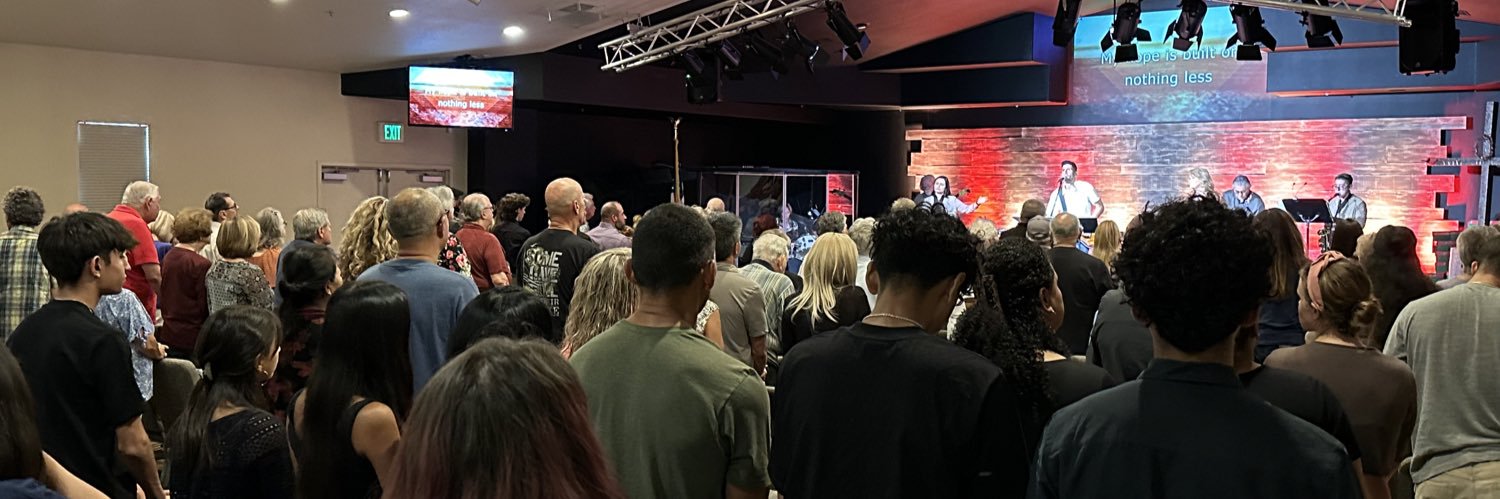
The so-called “pastor” Jamal Bryant called Charlie a “racist” and a “white supremacist” yesterday at his church…
I have a message for you Jamal… and every other fake pastor that talked trash about my good friend…
Here’s a piece of artwork I did back in the ‘70s Here also are some thoughts about this event called the Rapture.
Let’s start with the obvious: the Rapture sounds crazy. Jesus descends from Heaven, dead people rise from their graves, and living believers are suddenly caught up into the sky — like the world’s strangest episode of “Stranger Things.” Sounds like the stuff your uncle mutters about after three cups of church coffee. Except — it’s right there in Scripture. Paul says it. John says it. Jesus says it. The only ones who don’t are usually the skeptics writing editorials dismissing the very faith that gives us hope.
Now, critics like to pounce: “But the word Rapture isn’t even in the Bible!” Congratulations, Sherlock. Neither are the words Trinity or even Bible. And yet, here we are, still believing in all three. The word comes from the Latin rapturas, which translates the Greek word harpazo — meaning “to snatch up, grab by force,” Imagine a parent reaching out and pulling their child away from danger just in time. That’s the picture Scripture gives us of the Rapture.
Some say, “Oh, the Rapture is just a modern invention, some 19th-century gimmick.” Nonsense. Yes, J.N. Darby helped popularize it in more recent times, but long before him, the early Church Fathers like Irenaeus and Cyprian wrote about believers being “snatched up” before judgment. It’s not new — it’s biblical. We also hear about the Rapture straight from Paul, Peter, James, and most importantly, Jesus Himself: “I will come again and receive you to myself.”
The most familiar passage on the Rapture is 1 Thessalonians 4:16–18:
“For the Lord himself will come down from heaven, with a loud command, with the voice of the archangel and with the trumpet call of God, and the dead in Christ will rise first. After that, we who are still alive and are left will be caught up together (Greek word: harpazo, meaning ‘snatched up’) with them in the clouds to meet the Lord in the air. And so, we will be with the Lord forever. Therefore encourage one another with these words.”
Reformed churches use the same eschatological hermeneutic as the Roman Catholic Church. So…
▶️ The core of Reformed eschatology mirrors Roman Catholic eschatology — particularly in its amillennialism, replacement theology, and allegorical interpretation of prophecy.
Here’s how they align:
⸻
✅ 1. Amillennialism (No literal Millennium)
Both the Catholic Church and the Reformed camp reject a literal 1,000-year reign of Christ on Earth (Revelation 20).
They spiritualize the Millennium as Christ reigning now from heaven through the Church.
📖 “They will be priests of God and of Christ, and they will reign with him for a thousand years.” – Revelation 20:6
(Literal reading points to a future reign on Earth, not a present spiritual reign.)
⸻
✅ 2. Israel Replaced by the Church
Both traditions teach that the Church has replaced Israel in God’s redemptive plan — a view known as Supersessionism.
📖 “The gifts and the calling of God are irrevocable.” – Romans 11:29
Paul goes out of his way to affirm Israel’s ongoing role in God’s plan (see Romans 11:1–2, 25–26).
⸻
✅ 3. Prophetic Allegorizing
Both systems spiritualize unfulfilled prophecies — especially those related to Israel’s future, the Temple, and the Kingdom.
The early Church, under pressure from Roman persecution and influenced by allegorical Alexandrian interpretation (like Origen), moved away from a literal reading of OT prophecy — and the Catholic Church codified it.
The Reformation corrected soteriology (salvation by grace), but not eschatology. Reformers like Calvin and Luther retained Augustinian/Catholic views on prophecy.
⸻
✅ 4. Denial of a Future for National Israel
Both camps reject the idea that God will restore national Israel in fulfillment of OT covenants — despite passages like:
📖 “I will gather you from all the nations… and bring you back to the land.” – Deuteronomy 30:3
📖 “Afterward the children of Israel shall return and seek the Lord… in the latter days.” – Hosea 3:5
⸻
✅ 5. One General Resurrection and Judgment
Catholic and Reformed eschatology teaches a single, unified resurrection and judgment at the end of time — as opposed to the Dispensational distinction between:
•The Rapture (1 Thess. 4:16–17)
•The Bema Seat Judgment (2 Cor. 5:10)
•The Sheep and Goat Judgment (Matt. 25:31–46)
•The Great White Throne Judgment (Rev. 20:11–15)
⸻
⛪ The Reformation stopped at the Church door. It reformed justification but left prophecy in Rome’s hands.
🗣 As Dr. Tommy Ice once said:
“The Reformers gave us back the gospel but kept Rome’s eschatology.”
Some people say, “Christians—especially pastors—should stay out of politics.”
My response: Why?
We need believers—and more importantly, we need the gospel—in every part of life. That includes the public square, politics, and the halls of power.
And let’s be honest: if Christians hadn’t stepped into the political arena, there likely wouldn’t be a United States of America.