- Podcast Host (Curious Apes & Feedback Loop)
- Psych & Neuroscience Researcher
- Author
- Currently attempting to use science to improve society and well-being
As a big fan of Jonathan's work (including three of my favorite non-fiction books), it was an absolute honor to explore Jonathan's thoughts on how social media caused a psychological paradigm shift in society.
I talked with @StevenEParton, of Singularity University, about how social media pulled us through the singularity, in a really bad way. I try out some new metaphors, to explain why everything changed so suddenly around 2014-2016.
https://t.co/f1Dnt81WWq
The issue, of course, is that when you are doing blatantly idiotic or corrupt behaviors and some one calls you on it, then you can take this naive, motivation-poster-like sentiment and defend anything.
Your physics-mind knows better than accept such a shallow and short-sighted thought, Eric. Come on...
Wonderful conversation with Princeton's Michael Graziano, discussing the attention schema theory of consciousness. Hear the full episode on Spotify (https://t.co/SBoM4JLVDe) or Apple (https://t.co/YWph6bO5Gf)
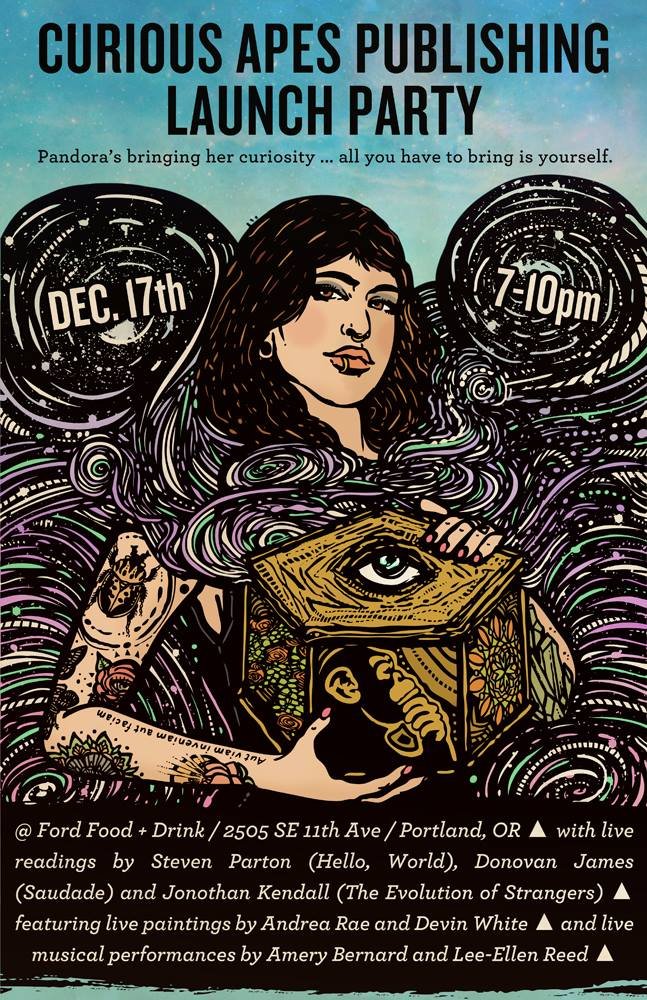
11 years ago today I launched a publishing company in Portland to promote thought-provoking ideas. While the company no longer publishes books, it has become the podcast channel through which I get to interview some of most influential thinkers alive today. What a journey!
My interview with professor @robchavez explores what I'd consider one of the most important interdisciplinary fields of study for our times: Computational Social Neuroscience. Great insights for those curious about the current/future state of the field.
https://t.co/r1fcBCRuBs
A new EEG microdisplay for #neurosurgery conforms to the brain and employs colorful light patterns to visualize brain activity in large animals, potentially providing a more reliable method for surgeons to map and avoid functional brain tissue. @ScienceTM https://t.co/Dt3zqGh4xA
I've heard you're supposed to share and promote the content you create, so here is the latest from the season 3 re-launch of the Curious Apes podcast with @SteveStuWill :
https://t.co/IdNlGJ7qrt
@jim_rutt I've asked (and have been asked) the same question often, @jim_rutt. I think it definitely has a lot of to do with 1) less complex/niche knowledge required (which severely expands audience) 2) famous colleagues(Musk/Rogan) 3) trendy guests (Kayne,etc).
@jordanbpeterson If science points us towards truths that are unpleasant, that's fine. But it's so sad to see you become the demagogue and culture war ideologue that you fought so hard against during your early days of fame. Petty slam dunks against the "them" rather than be high character.
As much as I think AI holds profound potential for good, I still can't escape the feeling that our social institutions and emotional intelligence as a culture isn't ready for that much power.
@waitbutwhy Anything between 15,000-9,500 BC. The switch to agriculture seemed to be for bad reasons, and agriculture also introduced many issues for our health and social dynamics. Give me a group under Dunbar's number of primarily egalitarian animists.
The danger is that if we invest too much in developing Al and too little in developing human consciousness, the very sophisticated artificial intelligence of computers might only serve to empower the natural stupidity of humans.
Be wary of any leader who emphasizes a “them” as the core problem. True leadership presents inspiration and solutions, they don’t simply channel your hatred.
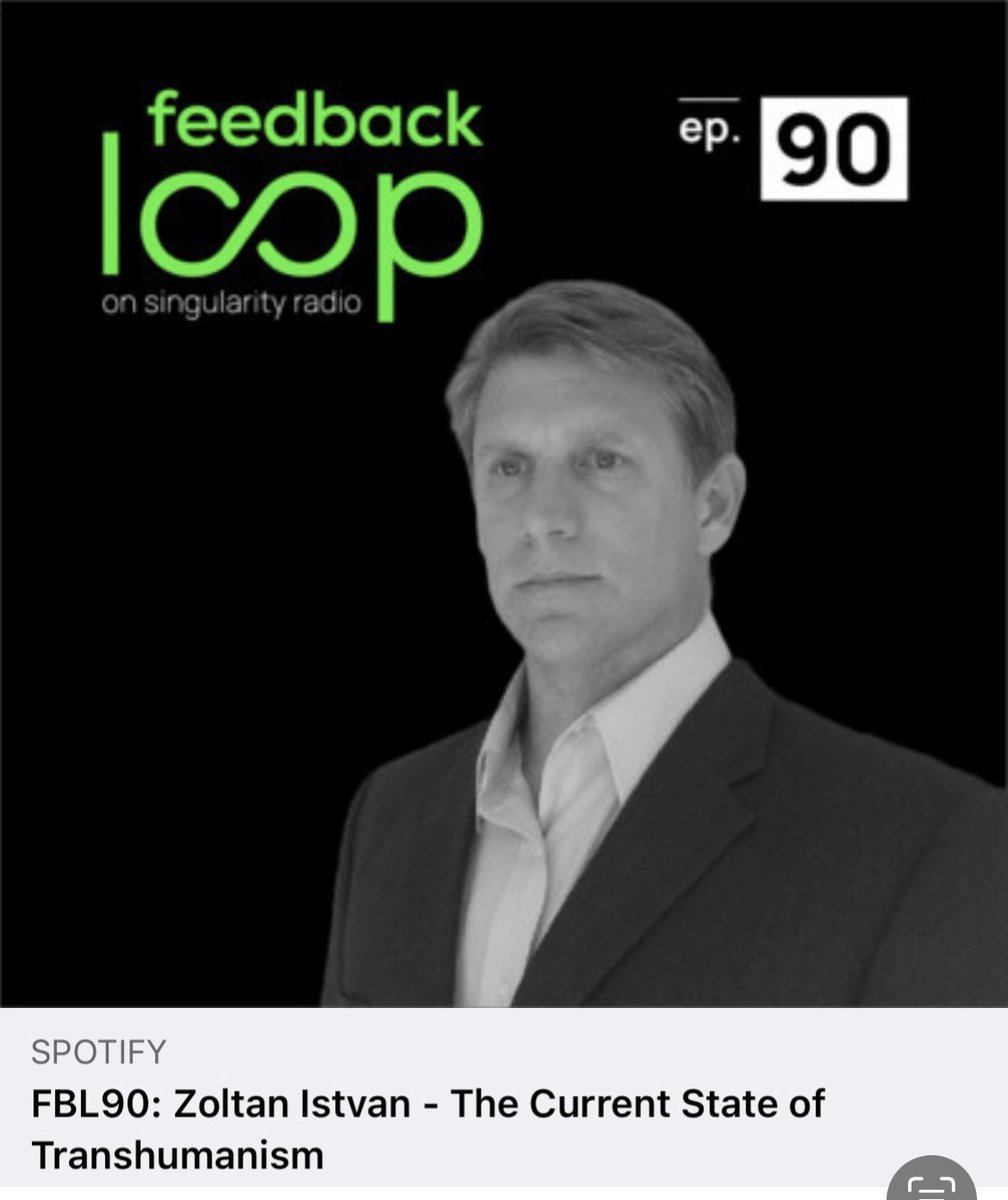
Here's my new hour long interview on #transhumanism & AI with the Singularity Group (Singularity University) and podcast host @StevenEParton. Give it a listen! https://t.co/SnwDWLliqA