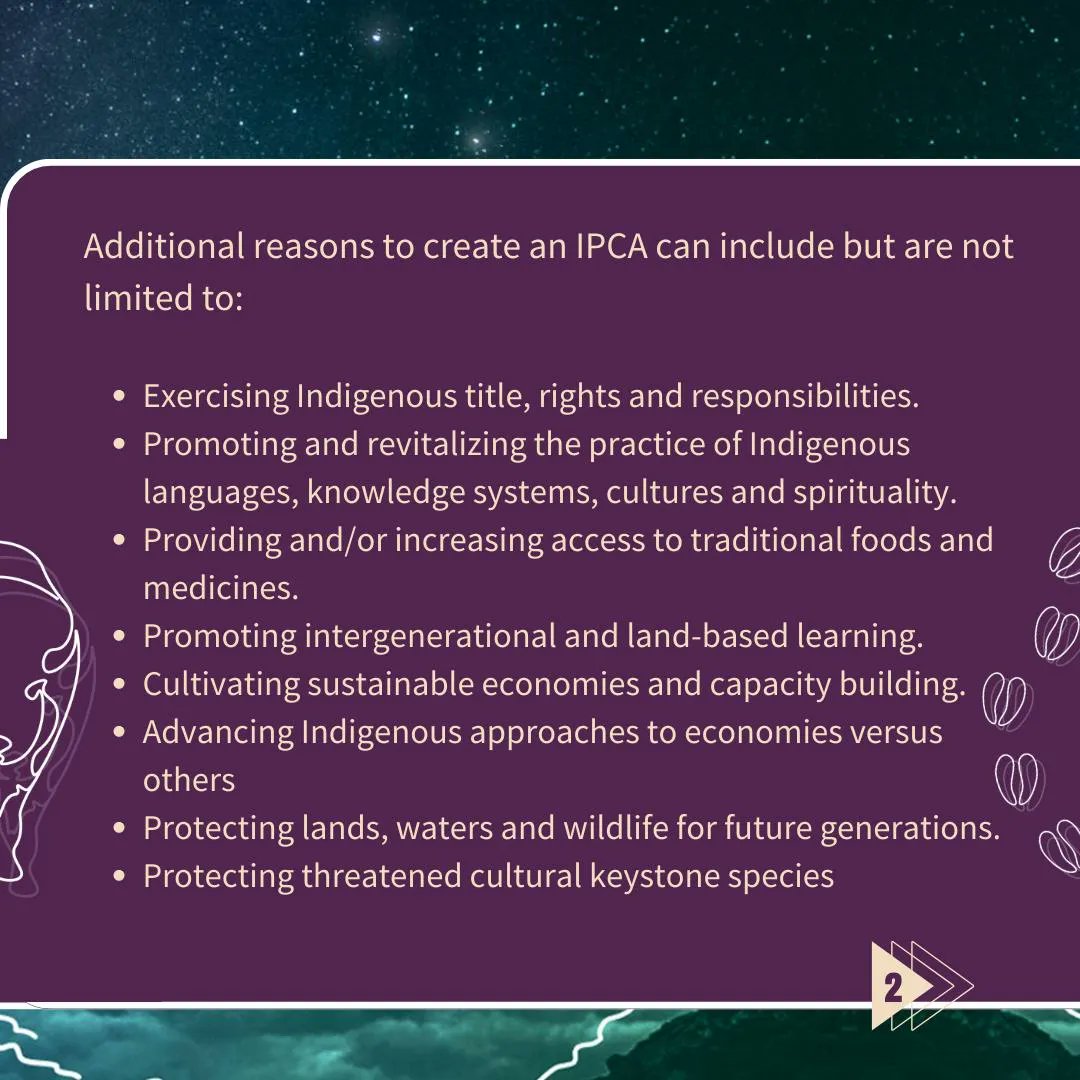
#DYK? Indigenous Nations, their communities, and/or governments may wish to create and care for #IPCAs for many, many reasons. Want to learn more? Check out our newly updated FAQ on IPCAs: https://t.co/L1sOt0CUJV
Attention #funders! #New report outlines the barriers & considerations for creating meaningful, respectful, and trust-based funding models for supporting Indigenous-led conservation. Exclusively on the IPCA Knowledge Basket here: https://t.co/dhqszAGdP3
#decolonizephilanthropy
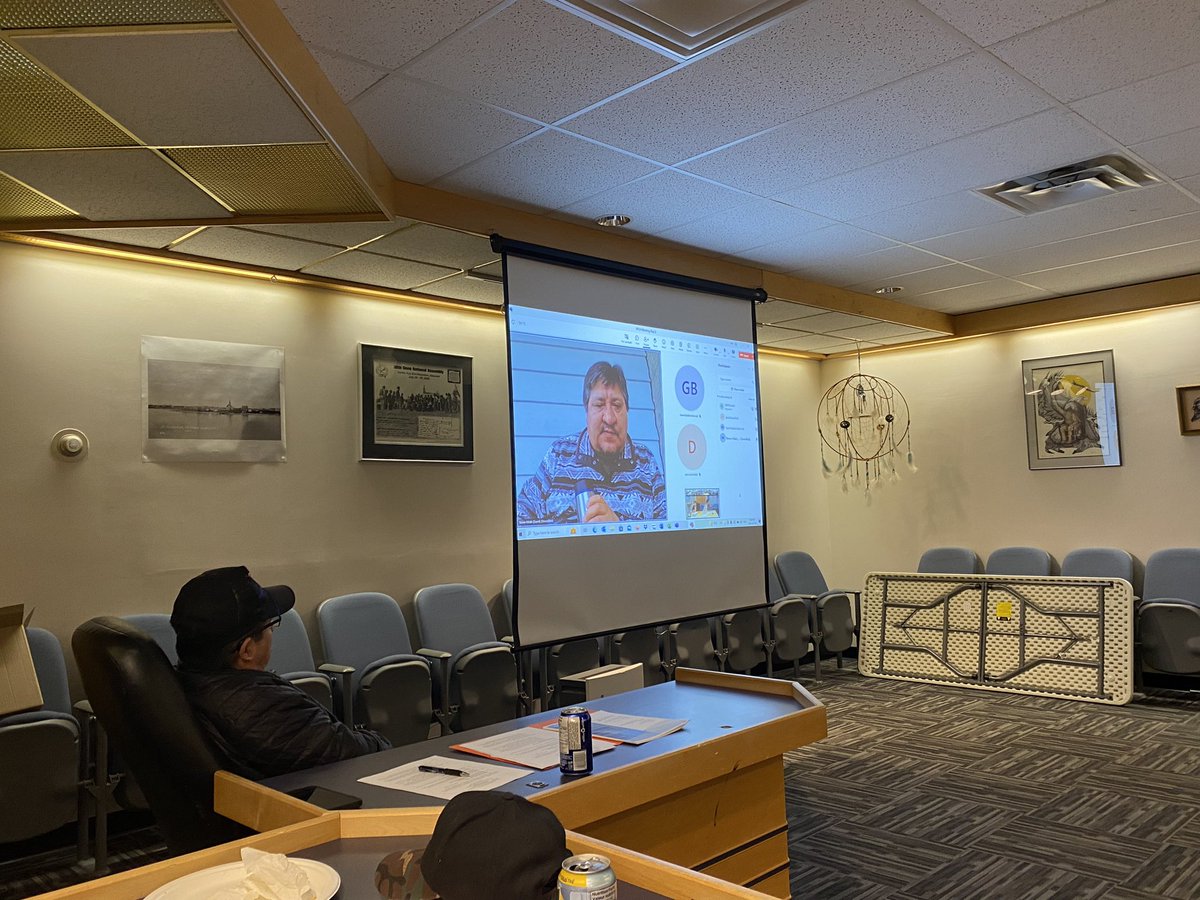
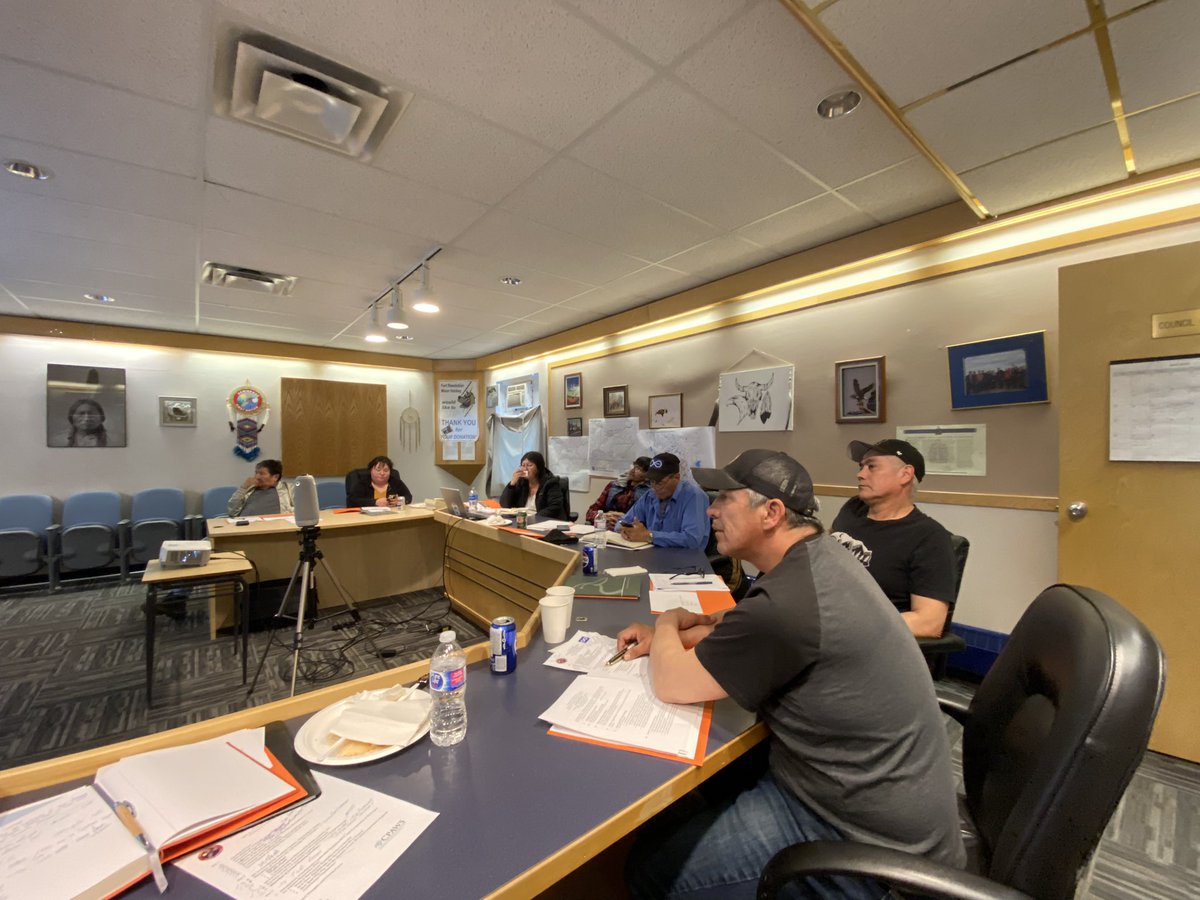
Day 2 of the Slave/Taltson IPCA Committee mtg. Presentation from @StevenNitah , Nature 4 Justice on 'Nature Based Solutions' within the proposed IPCA area.
We can achieve 30x30 without burdening Canadian taxpayers while creating economic development opportunities for Indigenous communities stimulating economies all over Canada.
@StevenNitah will join a panel of speakers on the 11th of January at 8.00 am PT to talk about "How can business constructively support and learn from local communities on nature."
We hope to see you there; follow the link to register.
https://t.co/9IcPxLexGH
Congratulations to Deninu Kųę́ First Nation and the Ft. Resolution Metis Government on this advancement of the Slave/Taltson IPCA initiative! DUC has proudly supported this project for over 10 years and we're excited to support the next phase! 🥳👏👏👏
Congrats to the Nuxalk Guardians for receiving their Parks Ranger badges and legal authorities through an unprecedented pilot project with BC Parks — the result of many years of relationship building. More on the story to come. #Reconciliation@bcparksfdn#GuardianWatchmen
We’ve had significant investment in Indigenous-led conservation initiatives. But, the Canadian legal system needs to catch up.
Our new report helps Indigenous governments navigate Crown laws to govern, protect, and steward their traditional territories.
https://t.co/foZBDGMrmc
#IndigenousPeoplesDay is an opportunity to reflect upon, learn, or unlearn about the rich diversity, knowledges, heritage, & contributions of Indigenous Peoples. Where are you on your learning journey?
Start/continue your learning journey here: https://t.co/VoKhEEMceD
We’re celebrating the 1st anniversary of the IPCA Knowledge Basket.
We’re excited to unveil new resources, upgrades, and improvements to the platform over the next several weeks.
Follow us and stay tuned!
#Indigenousledconservation#IPCAs#knowledgebasket#WeRiseTogether
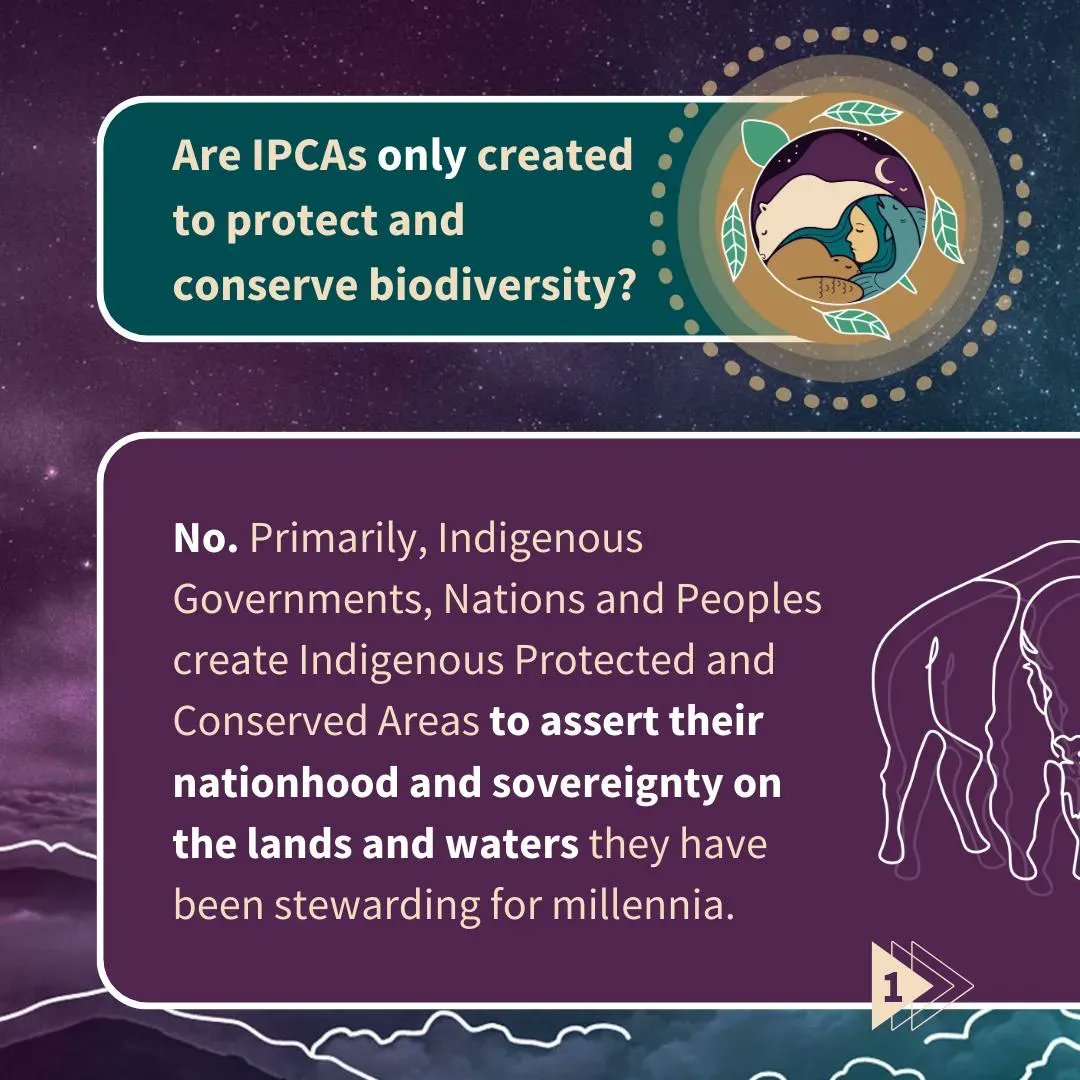
Are IPCAs only created to protect and conserve biodiversity?
No. Primarily, Indigenous Governments, Nations and Peoples create Indigenous Protected and Conserved Areas to assert their nationhood and sovereignty on the lands and waters they have been stewarding for millennia.
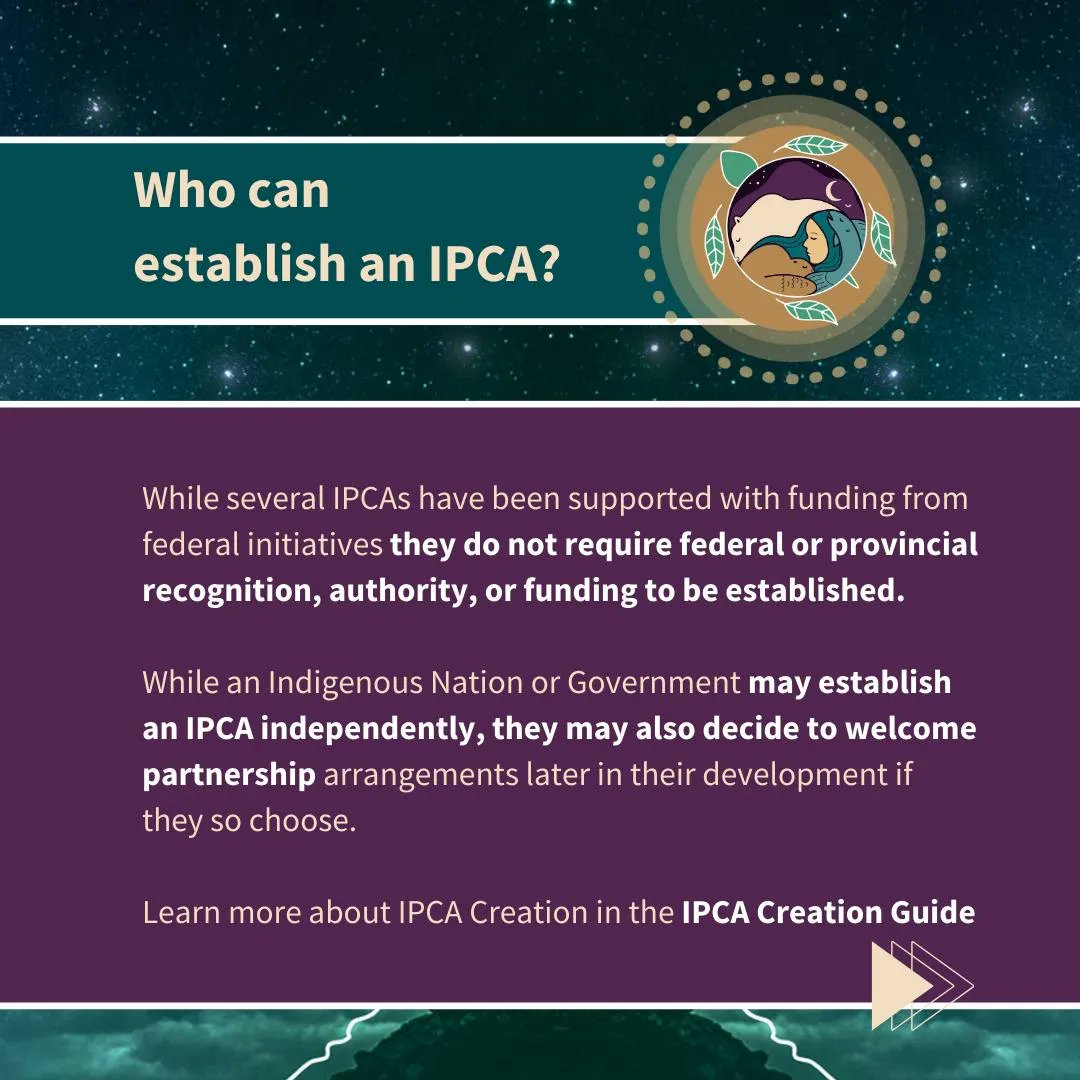
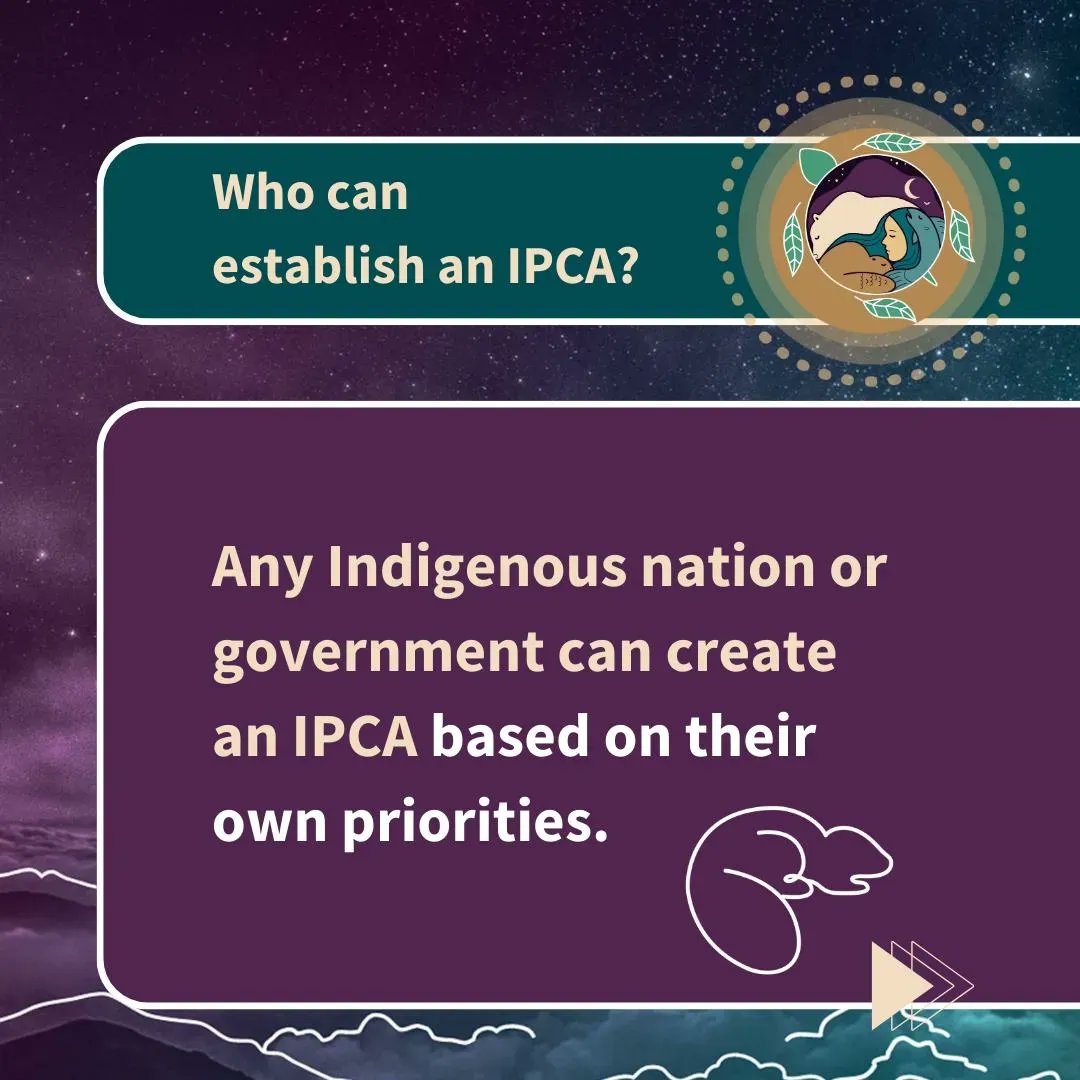
IPCA FAQ - Who can establish an IPCA?
Any Indigenous nation or government can create an IPCA based on their own priorities. IPCAs are modern expressions Indingeous Peoples' inherent rights, and responsibilities to the lands and waters.
Learn more
https://t.co/FLnuPCf24l
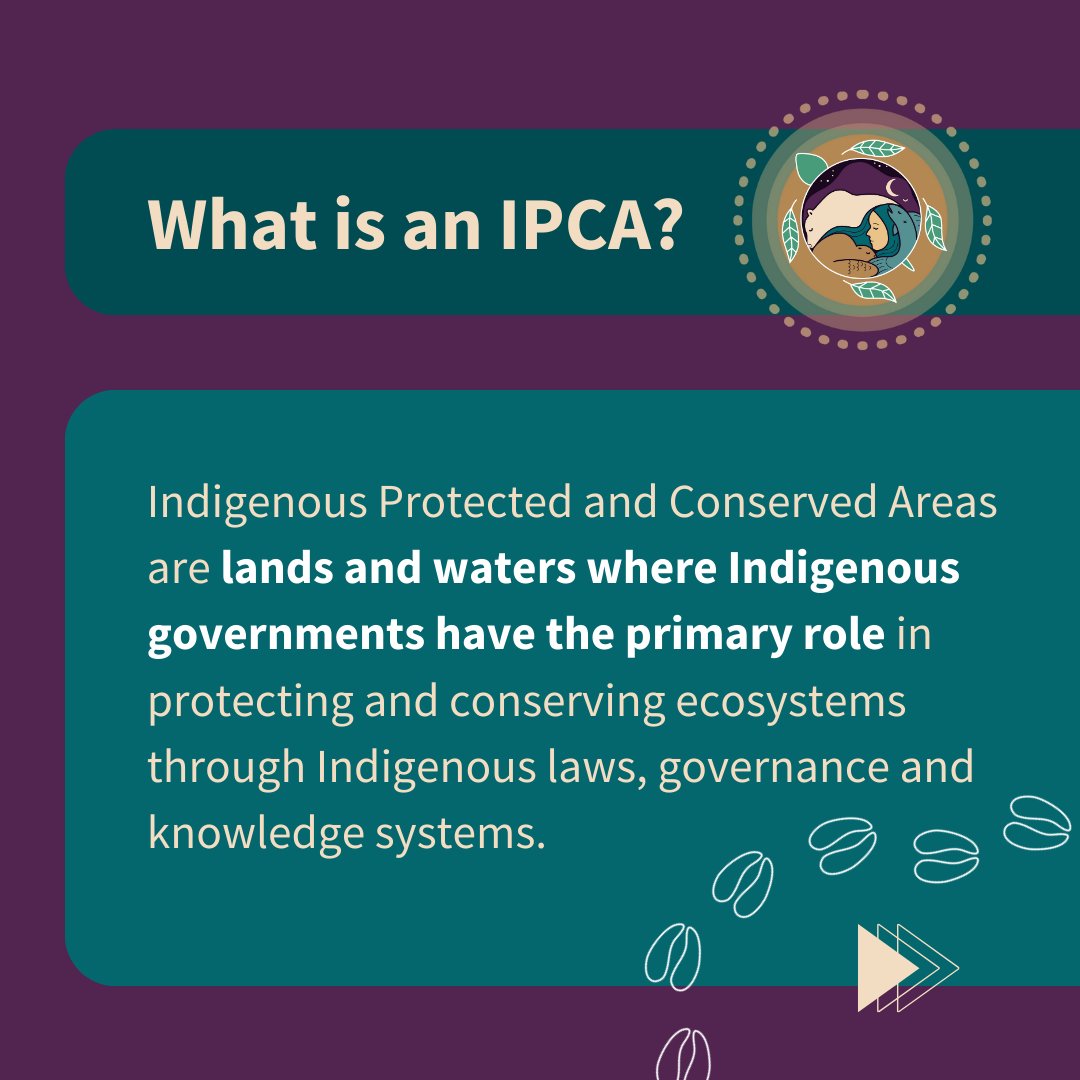
What is an IPCA?
IPCAs are lands and waters where Indigenous governments have the primary role in protecting and conserving ecosystems through Indigenous laws, governance and knowledge systems. Culture and language are the heart and soul of an IPCA.
#IPCA#Indigenous
We banned mine waste disposal in Alaska's Bristol Bay watershed – protecting fisheries Native People have relied on for millennia.
Because of it, and tireless advocates, this priceless resource will be protected for future generations.
It's impossible to put a price on that.
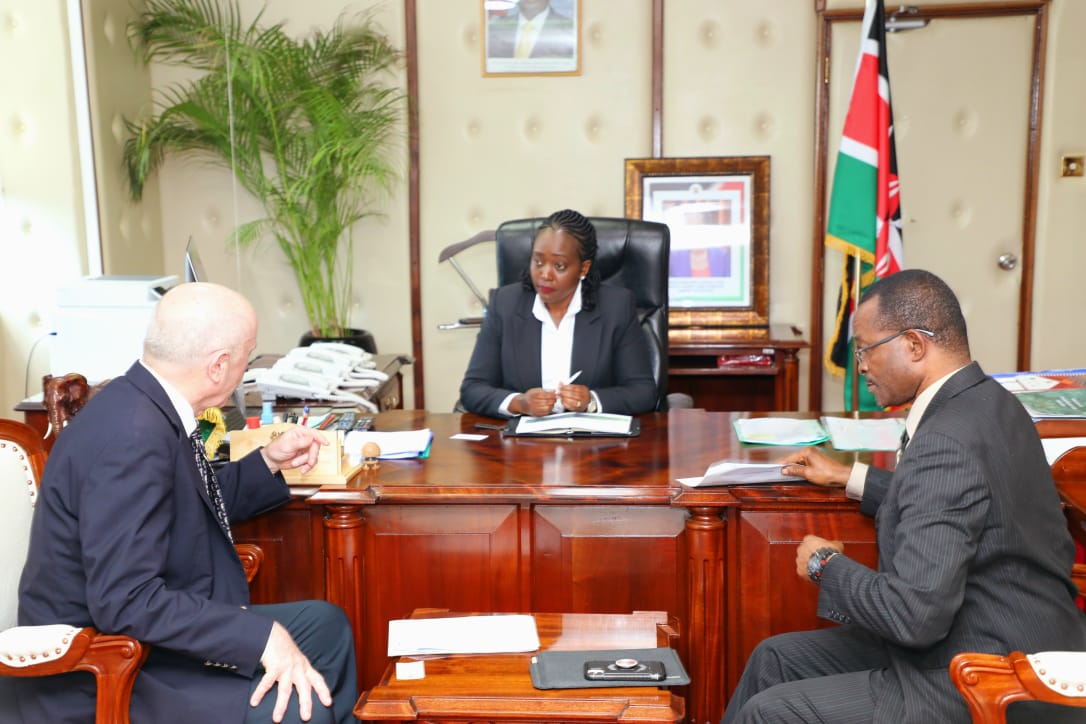
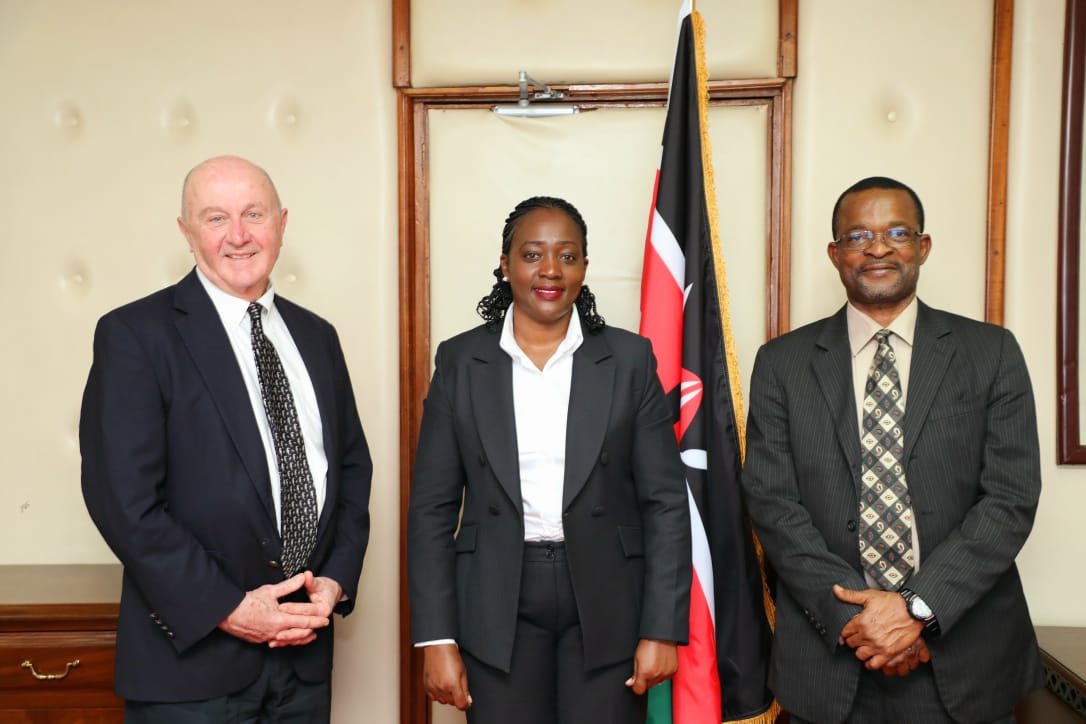
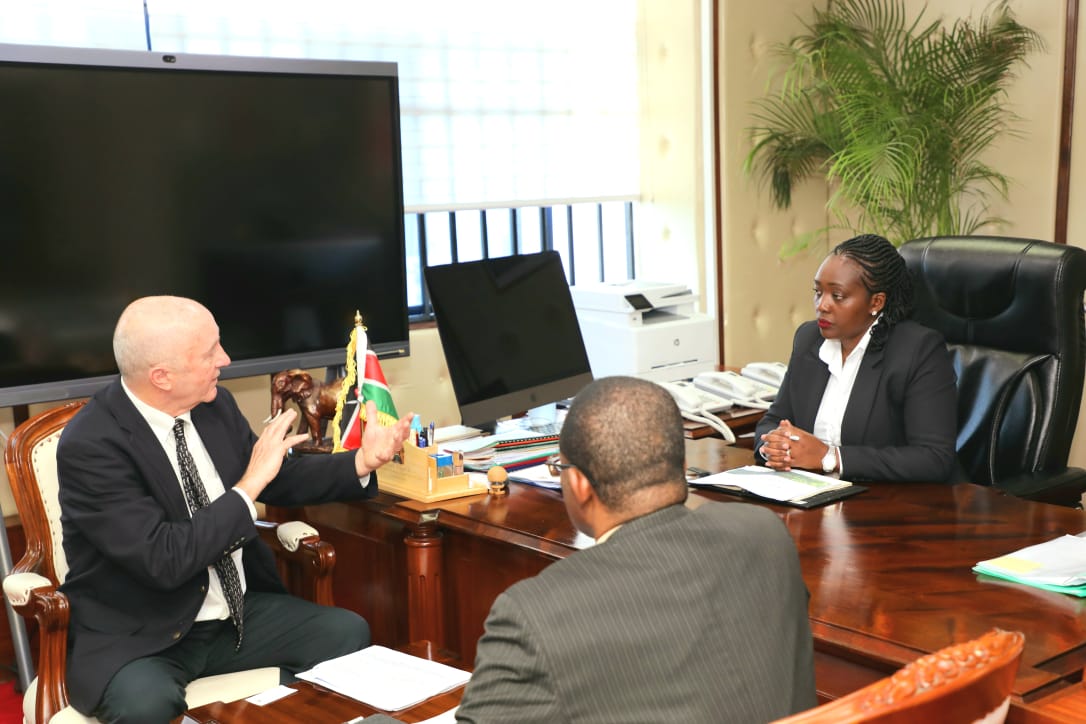
The CS and N4J officials; Hank Cauley (CEO) and Michael Onyeka (MD-Global Partnerships) agreed to a pursue a partnership that will prioritise propagation of seedlings and growing of trees with short term returns such as nut and fruit species.