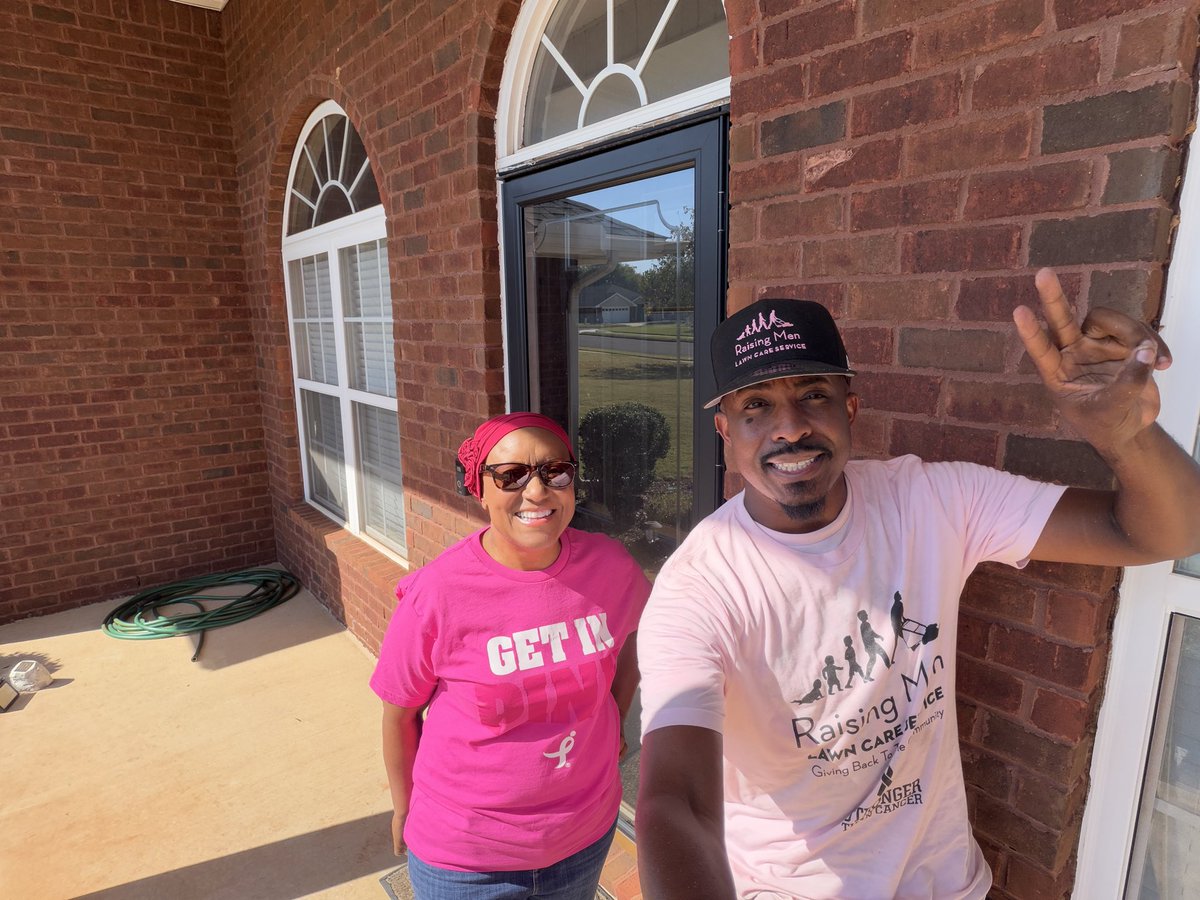
** stopped to a kid that competed the 50 yard challenge while in VA**
Family, please help me congratulate Gage of Norfolk VA , on completing our 50 Yard Challenge! Gage mowed 50 free lawns for the elderly, people with disabilities, single parents, and veterans in his community. What an incredible accomplishment and a great example of giving back!
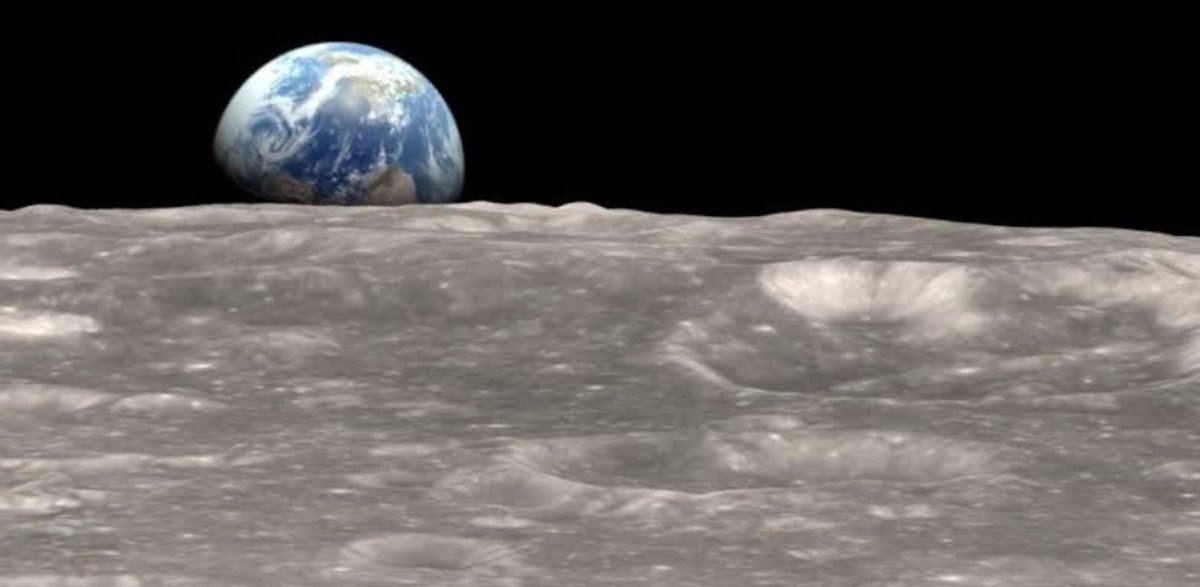
The entire history of life rests on a few freakish moments of sheer luck, the rest is evolutionary brilliance.
From a purely chemical standpoint, DNA has no business doing what it does. It is just a sequence of nitrogenous bases, sugars, and phosphates - all of it inanimate matter. Yet, when arranged into a double helix, it becomes an information inferno, capable of error correction, replication and relentless adaptation.
Life has colonised every hydrothermal vent, the frozen tundra edges of the world and any radioactive crevice it can find. Before DNA, there was likely an 'RNA World' - a simpler, perhaps more chaotic system where self-replicating molecules first learned to copy themselves in the primordial soup. DNA didn't just replace RNA; they joined forces.
However, photosynthesis was the cardinal turning point. Primitive cyanobacteria figured out how to split water molecules apart, using sunlight to unlock an infinite energy source. In doing so, they flooded the atmosphere with a toxic, corrosive byproduct that we know as oxygen - triggering a catastrophic extinction for almost the entire existing anaerobic world. This was the Great Oxidation Event.
Yet, this terrible global disaster was to become the engineroom for everything that was to follow. Complex cellular life (eukaryogenesis) was born by sheer chance: when one simple archaea cell engulfed a bacterium. Instead of digesting it, the bacterium became the starting point for all future multicellular life (the mitochondrion). This symbiotic merger gave cells the immense energy reserves needed to go multicellular, leading directly to plants, fungi and animals.
The remarkable event is known scientifically as eukaryogenesis and it took place approximately 1.8 to 2.3 billion years ago. This became the basis for the Endosymbiotic Theory, why complex life began at all.
When later great extinction events took place, this blueprint for life simply plodded on, re-evolving without tears. When 96% of marine species and 70% of land species vanished 252 million years ago in the End Permian Extinction (The Great Dying), the planet didn't mourn. There was no grief for the trilobites, or the gorgonopsians that ruled the land. The slate was wiped clean by volcanic upheavals (Large Igneous Provinces) and the surviving 4% of life simply kept going.
That tiny fraction of surviving DNA diversified into the dinosaurs, which in turn gave way to mammals, that gave way to us. DNA doesn't care about the living things it builds; it abandons lineages, mutates randomly and sacrifices entire ecosystems to the meat-grinder of extinction—so long as the master key of DNA keeps on replicating.
Life will happen everywhere it can. If the laws of physics and chemistry are universal, then the emergence of life is not a localised miracle; it's an inevitability.
Out in the cosmos, on countless planets orbiting distant stars, organic compounds are likely to be organising themselves right now.
Humanity’s unique burden is that we are the only thing DNA has built that is capable of looking into the heart of the machine and feeling sorrow.
The evidence of history suggests the modern climate agenda is designed to reshape human society, weaken sovereignty and consolidate centralised global control.
The foundational flaw of the climate narrative is the omission of context. We were told current temperatures and CO₂ levels were unprecedented, yet geological history tells the exact opposite story. For the past 34 million years - since the glaciation of Antarctica, and driven by tectonic shifts and changing ocean currents - Earth has been locked in the Late Cenozoic Ice Age.
These conditions intensified 2.58 million years ago into the Quaternary glaciation, characterised by long, brutal glacial periods interrupted by temporary, warmer interglacials, like the Holocene we live in today.
During the past 541 million years of exploding biological diversity (the Phanerozoic Eon) the global temperature has averaged 24°C, ranging from 18°C to 34°C peaks. This is fully 9°C warmer than today’s calculated average of 15°C. We are living in unusually 'cold times' and there is no likelihood of an urgent global warming or climate change facing human society.
The other nemesis comes in the form of CO₂, which is the foundation for photosynthesis, agriculture and the rise of complex life on Earth. Rather than suffering from an excess of CO₂, Earth has been experiencing a long-term carbon decline.
Prior to the industrial era, low CO₂ levels contributed to global aridity, the retreat of biomass and loss of ancient rainforests. An increase in atmospheric CO₂ represents an opportunity for life's biological resurgence, as a fertiliser that stimulates biological growth and expands the planet's agricultural produce.
The natural world has endured genuine, cataclysmic upheavals - but this is not one of them. The great extinction events of the past - such as the Carnian Pluvial Episode or the End-Permian extinction - played out over tens of thousands to millions of years. Yet the biological world survived, adapted and survived.
When the planet experienced sustained, greenhouse conditions, life didn't collapse - it flourished. During the Eocene Epoch 56 million years ago, palm trees grew in the Arctic, ice disappeared from the poles and lush rainforests and endless biology blanketed 85% of the Earth's landmass.
Far from a wasteland, the Eocene was a time of astonishing biological abundance of food and a massive radiation of mammalian life. The lessons of history show us that warmer conditions are not to be feared; they are catalysts for biological resilience and growth.
The brief fluctuations of past decades do not constitute a climate crisis; they are evidence of a temporary, microscopic blip in geological time.
🚨 HOLY CRAP! Trump Interior Sec. Doug Burgum just revealed he found NGOs where up to 100% PERCENT of their revenue was the federal government...
...and their CEO would make $650K a YEAR, and pay lobbyists $400K.
He exposes it: "We found organizations that were receiving grants from Interior, where 80 to 100 percent of the revenue of that NGO was a grant from the federal government."
"And yet those organizations, we were the sole source of their revenue, but they would have a CEO making $650,000 and four $400,000 lobbyists!" @RapidResponse47
Dems are FURIOUS the Trump admin is cracking down on this!
Keep pushing!
There is so much misinformation around owning Teslas, even till this day:
• No, you don’t get range anxiety. With a wall connector at home, you wake up to a “full tank” every day, and Tesla Supercharger stations are everywhere.
• Teslas make the BEST road trip vehicles because of FSD.
• Total ownership costs are much lower than a comparable gas car when you factor in fuel, and maintenance.
• Tesla batteries are engineered for longevity. They’re designed to lose only 20% of capacity after 250K miles.
• A Tesla is ~8x less likely to catch fire than a gasoline vehicle.
• Tesla FSD can drive you from point A to point B anywhere in the US, including cross-country. It handles all our charging stops, parking, etc.
• With FSD, you just press a button on the display, and the car will drive itself to your destination. You literally just relax.
• On road trips, Tesla Superchargers are conveniently placed along your route in locations where you can eat, shop, and rest.
• Average charging stops take 10–30 minutes. You do not charge to 100%, as that isn’t the quickest way.
• The average price per kWh in the US is $0.18. Charging a Model 3 Premium RWD costs only $14.70 for over 360 miles of range. (Can be way less in some states)
• Tesla vehicles are among the best to drive in winter. Heat pumps warm the cabin quickly and efficiently, while instant torque and traction control provide excellent grip.
• The only maintenance typically required is cabin air filters, tires, and windshield fluid.
• New battery replacements for the Model 3 and Model Y start as low as $8,000 to $12,000, not the “$30,000 to $40,000” some “experts” claim. The battery itself costs about the same as (or less than) a typical engine replacement, but with far less labor involved. Full battery replacements are extremely rare.
• The electric motors slow the car by recovering kinetic energy and sending it back into the battery, so the physical brakes hardly ever get used. They can last onwards of 250K miles.
• Teslas get frequent OTA software updates that add new features, improve performance, and fix issues without a service cost.
• Tesla vehicles have the highest safety ratings in the industry, and rank among the lowest fatality rates. Cybertruck is the safest pickup truck, by far.
• Model 3&Y, and Cybertruck can power our home during an outage with the correct equipment.
Best cars ever.
Jeff Bezos says if Amazon ran like the New York school system, your package would take six weeks to arrive with the WRONG item inside.
NYC spends $44,000 per student. At 20 students per teacher, that’s over $880,000 per classroom.
But the teachers aren’t making anything close to that. So where’s the money going?
BEZOS: “How much of that money do you think is trickling down to teachers? NOT MUCH.”
This $44,000 per student figure is 30% MORE than Chicago, L.A., and Boston spend. And the kids aren’t getting better results.
Nearly HALF of NYC 4th graders can’t even read at a basic level. By 8th grade, 77% aren’t proficient in math.
Tax you more. Deliver worse outcomes. Make the bureaucrats nearly impossible to fire.
And they have the gall to demand more of your money.
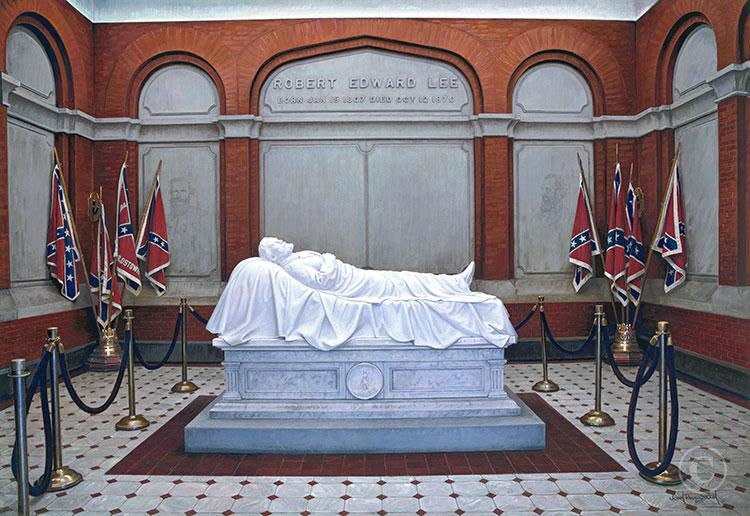
Oct 12, 1870: Robert E. Lee died in Lexington, Virginia, five and a half years after he surrendered at Appomattox.
When the war ended, Lee was the most famous man in the South and he had nothing. His family home at Arlington had been seized by the federal government and turned into a cemetery for Union dead. He was 58, his health was failing, and he was under indictment for treason, though he was never tried.
Offers came in. Businesses wanted to put his name on their letterhead for big salaries. He turned them down. Instead he took a job as president of Washington College, a tiny school in the Shenandoah Valley that had been looted by Union troops during the war. It had a few dozen students and a handful of professors. The salary was $1,500 a year.
He threw himself into it. He knew most of the students by name. He added courses in engineering, business, and journalism, which were unusual for the time. He replaced a long list of rules with an honor system and told students the school had only one rule: every student must be a gentleman.
He spent those years telling Southerners to accept the result of the war. He told former soldiers to go home and rebuild. According to an often-told story, when a widow complained bitterly to him about the Union, he told her not to raise her sons to hate the United States and to make them Americans. In 1869 he paid a short visit to President Ulysses S. Grant at the White House.
His heart was giving out. In the spring of 1870 he took a long trip south, partly for his health. Crowds met him at every stop. On Cumberland Island in Georgia he visited the grave of his father, Revolutionary War hero Light-Horse Harry Lee.
On Sept 28, a cold, rainy day, he went to a long meeting at his church about raising money for the minister's salary. When they came up short, Lee pledged the difference himself. He walked home in the rain and sat down to dinner with his family. When he tried to say grace, no words came out.
He had suffered a stroke. They made a bed for him in the dining room. For two weeks he lay there, mostly silent, while one of the worst floods in Virginia history swept through the region outside.
He died around 9:30 in the morning on Oct 12. He was 63.
Accounts written later said his last words were "Strike the tent," along with an order for A.P. Hill to come up, as if he were back on the battlefield. Doctors who have studied the case think the stroke had taken his ability to speak, and many historians doubt those words were ever said.
The flood had washed away the town undertaker's stock of coffins. Some were found downriver, and the only usable one was too short. Lee was buried in his suit without shoes.
He was laid to rest in a crypt beneath the chapel on the college grounds. Within days the school's trustees voted to rename it Washington and Lee. His horse Traveller, who walked behind the funeral procession, is buried just outside.
After the war Lee had signed an oath of allegiance and applied for a pardon. The oath was lost and never acted on. It was found in the National Archives a century later, and in 1975 Congress restored his citizenship.
Americans still argue over how to remember him and the cause he fought for, and they probably always will. But in the last five years of his life, he chose to spend what he had left teaching young men, rebuilding a broken school, and telling a defeated people to put down their anger and become Americans again.
156 years ago today. Rest easy General.
Y ya que estamos con los consejos de salud, aquí van otras cosas que todos pueden hacer, empezando hoy, y que no cuestan ni un centavo:
1. Recibir sol, al menos 15 minutos al día.
2. Caminar descalzos unos minutos sobre la grama, tierra o arena (no en la vía pública, jajaja).
3. Dormir.
4. Pasar tiempo con la familia/amigos.
5. Leer un libro (aunque sea unas páginas al día).
6. Detenerse un minuto al día para respirar profundamente.
7. Cerrar los ojos y meditar (pensar) 5 minutos al día.
8. Sonreír (aunque estén solos).
9. Decir gracias, por favor y buenos días.
Háganlo y si no se sienten 10 veces mejor de lo que se sienten ahora, voten por la oposición en las próximas elecciones 😂
There's an entirely new auto market being opened up by FSD.
My wife and I moved into a retirement community last year, and we were joined by my brother and his wife. Our homes are almost next door to each other. Being longtime Tesla owners, we joined the EV group that meets once a month and shares information. I offered to talk about my experience with FSD, and they were excited to hear about it. So I prepared some slides and videos, freely purloined from the great material on X.
The results were pretty astounding. The average monthly meetup usually had, perhaps, a couple of dozen people. Instead, the meeting notice talking about FSD drew a packed house of perhaps a hundred people, and we had to turn people away as the room was full.
Well, that was last quarter's meeting. This quarter's meeting was held last week, to a significantly expanded group. And what did we hear? We heard about a couple that had stopped driving, their car sitting parked because they felt too unsure of themselves to drive. After my presentation, they traded in their vehicle for a Tesla with FSD, and now they are at about 97.5% on FSD and feel that they have been liberated. When I asked "why only 97.5%," they explained that the car lost its way in their underground parking garage (they live in the apartment section of the community). I explained that they could drop a pin on their actual parking spot rather than the address, and that may solve their problem.
What struck me even more than the people who bought new Teslas after the presentation was how many seniors talked about their own FSD experience, and how many of them were achieving mid- to high-90% FSD driving. There was uniform enthusiasm for the product and for what it meant for them in their senior years.
That matters in what is rapidly becoming an aging population.
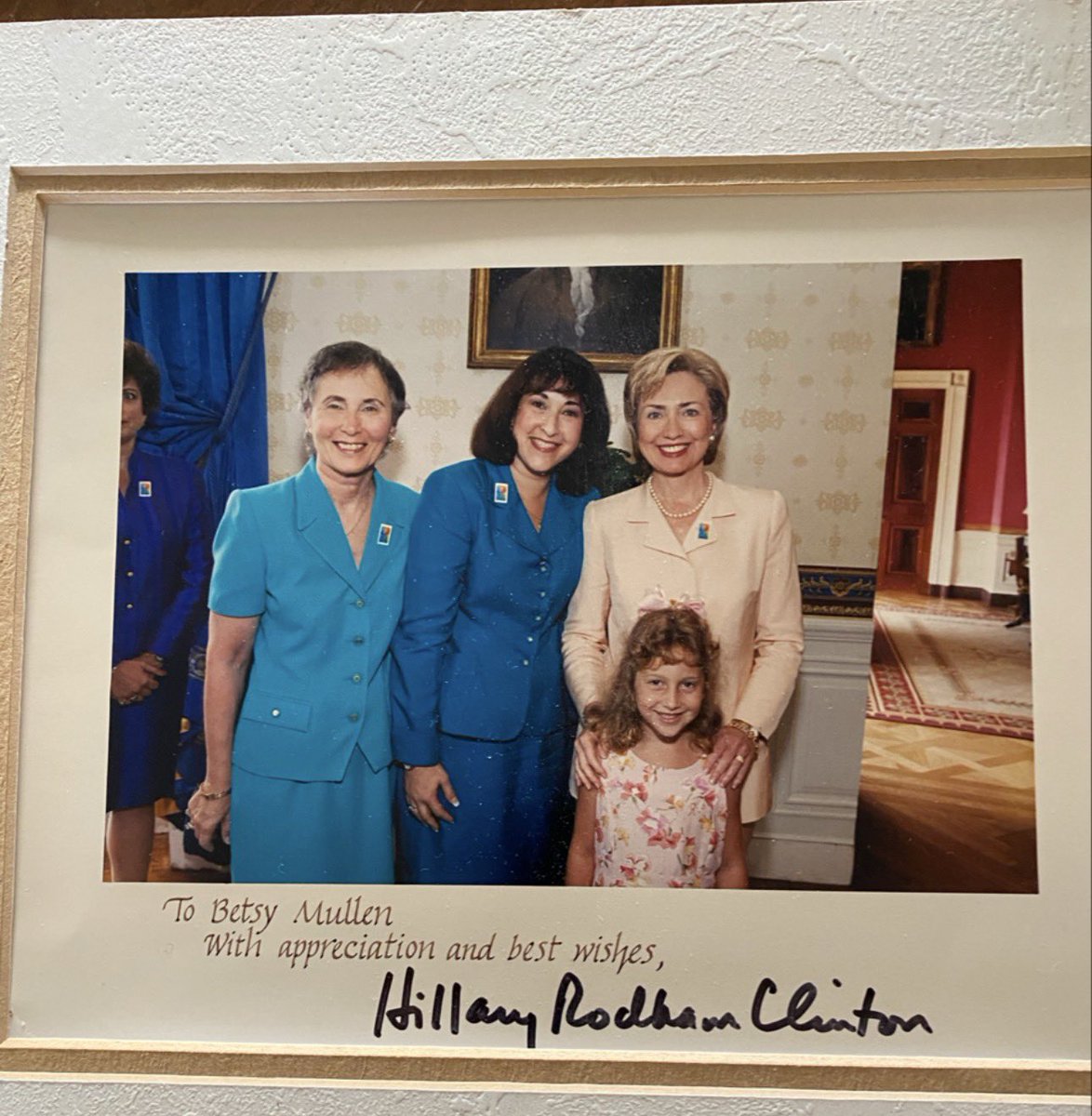
“Respect the diagnosis; question the prognosis.” 🎀 Meet Elizabeth “Betsy” Mullen. At just 33 years old, Betsy was diagnosed with aggressive Grade III triple-negative breast cancer and told she had only two to three years to live at best. She underwent a mastectomy, lymph node surgery, reconstruction, and six months of high-dose chemotherapy. That was 34 years ago this month—and Betsy is still here. 🙏🏾✨ She went on to spend two years helping create the Breast Cancer Research Stamp, the first fundraising stamp in U.S. Postal Service history. Since then, more than 1.2 billion stamps have been sold and nearly $100 million raised for breast cancer research. Betsy’s story is a powerful reminder that a prognosis doesn’t always get to write the final chapter. ❤️🎀
I may not be able to meet everyone during my 50-state breast cancer awareness tour, but their stories still deserve to be heard. If you’re currently battling breast cancer, are a survivor, or would like me to share the story of someone you’ve lost, text your story to +1 (938) 309-3909. Your story matters, too.
🚨 HOLY SMOKES. Jack Smith's team TRACKED the calls of Trump's defense lawyers by monitoring Susie Wiles' phone, per newly declassified FBI memos reported by Just The News
Smith's team also SECRETLY met with disgraced CIA Chief John Brennan and the meeting notes were left blank.
The memos show FBI agents used a pen register on Wiles' phone from at least February to May 2023, logging her calls and texts with at least 21 Trump lawyers, campaign staff, and at least FIVE journalists
FBI field agents wrote that they did NOT believe there was probable cause for the Mar-a-Lago raid, but DOJ pushed ahead anyway 😡
THIS IS A MASSIVE VIOLATION
Jack Smith is a deep state criminal who should face prosecution!
#Débat 🎙 / 🇧🇪 Philippe Gilbert propose de limiter les oreillettes à un ou deux coureurs par équipe, désignés comme leaders ou capitaines. Une solution intermédiaire pour conserver la communication tout en ajoutant de l’incertitude.
💬 "Ce que j’avais proposé, ce serait qu’on ait un ou deux coureurs maximum par équipe qui jouent le rôle de capitaines. (...) Nous aurons un leader et un capitaine, ce serait intéressant. »
💬 "Je serais content de voir une course test avec une ou deux radios par équipe, après je comprends. Certains directeurs sportifs surjouent le fait de hurler sur les coureurs pour continuer à exister parce que ce sont des anciens coureurs."
📎 Pour en savoir plus : https://t.co/al1uKsK33W
Better go see the Great Barrier Reef before it disappears!
Actually, you have plenty of time, because coral cover has actually INCREASED in the last 20 years.
More surprising facts here:
Freeman Dyson's teaches definition of Science ✍️
The whole point of science is that most of it is uncertain. That's why science is exciting--because we don't know. Science is all about things we don't understand. The public, of course, imagines science is just a set of facts. But it's not. Science is a process of exploring, which is always partial. We explore, and we find out things that we understand. We find out things we thought we understood were wrong. That's how it makes progress.
-- as mentioned in a 2014 interview
📷 Science Photo Library
This stop on my 50-state mowing tour is deeply personal because Dr. Kim Thomas-Phillips isn’t just a breast cancer survivor I’m interviewing, she’s my aunt, and she’s currently battling Stage 3 breast cancer. Despite never missing her annual mammogram, her diagnosis came as a shock. Her message to women, especially those with dense breasts, is to advocate for themselves and ask their doctors about additional screening. Through it all, her faith and family keep her going. Every morning, she wakes up to encouraging messages, prayers, and Bible verses from loved ones. Seeing my own aunt face this battle reminds me why this tour means so much. ❤️🎀
🚨 BREAKING: The Secret Service and US military informed President Trump it's TOO DANGEROUS to fly into Oklahoma for his rally tonight due to weather…
So 47 decided to take the motorcade 100 MILES to Durant, to not let the patriots down who’re waiting at the rally. What a LEGEND!
"'The Beast' is going faster than it has ever gone before,” Trump said
It's literally SEVERAL HOURS AWAY by car. This might be the lengthiest Presidential motorcade in modern US history 😆🔥
🔥 EPIC! NASA's Crew 13 has SUCCESSFULLY made it to the International Space Station after <8 HOURS, thanks to SpaceX
Not long ago, this took SEVERAL DAYS.
This crew of four will now spend 6 MONTHS on the Space Station, conducting studies on the effects of being in space on the human body, as well as experimenting with crop production onboard a spacecraft to assist future astronauts on long-distance missions--such as to Mars--have access to organic nutrients