They bought a second flat because rent would “take care of the EMI.”
The tenant left. The building needed repairs. The flat remained vacant for five months.
The bank never missed its rent.
He lent ₹5 lakh to a close friend without paperwork because asking for an agreement felt insulting.
Two years later, asking for his own money back felt even more insulting.
They no longer speak.
He made ₹18 lakh in crypto during the bull market and resigned from his job.
By the time the market crashed, his previous position had been filled.
The profit disappeared quickly.
Finding another job took much longer.
The retired couple owns a house worth ₹2 crore.
Their pension barely covers monthly expenses.
The children call them rich.
A ₹4 lakh medical bill still makes them anxious.
He had no investments at 30.
His college friend had already accumulated ₹60 lakh.
What people did not see was that he had funded his sister’s education, cleared his father’s debt and repaired the family home.
He saved aggressively throughout his twenties.
Skipped vacations, weddings and every trip his parents suggested.
At 31, he finally felt financially comfortable.
His father was no longer healthy enough to travel.
She bought a house near the office to avoid a two-hour commute.
Six months later, the company made her role permanently remote.
She now pays a large EMI to live in a crowded area she no longer needs.
They kept postponing health insurance because both were young and covered by their employers.
Then the husband lost his job.
Three months later, the wife needed surgery.
The medical emergency arrived during the exact period when neither policy existed.
He changed cities for a 40% salary hike.
Higher rent, school fees, commuting and domestic help consumed the entire increase.
He now earns much more and saves slightly less.
Not a single person on my timeline is bullish on Indian market. Sentiment analysis is strongly suggesting that we have already made the bottom or very close to it.
At the family wedding, everyone admired the cousin earning ₹3 lakh a month.
Nobody knew about his ₹1.8 lakh monthly EMIs.
They felt sorry for the cousin earning ₹80,000.
He had no debt and slept peacefully.
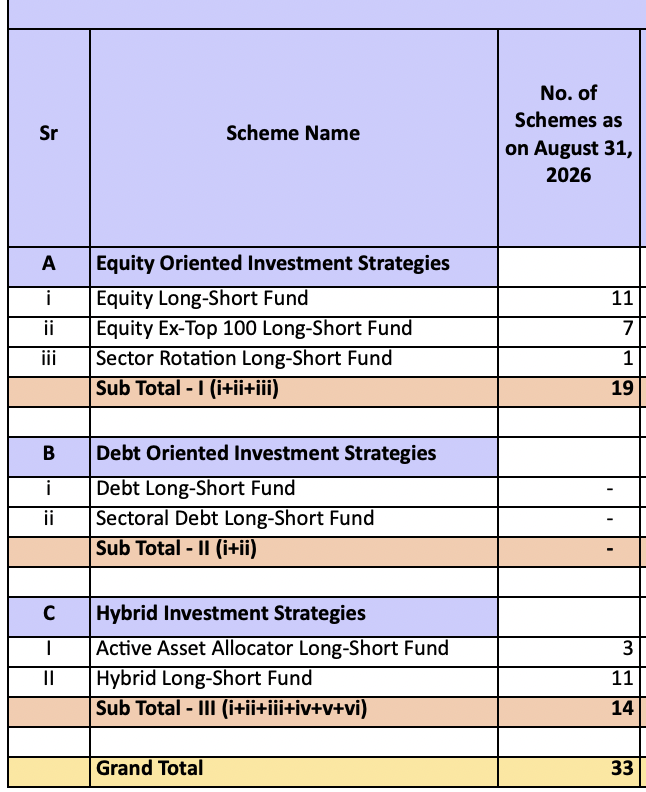
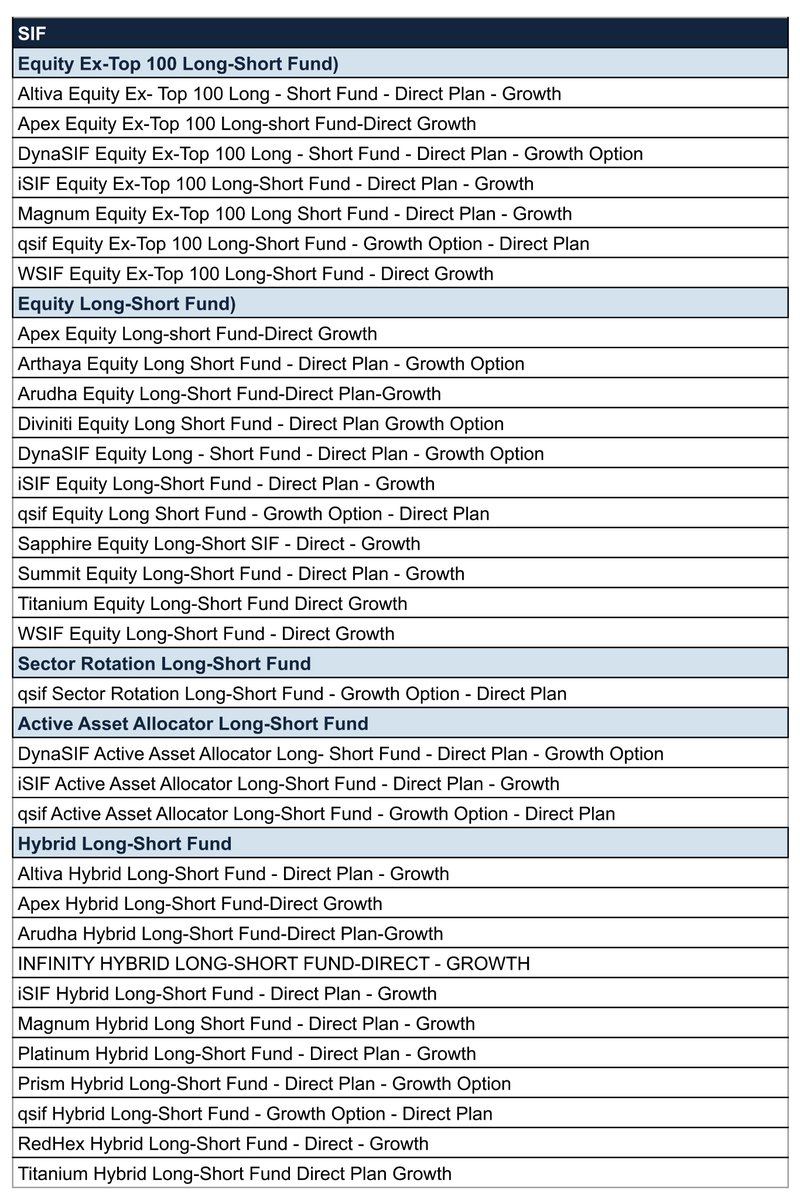
📣 33 SIFs have launched. Not one is a debt fund. So where are AMCs placing their bets? 👇
Equity-oriented strategies:
Equity Long-Short Fund: At least 80% in equity and equity-related instruments. It may take up to 25% unhedged short exposure through equity derivatives.
Hybrid Long-Short Fund: Invests at least 25% in equity and equity-related instruments and at least 25% in debt instruments. It may take up to 25% unhedged short exposure through equity and debt derivatives.