This famous picture of the great painter G.G. Gagarin depicts a battle between Russian troops and the forces of #ImamShamil, consisting mainly of #Avars, #Kumyks, and other neighboring nations. Yet, the official name of the image is "Battle between Russian Troops and Circassians at Akhatle on May 8, 1841.
In the 19th century, both Imperial Russian officials and foreign Western travelers used "Circassian" (#черкесы) loosely as a lazy, catch-all term for all #Caucasian mountain peoples. Because #Circassian resistance was highly publicized in Europe, their name became shorthand for any highland warrior, flattening the region's immense diversity.
#ArtHistory #Caucasus #Dagestan #MilitaryHistory #RussianMuseum #Gagarin #HistoryBuff
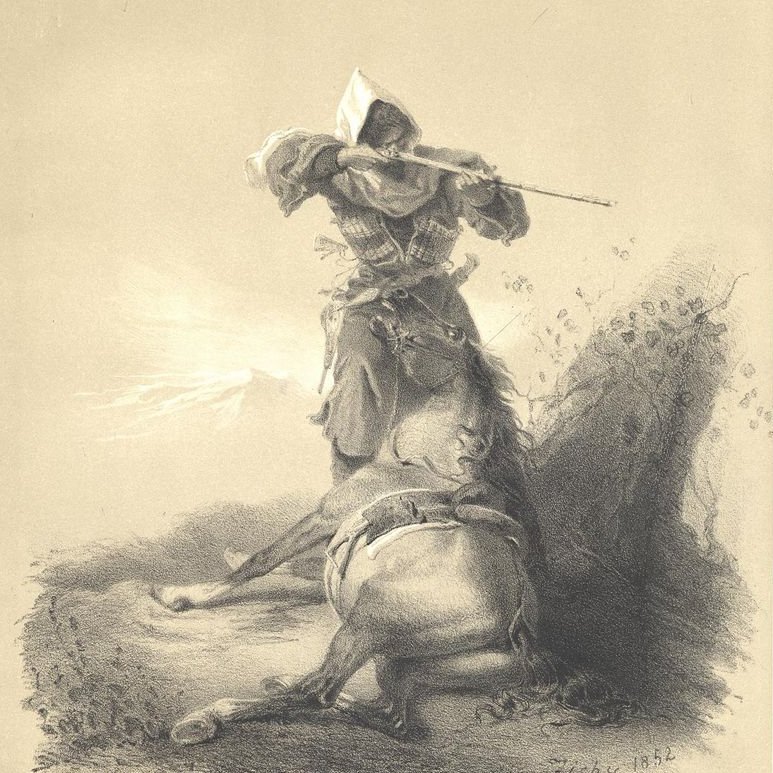
“The Shot” (Le Coup de Feu) — Created in 1852 as part of his famous Scènes du Caucase (Scenes of the Caucasus) series, this piece captures a highlander—most likely an Adyghe or Abaza warrior—taking aim with a musket from behind his downed, sheltering horse.
Original Title: Djar. Mougal de la milice Lesghienne Djar.
English: Jar. Mughal from the Lesghian-Jar militia.
Turns out, some historical sources used "Mugals" to refer to the Turkic-speaking population (modern Azerbaijanis).
18th-century Djaro-Belokan Jamaat was truly multi-ethnic. Sources like O. Konstantinov and A. von Plotto divide its population into 3 main groups:
1. #Avars (mountaineers / core group)
2. Mugals (#Azerbaijanis)
3. Ingiloys (#Georgians)
Incredible how paying attention to a small caption changes your historical perspective! 🎨📜
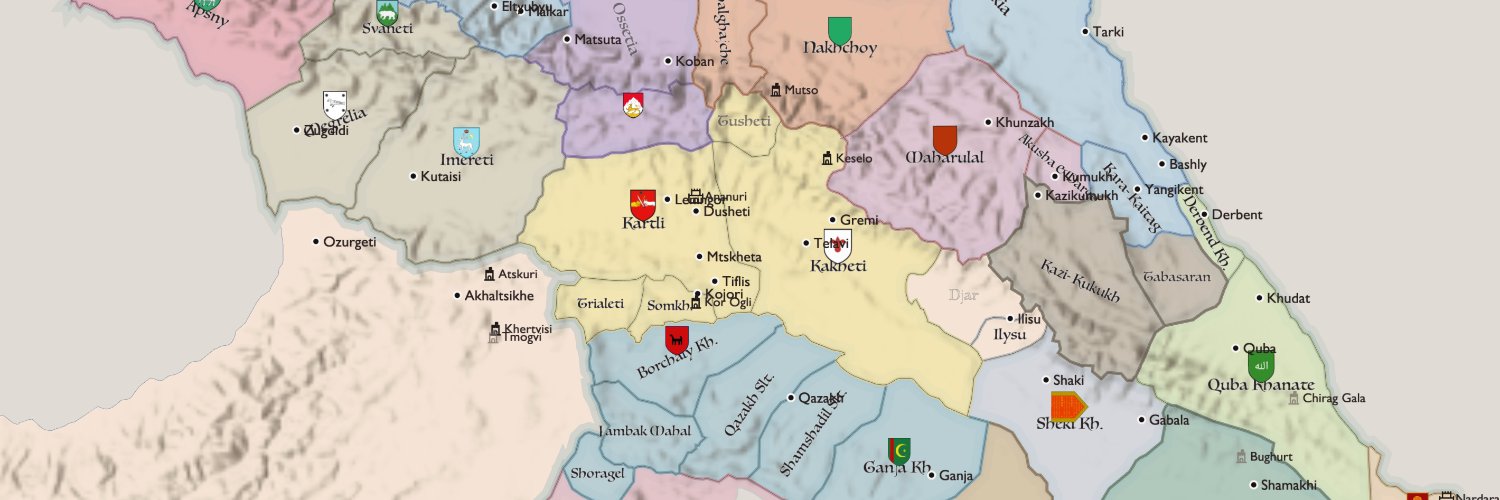
You can now view castles, fortresses, and mountain ranges across the region. We welcome any contributions regarding major settlements, towers, and castles existing during the 1750s. #Caucasus
Recently, we updated our interactive map of the Caucasus around 1750 with new technology and enhanced visuals! Check out the map and support our project here: https://t.co/oNWVSJvmv0
We've updated our @HouseofDragon map with a historical timeline and events button! You can also now search for major towns and cities across Westeros.#HOTD https://t.co/xHdw1by5AP
It can be tough keeping track of all the locations in #HouseOfTheDragon. A map would be a game-changer for visualizing where everything's happening. 🗺️
#HouseOfTheDragonEp5 Do you like our interactive map of Westeros & Essos @HOTDNewsHBO ?
https://t.co/xHdw1by5AP
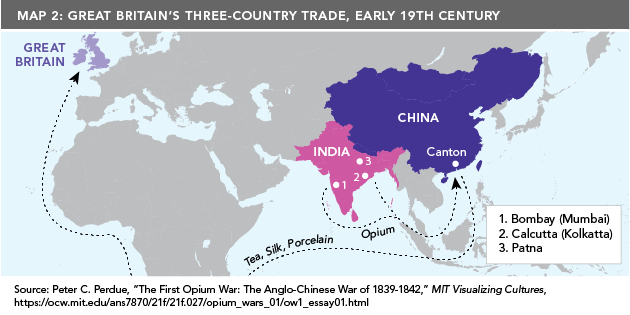
#Opium used to be cultivated in modest quantities in Asia and the #MiddleEast for medicinal purposes as a painkiller. In the 17th and 18th centuries, the #Dutch East #India Company began using it as currency, exchanging the drug for pepper on the Malabar Coast. From Dutch-controlled Java, a particularly addictive version of the drug flowed eastward via #Chinese merchants, prompting China to ban it. Meanwhile, Britain took over #SouthAsian territories, including the opium-producing #Bihar. In 1772, as #Britain struggled to pay the Chinese for their tea, it turned to opium as an alternative means of exchange.
Despite China's drug ban, Britain justified its opium exports there by claiming it was simply continuing an indigenous trade practiced by the #Mughals. Such callousness was an attempt to absolve oneself from responsibility, as @GhoshAmitav , the author of “Smoke and Ashes: Opium’s Hidden Histories,” puts it: "the British empire's remarkable talents in self-exculpatory myth-making ... Not only did #Western #colonizers succeed in using opium to extract wealth from Asians but they were also successful in obscuring their own role in the trade by claiming it had existed since time immemorial because non-white people were by nature prone to addiction and depravity."