Job Opportunity: Marketing & Communications Lead
Join the JICP to transform Johannesburg into a vibrant, inclusive hub where everyone can live, work, and explore. We believe in building connections, optimising resources, and tackling real challenges – without quick fixes.
https://t.co/PbsRA9YjWp
#JobOpportunity #Marketing #PR #JoinUs #JICP #BrandAndBuzzCreator #Johannesburg #UrbanRegeneration
#GoodHoodStories |The @JhbPartnership uses its extensive networks to bring the right people together to sustainably transform the inner city.
Watch the Good Hood video below 👇 to learn about the JICP approach from CEO David van Niekerk. @ofuturecities
https://t.co/Rtv3RWN109
@jamesfitz789 Tks for the great piece, James. My 3 sons and I did our own lockdown song from 3 different locations in South Africa, using what we had - no access to a studio or state of the art equipment or anything like that. It's called "streaming my love to you". https://t.co/q6fu6LYq5R
A 2005 study found that firetruck response is much faster on the skinny streets of Boston than in the wide-open thoroughfares of the suburbs. And skinny streets are much safer overall, besides: https://t.co/DDS3Q3vF4X
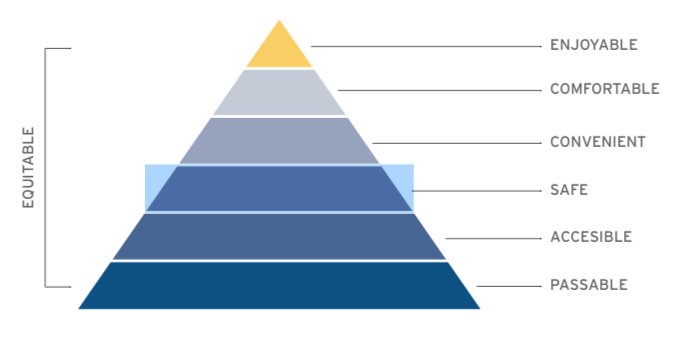
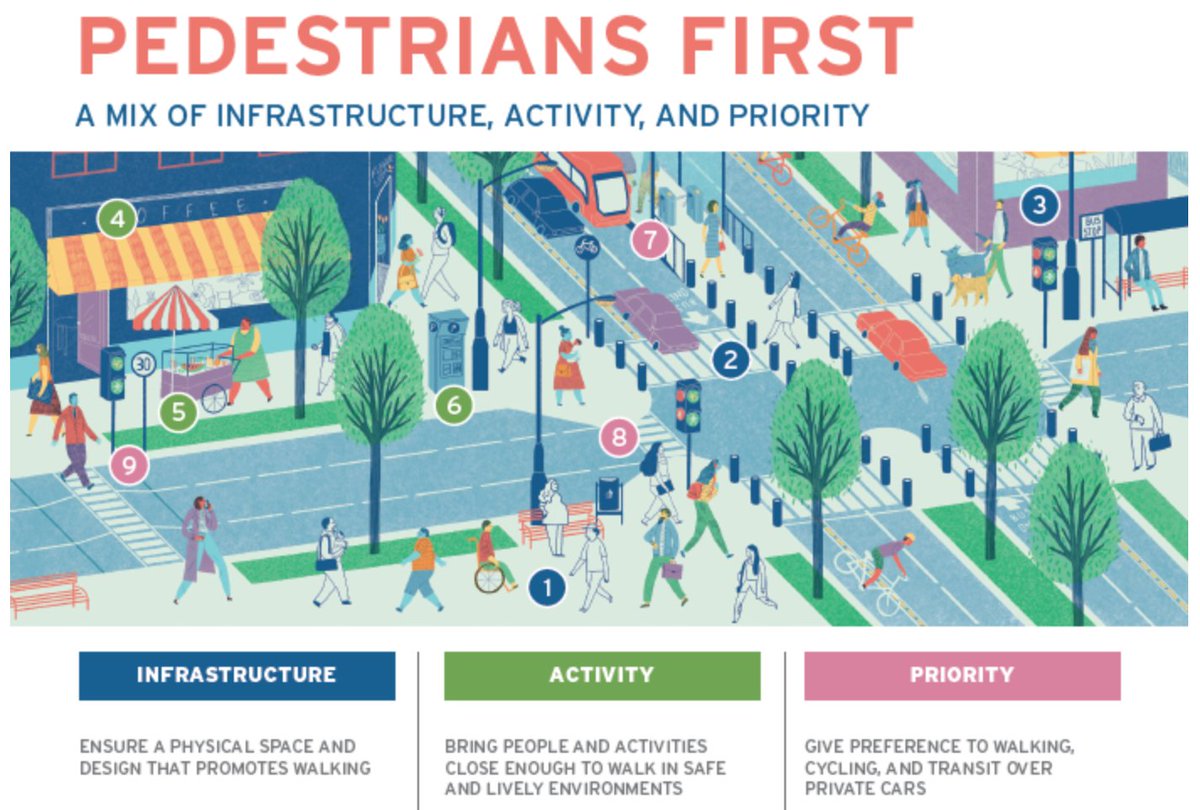
"Cities around the world are recognizing how essential walkability is...But walkability is not just a sidewalk, it’s a whole system of design and infrastructure." A new tool from @ITDP_HQ: https://t.co/2RfmWzocFe
This is so true. Its better to do no public engagement at all than to go through the motions armed with flip charts, pens and sticky notes. Ask the community what they know. Ask the expert to do what they know.
It is the experiences of real people that should guide our planning efforts. Their actions are the data we should be collecting, not their stated preferences.
https://t.co/l0mldMKSmh
Too often, community leaders complain that their citizens don't show up to public input meetings. But what happens when the leaders come to *them*—and take it as an opportunity to observe the streets around them while they're at it? https://t.co/15KcAd3gc9
Where we come to know that the UN speaks of cities using non homogeneous data; that there is no agreement about what a city is; and that Africa is much more urban of what we have been told.
https://t.co/XIFL0HPRax
This is a good @StrongTowns article, but the more-intriguing question is why US cities are so alike despite the variety of local tax structures. My guess is this is an example of how zoning can override tax incentives. Thoughts from @StreetsMN friends? https://t.co/9zYfR6Zgc8
We have all kinds of equations and measurements for quantifying the impact of traffic delays. But only one kind of traffic: car traffic. Time to expand the analysis. via @OurAuckland. https://t.co/ph4hkEuGRl
Punchy article on 20 interventions for cities to boost community life, which is arguably the most important objective of a city. How can SA cities be incentivised to take these forward? https://t.co/JFkLJ50nR6
US anti-transit campaigns funded by players in the motor industry . . . is subsidised Uber a better option for the urban poor than transit? What about the environment? https://t.co/0w2qzWHlg2
"Highway funding has historically been built into state and federal budgets, but transit funding usually requires a vote to raise taxes, creating what experts call a systemic bias toward cars over trains and buses."
https://t.co/O0Pk6Qj2oi
How to save a city. Lessons from Amsterdam, Copenhagen, London and Stockholm - street diets vs. congestion tax. My favourite line: “The best way to slow cars down is to throw away all the techniques that traffic engineers developed to make traffic flow quickly". https://t.co/eMuOcJXmH8