Concrete isn’t going anywhere for a long while.
Optimized/efficient designing is a big part of sustainable design. Research and innovation will do their parts and maybe one day concrete will become a thing of the past. But until then, it’s a group effort to optimize design and minimize materials used.
Also, with natural hazards becoming potentially more frequent and violent, design safety factors get updated as well as updated design standards. Both could have big impact on how much concrete or any material is needed to create safe structures.
"I agree that concrete is an enormous contributor to climate change. It would be silly to try to deny it," writes Pat Finn. And yet... https://t.co/xb7jcnfudf
I have obviously pissed off some very corrupt/powerful individuals and am a threat to their billion dollar fraud ring inside of California. They are literally creating new laws to make it harder to expose fraud. I’ll need your guys support more than ever, here are a few ways to support:
- The MOST important is that you like, share and follow my work 🙏🏼
- Join https://t.co/1EhBlLgKXj (it's free) hoodies/tees are available here
- Want to donate? Venmo/Cashapp/paypal: Nickshirley21
- Become a X subscriber https://t.co/R7E4gNUnC6
God bless and never fold to the fraudsters,
Nick
If you have the time to watch what is basically a movie, this LA home is a master piece and @enesyilmazer and the team crushed it with this tour. Highly recommend watching at least some of it.
Touring a $177,000,000 Mega Mansion - Los Angeles' BEST HOME! https://t.co/dbEdpHgB3H via @YouTube
I'm at 1915 subscribers - can you help me get to 2000?
Today's post: "Does a Building Need to Breathe?" wherein I discuss biology, thermodynamics, and other fun stuff - in plain language.
Free posts every Friday, paid subscribers get access to 100+ posts in the archive and a fresh, original long-form post every Tuesday.
I cover everything from building science and technical stuff, to business and real estate, to architecture and interior design, to construction stories!
Link in bio ☝️
This is cool! I’ve never even thought of such delivery methods for turbine blades. I feel like I’m used to seeing clips of semis making the trek with the major overhangs dangling in air.
Longest turbine blades hauled via rail leave Colorado - CBS Colorado https://t.co/h8BA3rbFHz
@joshkadkins They purchased a large chuck of Wells Fargo branches a few years back throughout the Midwest and I think almost every branch in Michigan.
They also just got bought by New York bank but are sticking with the Flagstar name
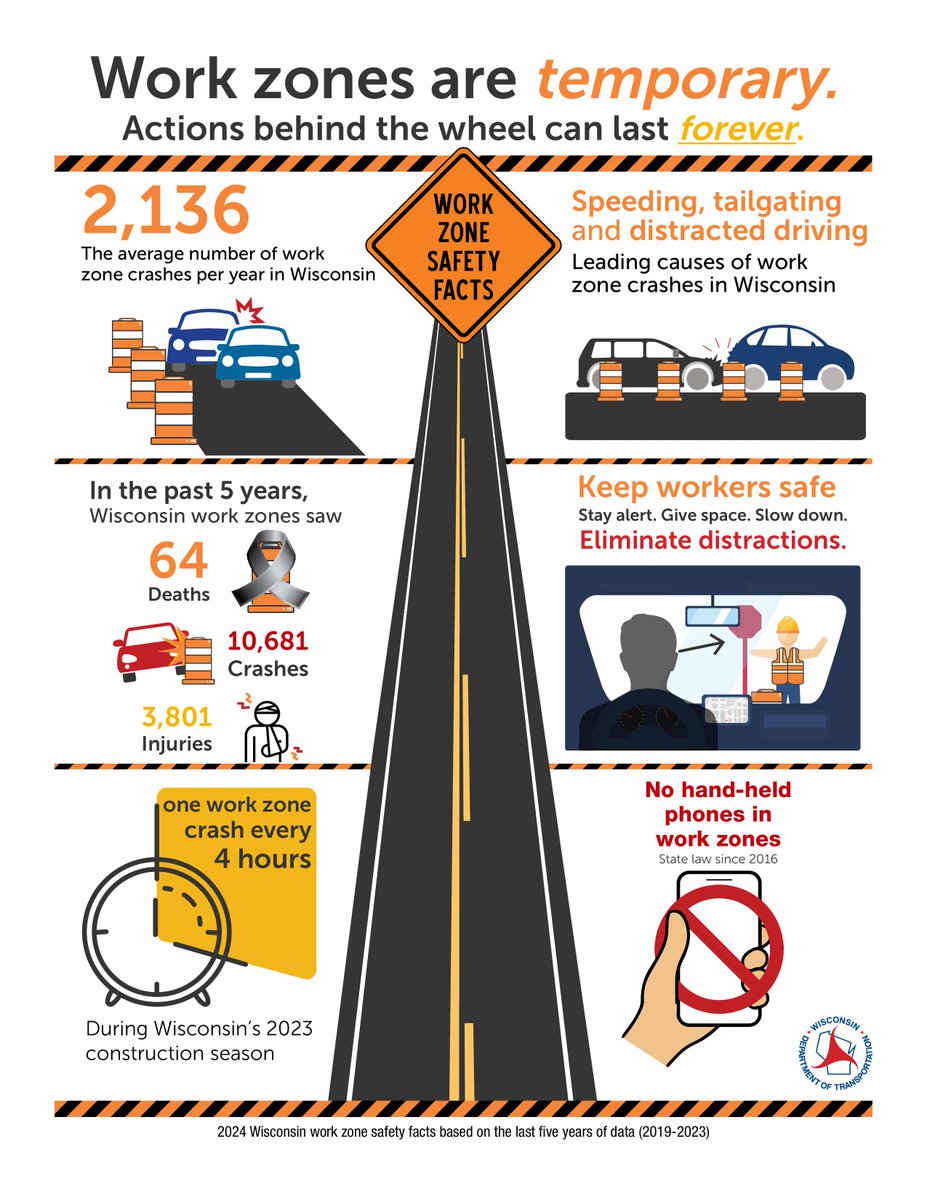
It’s Work Zone Awareness Week! WisDOT is kicking off construction season by participating in this nationwide campaign to make work zones safer. There were 2,100 crashes in Wisconsin work zones last year. Let’s work together for a safe construction season! https://t.co/V2HJLE8RHM
Depending on where the structure is located, seismic forces may need to be calculated and wind forces or in some locations throughout the country it’s pretty determinant that one or the other governs. I.e., high seismic zones, hurricane zones. If both are calc’ed the higher resulting forced govern your lateral design and requirements.
Not a matter of if, but rather when? Seismic design is super interesting and takes some good planning and effort. Retrofits are another very important item for existing structures. Particularly for older structures that may not have been designed for larger forces that we’ve experienced today.
Most of the projects I work on wind governs lateral design (or potential for avalanche impact) so I haven’t had to delve much into seismic design but it definitely something that all structural engineers should be introduced and exposed to. Requirements in design differ quite significantly at times from wind design.
https://t.co/furN3A9Gyj