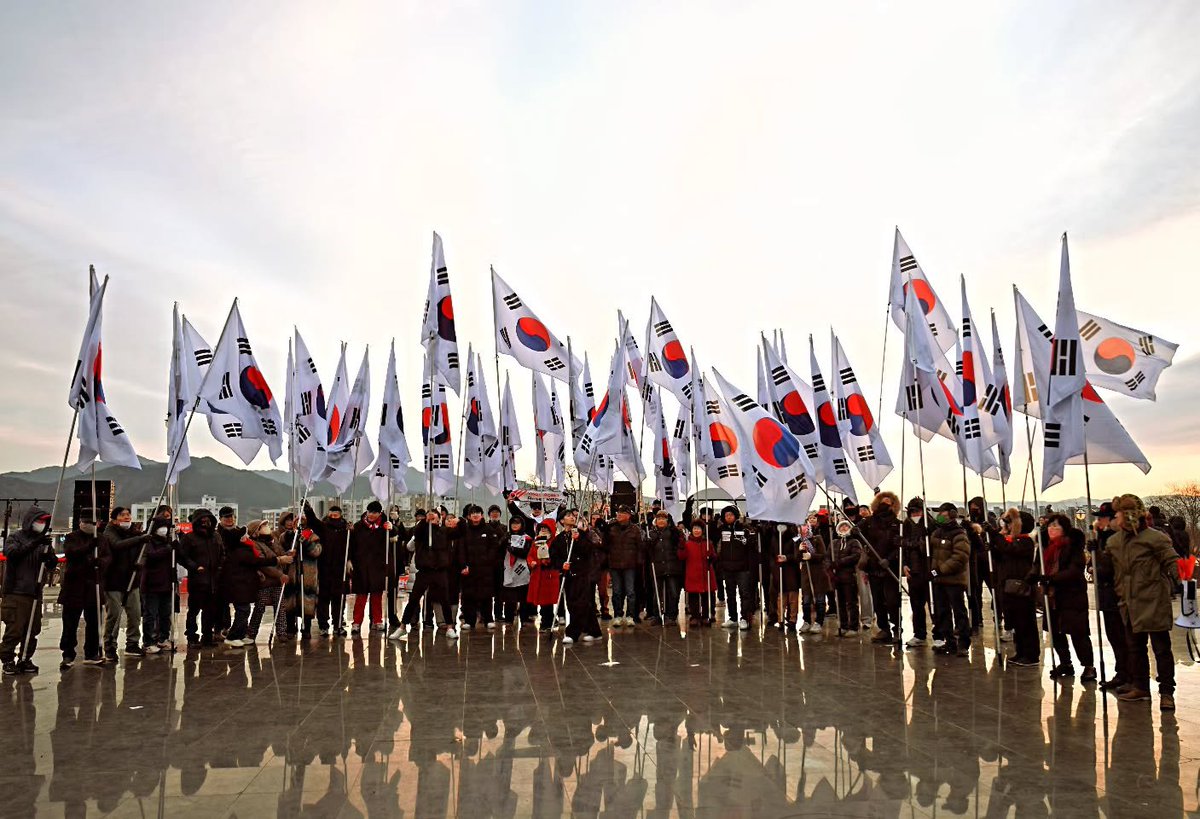
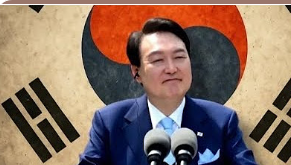
여러분들이 거리에 나와 윤석열 대통령의 무죄를 주장해 주고 계신 덕분에 변호인단들이 언론 인터뷰를 주도할 수 있게 된 것입니다.
여러분이 아니었다면 내란 특검이 인터뷰를 주도했을 것입니다.
언론의 '출처비'가 결정되는 것에 국민 여론은 큰 영향을 줍니다.
모두 힘내주셔서 감사합니다.
감기 조심하십시오.
자유와혁신은 윤석열 대통령의 무죄를 주장합니다.
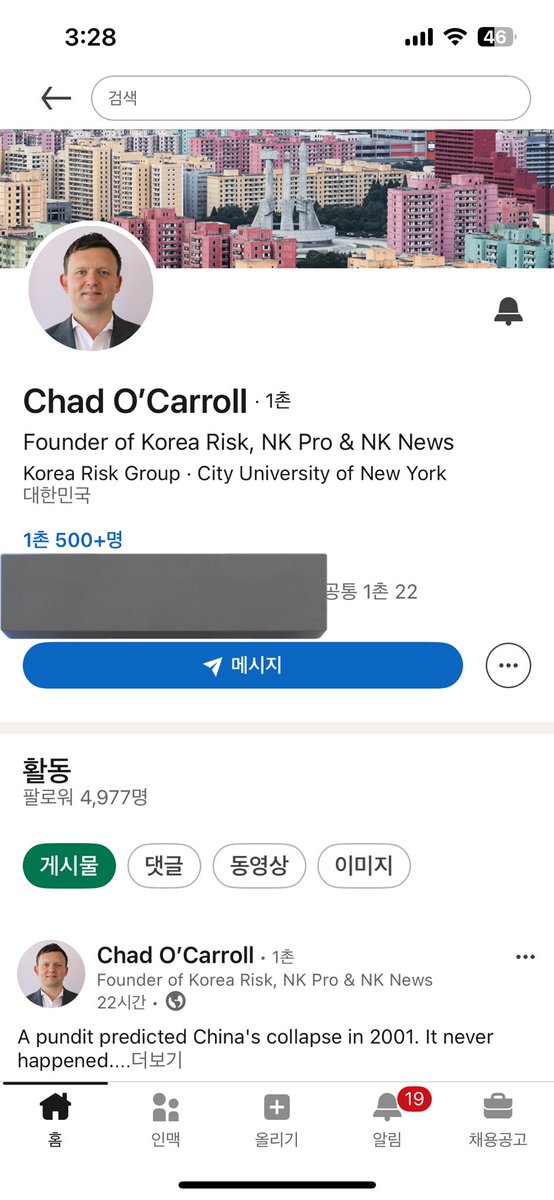
저 기자 그냥 평범한 기자 아님.
영국인이고 Korea Risk Group랑 NK News 설립자야.
얘 초대로 여기저기 세미나 다녔는데 한국내 인맥 장난아니다.
북한 내부 사정에 대해서 한국에서 얘보다 많이 아는 사람 없다. 어케 아냐고? 여기선 말 못함.
근데 나보다 어린놈인데 왜케 늙은 사람처럼 찍혔냐
크리스찬 탄압을 서울에 있는 주미대사관에 알리세요. 미국 국무부가 해마다 여러나라의 인권보거서를 해당 나라마다 만듭니다. 한국에 대한 인권 보거서는 서울 주미대사관에서 작성합니다. 그러니 거기에 자료들을 보네세요.
This religious persecution should be included in the annual Human Rights report by the US State Department.
From a friend in Korea, with more evidence of the Korean government’s anti-American bias:
“I write to you as a concerned observer of recent developments in South Korea’s regulatory and political environment — developments that I believe warrant international attention, especially from U.S. investors and media watchdogs.
A massive data breach at Coupang — a company listed on the U.S. stock market — has triggered an extraordinary response from the South Korean government, raising alarm bells over whether this is about data protection or political and economic restructuring in favor of foreign competitors.
Key Facts
Recent reports indicate roughly 33.7 million Coupang user accounts were compromised, including sensitive personal information such as names, phone numbers, and shipping addresses. The government immediately announced its intention to impose the maximum legal penalty — 3% of annual revenue, which could amount to over KRW 1.3 trillion (≈ USD 1 billion).
Source: https://t.co/MxKp88wE0t
Officials from the privacy commission have publicly declared they intend to apply the highest possible fine under newly revised privacy laws. Furthermore, the Presidential Office has supported calls for punitive damages against the company.
Earlier this year, another major breach at SK Telecom resulted in a fine of KRW 134.7 billion — a fraction of what is proposed for Coupang, despite the scale of the breach being comparable.
A government-run joint task force comprising multiple ministries and law-enforcement agencies has already launched an aggressive, multi-pronged investigation into Coupang’s infrastructure and internal controls.
Why This Should Concern U.S. Stakeholders and International Observers
Coupang is legally registered in the U.S. and traded on the New York Stock Exchange. A draconian and singularly harsh regulatory crackdown against a U.S.-listed company — especially in favor of non-U.S. competitors — may signal regulatory arbitrage or political market reengineering rather than genuine consumer protection.
This case may be the start of a broader pattern:
• Domestic political and economic pressures overriding fairness and due process
• Market reshuffling that disadvantages Korean-origin large companies in favor of foreign or Chinese-linked platforms
• A precedent that undermines both business freedom and judicial independence in South Korea
For U.S. investors and global markets, this creates a dangerous new dynamic:
• Legal and regulatory risk no longer tied only to operating business conditions, but to political winds
• A signal that investing in companies with significant Korean operations may carry unexpected geopolitical exposure
The Importance of International Attention
American media and investor communities must understand:
This is not just a domestic data-breach issue.
It may mark a turning point in how South Korea enforces regulations against large companies — particularly those connected to foreign capital or competing with Chinese e-commerce giants.
Silence from international stakeholders could enable a systemic shift away from rule-based markets toward politically managed business environments.”