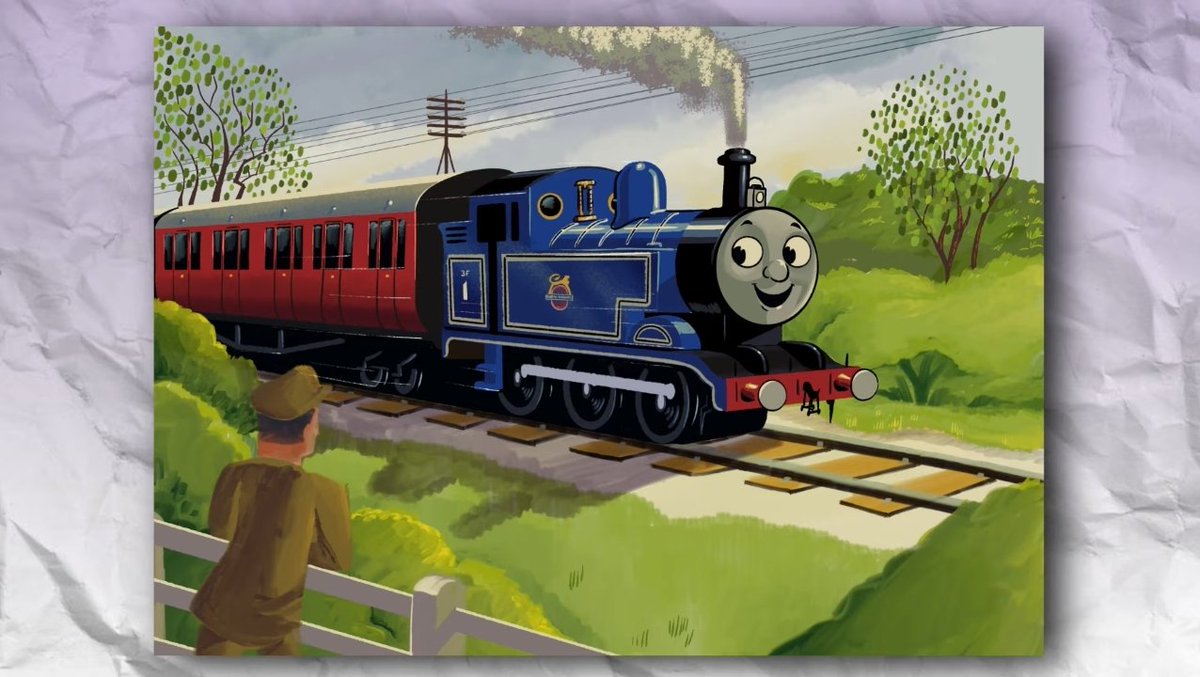
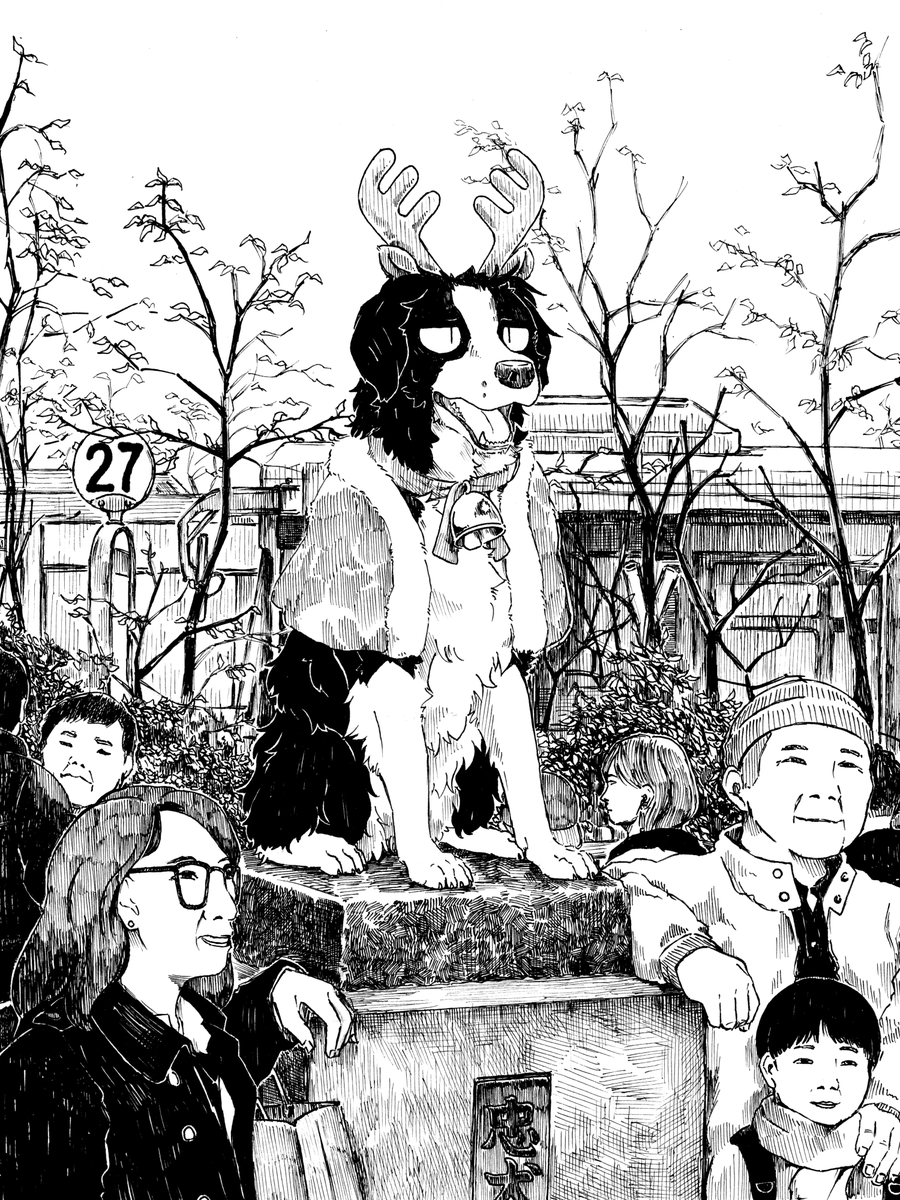
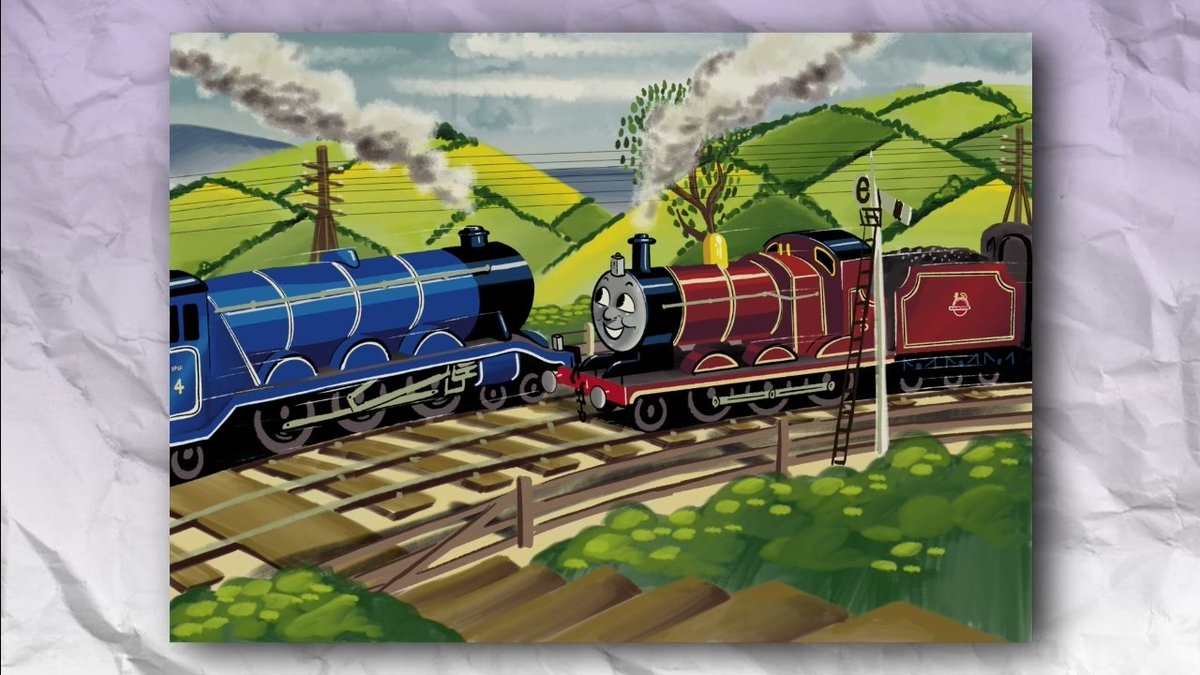
It's a very small example of the alternative, but I've always loved this Edgar Hodges illustration for how clearly and intrinsically you can tell the time period it's meant to represent.
The intensely 70s appearance of the onlookers does so much
@ChristianityOn Fan of your podcast. If you let me on your discord I promise only 5% of my posts will feature railway trivia or rigid airships of the early 20th Century and that less than 2% will feature cartoon animals. Autism is a diagnosis of a neurodevelopmental disability.
I GENUINELY LOVE THESE MAN.
(NWR Engines in BR Liveries is canon in my AU. At first it was just the liveries of what other engines have but now I'm seeing something like this again, I NEED TO DO THIS BRO.)
Day 15: Patriot was, as usual, boasting. "And I told Gordon and Duck that London was Euston, and they both agreed with me!"
The other engines couldn't be bothered to argue with him...
Snow Clearance
In the Eastern Counties Railway (ECR) era before 1862 and the early GER years from 1862 to about the 1880s, most snow clearance was done by hand. Teams of men with shovels cleared blockages, just as they did on other early British railways. Simple wedge or pilot-style ploughs, sometimes called bucker ploughs, became more common in Britain from the mid-19th century after Charles Lowbaert’s 1840 patent for a wedge design. These ploughs were fitted to the front of locomotives or attached to buffer beams to push lighter snow aside. No evidence suggests large, dedicated independent snowploughs were built just for the ECR or GER system. Stratford Works would have managed the fitting and maintenance of any such attachments.
During the later GER era from the late 19th century to 1922, buffer-beam and pilot ploughs continued to be used on steam locomotives for regular winter work. These small, lightweight devices were enough for the occasional East Anglian snowfall but could not handle deep drifts. Independent, self-contained ploughs pushed by locomotives were rare on the GER compared with the NER, which built many wooden and steel-bodied ploughs from the 1880s after harsh winters such as 1886–87 on its Pennine and east-west routes. The GER’s geography did not require such investment. Severe winters still caused problems, and the usual response was to use locomotives with ploughs, extra engines for more power, and many men with shovels.
After the 1923 Grouping, GER territory became part of the LNER Southern Area. By November 1947, the LNER Southern Area Sectional Appendix listed snow ploughs based at Stratford, March, Norwich Thorpe, and Melton Constable, alongside other Southern Area locations such as King’s Cross, Grantham, Lincoln, and Immingham. These ploughs were independent or heavy/medium types that locomotives could push. Small buffer-beam ploughs remained common on locomotives in winter
Under the British Railways Eastern Region from 1948 into the 1990s, allocations continued and became more formal. The 1972 Eastern Region Southern Area Sectional Appendix listed, among others, the Liverpool Street Division with Colchester holding a BR Standard independent plough plus mediums and Stratford, the Norwich Division with Cambridge, Ipswich, and King’s Lynn each having mediums, March having a BR Standard independent plus large, and Norwich having a BR Standard independent plus large.
In the 1960s, BR constructed a fleet of Standard Independent ploughs, coded ZZV/ZZA, utilising redundant frames from withdrawn LNER Group Standard tenders associated with classes such as B1, J39, and V2, designed under Nigel Gresley. These were built at Cowlairs and allocated across the regions, including Eastern examples based at March and Norwich. They were designed to be pushed, often by two locomotives for deep drifts, and remained in service for many years. The fleet also included medium and large departmental ploughs, some built on tender frames and others later used with Class 08 shunters.
From the early 1980s, Beilhack ZZA snowploughs were brought in for medium-duty work. Direct buffer-beam mounting did not work well on some locomotive classes, so the solution was to use old Class 40 and later Class 45 bogies fitted with a German Beilhack blade, ballast, and air brakes. The first six (ADB965576–81) were converted at Stratford in 1984–85 from Class 40 bogies, and four more were converted later, some at Ashford. Several were based in the south-east and Eastern Region, and one became known as the “Stratford Shark.” These ploughs gave drivers better visibility and stayed useful into the Network Rail era. Miniature or mini snowploughs, which are three-piece buffer-beam fittings, became standard on many diesel locomotives for clearing lighter snow and checking routes.
In the Network Rail and modern era from the 1990s to the present, independent snowploughs built on 1960s LNER tender frames, along with later Beilhack units, are still used after being refurbished. Mini snowploughs are also fitted to locomotives for lighter snow. Network Rail uses these ploughs strategically, usually with two locomotives for the larger independent ploughs to provide enough power and reliability.
In East Anglia, these ploughs are only used in rare, severe conditions. One well-known example is the March 2018 “Beast from the East,” when Network Rail ploughs cleared drifts on the Norwich–Lowestoft line, including at Strumpshaw Fen, so Greater Anglia trains could run again after checks on the track, points, and signalling. Deep snow, usually over 30 cm, needs ploughs for safe running, while lighter snow is handled by locomotives with ploughs or by hand.
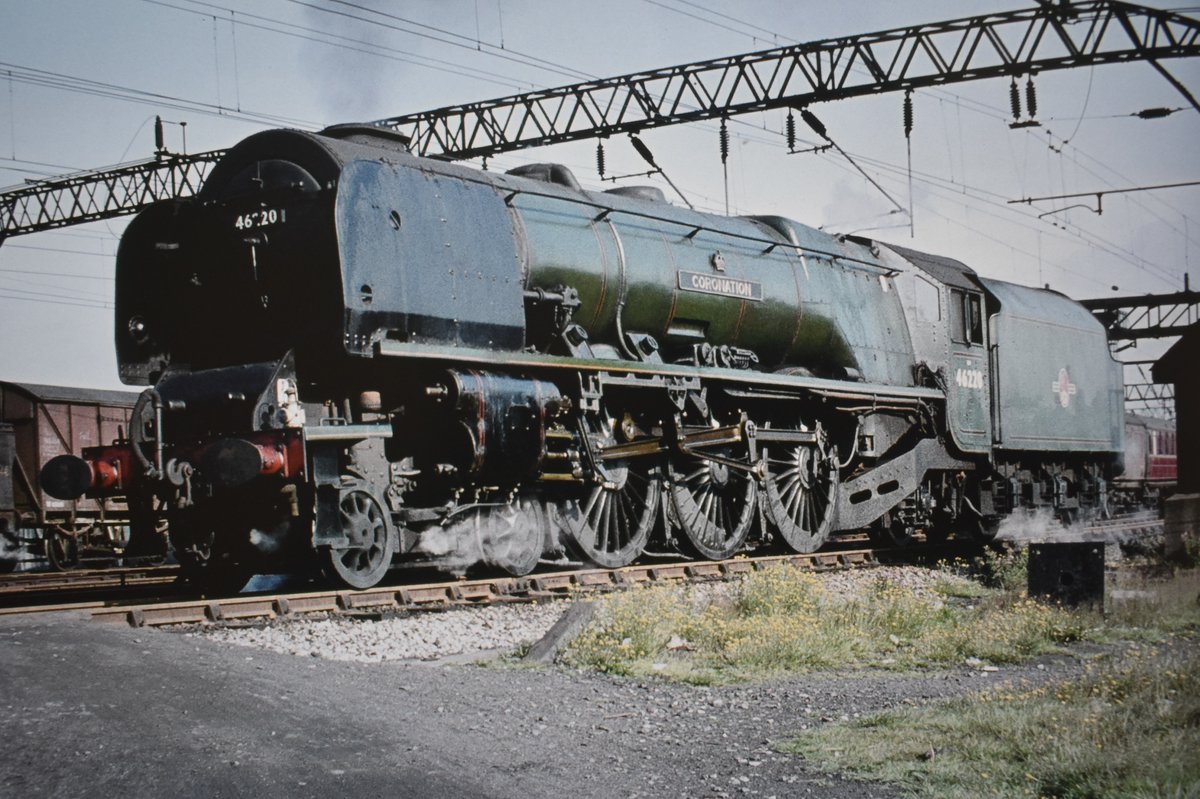
Photos 46455 BR 2MT Swindon built.
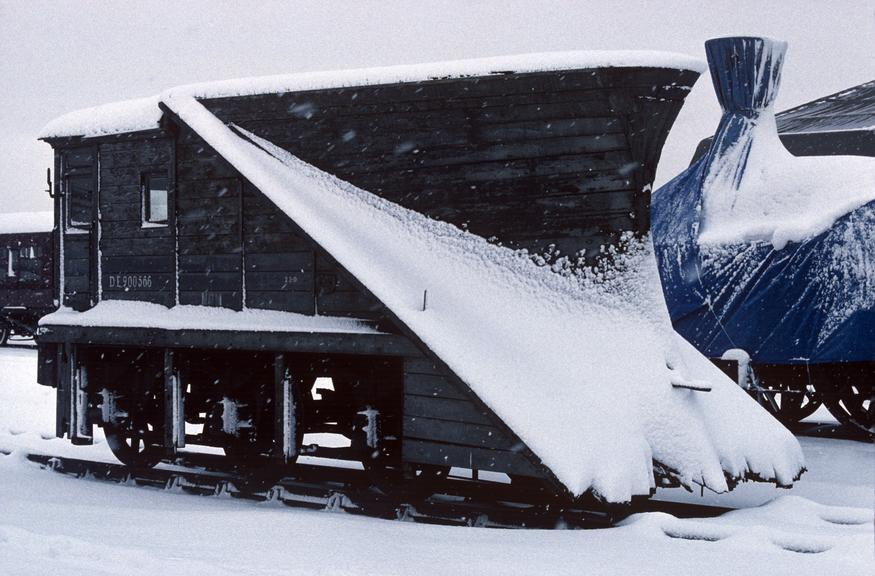
Snowplough, NER, BR dept No DE900566, built 1891.
Colas miniature plough arrangement with a couple of Tractors I/C.
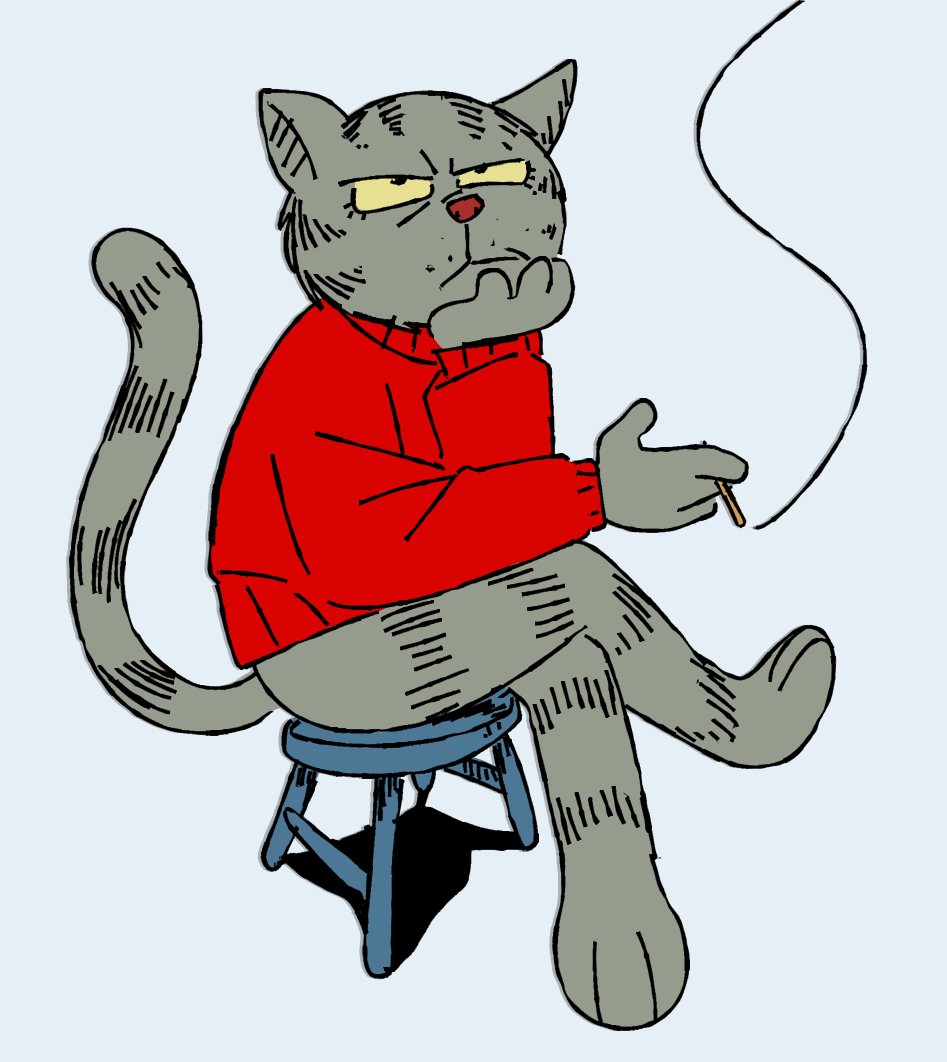
Asma, a character introduced in an episode of Wild Kat, is a hyena wereling and antagonist. She is exceptionally powerful and immune to harm because she can remain in her hyena form for a very long time.