Thank you @TomBrady, 20 years of magic in New England-forever grateful for all the joy you brought to us long suffering fans and the region. GOAT🐐 @Patriots https://t.co/8m3jvSW0Cv
My take on this, is if you want to eat like an Inuit, its probably good to also have the genetic machinery to metabolize the fat in a way where it beneficial to you. This is why we need outcomes studies of keto diet and healthspan and lifespan.
1/4 Thank you @MendelRoth for this scholarly tweetorial. I will provide some translation/interpretation for the lay public:
Bottom line: 70-90% of people living in Arctic populations metabolize fatty acids from diet differently than others.
3/4 Conversely, it suggests that those that were not born with this mutation did not survive childhood to reproduce and pass on the normal gene- "genetic adaptation". We cant infer causality, but it is very curious why its so common
It's hard not to like carbs once you taste them. One of their favorite decadent foods was flour made into doughnuts and fried at high temp in seal oil....likely the worse combo dietarily, particularly with side of oxidized fat- @OxPL_apoB, add salt and is like modern French Fries
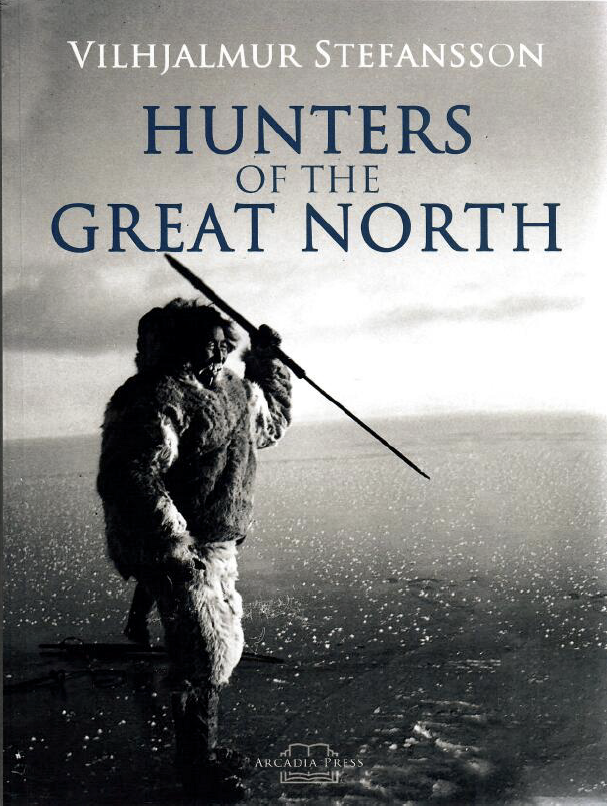
Back to Inuit diet, this excerpt for V Stefansson is very insightful on how the Whalers around Herschel Island in Arctic Sea first introduced "American foods" (carbs) to them, not out of charity. I love the haunting image.
9- The Inuit and the Coppermine Indians, who liver just below the open water, were in general very friendly and saved their lives unselfishly on many occasions.
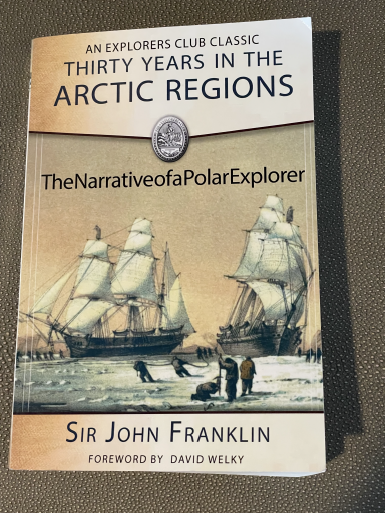
Arctic diet tales: for those that do intermittent/long fasting/ketosis, there are insightful psychological/physical descriptions on effects unintentional ketosis/starvation by John Simpson and his exploration of the Coppermine River in 1819- Nanavut territory @Lpa_Doc
8- One can imagine the wonder the Inuits has when they saw manufactured goods for the first time. Women coveted shiny beads to put on hair/clothes and men anything made of iron for hunting (nothing new...)
The phase 2 data from the @ionispharma olezarsen trial is now out... thank you to all the collaborators and patients for your enthusiasm and contributions. Multiple Ph3 trials are underway. https://t.co/x7YPG01IkM
To close loop on lame n=1 glucose/keto, 5 days p/ back to Med Diet, insulin resistance back to baseline by CGM, gray scale 60-250 mg/dL. No breakfast, boiled salmon lunch, lamb stew w/potato/bread/olive oil dinner, ~125 gm Carbs, + wine. Καλή όρεξη
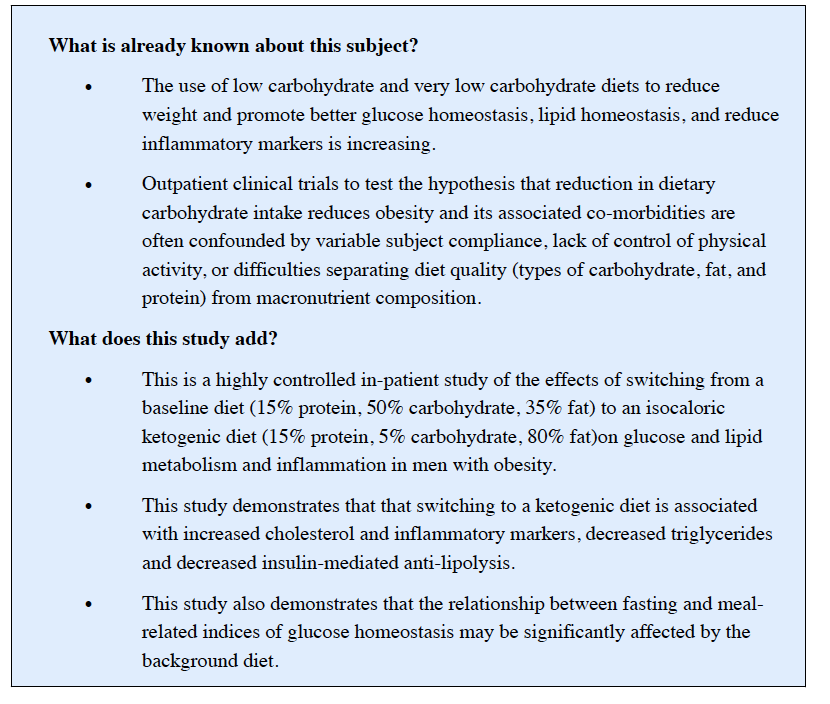
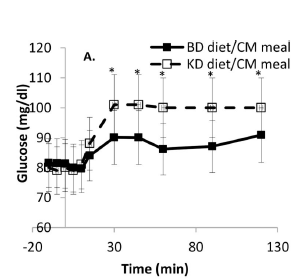
I think one lesson is if one see-saws from keto to carb, it does not appear to be good for short-term glucose control. I don't know how much carb on keto diet affects insulin sensitivity. Could be one of many achilles heels of keto long-term.
Thanks, that is helpful. I dont see the variability like in this graph also. One will only know this with a continuous glucose monitor, like I have on right now.
I think one lesson is if one see-saws from keto to carb, it does not appear to be good for short-term glucose control. I don't know how much carb on keto diet affects insulin sensitivity. Could be one of many achilles heels of keto long-term.
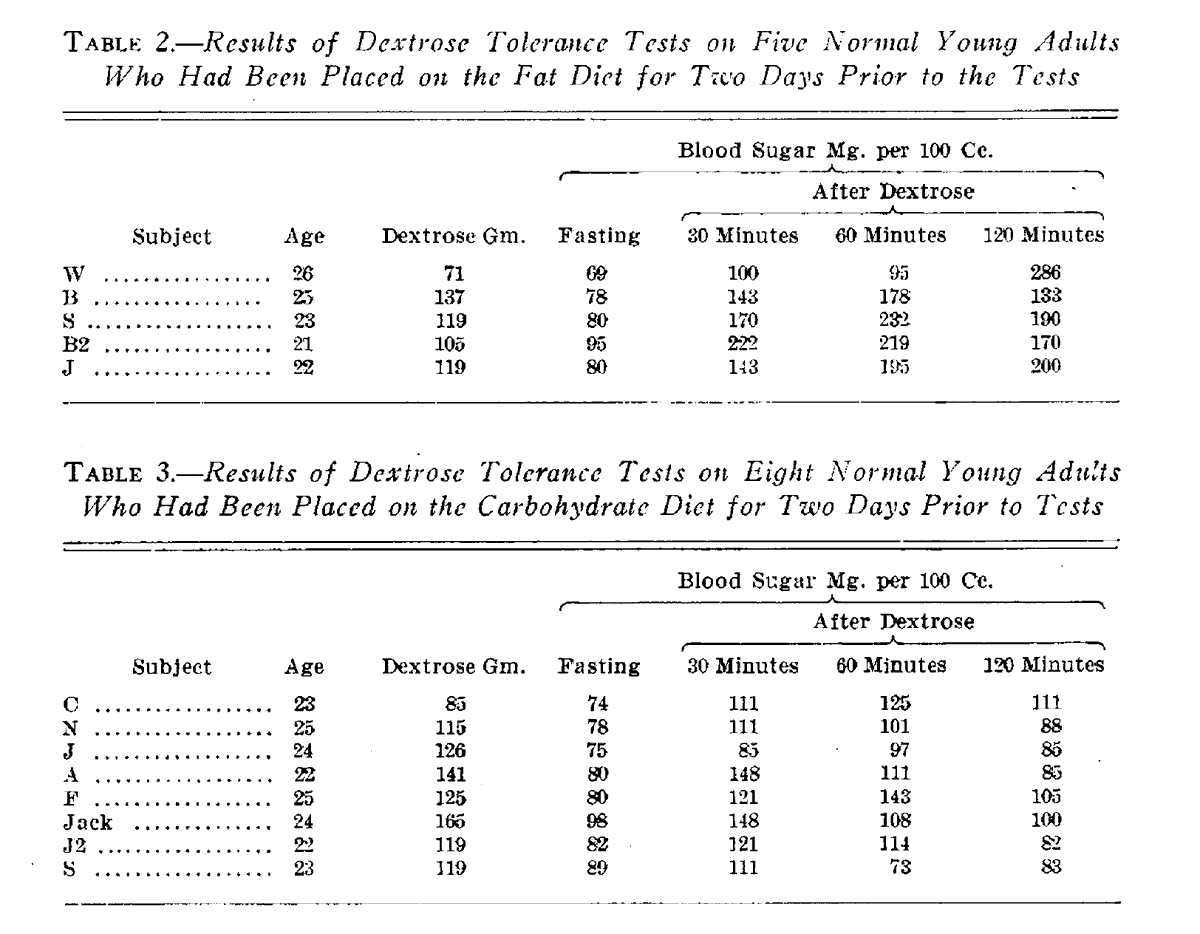
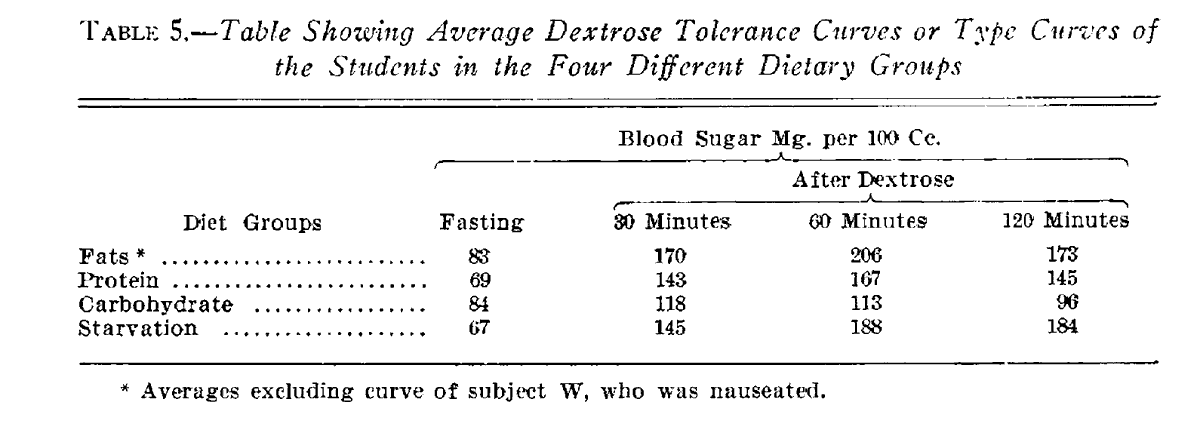
This is from 1927, note glucose effect after 2 days diet of all fat vs all carb diet. The introduction of glucose on a fat diet overwhelms the ability to keep glucose in check, suggesting downregulation of insulin sensitivity
Nothing new under then 🌞
https://t.co/06o71KkeKW
Worse case scenario is you eat lots of saturated fat on keto, then your glucose goes very high when you purposefully or inadevertently take in carbs.
This is why we need randomized trials, biomarkers and anecdotes are not useful for complete picture or safety of these diets.
Post-keto f/u- on my 24hr monitor, adding carbs is a/w with larger ⬆️in glucose than pre, e/w small intake. Supported by literature-Hopefully temporary, but bad for keto carb cheaters
https://t.co/1JTYTBfHCp
Will move this discussion to @stsimikas so this site is only for Lp(a)