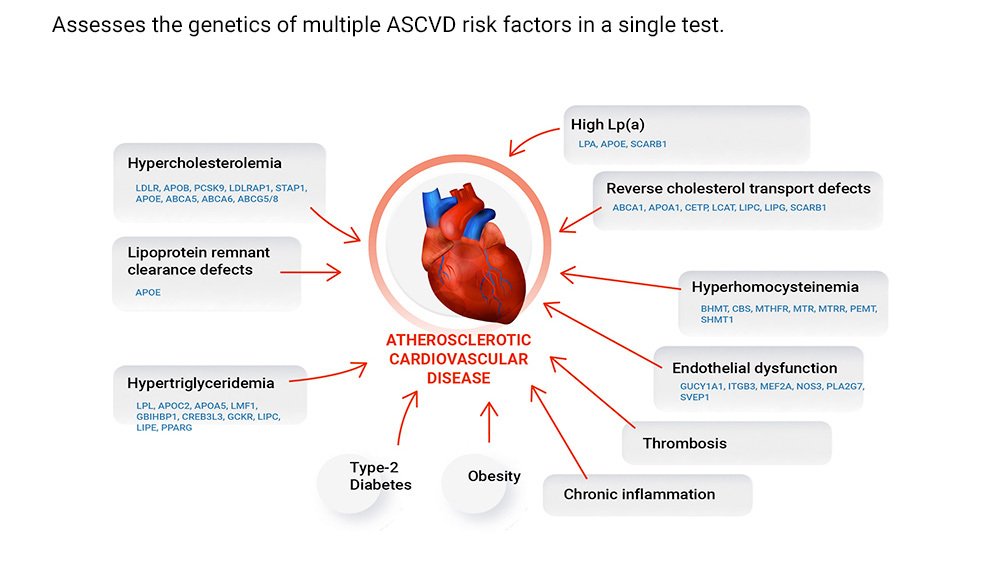
#GBinsight comprehensively analyzes the multitude of pathways contributing to ASCVD in a single assay. Learn more: https://t.co/Jdn2T4EDI9
#genetics and #cardiotwitter
@patrick_j_short check out this publication on AAV-related hepatic toxicity. Its a theme youve covered a good deal in your awesome podcast. New paper identifies some worrying findings. https://t.co/igwChlqicA
@marklewismd I worked in the lab of Howard Reber at UCLA many years ago and i remember being told that he was one of the pioneers of the whipple procedure. Anyways, i come here (follow your musings) for the courage and stay for the humor.
A new review summarizes the genetics, diagnosis, and treatment of long QT syndrome, a major cause of sudden death in young people. Risk stratification and genotype-guided therapy are essential.
Learn more in the Review Article “Long QT Syndrome” by Peter J. Schwartz, MD, and Lia Crotti, MD, PhD, from @TwittAuxologico and @unimib: https://t.co/VHQi0ndTlw
Here the authors reveal precise preventive and therapeutic strategies to ameliorate Insulin Resistance-related cardiometabolic health and longevity https://t.co/Loat1OugnO
@doctorveera Yes. This paper has unexpected findings. Also makes you wonder if GOF variants, which have been described to be associated with reduced BMI will consistently have poorer CVD outcomes. And there is an approved medication that serves as an agonist for this receptor.
I wonder if this study throws a wrench (caveats abound) into @PeterAttiaMD book's thesis that reducing risk of the major cardiometabolic diseases and cancer (AKA The 4 horsemen) will necessarily extend lifespan? https://t.co/PT0rx7lQ0J
@CMichaelGibson Why not go for a full cocktail? Add siRNA against LPA. Is there a technical limitation to adding more siRNA targets into a single cocktail?
Its National Cholesterol Education Month. Raising awareness about hypercholesterolemia- an irrefutable, causal risk factor for ASCVD. We put together a free downloadable resource for clinicians on the genetics of hyperlipidemia. https://t.co/Rhkt8Io1bK
@kaia_mattioli I am just someone who serendipitously came across your tale and just wanted to let you know you are super brave for sharing this and I wish you all the best.
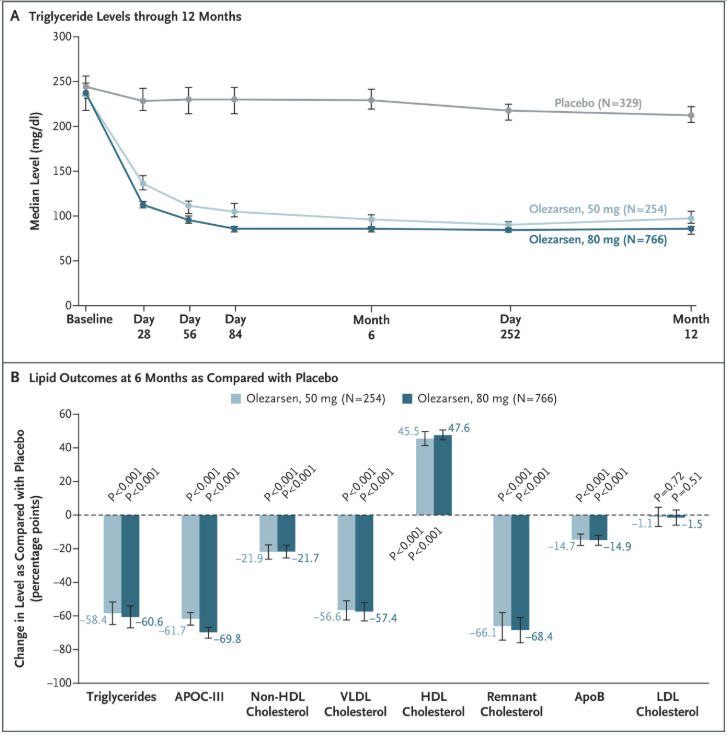
According to the #ESSENCE study, #Olezarsen 📉 TG by −58% (50 mg) and −61% (80 mg), w/ 〰️90% of 👫 reaching <150 mg/dL. Remnant chol, ApoB, and non-HDL-C also dropped, while LDL-C remained unchanged. This therapy could transform the management of ⏫TG and CV risk! #ESCCongress
@SashaGusevPosts The flaw here is that even though its called “gene-gene interaction” the analysis is then variantxvariant interaction. Broaden that out by performing gene burden x gene burden interactions
🧬 Highlighted Case Study — When very-high Lp(a) mimics familial hypercholesterolemia
Read the full report ➜ https://t.co/aT7iFD2LEY
A patient referred for “probable FH” had LDL-C > 190 mg/dL and a coronary-calcium score > 1000, yet GBinsight sequencing showed no pathogenic LDLR/APOB/PCSK9 variants.
Instead, we found homozygous LPA rs10455872, a proxy for an ultra-short KIV-2 apo(a) isoform that drives genetically fixed Lp(a) well into the atherothrombotic range.
Why this genotype changes management
• Phenocopy explained: standard LDL-C includes the cholesterol mass on Lp(a); very-high Lp(a) can therefore masquerade as FH and trigger the wrong treatment ladder.
• Risk is linear: UK Biobank and other cohorts link rs10455872-driven Lp(a) to higher LDL-C and stepwise ASCVD risk; clarifying the cause lets you set the true LDL-C goal and prioritise Lp(a)-targeted therapy as agents emerge.
• Cascade screening made precise: a single GBinsight report identifies relatives at risk for both high Lp(a) and bona-fide FH, informing who needs statins ± PCSK9 and who may benefit from future apo(a) siRNA.
-----
Every month GBinsight shares rigorously referenced, de-identified case overviews like this one to help clinicians translate genomics into cardiovascular practice.
Follow GBinsight for next month’s case and keep your precision-cardiology toolkit one step ahead.
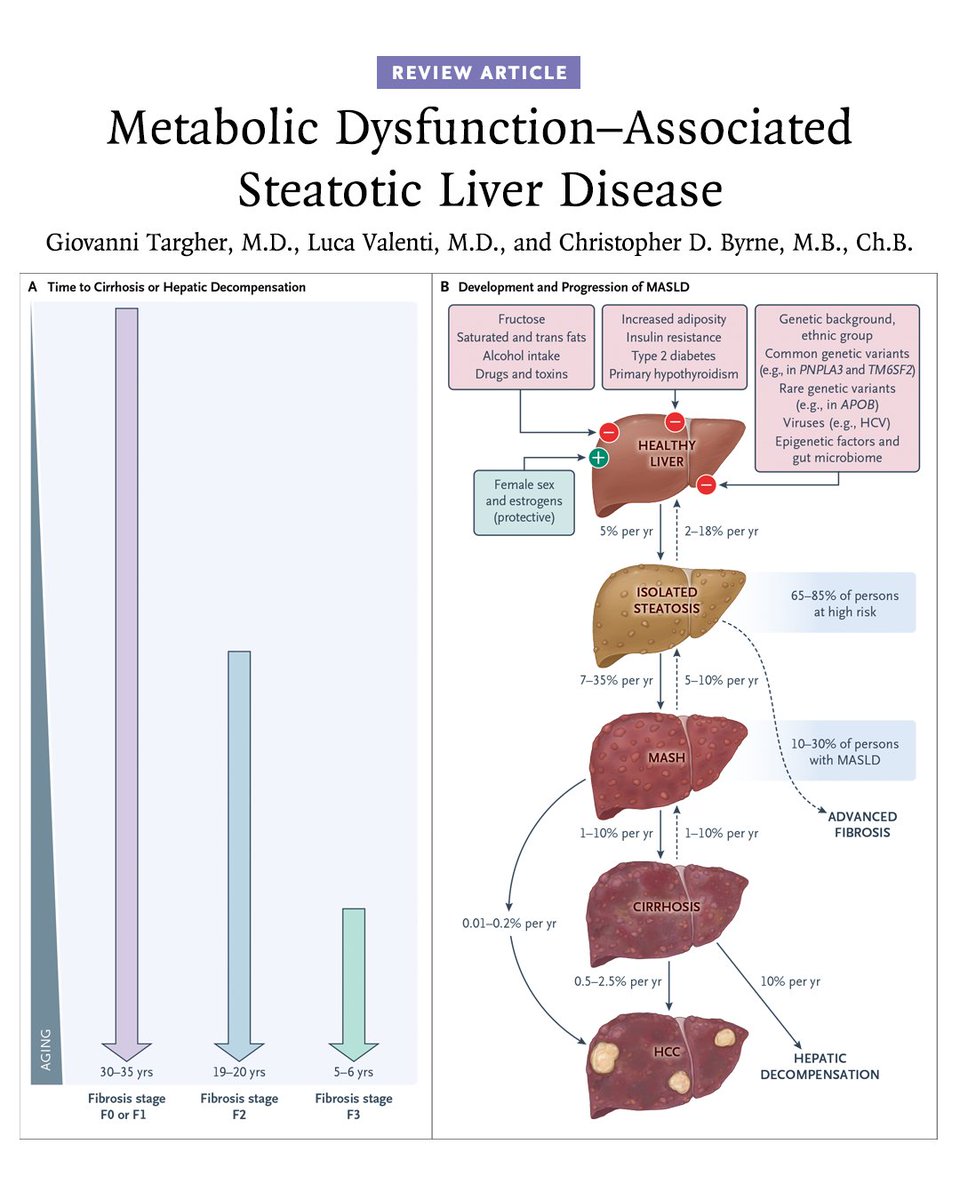
MASLD has become the most common chronic liver disease worldwide. Giovanni Targher, MD, Luca Valenti, MD (@lucavalenti75), and Christopher D. Byrne, MB, ChB, review the features of the disease as well as pharmacotherapies targeting the associated liver and cardiovascular–renal–metabolic issues.
Learn more in the Review Article “Metabolic Dysfunction–Associated Steatotic Liver Disease” from @univerona, IRCCS Sacro Cuore Don Calabria Hospital, and elsewhere: https://t.co/EJhFlIcXOp