New in Ophthalmology: our much-improved glaucoma polygenic risk score, built using data from >6 million people. Those in the top 10% of genetic risk had ~10x the odds of glaucoma compared with everyone else. https://t.co/dxLehmkWEX @QIMRB_Institute
Ten million people have watched an MIT professor accidentally destroy the executive coaching industry.
He filmed the lecture once in January 2018 and died eighteen months later.
Executive coaches charge fifteen thousand dollars a session to teach a third of what he covered in one hour for free.
His name was Patrick Winston. He ran the MIT Artificial Intelligence Laboratory from 1972 to 1997 and wrote the AI textbook every computer science major in the world read for thirty years.
Every January for four decades, he gave a lecture called "How to Speak."
His entire framework fits on a napkin.
Do not read. Be in the image. Keep images simple. Eliminate clutter. Start with an empathetic connection. End with a punch line the audience can repeat over dinner. Never open with a joke. Never end with "thank you."
That last rule alone has probably cost the executive coaching industry a hundred million dollars.
"Your success in life will be determined largely by your ability to speak, your ability to write, and the quality of your ideas. In that order."
That is the actual opening line of the lecture. Winston believed it strongly enough to spend fifty years teaching computer scientists how to talk.
Founders spend $80,000 on an MBA and then hire a communications coach to teach them the same material Winston filmed once for free. Engineers write brilliant code and lose promotions to teammates who watched this lecture on the train.
The lecture is free on MIT OpenCourseWare. The textbook is free on his page.
Winston died in 2019. Almost none of the ten million viewers have actually implemented the four rules on the napkin.
The napkin is free. The willingness to actually use it in your next meeting is the entire edge.
We recently passed 1 million curated SNP-trait associations!
See how the GWAS Diagram has changed with the significant data growth.
Contribute to our growing dataset and the diagram view by submitting your #SumStats and now also your top assoc. https://t.co/1wHeyIeASk
The exponential growth in the discovery of genomic loci associated with human traits and diseases continues.
From 1 association for age-related macular degeneration in 2005 to >1 million by the end of 2025.
Data from the @GWASCatalog.
Nice article in the New York Times (https://t.co/i4KSK7zm2u) on Akbari et al. Nature finding a large number of novel loci under selection in ancient DNA data. Here's what I wrote when asked for comment:
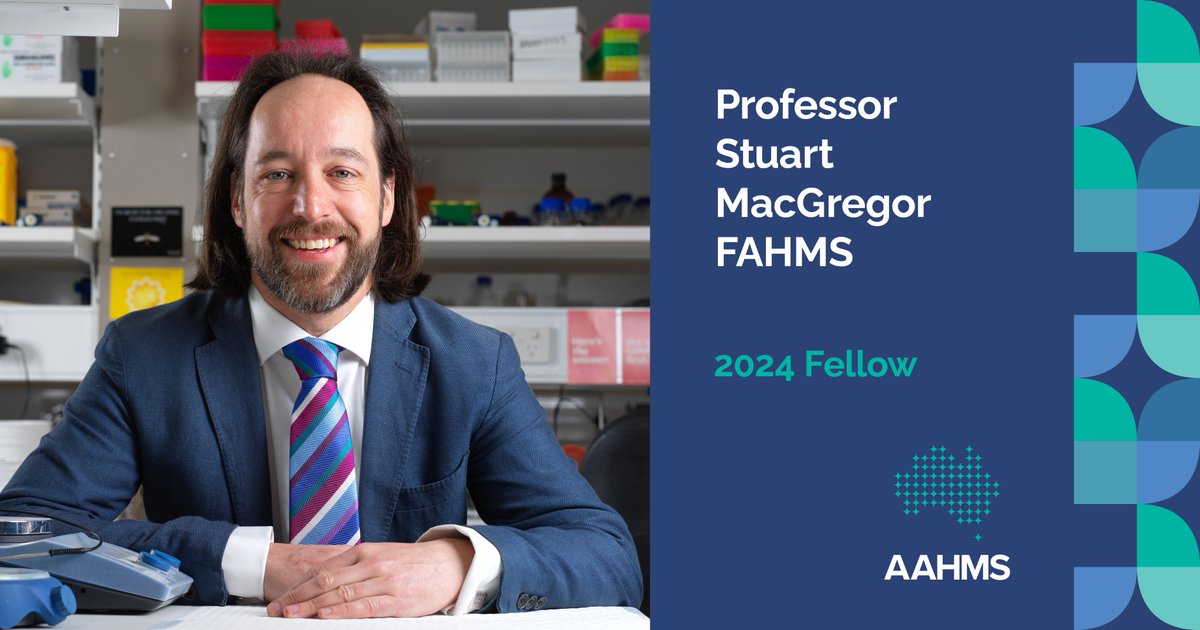
#AAHMSFellow@stuartmacgreg of @QIMRB_Institute is a world authority on the conduct and analysis of genetic association studies. He has led studies which have mapped hundreds of genes for diseases ranging from skin cancer to eye disease.
A 5-year observational study of ~12,000 individuals with obesity taking GLP-1 drugs (without diabetes) with propensity matched controls
A significant reduction of all-cause mortality (HR 0.23, 95% CI 0.15, 0.34)
https://t.co/mbYzzdtOEP
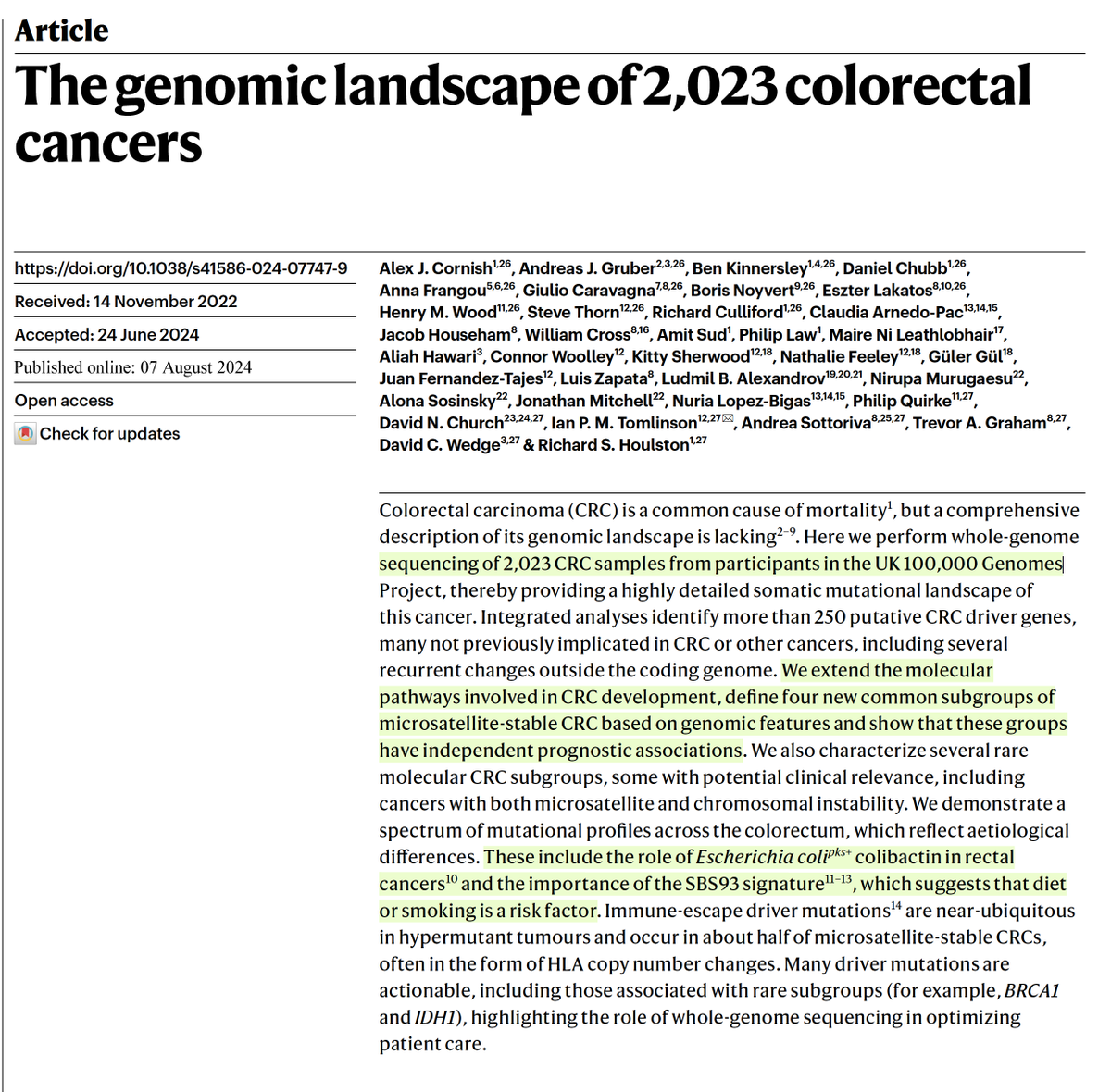
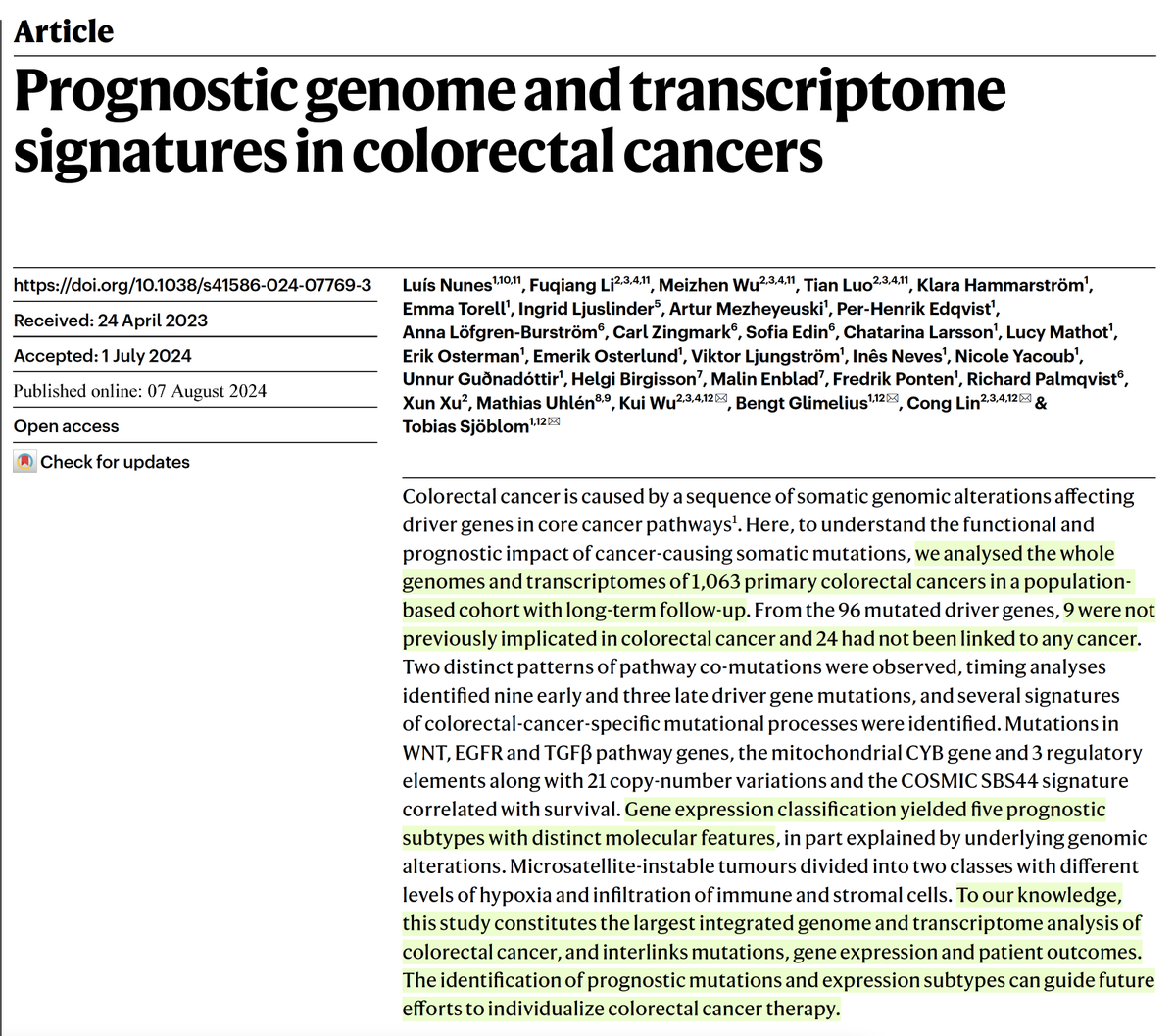
Two impressive @Nature papers on the genomics of colon cancer, linking with outcomes, identify new mutations, likely role of diet and strengthen the case for sequencing to be used in medical practice
https://t.co/zM0VTo9tht
https://t.co/rIJwzc5JWe
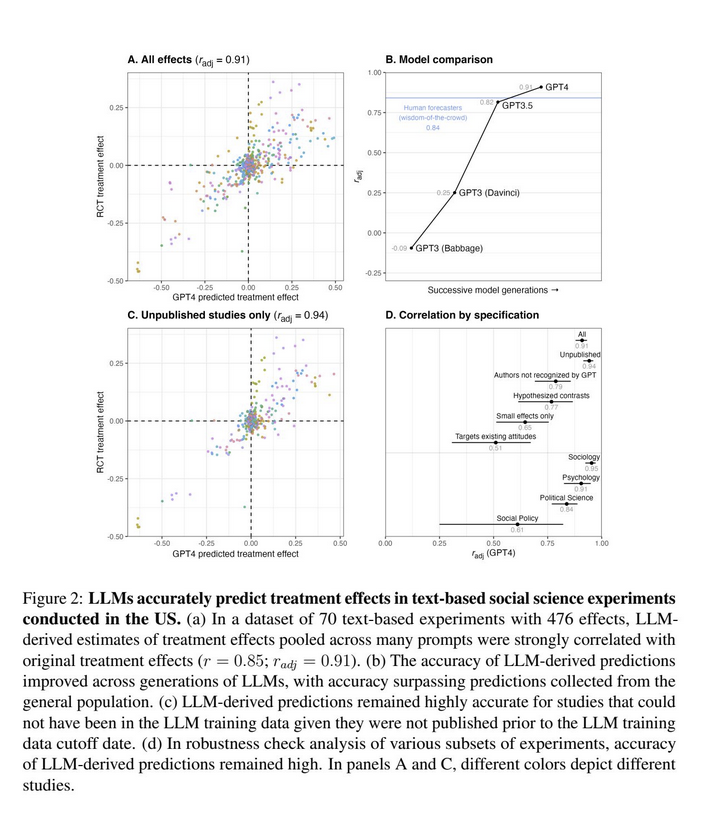
Kind of a big deal: GPT-4 simulates people well enough to replicate social science experiments with high accuracy
Note this is done by having the AI prompted to respond to survey questions as a person given random demographic characteristics & surveying thousands of "AI people"
Today we opened a web portal for our 210,000 biobank participants! We currently return results on:
- Genetic & cumulative risk for cardiovascular disease and type 2 diabetes;
- Pharmacogenetics reports;
- Ancestry information;
- Fun facts, e.g.caffeine metabolism & % Neanderthal.
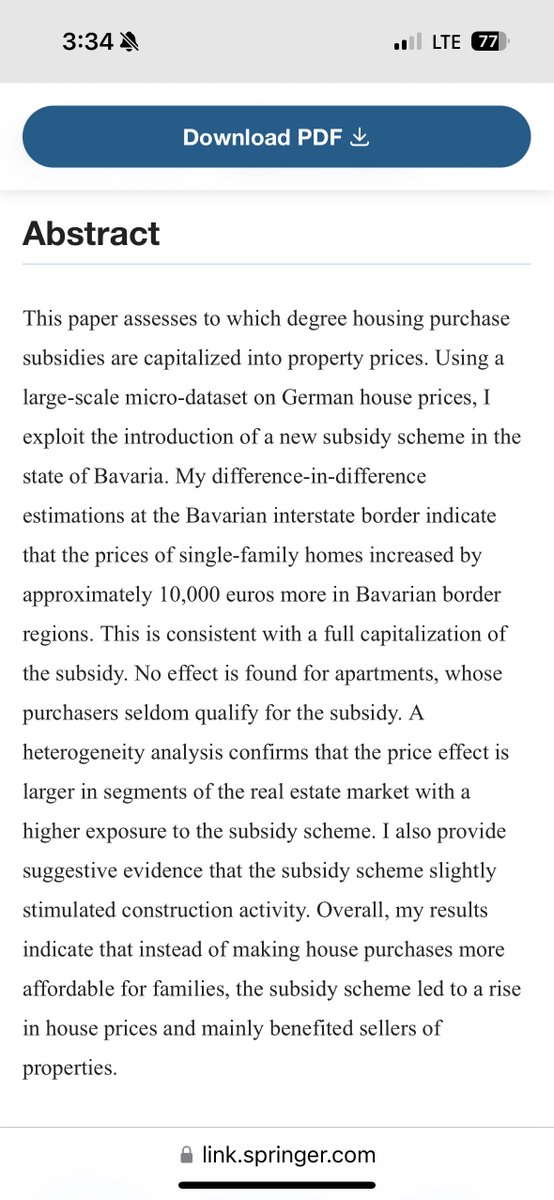
"A random half of panelists were shown a CV and only a one-paragraph summary of the proposed research, while the other half were shown a CV and a full proposal. We find that withholding proposal texts from panelists did not detectibly impact rankings."
https://t.co/IVXjvGqUDI
After 20 years and 42 days, Illumina's patent covering DNA microarray normalization, clustering, and genotyping, together known as Illumina GenCall, filed on March 24th 2004, has expired https://t.co/v4s4Q4u9Pc 1/8
Congratulations to Professor @stuartmacgreg on being awarded a highly competitive national funding grants for crucial research into #glaucoma risk prediction.
The @nhmrc’s Investigator Grants were announced on Thursday...
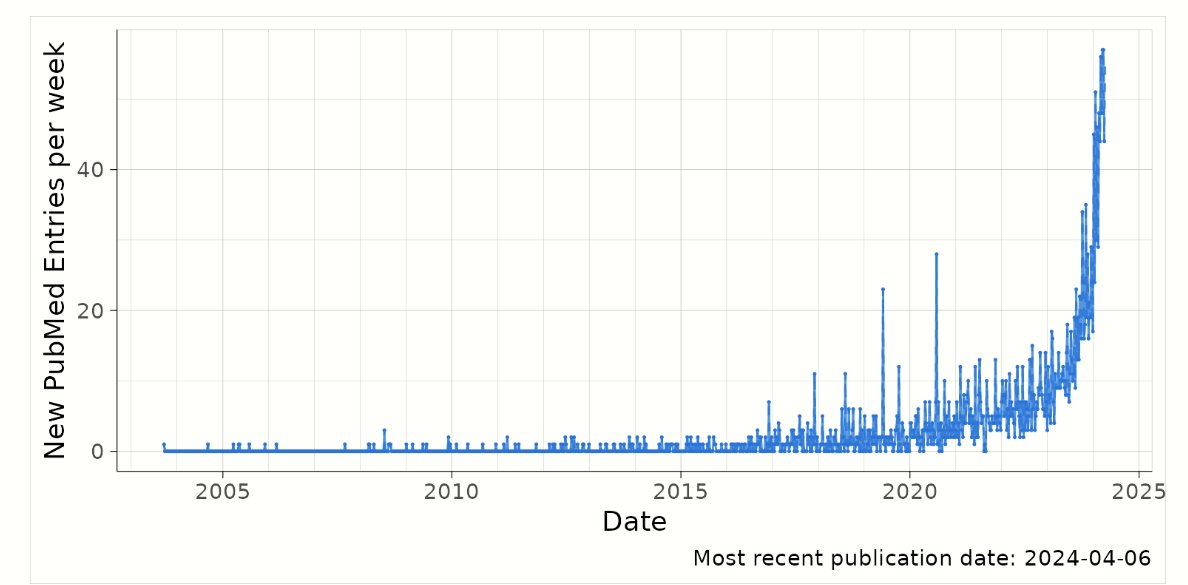
Mendelian Randomisation (MR) is going to hell in a handcart, with an exponential weekly increase of papers with Mendelian Randomisation in the title, most of them nonsense. 25th April 4.30pm online or in person @ucl I'll talk about what should be done https://t.co/r8c16dbCqG
Very sadly, we have learned of the death of Professor Peter Armitage, CBE. Peter, who worked in a forerunner of the Unit 1947-1961, was a pioneer in developing statistical methodology for medical research. Our annual Armitage Lecture began in 2003 to honour this special man.