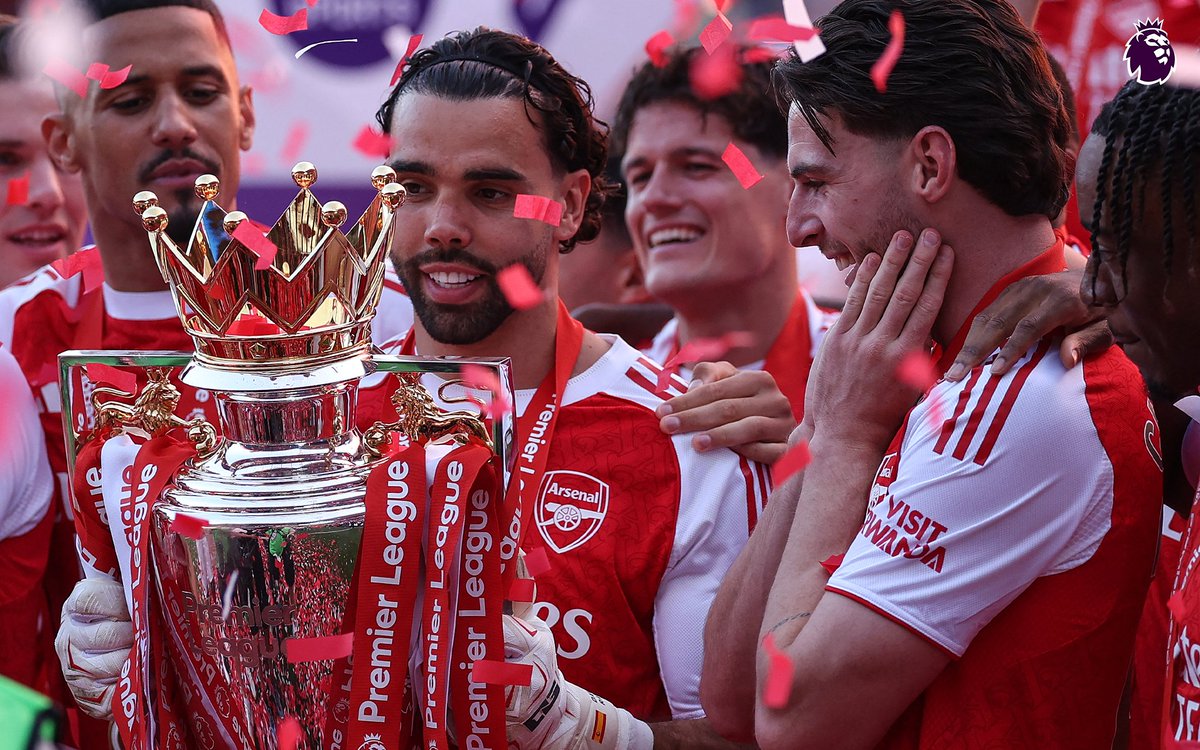
🎙️❤️ Roy Keane on the global celebrations after Arsenal F.C. won the Premier League:
🗣️ “I saw how Arsenal fans celebrated and thought… what have other teams been doing when they win the league?” 😳🏆
Keane admitted Arsenal’s celebrations felt completely different from anything he had seen before 🌍🔴⚪️
🗣️ “This felt special. Everyone around the world knew Arsenal had won the title — even people who don’t watch football.”
🗣️ “The celebrations worldwide were mental.” 🔥
He even joked that if trophy celebrations always looked like this, he would rather see Arsenal keep winning trophies than anyone else 😂👏
🗣️ “Because they give the true meaning of celebrations.
🚨URA SETS JULY 1st, 2026 DEADLINE FOR TIN LINKING, UPDATE NOW OR LOSE ACCESS.
The Uganda Revenue Authority has given all taxpayers until July 1st, 2026 to update their records. You must link your TIN to your National ID (NIN) if you're an individual, or your Business Registration Number (BRN) if you're a company. You also need to update your phone number, physical address, and nature of business.
Miss the deadline and you won't be able to carry out any transactions on the URA online portal until you update. Log into your TIN account on the URA portal or visit a URA office to sort it early and avoid last-minute stress.
Question is will most Ugandans actually meet this July 1st TIN deadline, or are we headed for chaos???
My man said something to me that really stuck.
He told me, “I’m not here to control you. I’m not your dad, I’m your partner. You’re free to make your own choices. Just understand that every choice has consequences. If you choose something that damages what we’ve built, that’s on you.”
He said, “I’ll always tell you when something hurts me or crosses a boundary, because that’s what healthy communication looks like. But if you keep stepping over the line after I’ve shown you where it is, then you were never really protecting us to begin with.”
And honestly, that’s what accountability in a relationship sounds like.
This is where the Command Line comes with a clutch
Yes, you don't need a browser to download a browser. Your OS has built in tools that can do it for you. Here's how 👇
WINDOWS
Windows has a built-in package manager called winget. Open Command Prompt or PowerShell and type:
• Chrome: winget install https://t.co/n1z5J3qi6Q
• Firefox: winget install Mozilla.Firefox
• Edge: winget install Microsoft.Edge
No browser needed. winget handles the download and install automatically!
MAC
Mac doesn't come with a package manager by default, but you can use curl to download directly:
Step 1 — Download the installer:
curl -O https://t.co/UQBzEvxxNG
Step 2 — Mount it:
hdiutil attach googlechrome.dmg
Step 3 — Copy to Applications:
cp -R /Volumes/Google\ Chrome/Google\ https://t.co/t76fgzptfE /Applications/
Alternatively, if you have Homebrew installed:
brew install --cask google-chrome
🐧 LINUX (the best OS in the world)
Linux makes this the easiest of all package managers are a core part of the OS!
Ubuntu/Debian:
sudo apt install firefox
Fedora/RHEL:
sudo dnf install firefox
Arch Linux:
sudo pacman -S firefox
For Chrome specifically on Ubuntu:
wget https://t.co/L3QlC2zriB
sudo dpkg -i google-chrome-stable_current_amd64.deb
The command line is more powerful than most people think. It doesn't need a GUI to connect to the internet — it IS the internet at its most raw form.
Save this for when you (or someone you know) inevitably needs it! 🙌
When you press Windows + K, you are using a built-in Windows feature called Cast (or Connect in older versions) that uses Miracast technology
This essentially acts like an "HDMI cable over Wi-Fi," allowing you to mirror or extend your laptop screen to a TV without any physical wires
It opens the Cast or Connectmenu in Windows 10 and 11 to find nearby wireless displays.
How to Use this technique:
1. Turn on your TV and ensure it is on the same Wi-Fi network as your laptop.
2. Press Windows + K and select your TV from the list.
3. Accept any connection prompts on your TV screen.
This method transmits both video and audio without needing physical cables or extra software.
8 certifications you can finish in under 3 months that employers actually recognise:
1. Google Data Analytics - free, 3 months
2. Google Digital Marketing - free, 3 months
3. AWS Cloud Practitioner - $300, 6 weeks
4. Meta Social Media - free, 2 months
5. CompTIA IT Fundamentals - $130, 4 weeks
6. HubSpot Content Marketing - free, 2 weeks
7. Microsoft Power BI - free, 6 weeks
8. Coursera Project Management - free, 2 months
All available online.
When you hit the power button, the computer doesn’t actually know how to use its own parts yet, it doesn't even know it has a hard drive or an operating system like Windows.
The BIOS is a tiny piece of software stored on a chip on the motherboard that acts as the first responder.
It runs a quick test to make sure your hardware, like your RAM, keyboard, and processor, is actually working.
It tells the hardware how to talk to each other.
Once everything looks good, it finds your operating system (Windows, macOS, etc.) and hands over the keys so the computer can finish booting up.
Without it, your computer would just sit there with the fans spinning, not knowing how to be a computer.
Before your operating system loads. Before Windows or macOS gets involved. Before any app, any driver, any software you’ve ever installed gets a single moment of attention, something else wakes up first.
Most people have never seen it. Almost nobody thinks about it. But without it, your computer is just an expensive paperweight.
It’s called the BIOS. Basic Input Output System. And it is the oldest piece of software still running on modern computers.
The moment you press the power button, the CPU has no idea what to do. It has no operating system to consult, no memory loaded, no instructions in front of it. So it does the one thing it’s hardwired to do; it looks at a specific memory address on a chip on your motherboard. That chip holds the BIOS. And the BIOS immediately takes charge.
The first thing it runs is called “POST” Power On Self Test. It checks whether the CPU is functioning, whether RAM is present and readable, whether storage devices are connected, whether the keyboard and display are responding. It’s a checklist your computer runs on itself every single time it powers on, in the fraction of a second before anything appears on your screen. If something fails, the BIOS doesn’t guess rather it halts and throws an error, sometimes a beep code, before the operating system ever gets involved.
Once POST passes, the BIOS hands off control. It looks for a bootable device ; your SSD, your hard drive, a USB stick reads the first sector of that device, finds the bootloader, and passes execution to it. From that moment, the operating system takes over and the BIOS steps back.
For decades, BIOS was the standard. Then in 2010, it started being replaced by something called “UEFI” Unified Extensible Firmware Interface. Same job, dramatically more capable. UEFI supports larger drives, boots significantly faster, has a graphical interface you can navigate with a mouse, and includes Secure Boot; a feature that checks whether the bootloader has been tampered with before allowing it to run, blocking certain classes of malware that try to hide below the operating system level.
Most modern computers run UEFI. But the name BIOS stuck. People still call it the BIOS, still press Delete or F2 to open it, still use it to change boot order, check temperatures, enable virtualization, and configure hardware even if what they’re actually looking at is a UEFI interface dressed in familiar clothing.
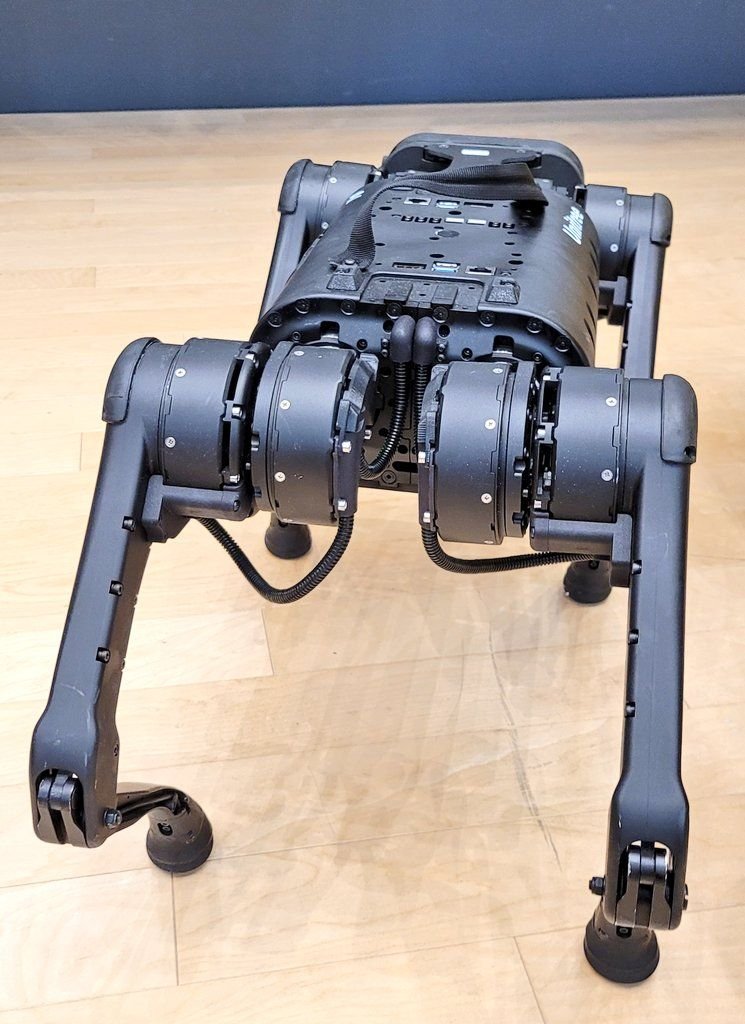
funding a robotics/hardware project is a different beast. you need cash and patience.
ways to make it real:
freelance software/ai work → fast cash, fund your hardware burn
small product sales → 3d printed parts, custom boards, tools for other builders
grants & competitions → gov, unis, hackathons throw money at prototypes
angel/investor money → risky, but if you’ve got a big vision + demo, someone bets
partnerships → build modules/tools for labs or factories already spending
content → document the grind, attract attention, attention pulls capital
most people think they need millions. you don’t. you need just enough to build v1 → show it works → leverage that into the next round.
the game is: build, show, fund, repeat.
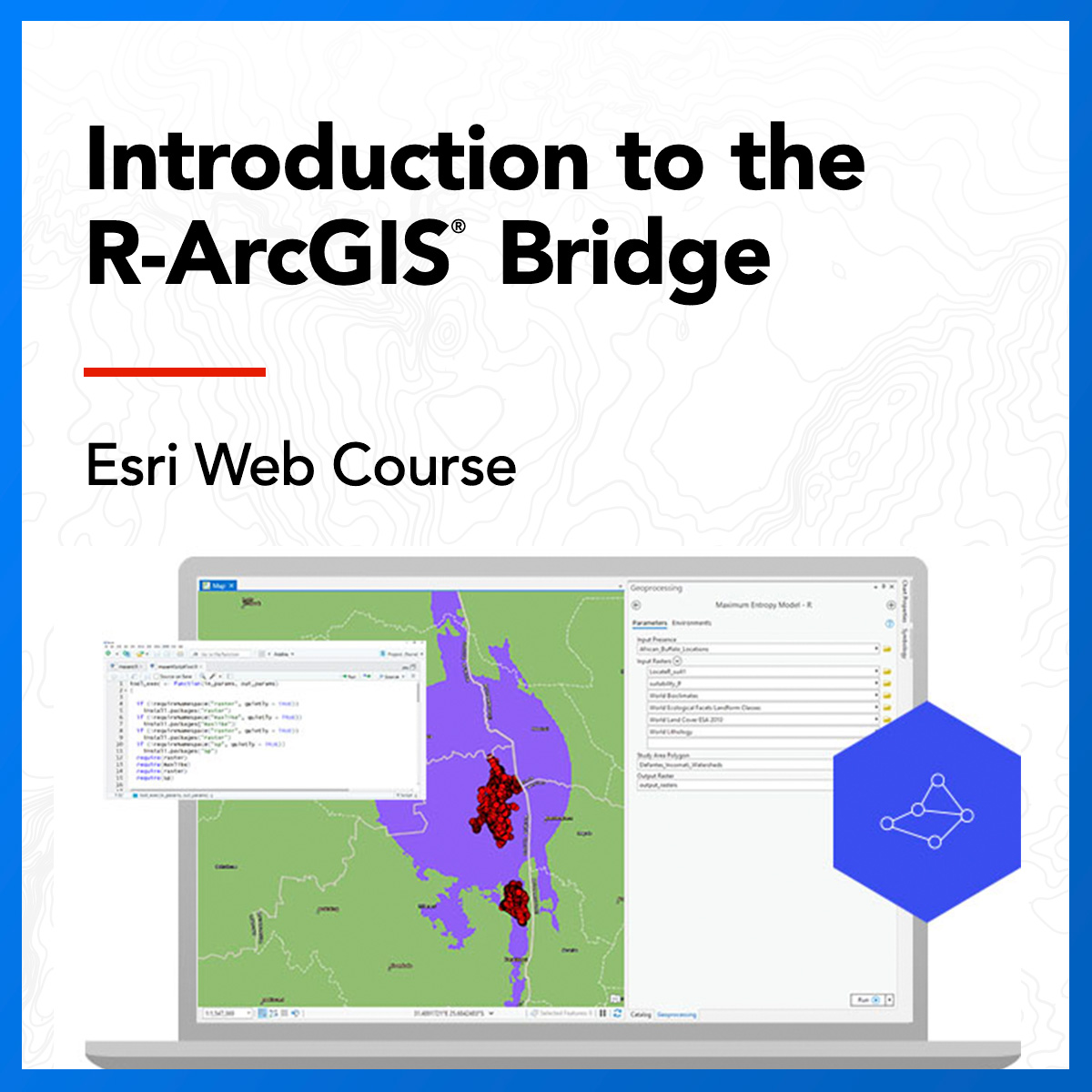
Use R within ArcGIS to enhance analysis and visualization! 🌐🤩 This web course will cover the two R packages that form the bridge.
Get started: https://t.co/uyENdqntfv