The WTOS Society explores non-military history & the material culture of conflict. Team: @laurasharrison @luciewhitmore @hannamsmyth @MarkB7612 @matilda_greig
A research project has kicked off by @IWMDuxford about the work of American Red Cross servicewomen in Britain during WW2, & the impact they had on morale of the troops as well as the local community.
The project began in Jan with the names of 100 women & now has more than 400...
A new #AndersonvilleIrish StoryMap. A tour of Gettysburg monuments linked with Irish Americans captured on the battlefield who later perished in the notorious prison camp. These men were among the longest held of all Union prisoners in the Civil War: https://t.co/qGwt6ZyHro
Very interesting article on UXO in Germany today - around 2,000 tons of unexploded ordnance is found, and detonated, annually in Germany. #IronHarvest#WW2@stuffofwar@dovo_sedee
https://t.co/ddQYydijCl
Here's a thread of Christmas menus from WW2 airfields.
Here's RAF Warmwell, Dorset, 1942. Main course not too bad. A solid start with sprouts. Cigarettes and minerals for afters.
They will get worse 🎅
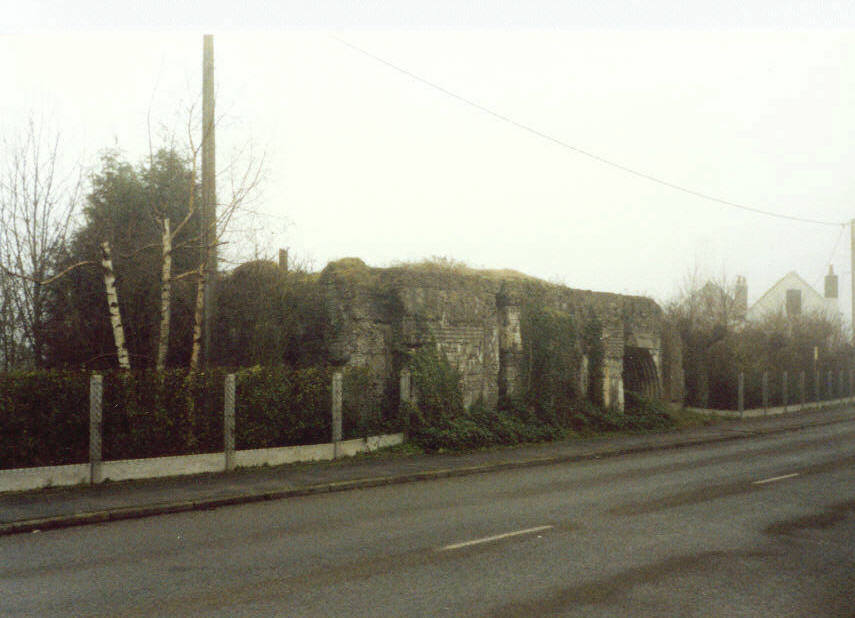
Changing Battlefields - a British bunker in Festubert, photographed by me in the late 1980s. A French woman lived in the bunker from 1919 until her death in the 60s/70s. Today it is totally covered in ivy and most people just pass it by.
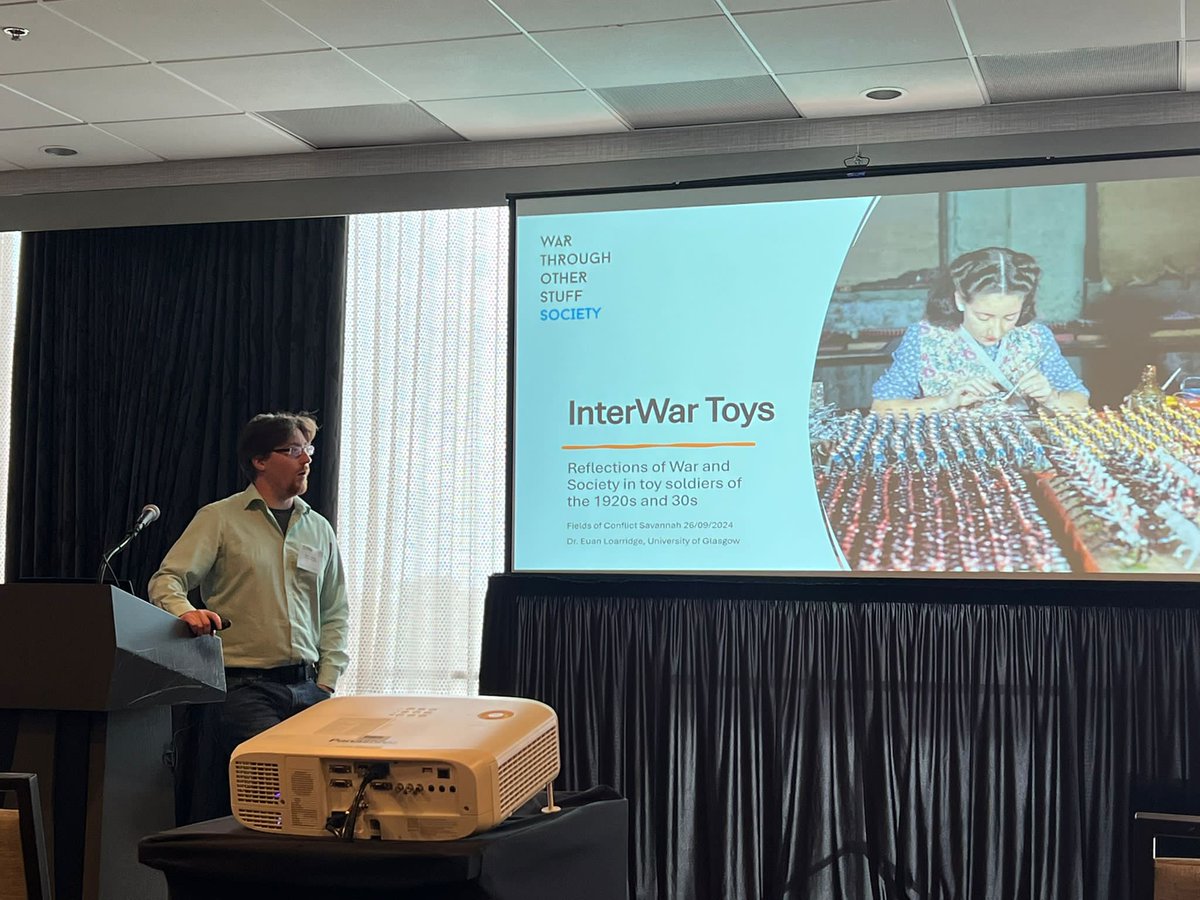
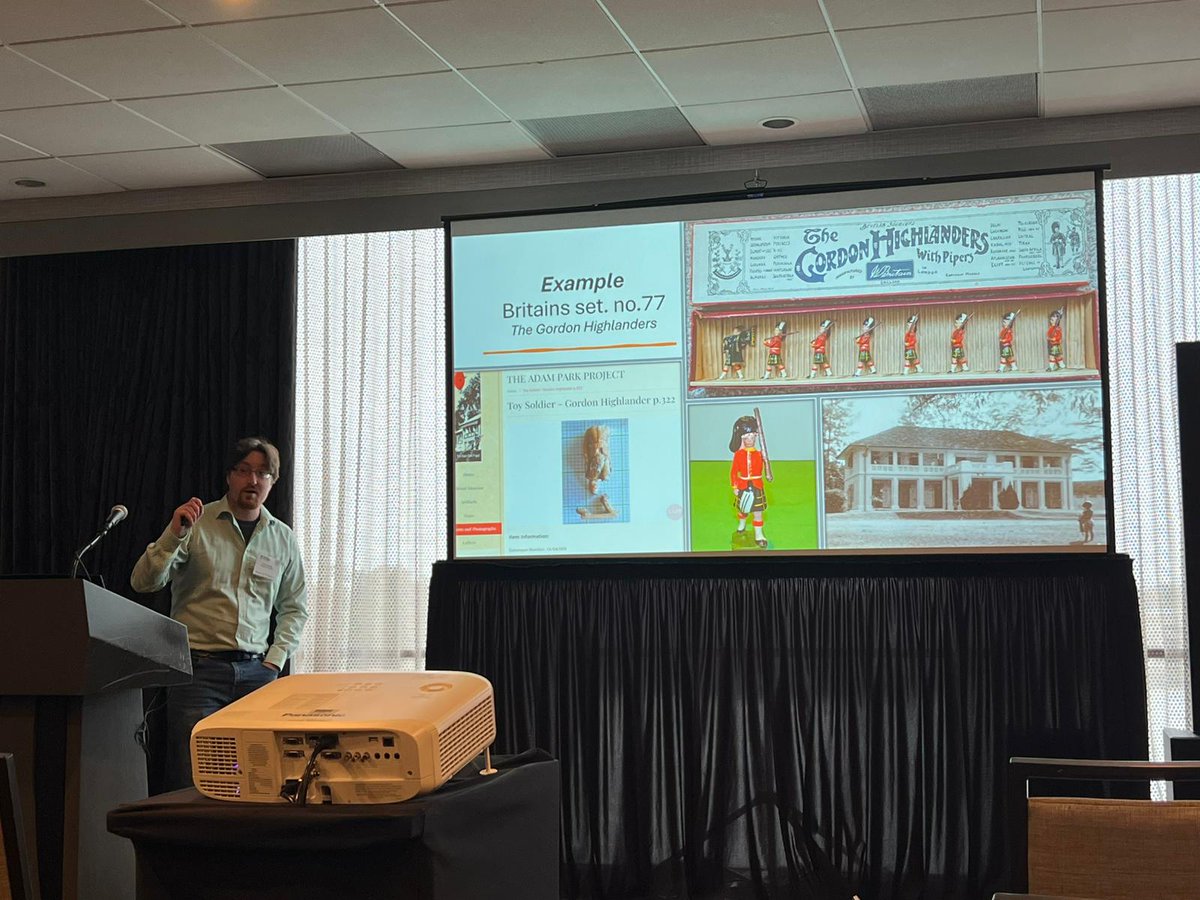
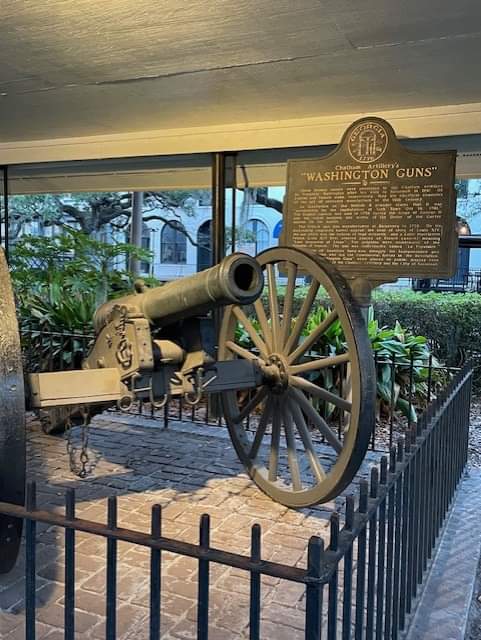
Back from presenting on @stuffofwar topic: Toy Soldiers at @FoC2024 in Savannah Georgia last week. Great time meeting old friends, engaging with new research and exploring old Savannah.
On Halloween, I frequently reflect on the proliferation of ghost stories, myth, folklore, and spiritualism during the First World War.
For many reasons - cultural trends, responses to trauma, or coping with crisis - individuals fell back on the spiritual and supernatural world.
@RachelBCaines@teachlearnwar@ChrisKempshall @FTIlustrator Another article has now been published. '“Wartime” Ephemera from the Family Home in German and Austrian History Museums: A Counterexample to the British Case' by Chloe Paver 'considers how notions of “family” are constructed in museum discourse'.
https://t.co/WTaW41IzZ0
@RachelBCaines@teachlearnwar@ChrisKempshall @FTIlustrator Our latest article 'Making the Memory Book: War-Time Loss and Memorialization through Ephemera' by Bruce Scates explores the way a family fashioned a memorial to a son ‘taken by the war’.
https://t.co/9iZwvlAIRX
@RachelBCaines Our next article by @teachlearnwar , @ChrisKempshall, & @FTIlustrator explores what happens when research activities to platform histories and experiences from communities outside of the commemorative mainstream do not work out as intended.
https://t.co/iqJgEVxfZG
Our latest article has been published! 'Working Backwards, Moving Forwards: Ephemera and Diversity in Australian Stories of Indigenous Second World War Service' by @RachelBCaines explores the narrative(s) of Indigenous service in the Second World War.
https://t.co/w6C45Y9RJ1
Our latest article has now been published! 'The Typography of Forgetting: The Unsettling of Dominant Social Narratives in the Resurfacing of a Military Deserter in Family Memory' by Andrew Milne explores what happens when family stories prove untrue.
https://t.co/CaRaqWGBsD
Our next article is by @CPeristianis. '‘A Return, a Mirror, a Photograph’: Return Journeys, Material Culture and Intergenerational Transmission in a Greek Cypriot Refugee Family' & explores how refugee families maintain the memory of their lost homes
https://t.co/RBSP1ysb5W
The third newly published article by Yael Hacohen named '“This Is How/You’ll End”: Holocaust Poems as War Ephemera' also explores the ways in which poetry, this time work created by victims of the Holocaust, should be considered as ephemeral.
https://t.co/Qmo9RK0PF2
The second piece by @juliarsct, titled 'The Case for Reading War Poetry as Ephemera' helps to create a new framework for understanding and analysing French First World War poetry as ephemeral objects or creations.
https://t.co/xqeUCQwIjj