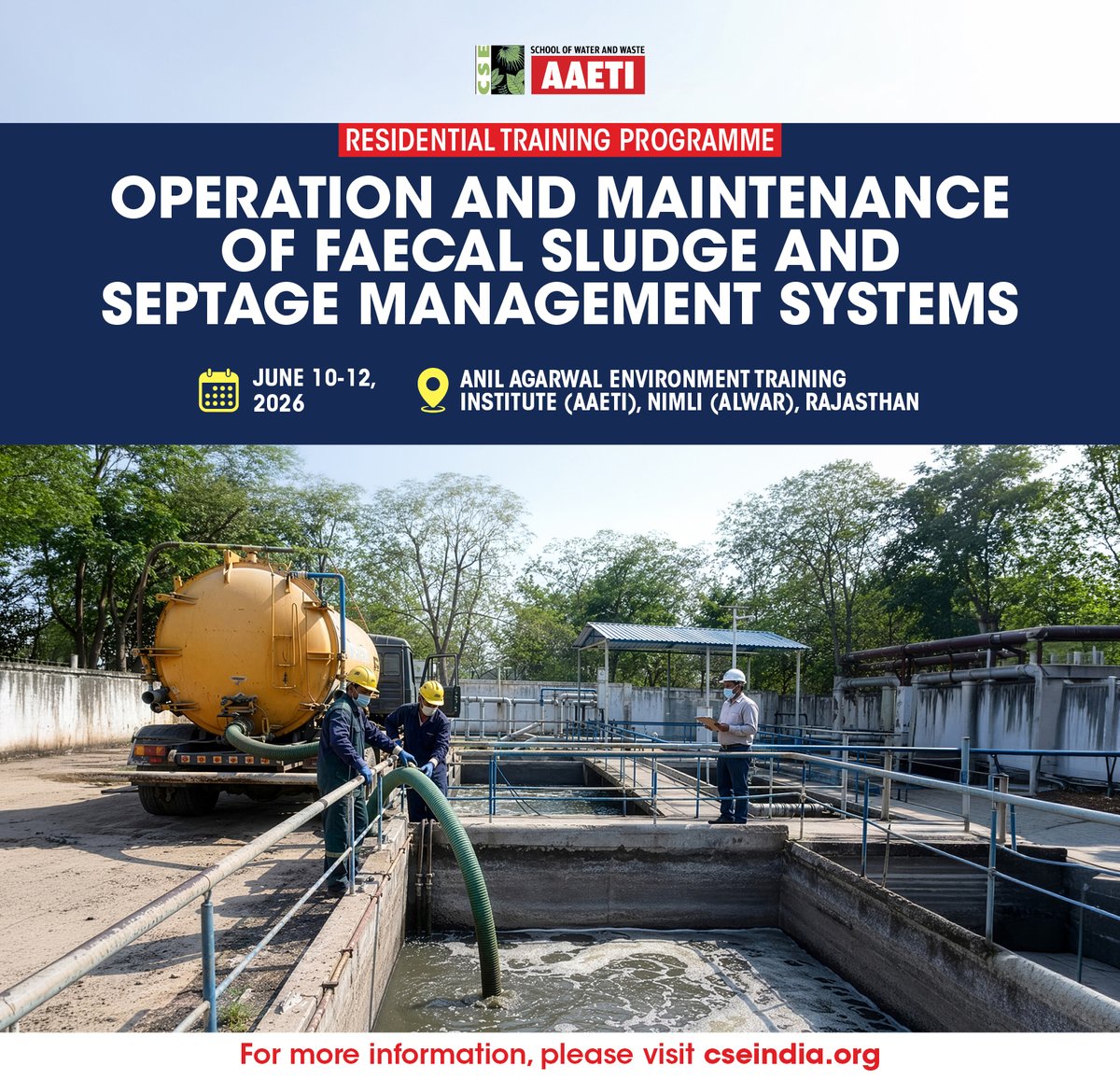
📢 Inviting applications for a three-day residential training programme on Operation and Maintenance of Faecal Sludge and Septage Management Systems.
Training highlights:
1. Core Strategy and Planning
▶️ Current status and progress of FSSM in Rajasthan
▶️Fundamentals of FSSM and the sanitation value chain
▶️Planning and management of daily O&M activities
▶️Strategies for enhancing plant capacity (urban-rural convergence, IEC activities, and regulatory measures)
2. Plant Operations and Safety
▶️Key lessons from existing FSTPs to improve performance
▶️Planning and management of operation and maintenance activities
▶️Occupational health and safety practices for treatment plant personnel
▶️Testing and monitoring protocols
▶️Emergency response procedures at facilities
▶️Documentation, reporting, monitoring systems
3. Innovation and Practical Learning
▶️Exposure to innovative treatment technologies and operational practices
▶️Field visit to an operational FSTP for practical learning and experience sharing
Click the link below to view eligibility criteria and secure your spot: https://t.co/p4Cgjld3FU
Last week, CSE and @tatatrusts brought together policymakers, researchers, and practitioners in New Delhi for a workshop on Water and Wastewater Management in Rural Areas, building on state-level consultations held in Uttar Pradesh and Rajasthan.
The workshop focused on consolidating the gains of the @jaljeevan_ while strengthening rural water systems through source sustainability, greywater circularity and improved governance.
Opening the discussions, @sunitanar reflected on CSE’s four decades of work on water and highlighted how climate change has intensified existing challenges. She underlined the continued relevance of traditional water wisdom alongside new research and emerging solutions.
@DivyangWaghela spoke about the CSE–Tata Trusts partnership and the importance of using data and technology to address next-generation water challenges. Yugal Joshi emphasised the need for stronger interdepartmental coordination and sustaining community trust in JJM water supply systems, while Ashok K K Meena outlined the vision for JJM 2.0, centred on community ownership of water sources and long-term sustainability.
The first panel on greywater management explored solutions ranging from soak pits and kitchen gardens to constructed wetlands and biofilters, while also stressing the importance of monitoring systems that are accessible and usable for communities. Discussions highlighted the need for village-led planning, robust water quality monitoring, and sustainable operation and maintenance systems.
The second panel on source protection and recharge focused on the urgent need to address groundwater depletion, strengthen watershed convergence and scale up monitoring systems.
To know about the event and the reports released, visit: https://t.co/OkgJBWaeeH
Press release: https://t.co/qB2DUrCcGw
"The Jal Jeevan Mission 2.0 now aims to strengthen the Gram Panchayats and Gram Sabhas – the third level of governance in rural areas – so that they can own and operate the water and wastewater management systems.”
Ashok K K Meena, IAS, secretary, Department of Drinking Water and Sanitation, @DoWRRDGR_MoJS emphasised the government’s focus on passing on the management of water resources to local communities and management bodies at the national workshop.
“Resilience is about reworking current practices for a water-wise and water-secure future.”
Speaking at today’s workshop on "Water and Wastewater Management in Rural Areas", CSE Director General @sunitanar underscored the urgent need to rethink how India manages water in the face of a climate-risked world.
"Our water crisis is about our inability to build an affordable system of water management to supply clean water to all; take back and recycle the used water of all. The mismanagement of our water systems is going to only make the impacts of climate change worse", she added.
India meets all-time high demand of 270.8 GW.
Over the past week, India’s peak power demand has continued to climb to successive new highs, rising from 257.3 GW on May 18 to 260.4 GW on May 19, further to 265 GW on May 20, and ultimately reaching a record 270.8 GW on May 21, according to the @MinOfPower.
Renewable energy (RE) including hydro contributed 34 per cent to the peak demand, while contributing 28.9 per cent to the total energy generation for the day.
Key highlights from the day:
1️⃣ Wind energy’s absolute capacity during the peak demand stood at 13.6 GW, a rise of 9 GW in comparison to April 25’s peak demand.
2️⃣ The total generation from RE including hydro 1,628 million units (MU), an increase of 289 MU from April 25 or a 21.5 per cent increase within the time span.
3️⃣ Peak demand stayed above 260 GW for approximately 3 hours between 2 to 5pm, highlighting the impact of sustained heat during the day on the power consumption,
4️⃣ Maharashtra (31.5GW) recorded the highest contribution to the day’s peak demand, followed by Uttar Pradesh (29 GW) and Gujarat (25.9 GW).
5️⃣ Coal-based thermal remained the mainstay throughout the day, with 171.7 GW on board during peak demand, and ramping up to a maximum of 184.9 GW during non-solar hours.
6️⃣ The power system recorded a shortage of 0.18 GW during solar hours, while the shortage during non-solar hours stood at 2.57 GW, with seven states experiencing shortages and Haryana reporting the highest deficit.
Analysis by @_KushagraG
Know more about it: https://t.co/h1mArgsAb7
Comment
Every summer, Indian cities run dry. It is because they simply cannot afford their own water
India’s taps — and its city finances — will only stop running dry when we finally start pricing water honestly, writes Vasu Saha
https://t.co/7ICv6k4cXp
A 750-year-old pond in Tarsingri Sodha village in the desert district of Barmer, Rajasthan, now provides water to 20 villages.
Once dry, this pond was rejuvenated in 2016 under the state government scheme Mukhyamantri Jal Swavlamban Abhiyan. Today, the crystal clear water attracts thousands of migratory demoiselle cranes, 'kurja' as they are locally known.
This is not an isolated story.
In 2024, a CSE team visited over 250 lakes and ponds under 26 schemes in four ecological regions—the Desert, Indo-Gangetic Plains, Deccan Trap and Coastal Plains— across the country to understand what works when it comes to waterbody rejuvenation.
Back from the Brink is a a compendium of 45 case studies that document successful efforts across Central and state government programmes.
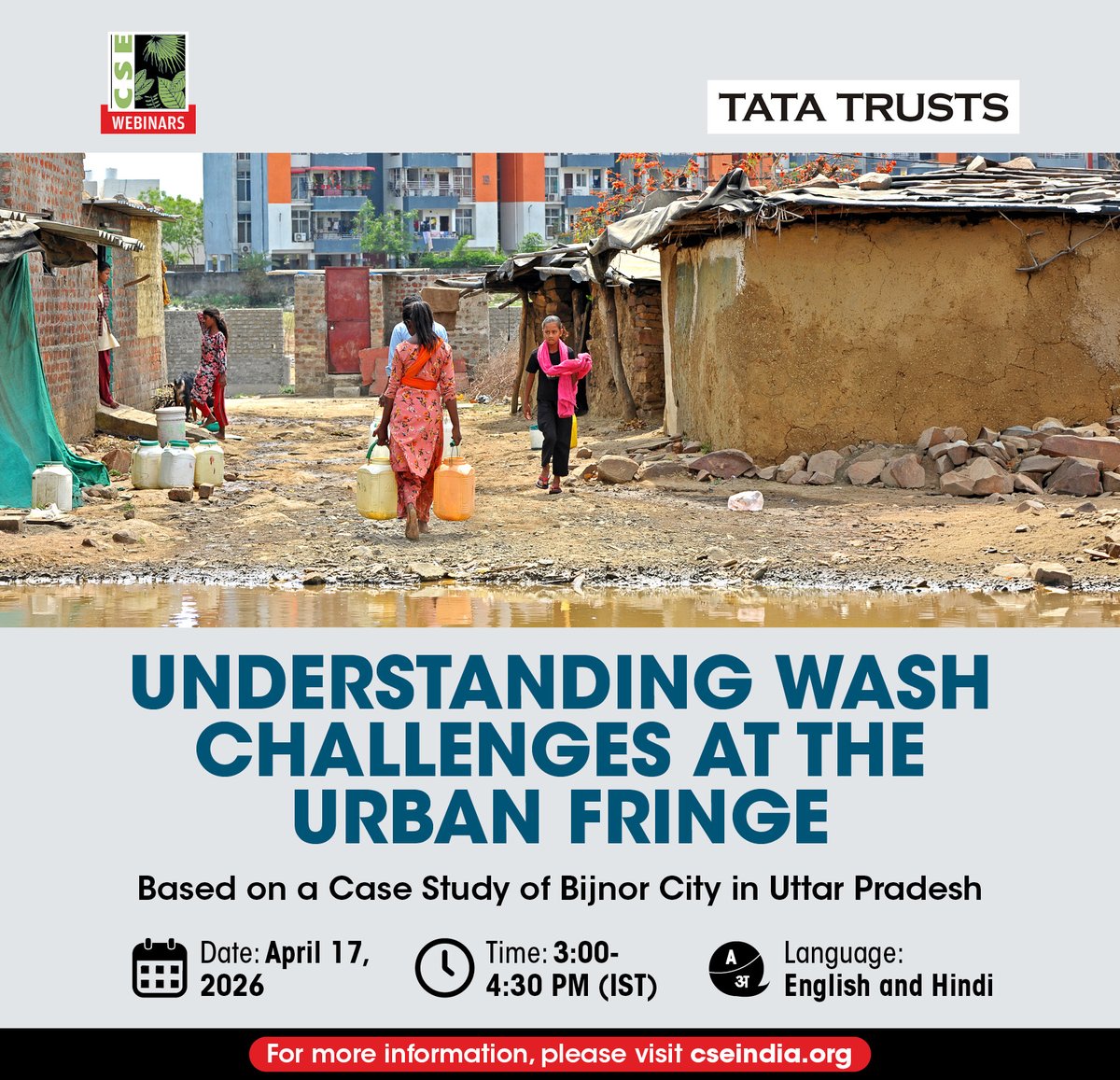
India’s cities are expanding fast. But between the city and the village lies a space planning systems still struggle to see: the urban fringe.
These peri-urban areas often fall through the cracks, with governance gaps, inadequate infrastructure and deep inequalities in access to water and sanitation.
At CSE’s recent webinar on Understanding WASH Challenges at the Urban Fringe, experts including M. N. Roy, Rumi Aijaz and Chetan Vaidya discussed why these “in-between” spaces need urgent policy attention.
Here is what we learned from our webinar:
▶️ Peri-urban areas cannot be addressed through a rural–urban binary
▶️ Governance fragmentation remains a core challenge
▶️ Data gaps continue to limit effective planning
▶️ Decentralized and FSM-based solutions offer practical pathways
▶️ Accountability and community participation must be at the center of the discussion.
You can watch the webinar here: https://t.co/kKDVrl1B4o
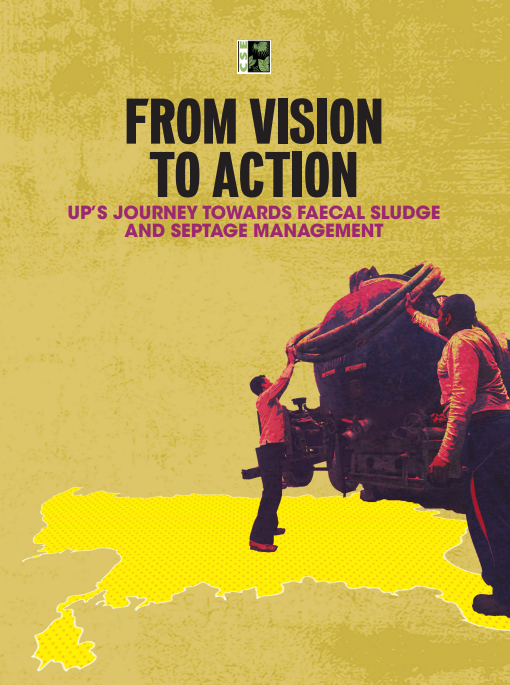
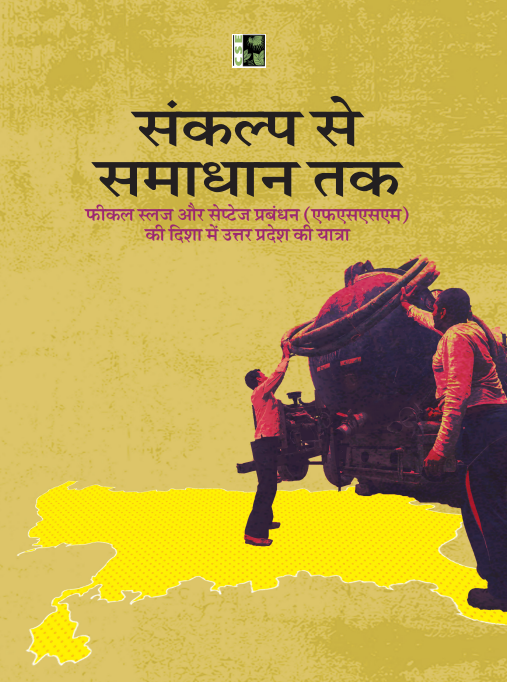
📢New Report Out! From Vision to Action: Uttar Pradesh’s Journey Towards Faecal Sludge and Septage Management
Our new report captures how the Urban Development Department, Government of Uttar Pradesh, has led the state’s transition from policy vision to on-ground implementation of faecal sludge and septage management across 56 towns, in partnership with CSE and other stakeholders.
The report also documents the lessons from this journey, starting from policy development and infrastructure creation to operational challenges and service delivery improvements. It also highlights areas that require continued focus to ensure sustainable and citywide sanitation services.
Read the full report:
In English: https://t.co/4AO40zIaIu
In Hindi: https://t.co/ZDu8798fp9
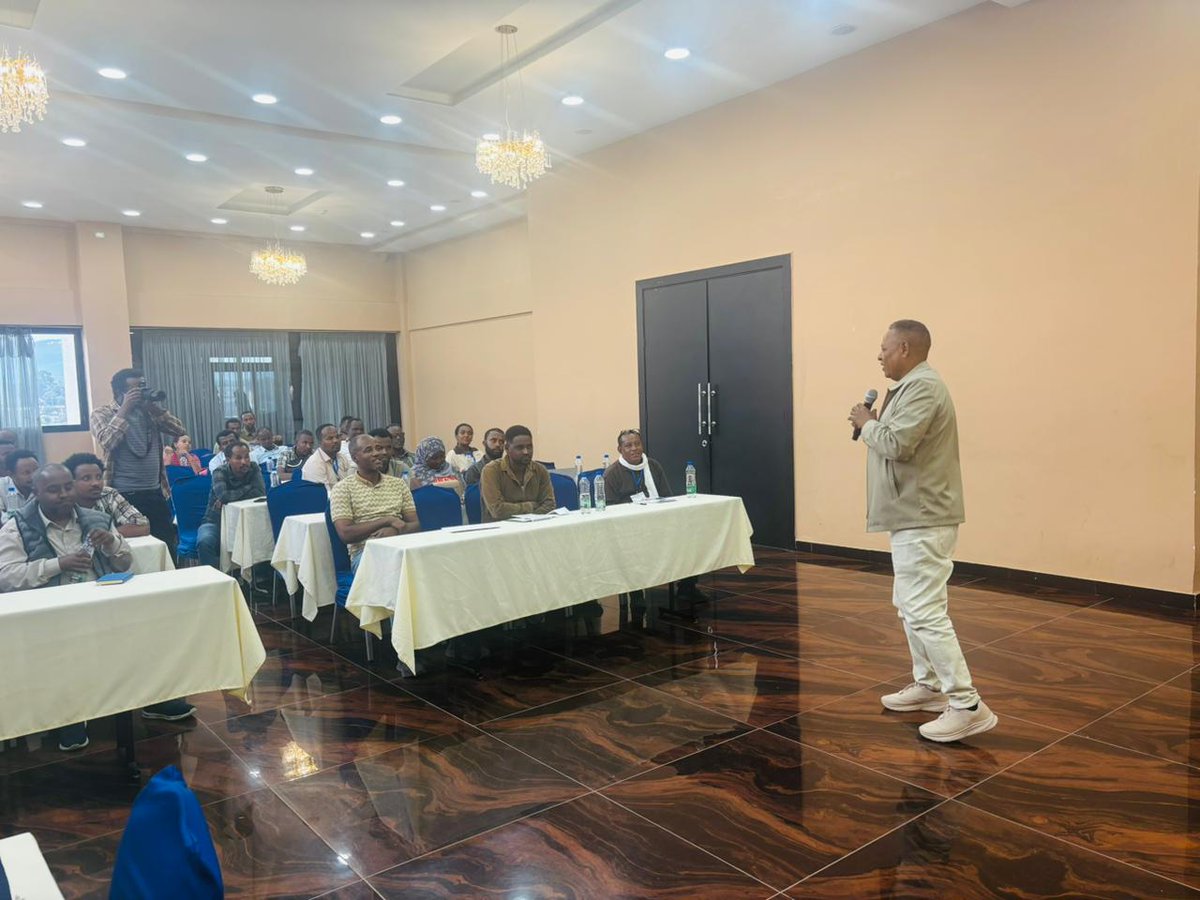
Ethiopia’s rapid urbanisation is putting increasing pressure on already stretched urban water and sanitation systems. A large share of the population still relies on on-site sanitation, while wastewater treatment infrastructure remains limited.
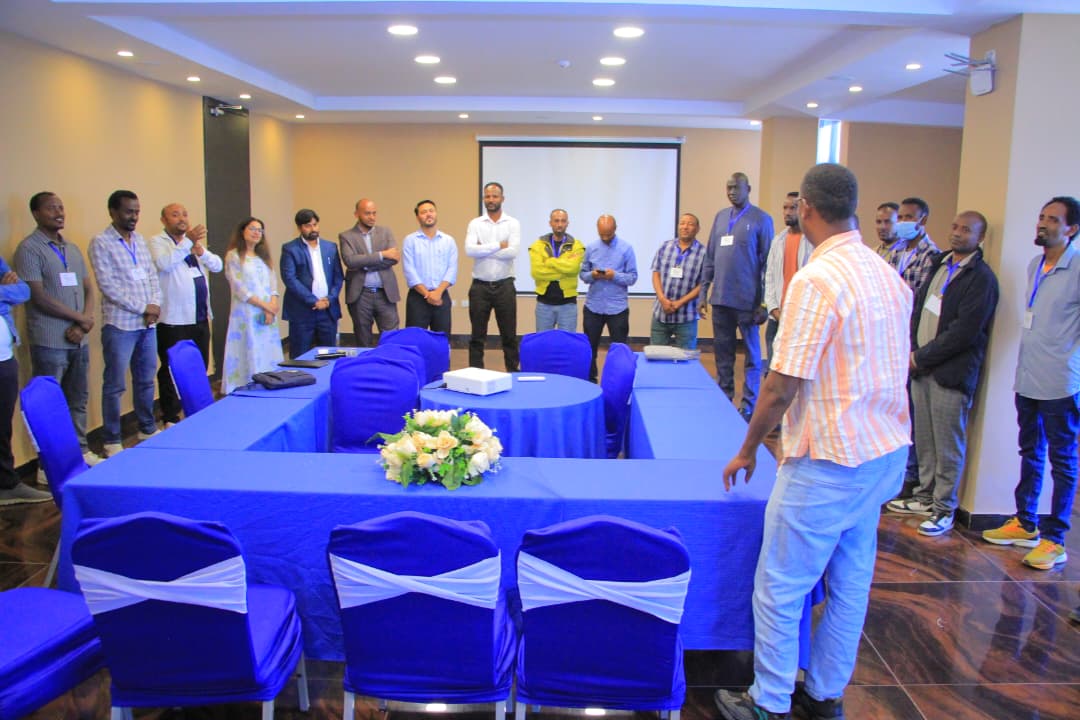
We are glad to have 55 participants from multiple cities across Ethiopia, especially from towns where Faecal Sludge Treatment Plants (FSTPs) are coming up. This makes the training highly relevant and timely, as these systems will soon require operational capacity on the ground.
The sessions kicked off with an ice-breaker that got people talking about their on-ground experiences and challenges.
Discussions with utility officials highlighted an important point: building infrastructure is just one part; strengthening operations, maintenance, and institutional readiness is equally critical.
The initial sessions helped build a common understanding around FSSM concepts, current practices, and the importance of structured O&M systems for long-term functionality of treatment plants.
Looking forward to the next sessions as we dive deeper into technical operations, safety practices, and real-world challenges in managing treatment systems.
We are happy to release our new report, "From Waste to Resource: Co-composting Practices in India and Bangladesh”.
As sanitation infrastructure continues to expand, managing faecal sludge-derived biosolids remains a critical challenge. Co-composting of faecal sludge with organic waste is still evolving across cities, with ongoing efforts to identify effective and scalable approaches.
This report draws from on-ground case studies to highlight:
• Existing co-composting practices
• Operational approaches and economics
• Quality and reuse potential
• Key challenges and opportunities
It addresses a major gap: the lack of practical guidance for biosolids management at treatment facilities, and offers actionable pathways for safe and sustainable reuse.
We sincerely thank @iihsin@CDDIndia@FSMC_India and @WaterAidBD for their valuable support and contributions to this work.
You can scan the QR code or download the report here: https://t.co/pMSfUTJU1w
What happens to water and sanitation services when villages become part of cities? As urban areas expand, many newly added neighbourhoods struggle with basic WASH (Water, Sanitation and Hygiene) services.
Join our upcoming #webinar, in collaboration with @tatatrusts, to understand the challenges faced at the urban fringe, and what can be done to ensure an inclusive, resilient, and sustainable WASH service delivery during urban growth.
Register here:
https://t.co/OdS5g4IMxL
Centre for Science and Environment (CSE), in collaboration with @tatatrusts, invites you to a webinar to explore and understand the kind of challenges WASH (Water, Sanitation and Hygiene) systems face in villages that have recently transitioned to urban administration.
The discussion will also highlight governance and planning dynamics shaping peri-urban transitions, identify key implementation challenges, and outline pathways towards more inclusive, resilient, and sustainable WASH service delivery during urban growth.
To register, visit: https://t.co/SUTN6fR8Ah
We are happy to announce that @down2earthindia's Dhruval Parekh and Rohini Krishnamurthy (formerly Down To Earth) received the the prestigious Ramnath Goenka Award (RNG) for Excellence in Journalism, in the Environment, Science and Technology Reporting category (Broadcast) for the video, ‘Is Hindon dead?!’
Congratulations to both the winners!
This marks the third consecutive RNG win in the video category, an extraordinary milestone that reflects the unwavering dedication, creativity, and purpose-driven work of our teams.
Scan the QR code to watch the award winning video.
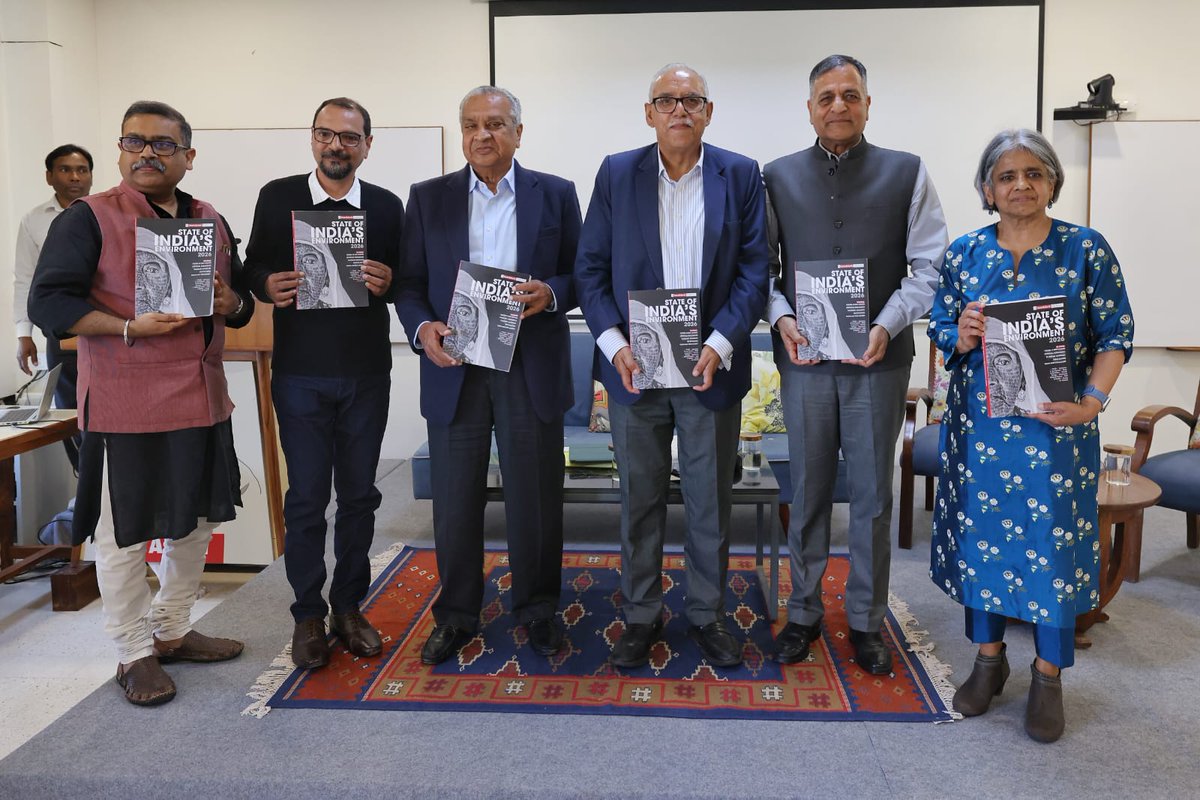
JUST RELEASED: State of India's Environment 2026!
In numbers we trust. At the Anil Agarwal Dialogue 2026 conclave today, @CSEINDIA and @down2earthindia unveiled the 2026 edition of India's most credible annual report on environment and development.
Sunita Narain (@sunitanar), @AshokLavasa, Justice Deepak Gupta, Raj M S Liberhan, @SouparnoBaner10 and @richiemaha at the launch.
Packed with the latest data, ground reports, and critical analysis, SoE 2026 is your go-to source for understanding the state of our country — from climate change to water security, forest cover to air pollution.
Get the report here: https://t.co/hMiRSnzYX8
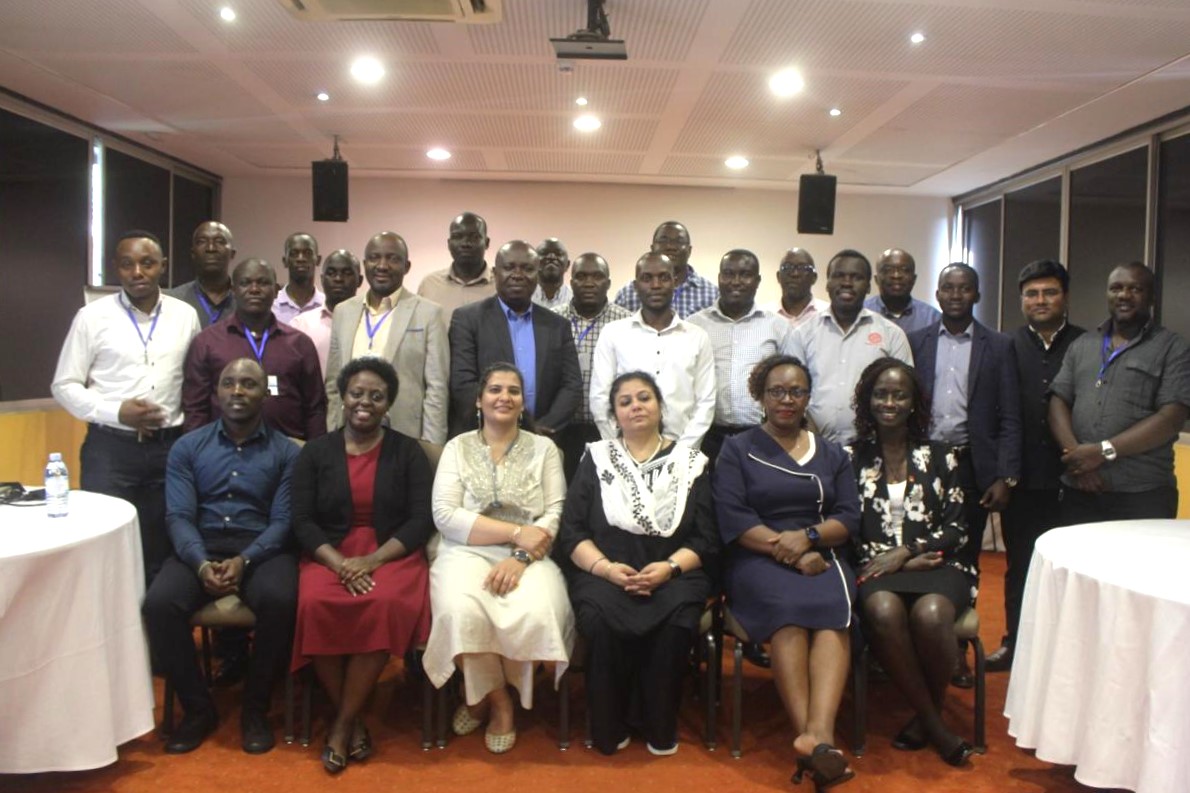
CSE wrapped up a two day workshop cum training in Uganda to promote water - wastewater circularity in institution successfully. CSE's partner @min_waterUg_ is currently working on an annual plan to be launched in June. MWE is planning for groundwater recharge structures and greywater recycle projects in the next year plan for institutions in different districts.
Here are some highlights that were discussed in the workshop:
- Understanding water management and extreme weather events
- WASH practices in the institutions across Uganda
- Policy, legal and regulatory framework for rain water harvesting and waste water management in the built environment of Uganda
- Planning and designing of rainwater harvesting/ groundwater recharge at institutional levels
- Strategy, planning and implementation of wastewater management at institutional levels
- Success stories: Case studies from India on water positive institutions
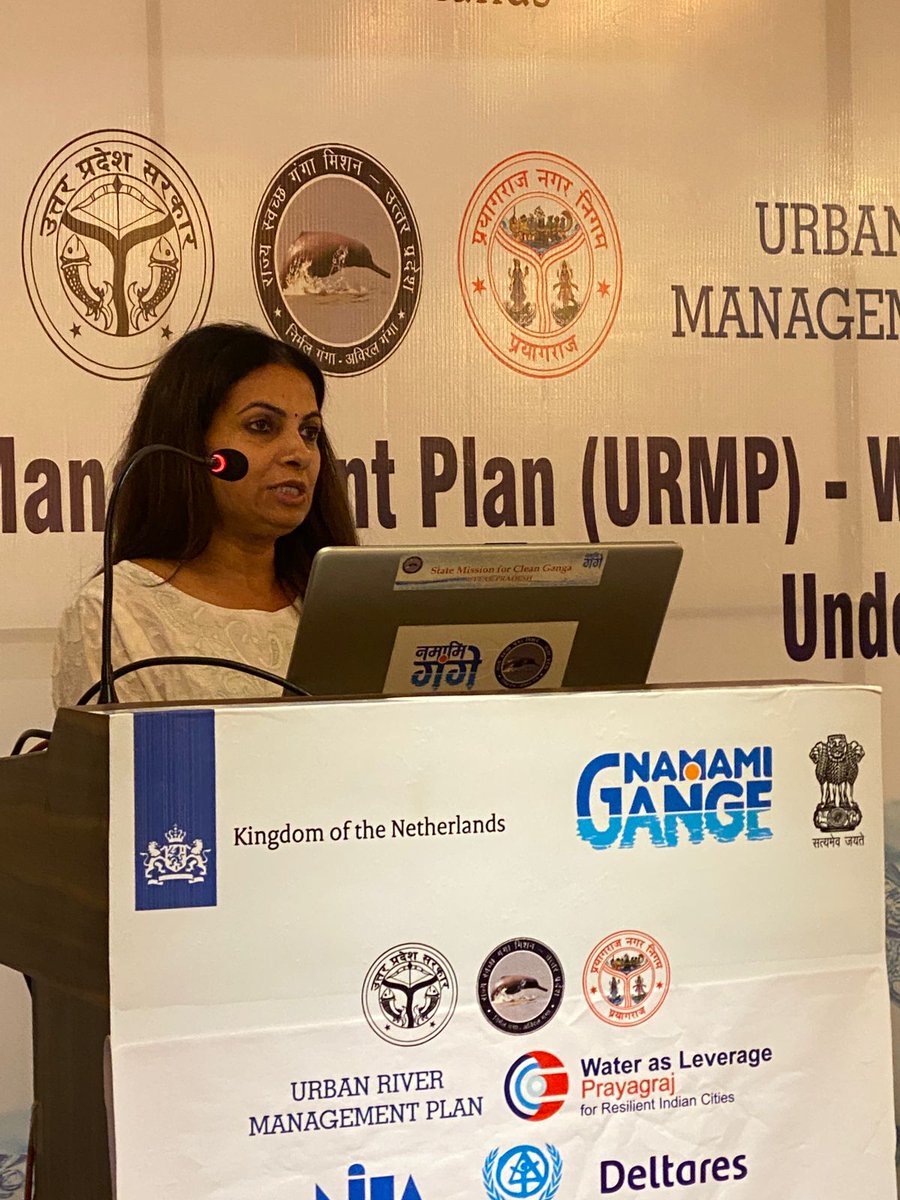
The two-day workshop, “Urban River Management Plan – @WaterasLeverage (WaL): Shaping Interventions for a Resilient Prayagraj,” was held on March 19–20, 2026.
Having developed the City-Level Action Plan for Prayagraj, @CSEINDIA led a session on “Reuse of Treated Wastewater.”
Led by @Suchak2001 and @singhal_sumita, the session explored how wastewater reuse can strengthen urban river management in Uttar Pradesh.
Thank you to our esteemed panel for an insightful dialogue: Mithilesh Mishra (SMCG), Dr. Anjana Pant (GIZ India), Rahul Sachdeva (National Institute of Urban Affairs (@NIUA_India), and Ayushi Kashyap (CEEW).