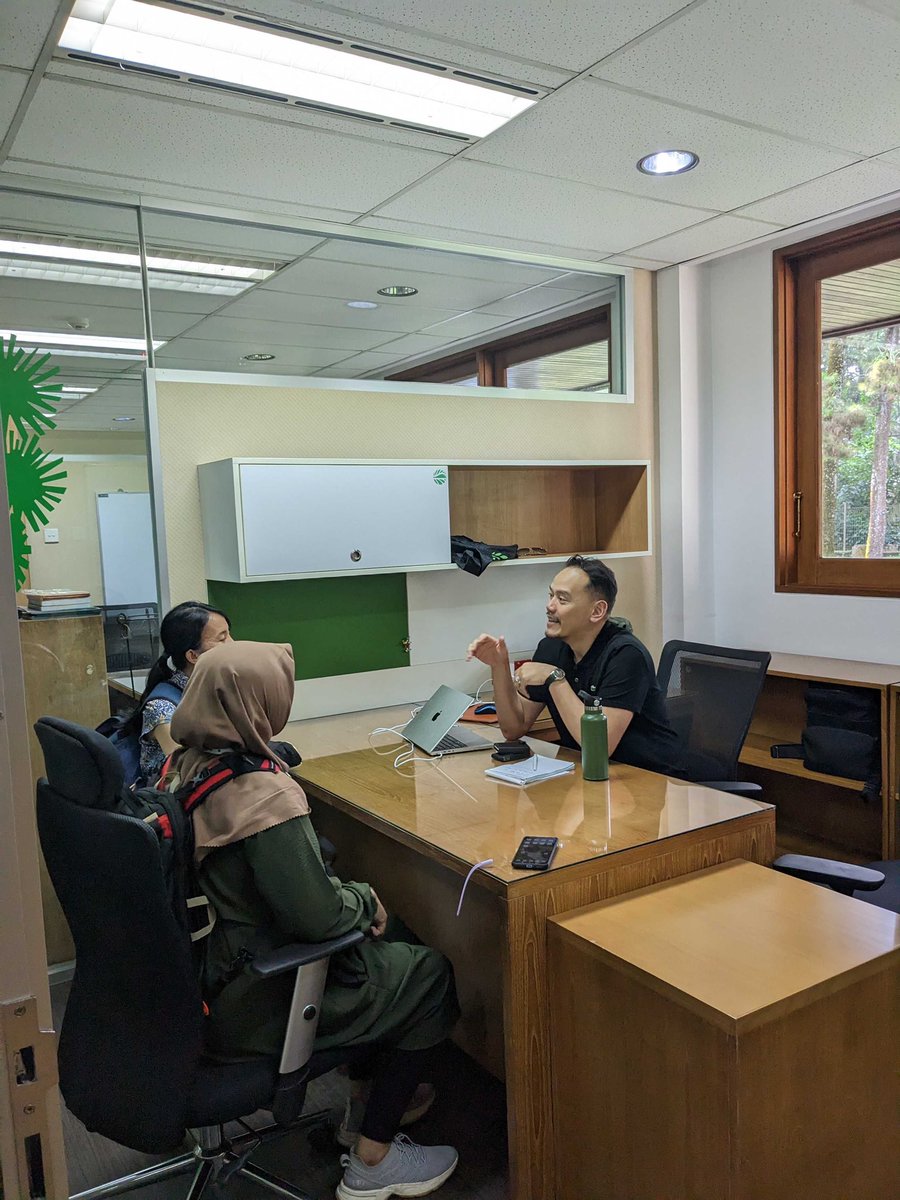
@sumarnilaman 🎙️ "Fostering trust-based relationships within projects and providing #youthmentorship is crucial because they not only support the success of projects but also help young people grow both in their project work and their #personaldevelopment.”
Indigenous Peoples are unsung conservation heroes. Yet, throughout history, their rights have been violated.
We must protect their rights and way of life for the good of our planet.
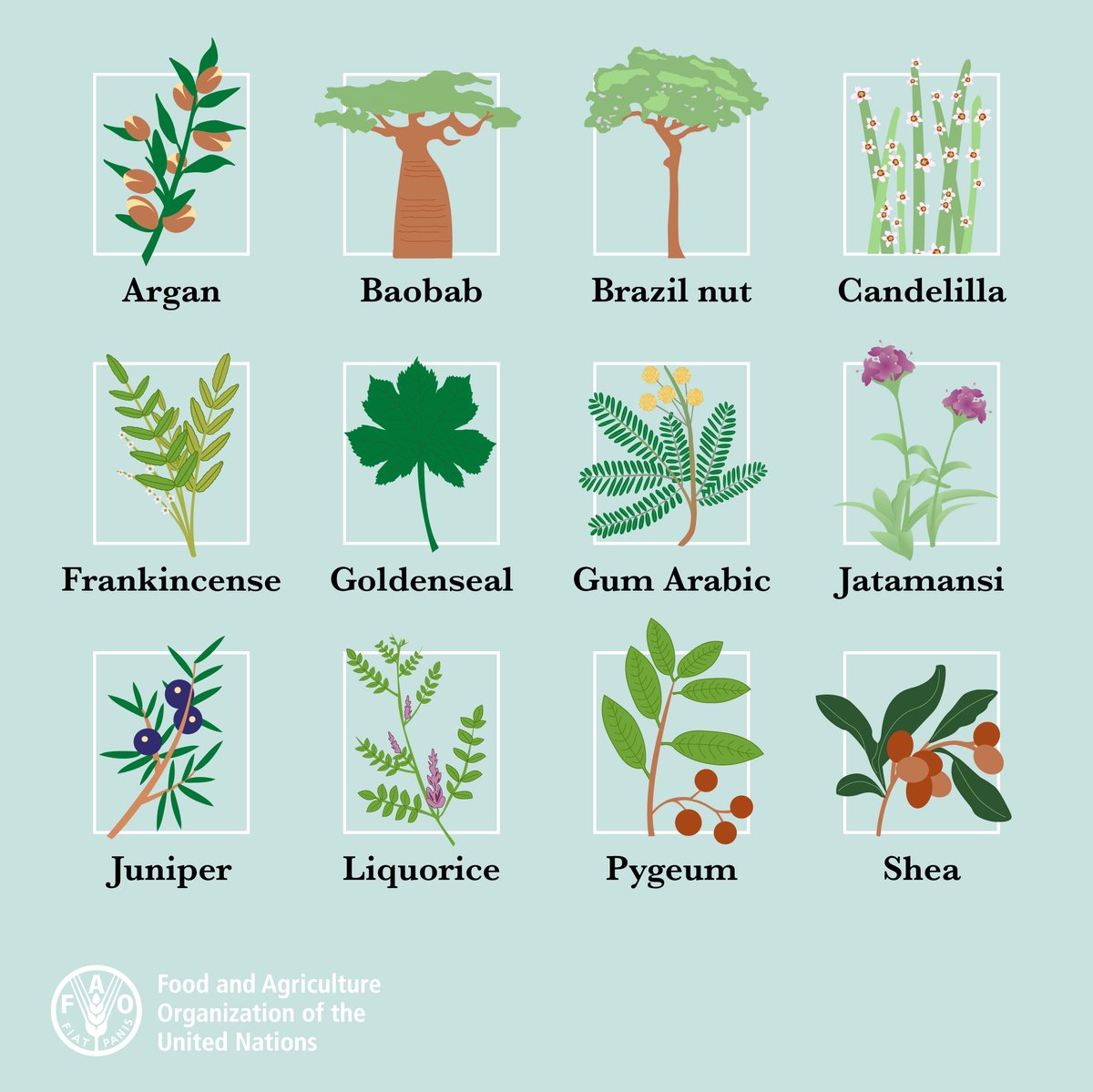
About 50 000 wild species are used for food, energy, medicine, material & other purposes.
This includes many plants.
But often these plants are not sourced or used sustainably, which threatens #biodiversity.
🌱How @FAO is protecting them: https://t.co/QjCYkkG34w
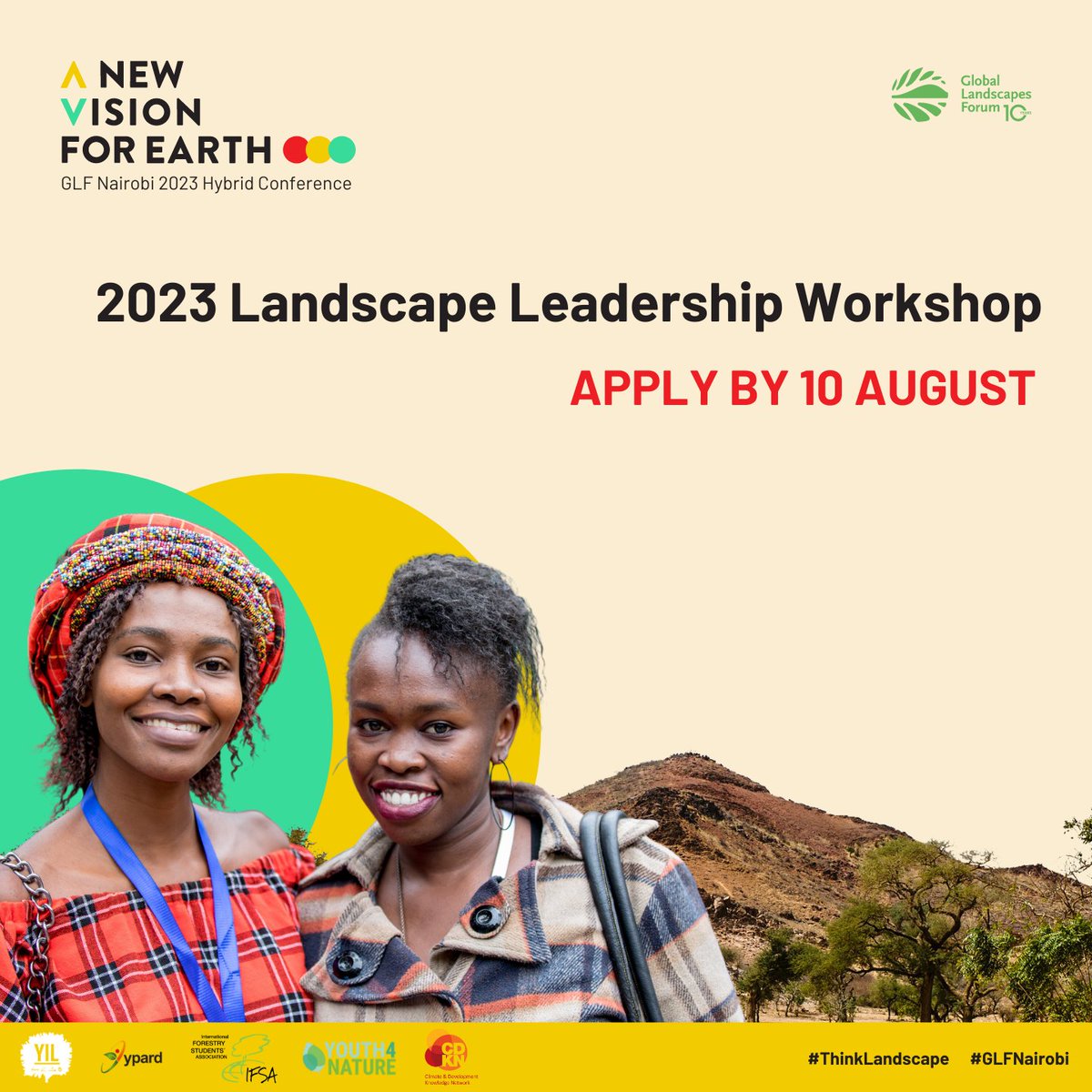
📢 Are you a young individual from #Africa passionate about sustainable landscapes?
Join a two-day in-person #workshop to enhance your landscape leadership skills
➡️ Learn more & apply now: https://t.co/ZzlyY43Kdk
📅 Deadline: 10 August
#GLFNairobi#GenerationRestoration
Only 5️⃣ days remaining to apply!
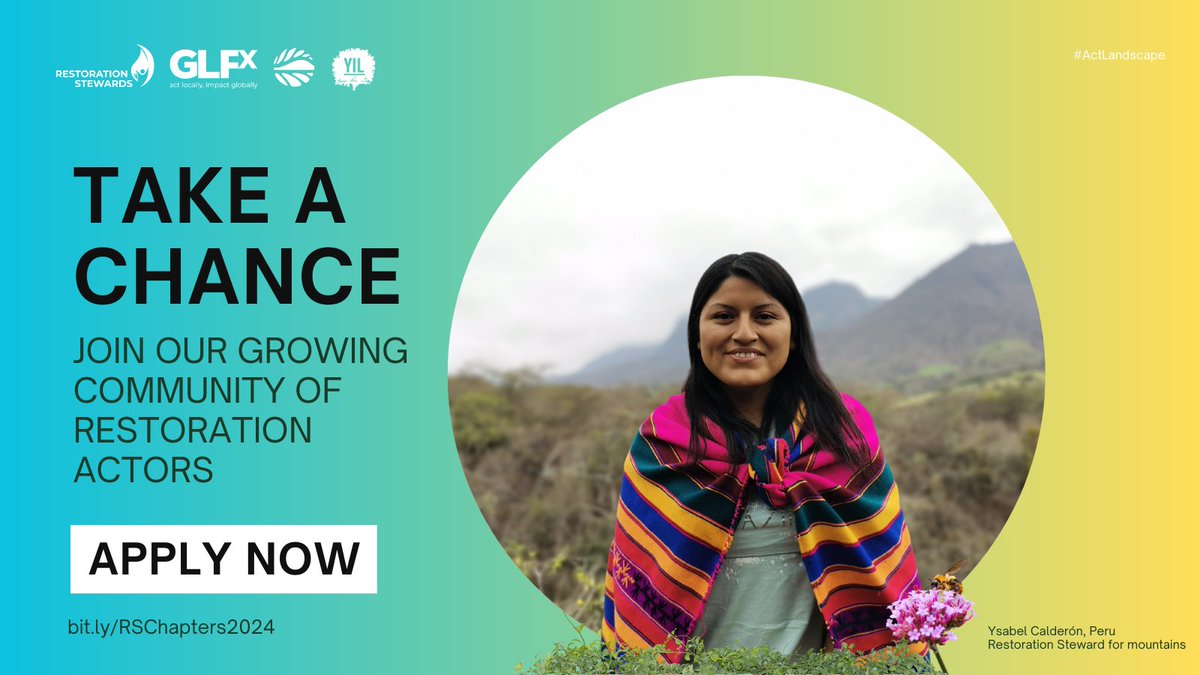
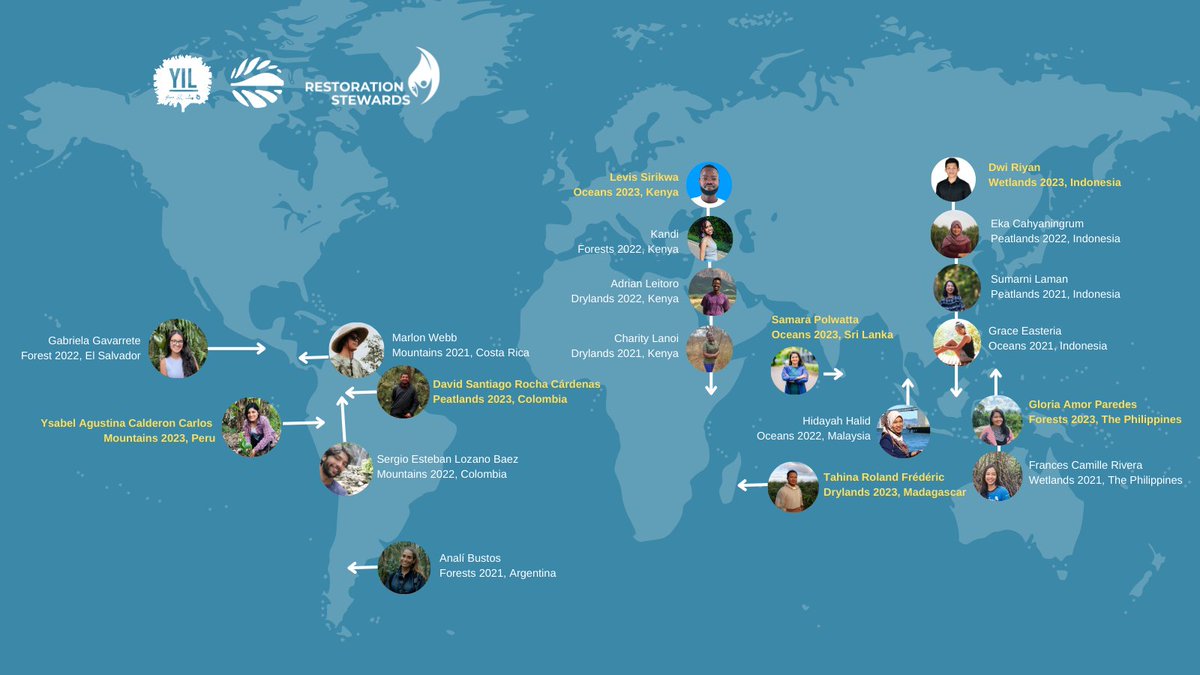
Are you working on restoring the planet🌍 or do you know someone who does? Submit your entry now for a chance to become one of the 2024 Restoration Stewards!
✅Apply by 23 July: https://t.co/Awf4tSwNFL
#ActLandscape@GlobalLF@GLFChapters
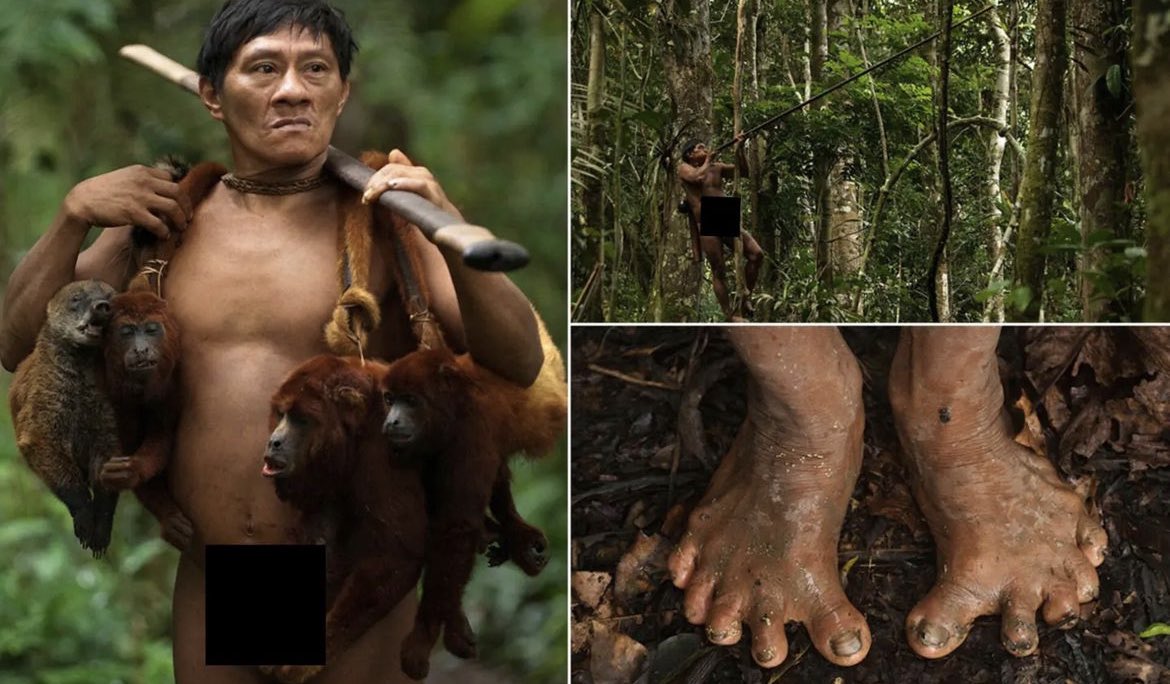
The Huaorani tribe, also known as Waorani or Waos, is an indigenous group residing in Eastern Ecuador within the Amazon rainforest. This isolated tribe, consisting of approximately 4,000 members, has a unique cultural and linguistic heritage. Their language is distinct and unrelated to any other known tongue, including Quechua, which is commonly spoken in Ecuador.
Due to their longstanding practice of tree climbing, a crucial skill for their way of life, the Huaorani people have experienced physical adaptations in their feet. The tribe primarily relies on hunting monkeys and other small game using spears and blow guns as a major food source. The combination of a limited gene pool, constant exposure to the challenging environment, and the necessity of climbing trees has resulted in the flattening of their feet. Some individuals within the tribe even exhibit the presence of six toes on each foot and six functional fingers on each hand. Interestingly, the structure of their feet undergoes changes over time, starting with straight toes at birth.
It is worth noting that the Huaorani tribe is not the sole example of human adaptation to specific environments. Certain tribes in Malaysia, for instance, have developed the ability to stay submerged underwater for extended periods to fish for pearls. Their lungs have evolved to process oxygen more efficiently in order to support this activity.
Moreover, the emergence of white skin in early humans who migrated to northern Europe can be attributed to the reduced sunlight in that region. White skin has a greater capacity to absorb vitamin D compared to dark skin, thus facilitating its production despite the limited sunlight.
In general, human feet may gradually become flatter over time when exposed to comparable environments, as the toes tend to spread out to provide enhanced grip and balance.
📢Apply Now | We’re still accepting applications from young ecosystem practitioners and local organizations who are interested in joining the @GlobalLF growing community of restoration actors! #ActLandscape@GLFChapters
🗓️Deadline: 23 July!
✅Apply Now: https://t.co/5oJg5kD8fs
Does your organization or company have a launch, project or report that the world needs to hear about ahead of the UN Climate Change Conference 2023? Apply for a session at the GLF Nairobi 2023 Hybrid Conference: A New Vision for Earth. https://t.co/HmF19aHgy3 #ThinkLandscape
✍🏾️ APPLY NOW!
The @GlobalLF, @glfchapters, and @YIL_Initiative have opened calls for the 2024 Restoration Stewards program.
If you’re a young restoration practitioner or a community-based organization take the chance and apply now!
✅ https://t.co/7FDKNBvX1v
#ActLandscape
🎊Happy #BiodiversityDay 🌳🌊🏜️🏞️🏔️
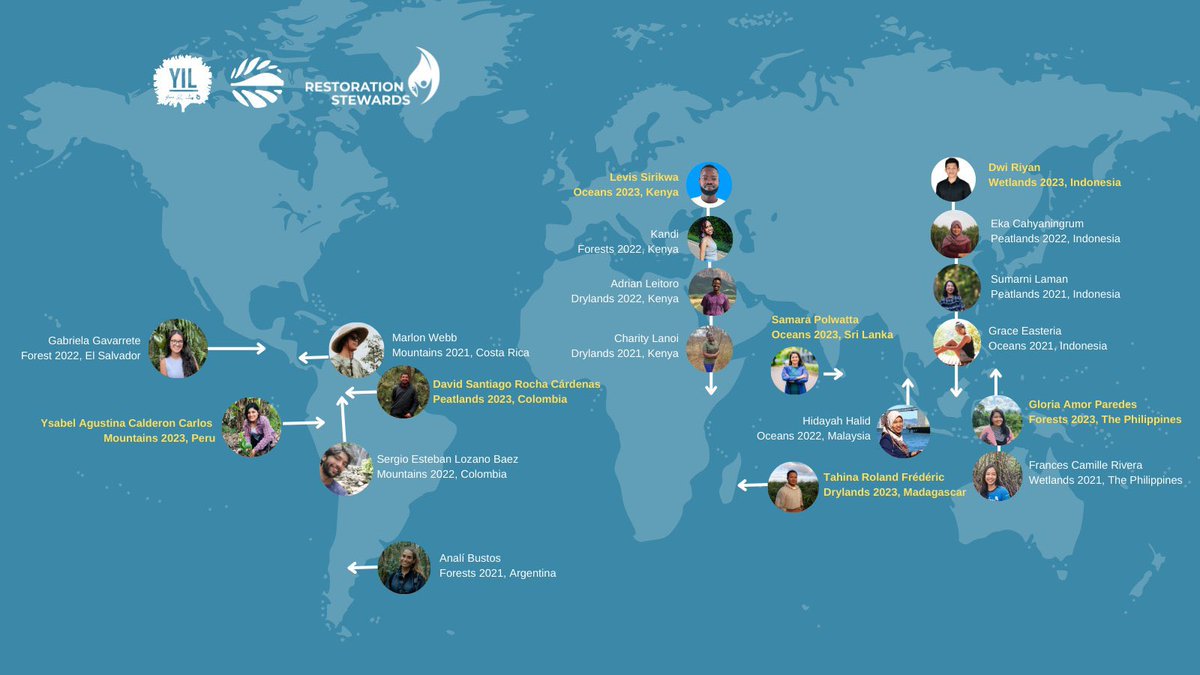
Meet our global Restoration Stewards community of young restoration practitioners who are leading ecosystem restoration projects to protect & conserve the world's biodiversity!🌍🌎
Learn more: https://t.co/zKJ9VHmE6b
#ActLandscape@GlobalLF
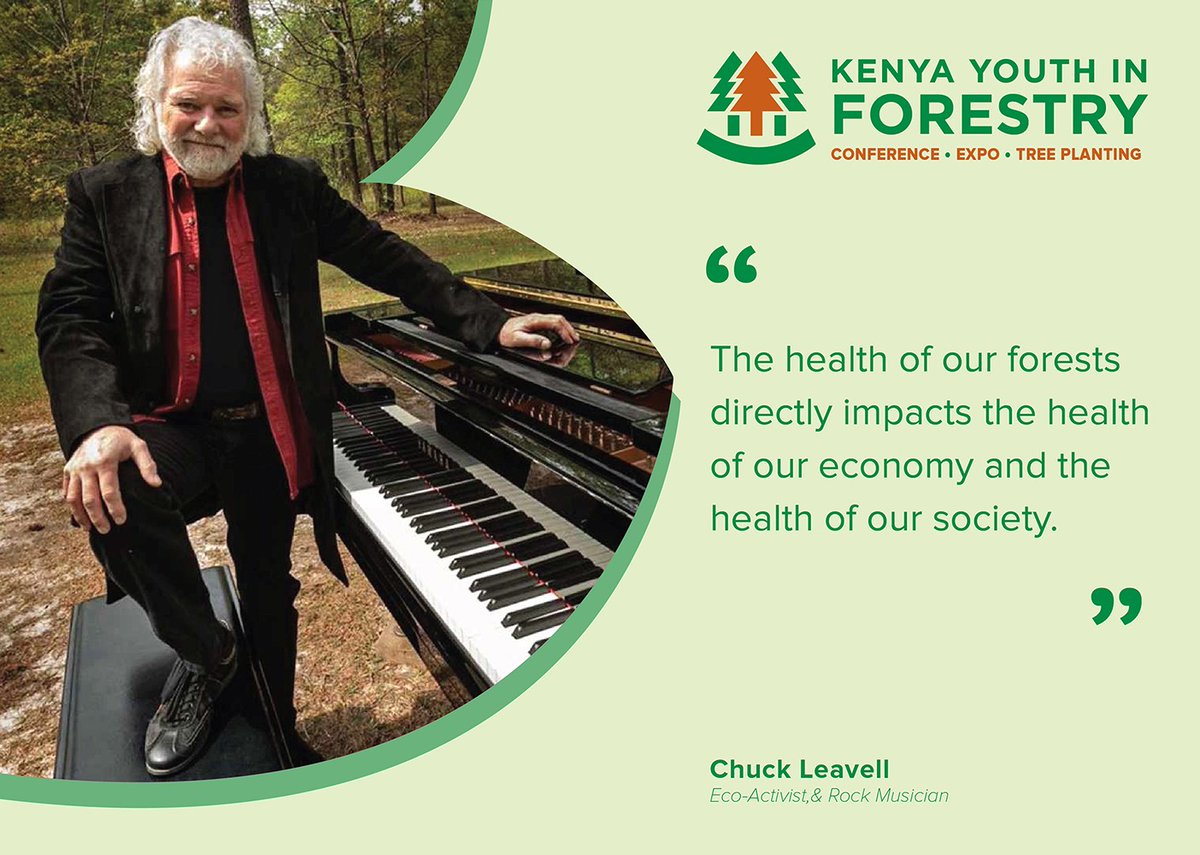
"The environment and the economy are really two sides of the same coin. We can not sustain the environment if we can not sustain ourselves."
- Wangari Maathai.
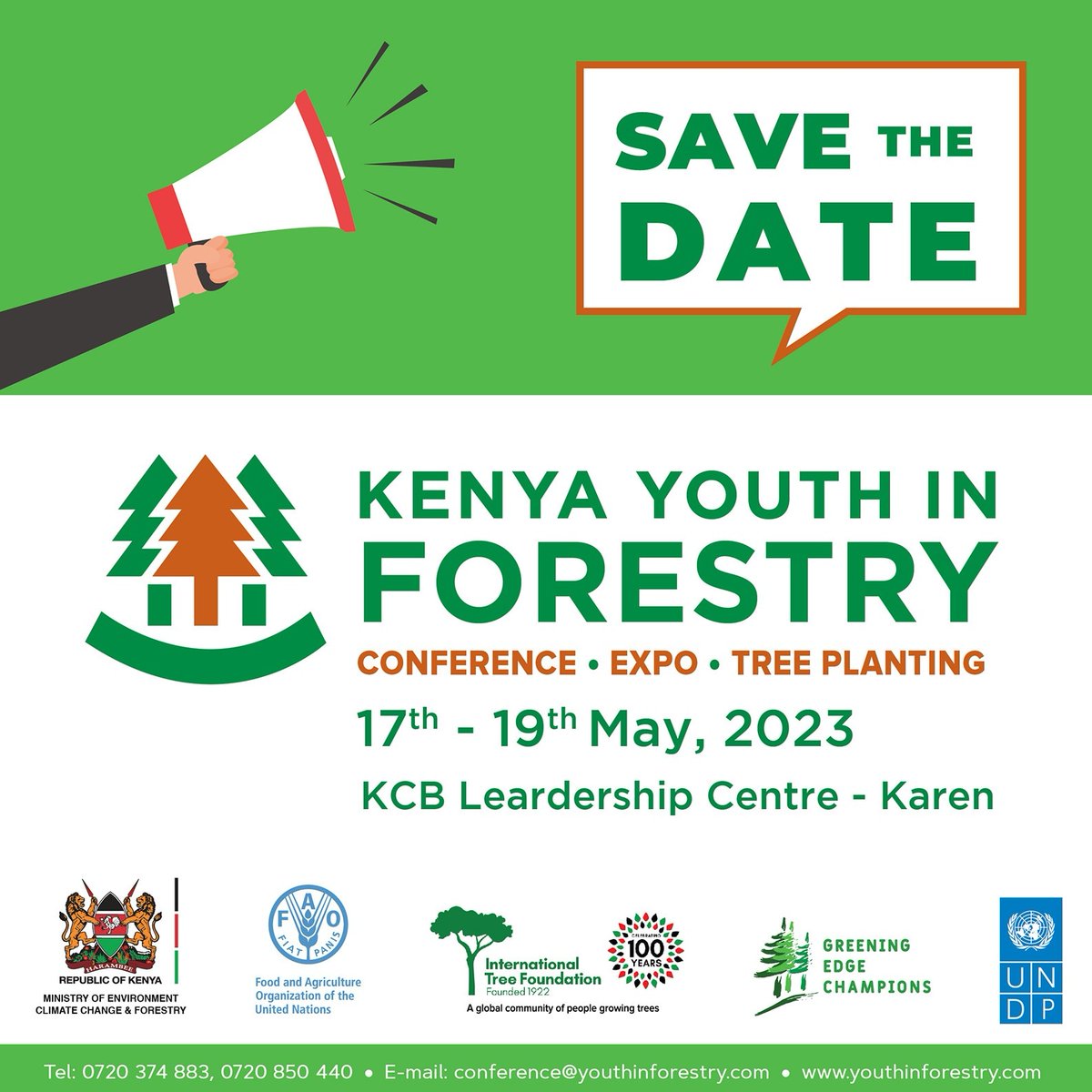
Register for Kenya Youth In Forestry Conference and Expo here:
https://t.co/oH9AX0bjNQ
✨Inspiring & networking moments!
Today, @sumarnilaman and @e_cahyaningrum, our past Restoration Stewards, who are currently attending the @CIFOR_ICRAF Science Week had the chance to meet the Deputy Director of @GlobalLF!
Stay tuned: https://t.co/kF1y7keMa2
#ScienceWeek2023🌳
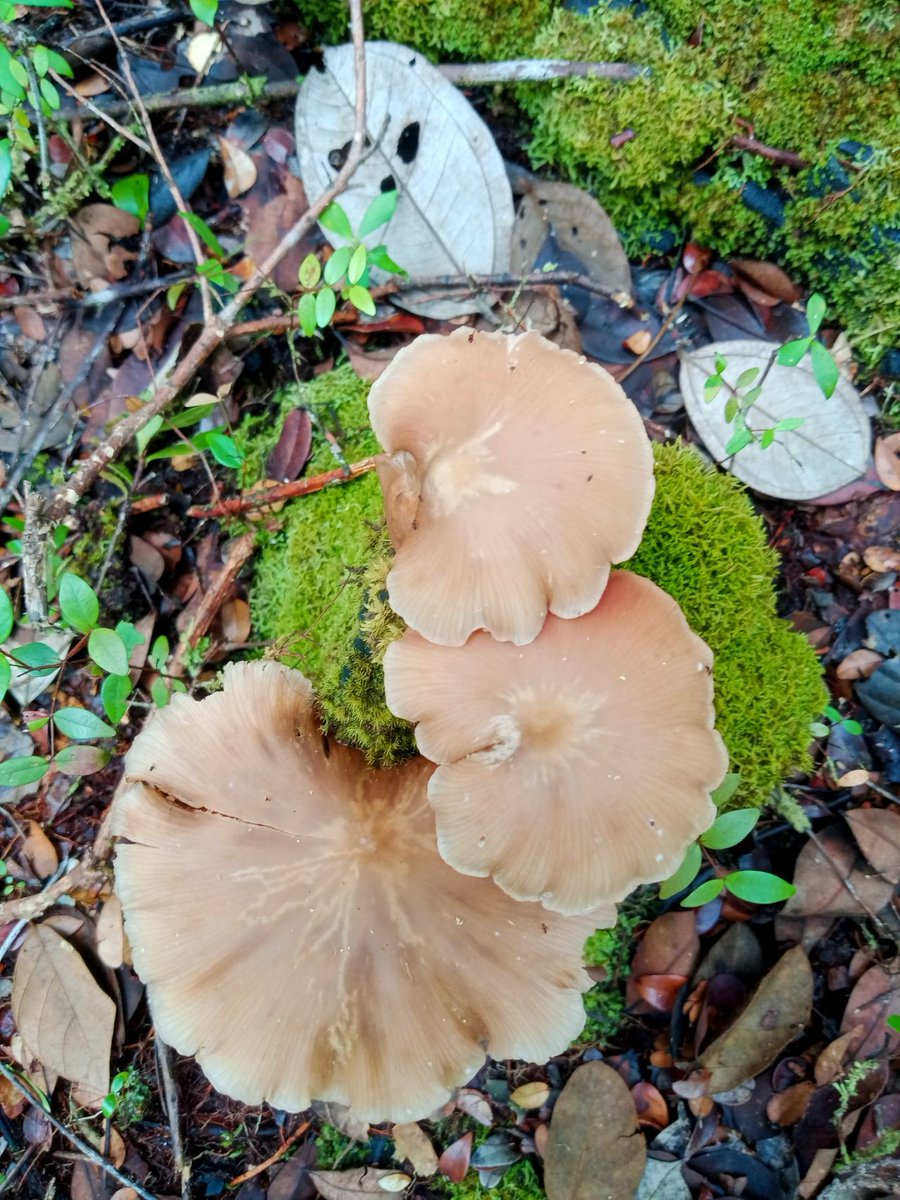
Mushroom for my Dayak Ngaju tribe is not only food and medicine, but it is also a time teller. When we lost track of time in forest, we could estimate the day by looking at the mushroom, because they usually grow during the 'Pasang Pandue' period (15 days following the new moon)
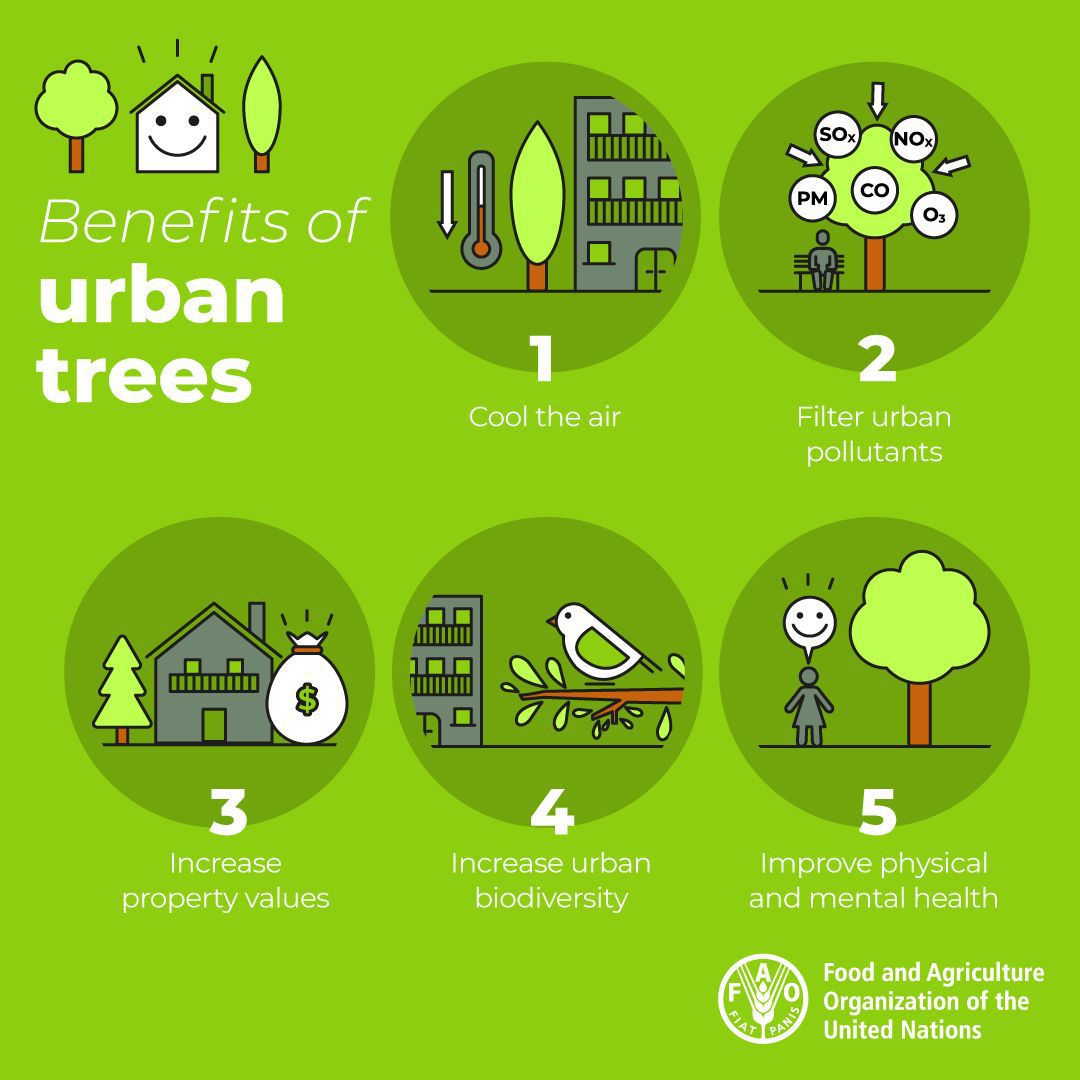
If well managed, urban forests and trees can reduce :
🌳Air temperature by up to 8°C
🌲Costs of air conditioning by up to 40%
🌧️Stormwater flows
🚘Dust and pollutants by filtering to improve air quality
Take a look at our website: https://t.co/YzS9I6Dqmp
Get involved.