My take: in the 1980s and 90s, enterprise software was hostile.
If you were in a bank running SAP R/3 or Oracle Financials, the "user interface" was essentially a wall of transaction codes and cryptic fields. You needed weeks of vendor-led training just to process a purchase order.
I was (un)lucky enough to work on these systems at the start of my career, and the logic was simple: the system enforced the process, not the other way around.
Then came the 2000s and early 2010s: the SaaS wave. Salesforce, Workday, ServiceNow, Atlassian. The pitch was "no training needed."
Tabs, dashboards, drag-and-drop: a sales rep could log an opportunity without ever opening a manual. The distribution strategy was friendly UIs that got you into more seats faster (which meant more license revenue.)
Now we are entering the third shift.
The primary "user" of enterprise systems is no longer the human but the agent.
When ServiceNow deploys an AI that can resolve 70% of IT tickets without a technician, or Coupa uses AI to approve a purchase order without procurement touching it, the human is not the driver anymore.
The human becomes the reviewer, the exception handler, the escalator.
This will fundamentally change the design priorities of enterprise UI.
1) From guidance to arbitration: SAP Fiori was designed to guide a human through a process. The next SAP UI will be designed to explain why an agent made a decision, show the alternatives, and let you reverse it.
2) From efficiency to trust: in the SaaS era, you sold the dream of "fewer clicks." In the AI era, you sell "provable correctness." The winning UI will let a CFO trace an agent's decision down to the transaction level in NetSuite, or let a compliance officer see the logic chain behind an AI's "approve" recommendation.
3) From static workflows to "fluid" handovers: in today's Salesforce, you either follow the opportunity workflow or you don't. In the next Salesforce, you will jump between a deterministic pipeline stage (fully automated) and a free-form agent conversation in the same pane, without losing context or auditability.
If you look at history, the vendors who thrive in these transitions are the ones who rebuild the UI logic from scratch for the new reality (not just skin it...)
Oracle's 1990s green screens gave way to web-based ERP with PeopleSoft and NetSuite. Microsoft moved from the ribbon in Office to Teams as a work hub. ServiceNow went from ticket forms to workflow canvases. I'm sure there's more...
The ones who just wrapped the old UI in a new frame (eg Siebel with "web" Siebel, HP with its ITSM tools) sort of fell off a cliff.
In this third shift, the stakes are higher.
If you cannot design a UI where a human can interrogate, approve, and overrule AI without breaking the system, you will be replaced by a competitor who can.
So, I think next decade of enterprise software will be defined more by how well your UI shows its work than by how fast your AI works.
@jcsamuelian this is a great collection of thinking and practical examples around better decison making "hire for aptitiude" just 1 vital lesson https://t.co/RqbTtGixm4
Thoma Bravo announcing another take-private outside the US. Time to index & invest in every SaaS co with the following criteria: (a) <10x multiple, (b) >$500m market cap, (d) listing outside US / China,
Will call it the Future Thoma / Vista portfolio.
https://t.co/VjiTvfad9C
i am still amazed how most startup investors are great at understanding that startups can grow exponentially but don’t understand that markets can too
“the TAM is too small” has cost startup investors more money than any other often-repeated phrase i know of
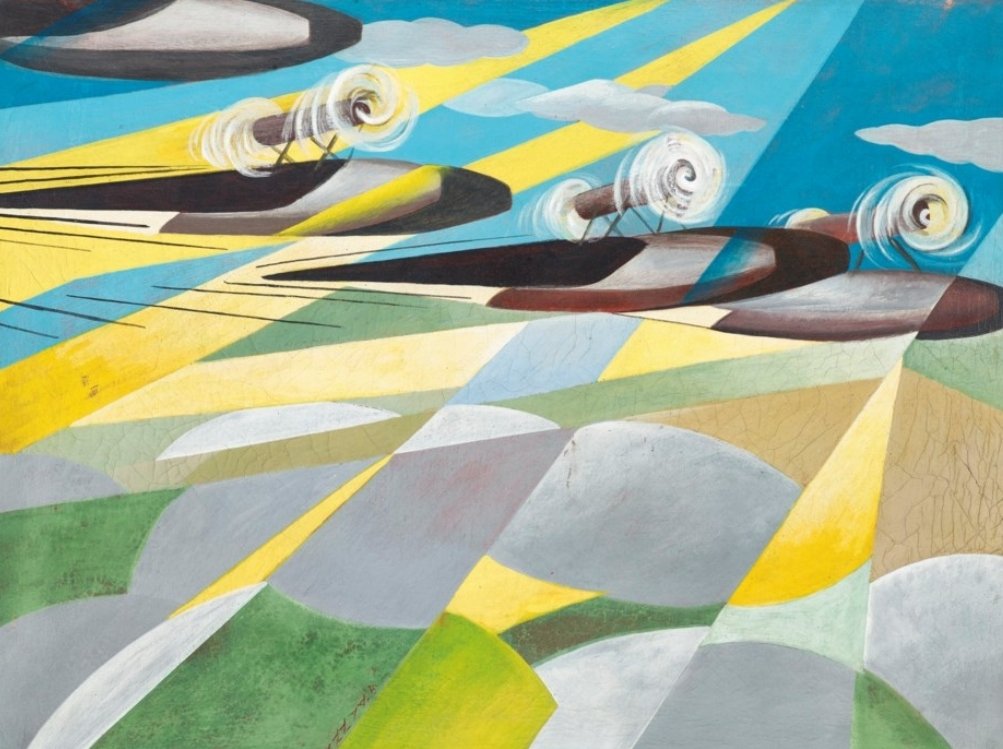
The Futurist movement, founded in Italy in 1909, was against the past. In love with the machine age, Futurists were against what they saw as an infatuation with the presence of the past. This work is by Giulio D'Anna and dates from 1932.
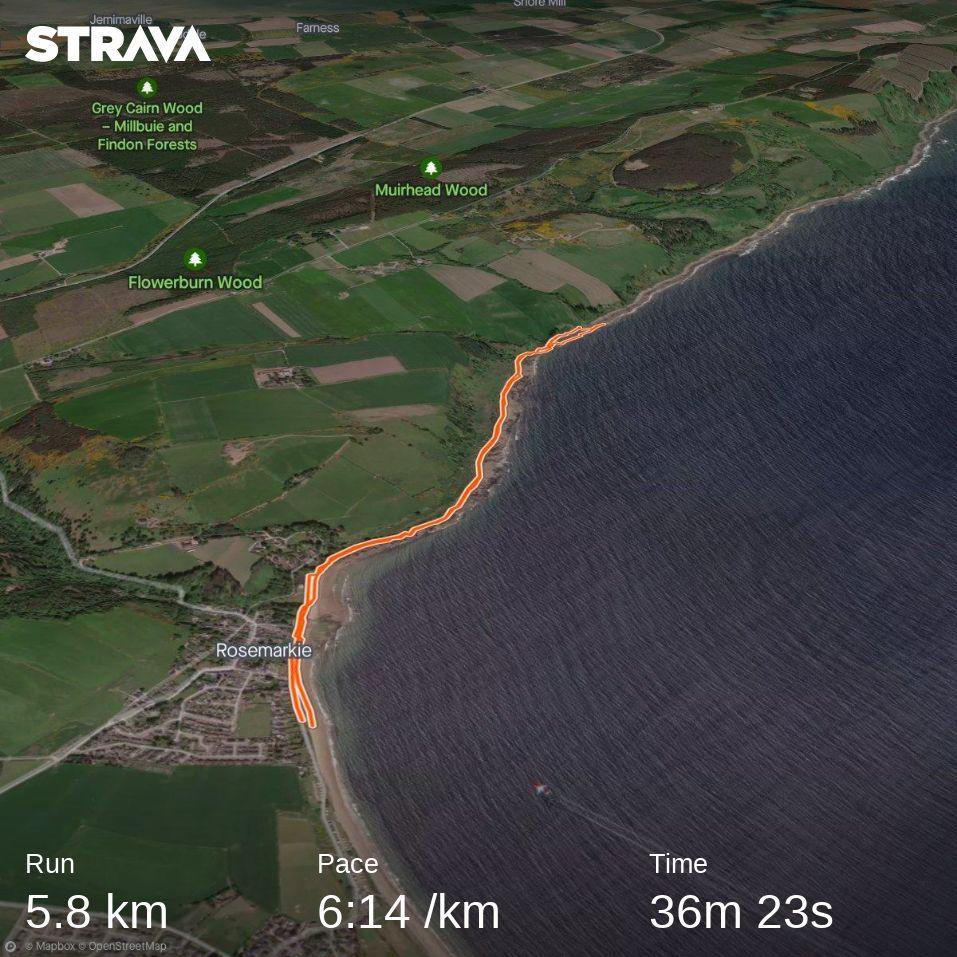
Familiarise yourself with the Scottish Outdoor Access Code before you hit the #NC500 to help us keep the #NorthHighlands beautiful and unspoilt
Find out more: https://t.co/8SGbXJSPTR
📸 flight_of_the_haggis on Instagram
Once you realize that the future can be a radical break from the present, says @tylercowen, the possibilities for the India-Pakistan relationship start to look very different https://t.co/FPbeXxW6al
"Innovators are really midgets standing on the shoulders of a vast pyramid of other midgets."
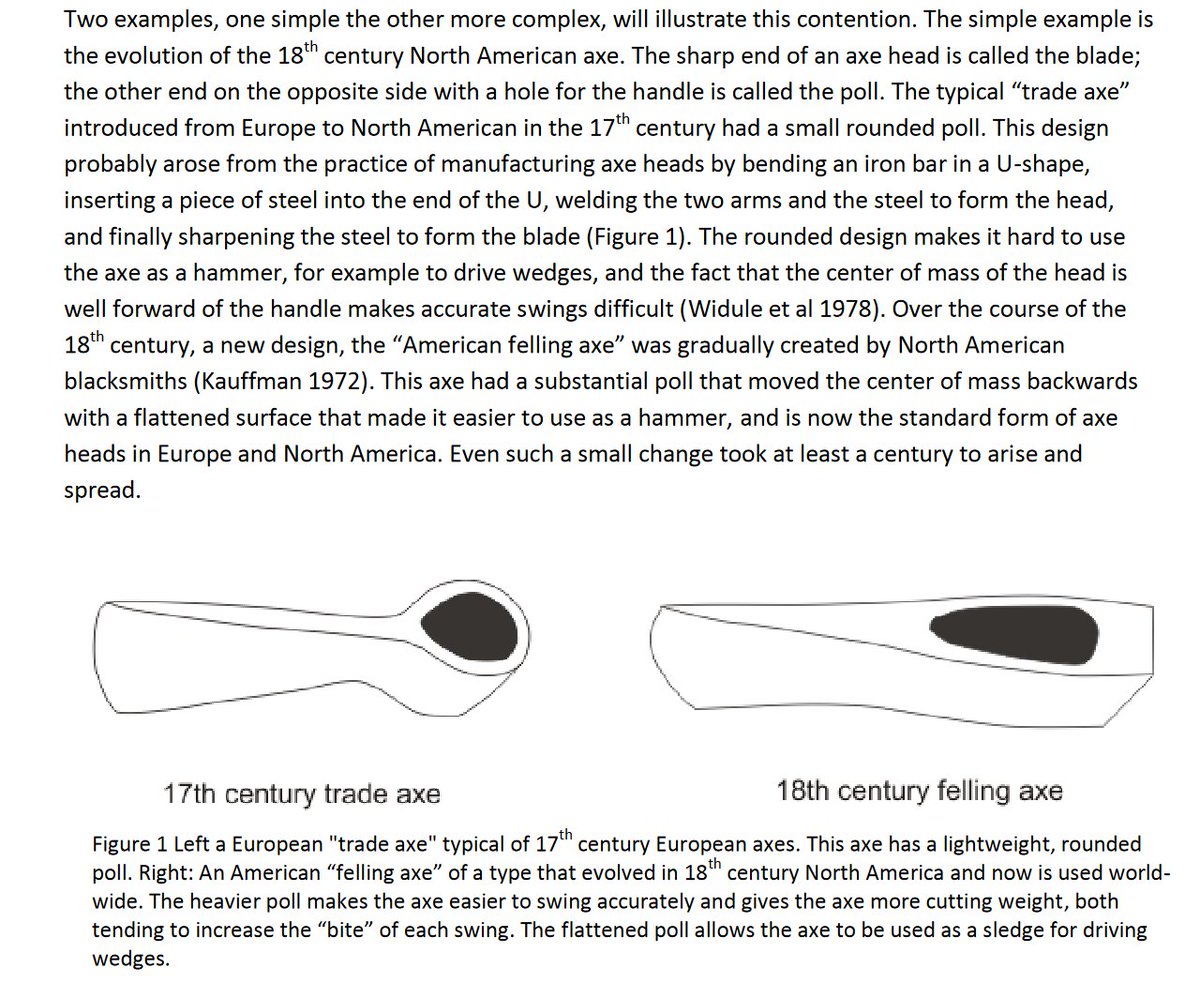
During most of the vast history of humanity, technologies have evolved gradually, not through leaps of genius, but slow cultural adaption (via @Evolving_Moloch) https://t.co/mNAdm4yBCI
Real feedback from real users is everything in Product. At @FoundersFFA we tell our founders "Momentum Over Perfection".
Have hypotheses. Release product to test them. Get feedback. Iterate. The quicker you run the loop, the quicker you get a good product (or find out you can't).
Your day at Western Gailes awaits 🙌
Secure your tee time today and prepare yourself for a world class links experience.
Book now ➡️ https://t.co/9HyIkZcqWO