Conservative ultra MAGA. MAHA. IFBAP no dms. 1A 2A . Christian. Unvaxxed. America first. Go Kentucky basketball. Go Gators football. Go Raiders. Go Rays. GWGB
At the latitude of ESO's Paranal Observatory in Chile, about 25 degrees south, Earth's rotation moves the planet's surface eastward at over 1,500 kilometers per hour. And while that's faster than the speed of sound at sea level, the motion is imperceptible. Still, that motion can be revealed in the apparent rotation of the night sky by photographing star trails. This star trail image was composed from a digital stack of 300 consecutive 25-second exposures made with a camera fixed to a tripod to trace the star trail arcs. The graceful arcs are concentric and centered at the south celestial pole, the southern hemisphere extension of Earth's axis of rotation into space. One of the observatory's operating 1.8 meter auxiliary telescopes, AT 3, appears beneath the south celestial pole, faintly illuminated in the foreground of this well-planned scene from a rotating planet.
Image Credit & Copyright: Osvaldo Castillo
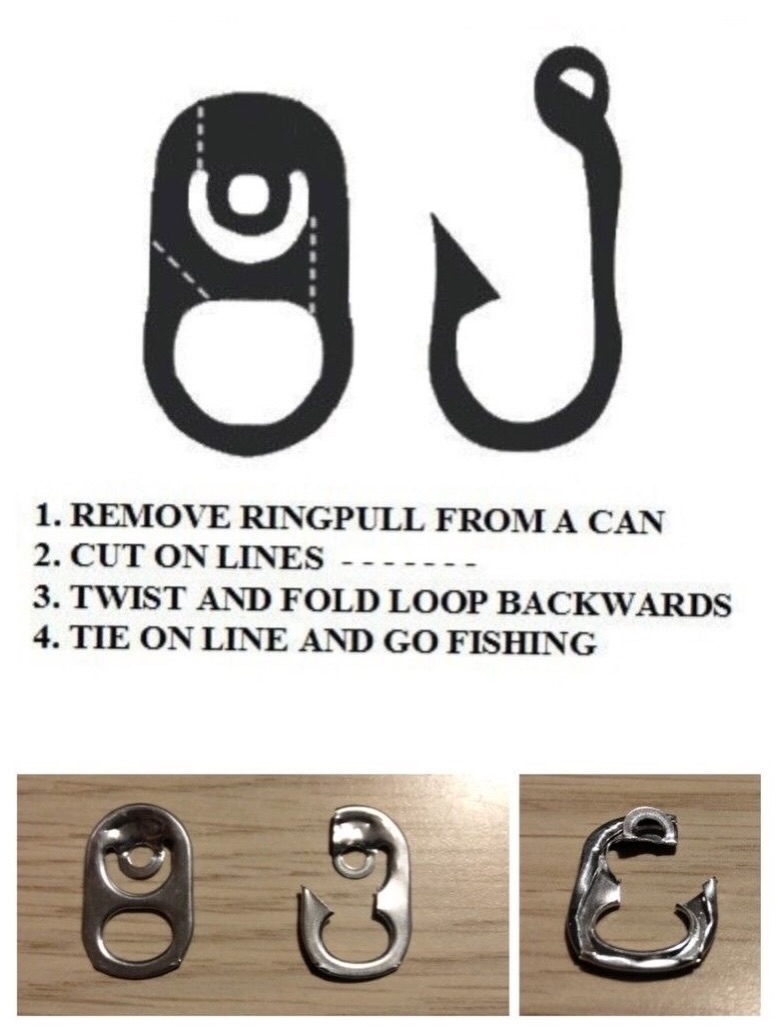
Beer can instructions showing how to transform the pull tab into a fishing hook.
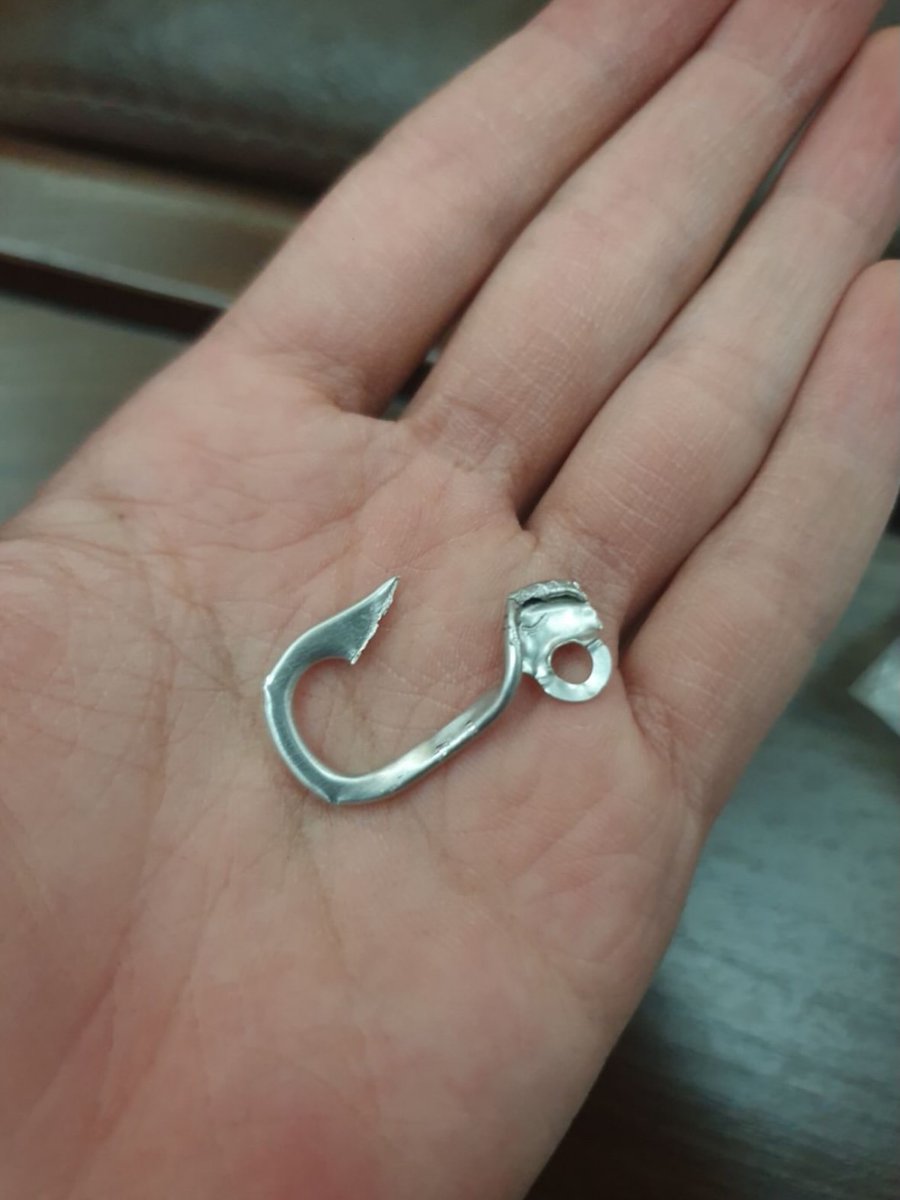
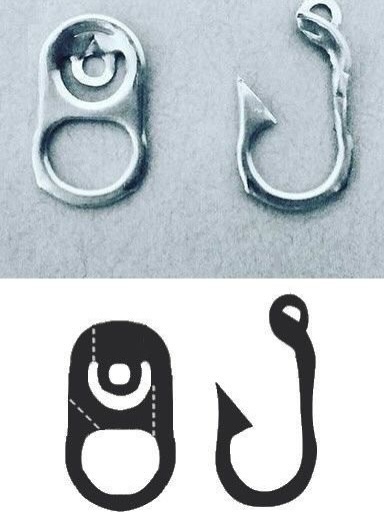
Beer brand No Bad Days created a ring pull that serves a second purpose: it can be transformed into a functional fishing hook. By cutting it out, bending the loop back into shape, and attaching it to a fishing line, a simple piece of packaging becomes a usable survival tool rather than waste.
Outdoor enthusiasts and survivalists have improvised similar ideas with soda cans and pull tabs for decades, but this concept takes that creativity and builds it directly into the product design. It is a small detail, yet it reflects a mindset valued in bushcraft communities—finding practical uses for everyday objects and turning something disposable into something useful.
In July 1954, Elvis Presley, a 19-year-old truck driver in Memphis, was at Sun Records with Sam Phillips, Scotty Moore, and Bill Black.
During a break, Elvis began playing a loose, upbeat version of “That’s All Right,” a blues song by Arthur Crudup, speeding it up and mixing it with country. The energy was electric, and Phillips, from the booth, asked them to record it immediately.
That very night, DJ Dewey Phillips played it on the radio, and the station received dozens of calls asking for an encore. The song naturally fused black rhythm and blues with white country, creating a new and liberating sound that many consider the symbolic birth of rock and roll.
It became a local hit, opened the door to touring and a contract with RCA, and changed music forever.