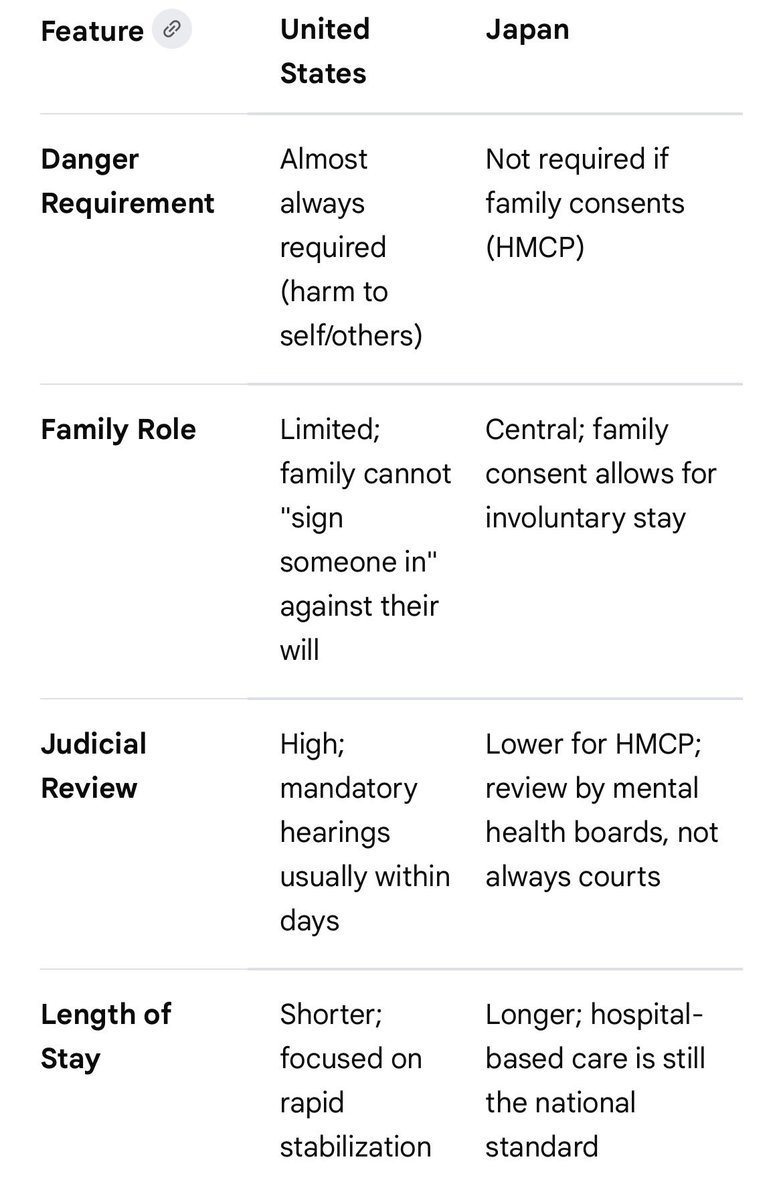
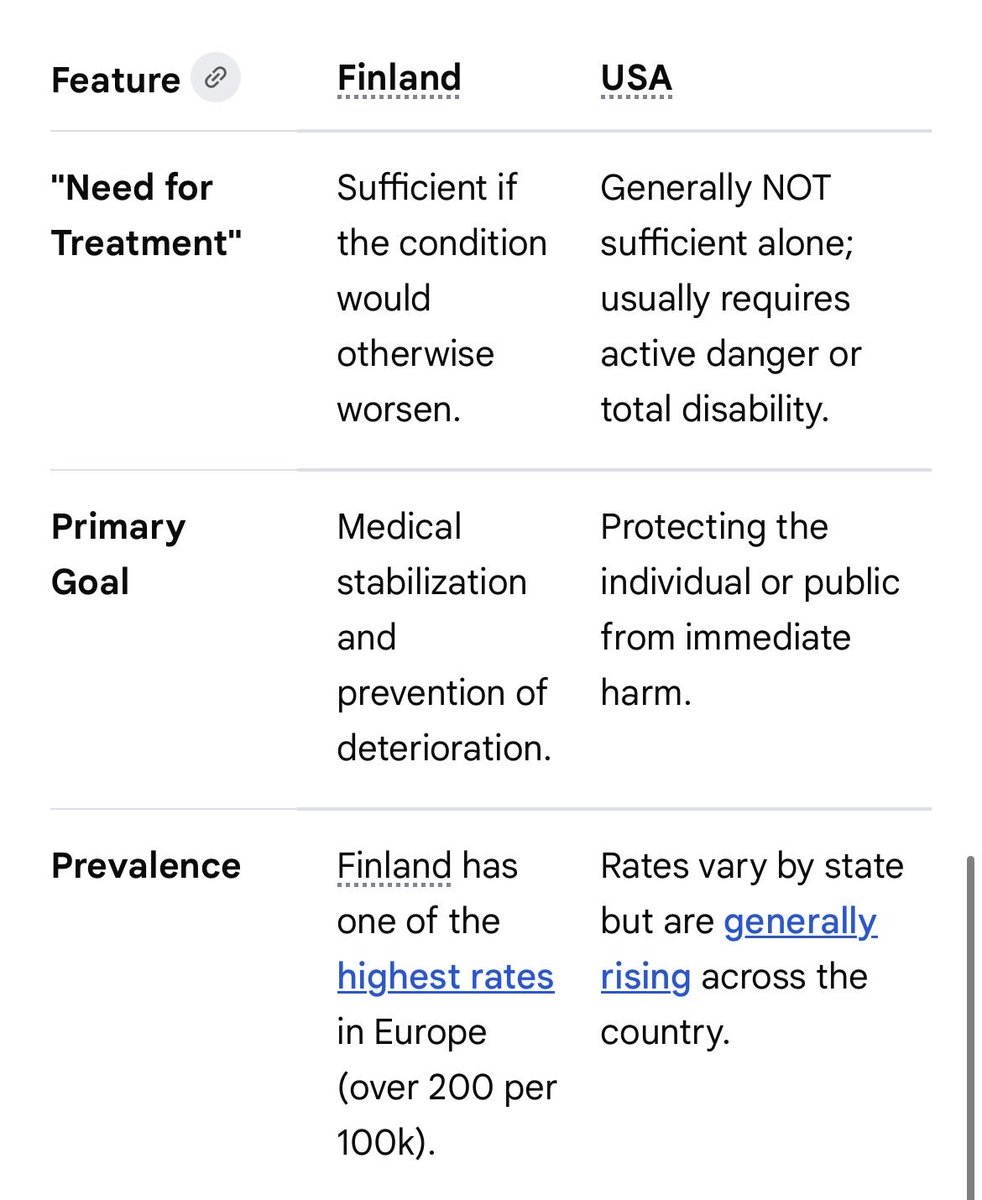
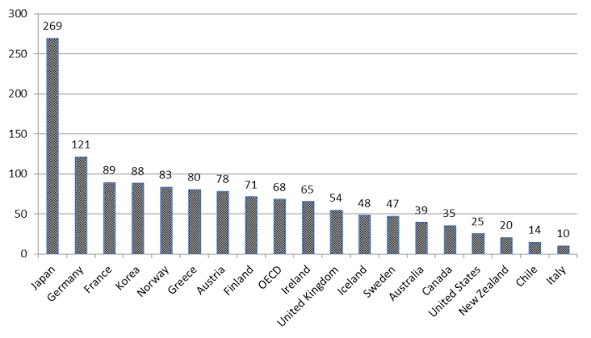
I think there’s strong arguments for both sides of the debate about if you want involuntary commitment to stay tough in the U.S. or to have it be easier like Japan or Finland, but it’s almost deceptive to not mention how that effects programs for the unhoused.
An NYT opinion piece about housing policy mentions the successes of Finland & Japan without mentioning the high rates of involuntary psych hospitalization (very high for Japan) & how their housing policy successes are party due to them institutionalizing the hardest cases.
It’s like saying “look how good these test scores are at this private school” without mentioning that everyone at the school has to past tough tests to be admitted.
It’s easier to get good results when you filter out the people who are harder to help!
@SWGoldman@MedlinWrites Not my field, but I hear good things about Waterloo (in Canada) in this regard, which part of why it has a really good reputation in the tech world.
@jmhorp Yes, it’s funny when people add up everything they spend & all the money they save and note that spending + savings = income somehow implies they’re broke cuz:
income - spending - savings = 0
@mr_saltz the whole “oh so you support refugees being stabbed to death ” or “oh so you support cops shooting fare-evaders!” stuff is at the heart of how social media has fostered a more divisive political environment.
It reduces complex issues to “agree w/ or you’re pro-killing.”
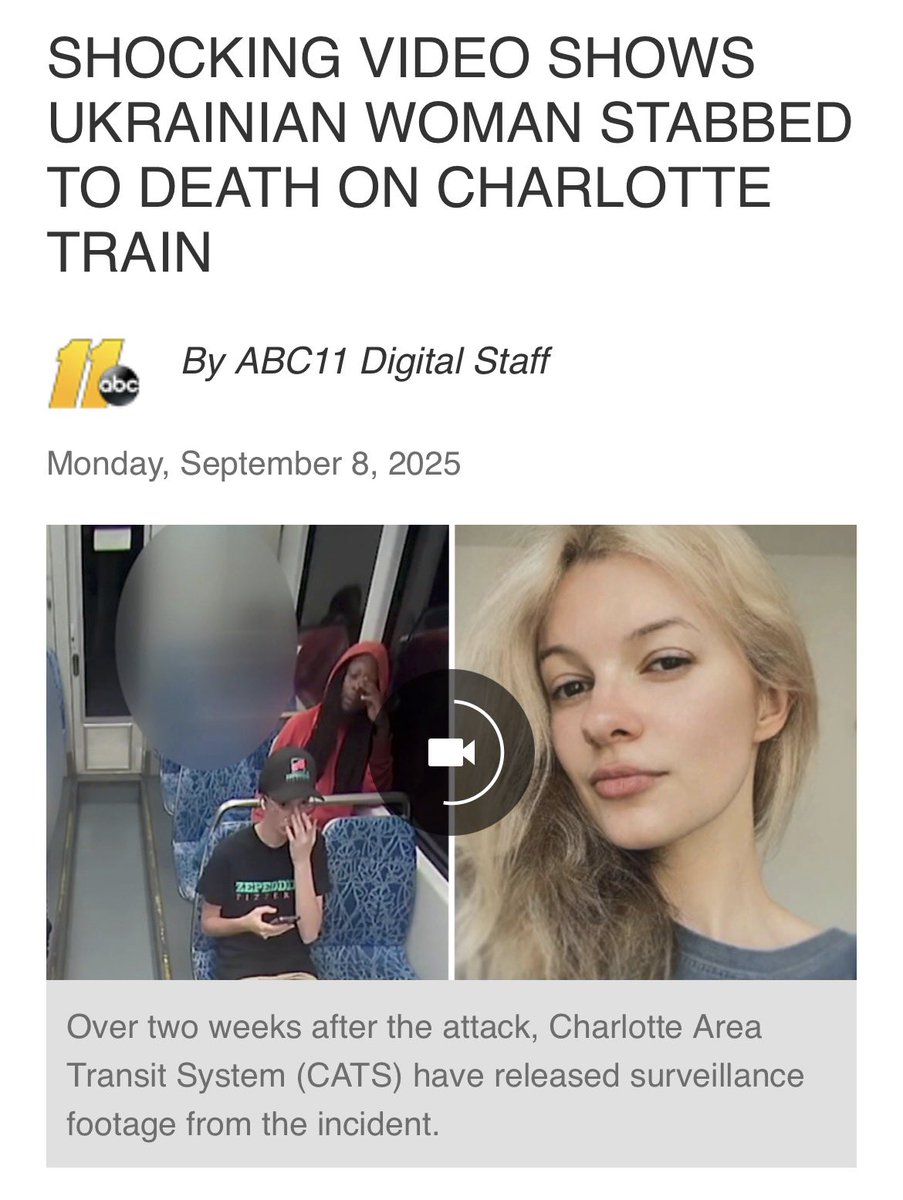
@mr_saltz I view this incident & the way the Iryna Zarutska incident get used on social media as two sides to the same coin
Both genuinely suggest problems, be they w/ police tactics or our transit / mental health policies, but they get used as ways to shut down discourse, not expand it.
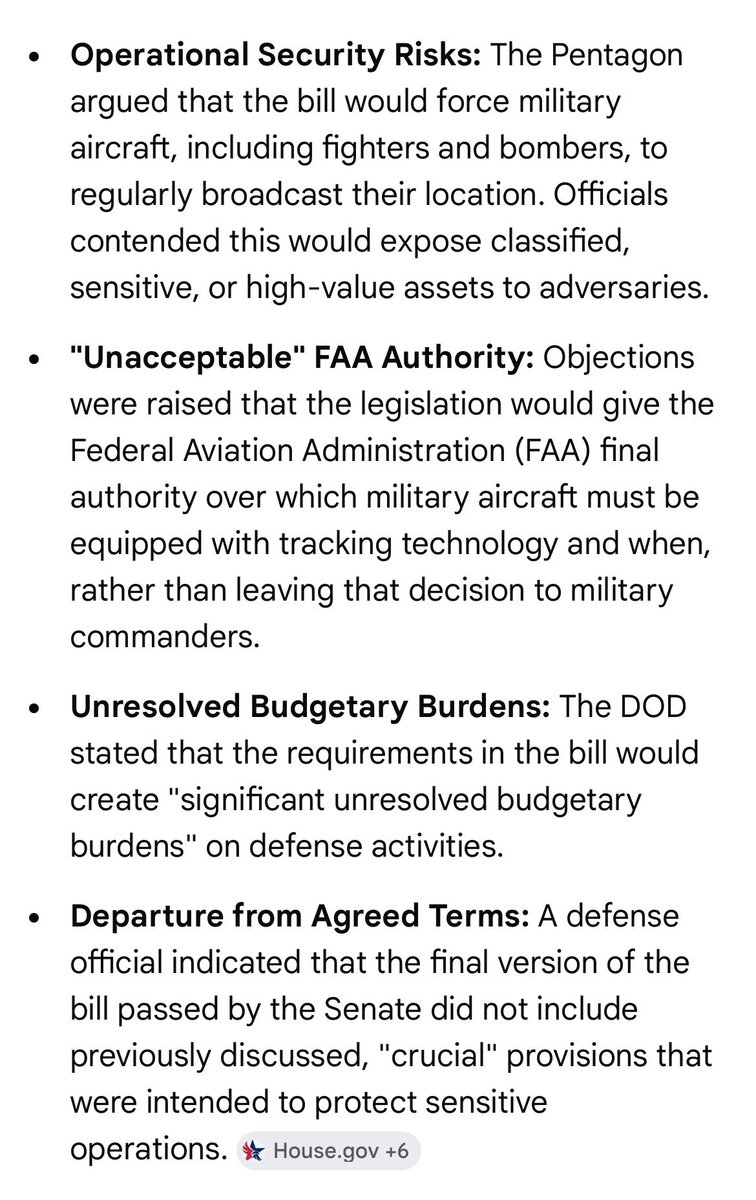
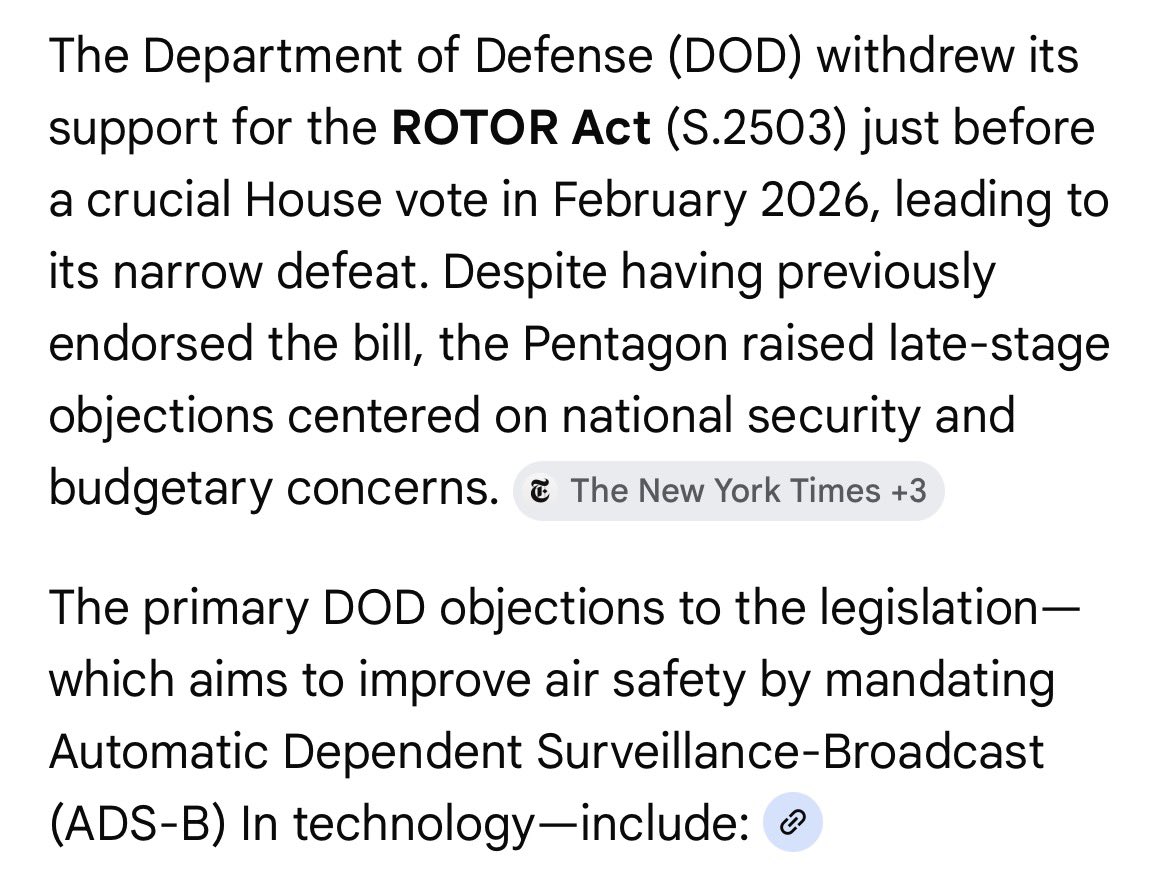
@philly__patriot@micah_erfan Dept of Defense had last minute objections. Supposedly the House will have a new bill that the DOD is cool with sometime next week.
We’ll see.
@micah_erfan Another issue is that both chambers allow for procedural mechanisms that allow a minority party to block the majority.
Note that here, “Yes” got 61% of the vote, but it needed 66% to pass because they voted under suspension of the rules.
@GunRightsPrez Lack of trees, but it’s also that to get nearly anything, like if you’re out of an ingredient for that night’s dinner, it’s probably a 20 minute drive to some giant parking lot w/ a few big box stores. No friendly neighborhood shop.
@PetreRaleigh That’s probably too harsh for US hearts, but it’s an example of a “trolley problem”
type solutions where you have coercive policies for the hardest cases under the argument that this creates better outcomes for the vast majority. But many would say way too coercive.
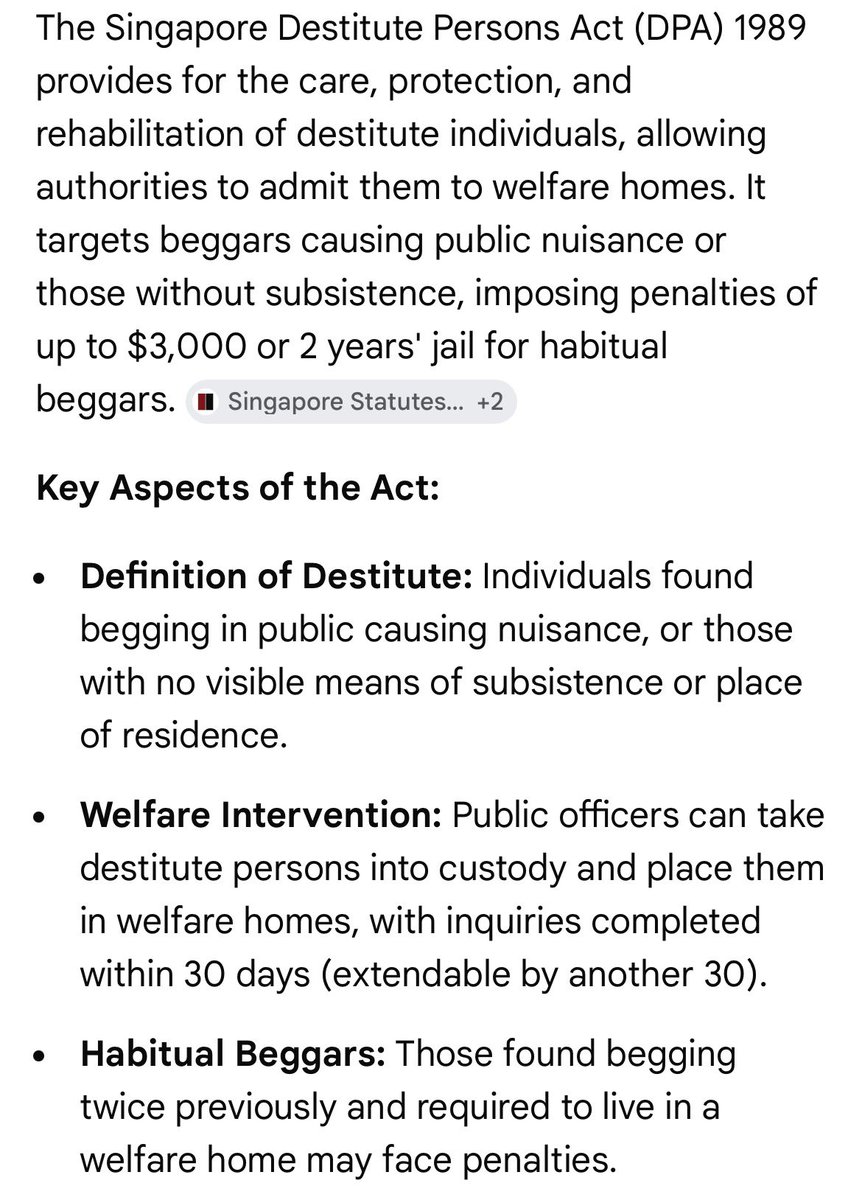
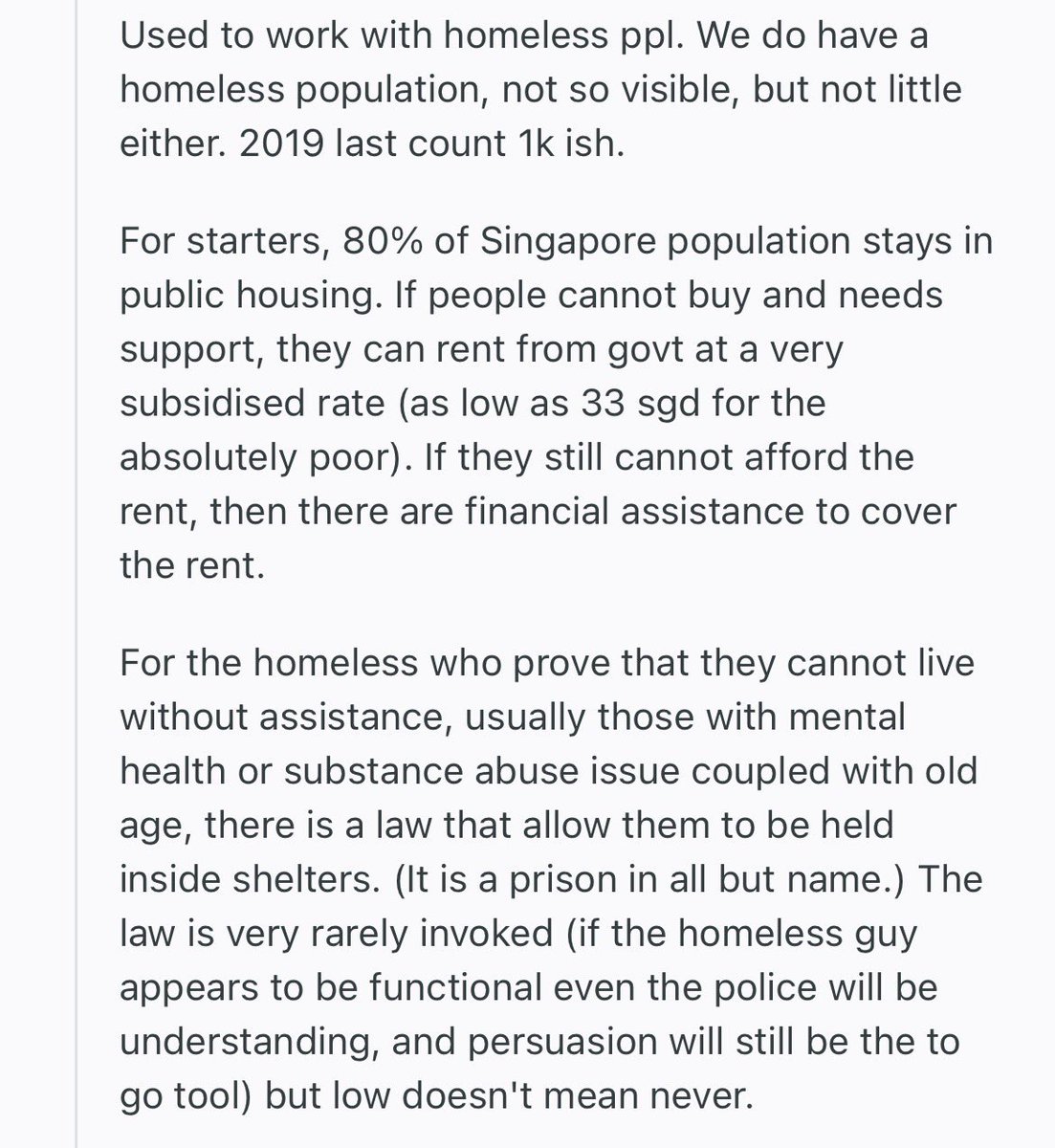
@PetreRaleigh Take Singapore. Good govt housing polices makes homelessness rarer, but they do exist. If you don’t cause problems, they’ll be nice, but in some cases the govt can force people to live in welfare homes until they prove self reliance or family takes responsibility.