Critical thinking on African future. Essays and visualizations on past patterns and future revolutions, charting & thriving in our ever-changing reality
Ivory comb depicting a Portuguese horseman.
19th century, commissioned work in the Kingdom of Benin; presumably in the possession of the circle of Oba Ovonramwen in exile; acquired by Max von Stefenelli around 1908; donated to the Royal Museum of Ethnology Berlin, 1908.
Evening progress: tuned the segmentation, then extracted and clustered individual motifs bounding-boxes with tSNE
Looking to further improve with improved pre-processing, clustering and add surrounding context for the motifs to help interpret them individually
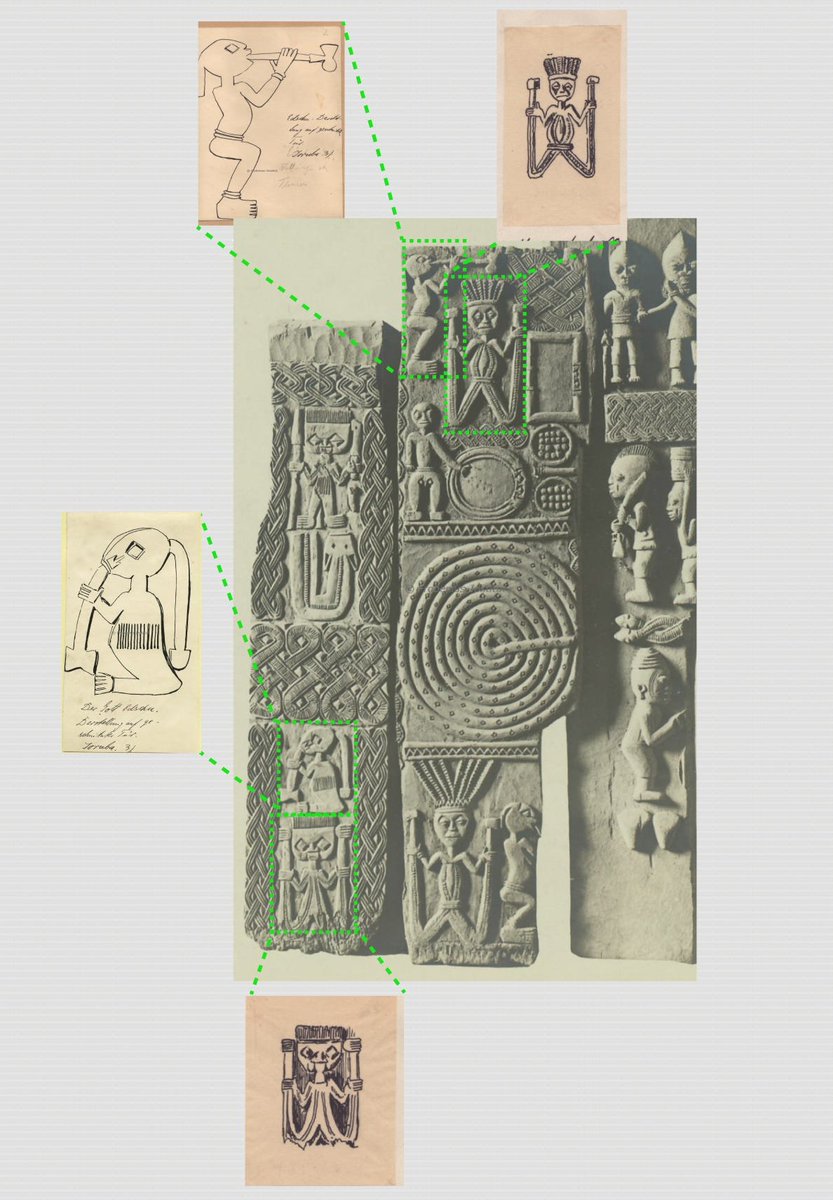
Cool progress on my "Ancient Symbolic Motif Analysis" project: applying Meta's SAM (segment anything) model to extracting specific motifs in Yoruba door panels
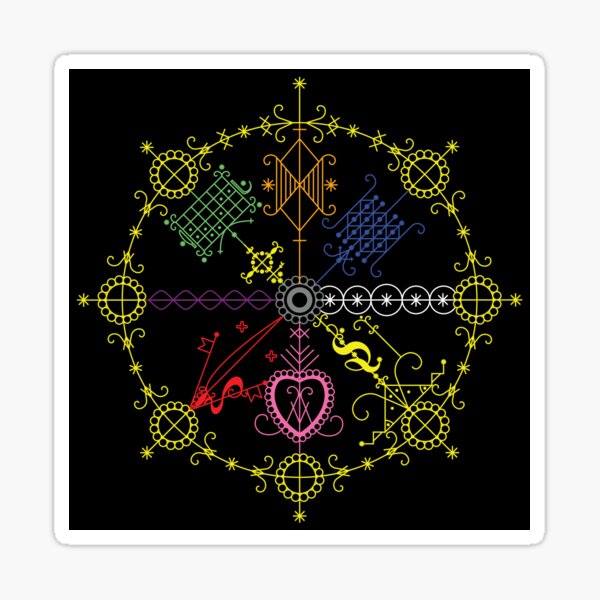
Goal is to speculatively interpret the "meanings" based on comparative knowledge of symbols like the ouroboros (pic #4)
From ancient Egyptian temples to the colonial destruction of Benin City, our #AfricanArchaeology collection contains tons of free and #OpenAccess research from across the entire continent! Check it out at https://t.co/927INGYFkV
Haiti has submitted its traditional vèvè design practice to UNESCO for recognition as intangible cultural heritage, seeking global acknowledgment of the ancestral Vodou art form.
https://t.co/YwrLWWU22n
Our new publication in PLOS ONE uses biomolecular science to illuminate daily life, food systems, and animal management, and local horse breeding in Old Bara, a fortified royal suburb of Oyo-Ile (the capital of the Oyo Empire). https://t.co/7KLN2Arc7T
Wooden door with relief carvings (figures from mythology, including warriors, crocodiles?) from the homestead of a Yoruba chieftain (cf. Doc. No. 960)
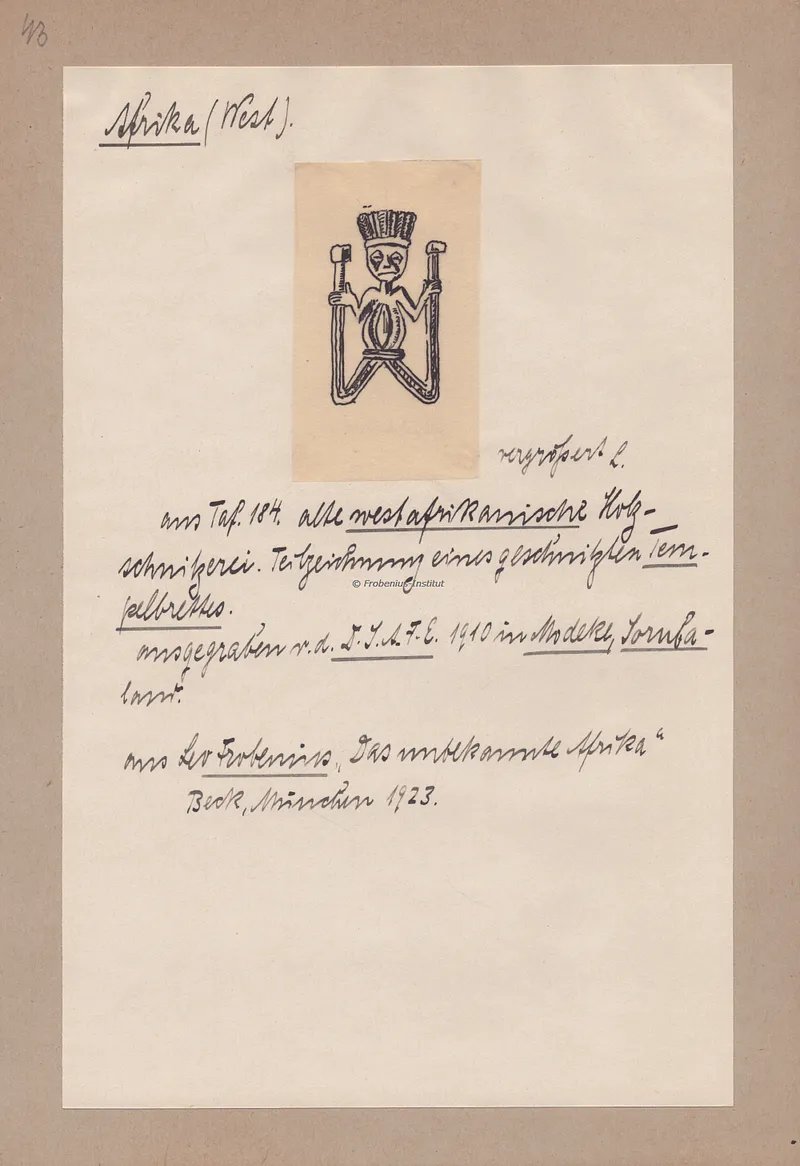
c/o Stappert, Gisela 1996: Afrika – ethnographisch; drawings, watercolors, and photographs from the Frobenius Institute archive
Digging deeper on symbolic motifs in Yoruba art works, I’m doing a more thorough review of the Frobenius Archives. The early 20th c. German anthropologists made illustrations of singular motifs that show up in Yoruba door panels
Digging deeper on symbolic motifs in Yoruba art works, I’m doing a more thorough review of the Frobenius Archives. The early 20th c. German anthropologists made illustrations of singular motifs that show up in Yoruba door panels
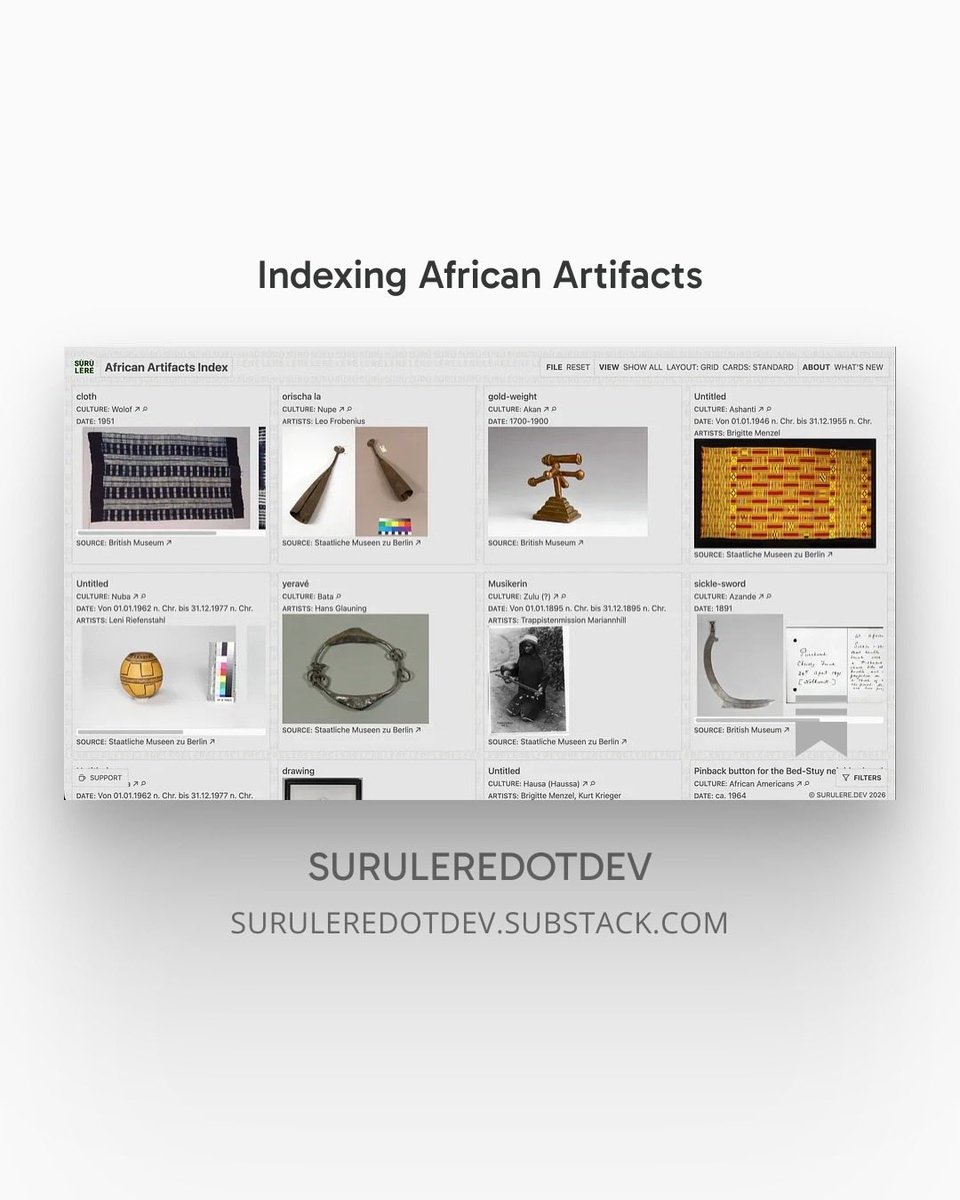
New essay: “Indexing African Artifacts” — on an extensive archival index for exploration and insight through comparative analysis
Launching the Artifacts Index site as well, check it out below!
Chapters:
- Introduction: Taking Ownership of the Archives
- Why a Centralized Index of African Artifacts?
- The Progress so far: Archiving, Indexing and Comparatively Analyzing
- What Larger Purpose Sustains this Work: Paths Forward and Fuel for the Fire
…