Once in a lifetime, insanely beautiful sight from magical Gilgit Baltistan
"Four Snow Leopards wading through deep snows,not very far from land of K2"
Video credit, my dear friend Sakhawat & GB Wildlife Dept
Snow leopard conservation efforts in Paksitan are a success story
Consuming coffee in the afternoon or evening may disrupt circadian rhythms and levels of hormones such as melatonin
https://t.co/SXB3NtvRdz
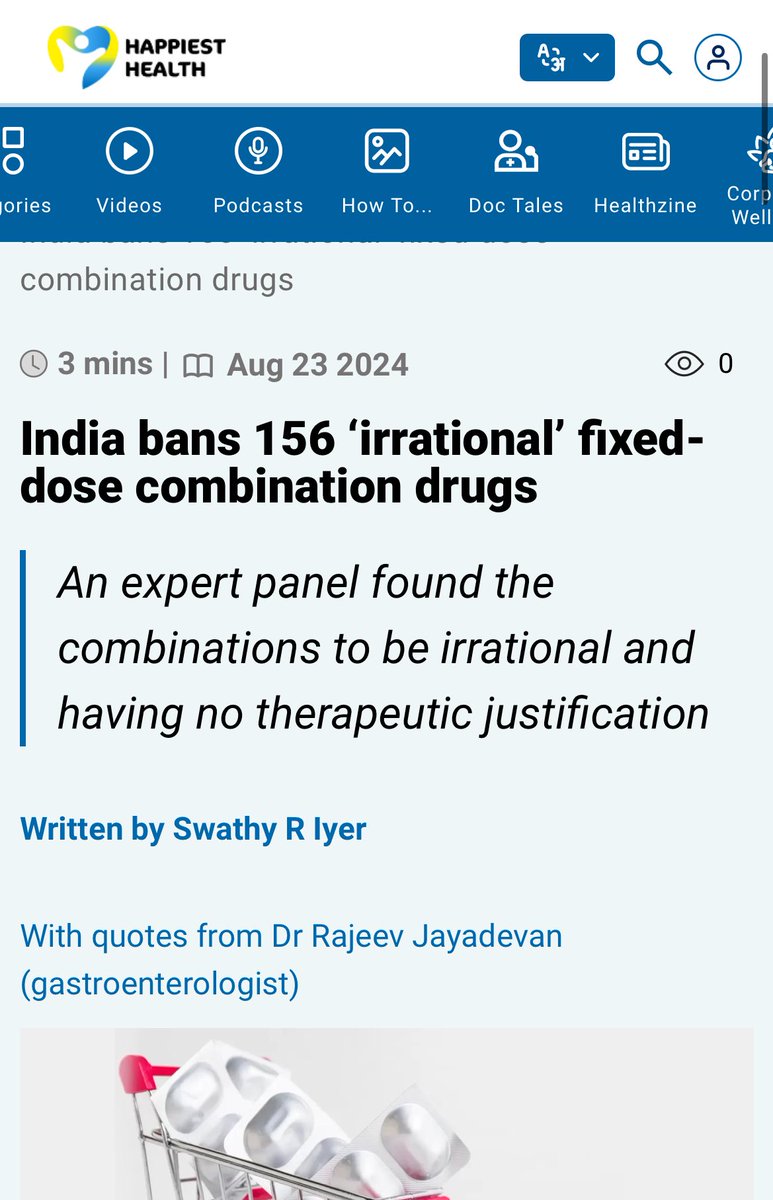
An informative article prepared by @swathyriyer published in @happiesthealth1 , which has my quotes, alongside that of other experts.
"Dr Sudhir Kumar, a neurologist at Apollo Hospital in Hyderabad says there are a number of health benefits of coffee drinking including a lower risk of:
1. Type 2 diabetes
2. Hypertension
3. Heart attack
4. Stroke
5. Depression
6. Certain forms of cancer.
7. Coffee is also good for liver health,
8. It improves one’s mood, alertness, and cognition although the effects last for a very short duration, adds Dr Kumar."
Moderation is key
"According to Dr Kumar, the upper safe limit of caffeine is 400 mg per day or three to five cups of coffee per day, as per most studies (this limit becomes lower in pregnant and lactating women who are asked to severely limit their coffee consumption)."
“Drinking more than five cups of coffee in a day is not considered healthy,” warns Dr Kumar, he said, “Caution should also be exercised in people with severe hypertension, as coffee consumption may lead to transient increase in blood pressure.”
Drink your coffee without sugar
"For best benefits of coffee, it is recommended that you drink your cup of coffee without loading it with added sugars."
“Adding sugar negates/reduces the health-related beneficial effects of coffee,” says Dr Kumar, adding that coffee is also better consumed during the first half of the day.
⚜️People who have donated a kidney can live perfectly normal lives if they follow a few precautions and recommendations⚜️
Click for more info 👉: https://t.co/ZcPMcduXMj
*Glycemic index vs. glycemic load
It is important to pay attention to both the glycemic index and the glycemic load of foods for overall health
https://t.co/gGV7ZL7AoK
Glycemic Index:
The #glycemicindex (GI) is a number assigned food based on how rapidly it makes your blood sugar rise. Foods are ranked on a scale of 0 to 100, with pure sugar having a value of 100.
A high glycemic index means that the blood sugar rise following intake of that particular food item is rapid, which is something that everyone would like to avoid- especially those with #diabetes , since it results in wide swings in blood sugar level. Examples of high glycemic index foods include white bread, white rice, refined flour/ maida. The lower a food’s glycemic index, the slower the rise in blood sugar after its consumption. Low glycemic index foods (<55) include green leafy vegetables, some fruits, nuts, beans, lentils. Basically higher amount of fiber, fat and protein in a food reduces its glycemic index.
Glycemic Load:
While the glycemic index gives us information about the speed of rise of blood sugar, it does not tell us the magnitude of the increase. The #glycemicload is a measure of that. Watermelon, for example, has a high glycemic index (80) but a low glycemic load- the actual calories contained in a serving may be small. On the other hand chocolates may not have a high glycemic index because of the fat they contain along with the carbohydrates, but they may provide a high amount of calories. Consuming foods with high glycemic load will lead to weight gain and worsening of diabetes in the long run.
In short- we need to pay attention to both. High glycemic index foods will cause wide fluctuations in our sugar level, and foods with a high glycemic load will result in excess calorie intake. Consuming the right amount of a food item is important. Watch your portion size!
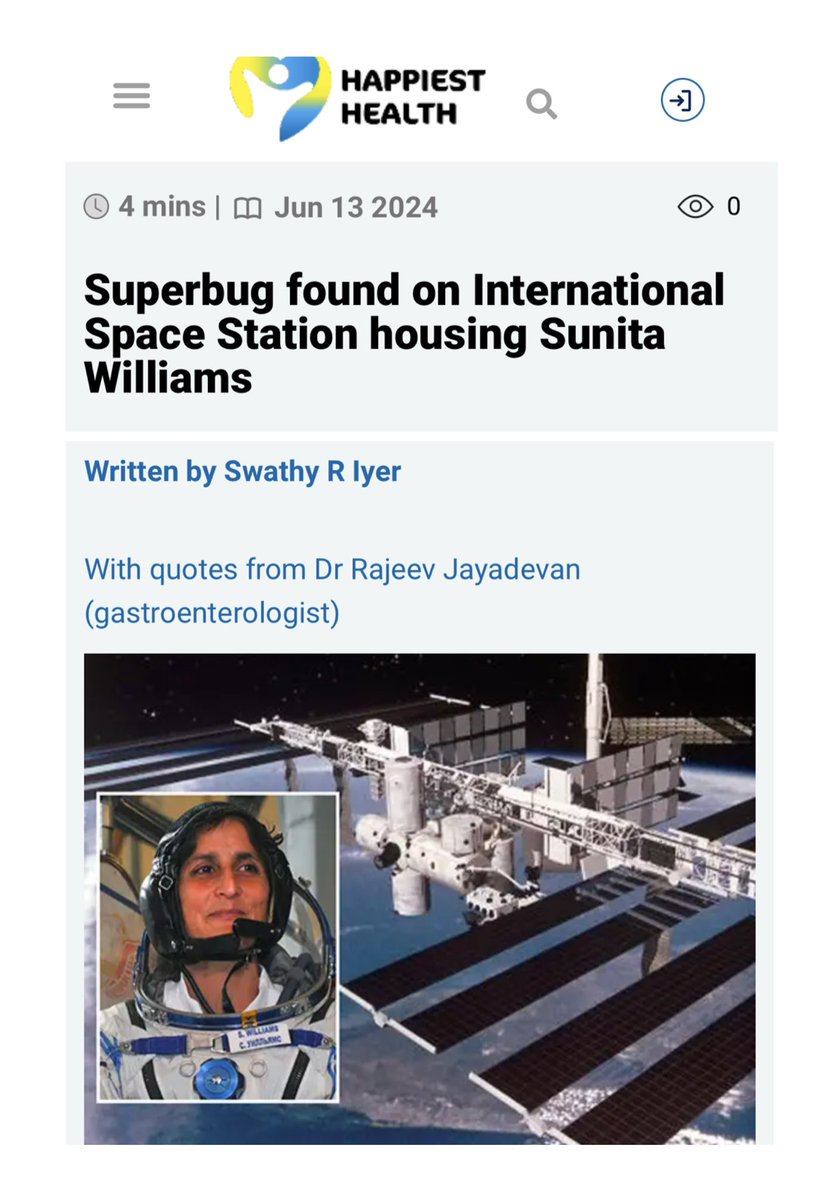
“Super bug on the space station” is a story that generated much interest.
I discuss the facts and the significance of this finding in this article written by @swathyriyer for the health magazine/media @happiesthealth1 @sunitha_rao
https://t.co/N568ybwNc8
CEREAL KILLERS: Indians are eating #cereals and shunning vegetables, says Dr Hemalatha R, Director of National Institute of Nutrition, in an exclusive interview with #HappiestHealth
https://t.co/9xHKOJ6t0M
HAPPIEST HEALTH EXCLUSIVE: Should packaged food be taxed as per its nutritive or nuisance value? With ultra-processed food getting embedded in the Indian diet — like gum stuck on the sole — a WHO-ICRIER report has proposed differential GST for food with different nutrient value
Ashok Soota announcing the launch of new services from @happiesthealth1. There is a lot coming up in the next couple of hours. Stay tuned and wish us luck, people. @HappiestMinds
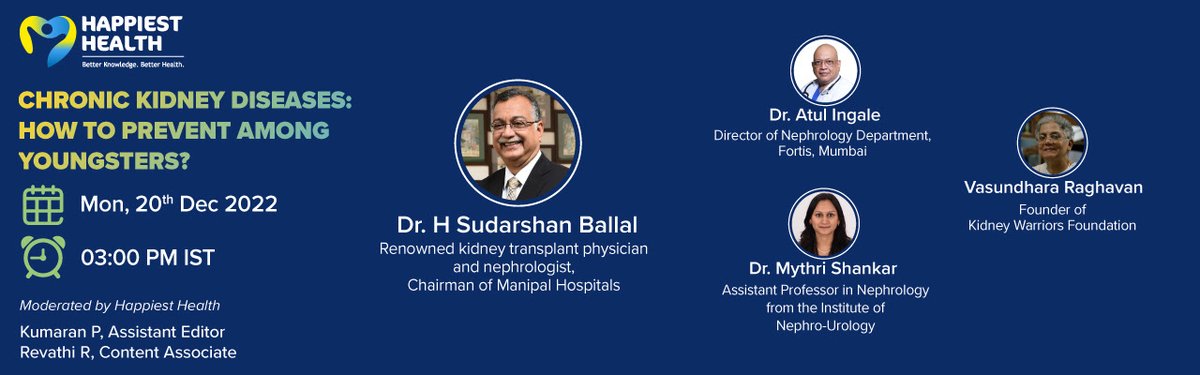
👩👩👧👦How to prevent🛑chronic kidney diseases among youngsters?
🗣️Exciting Panel discussion with @ballal_dr sir, Dr. Atul Ingale sir, and @Vasuragh@kidney_warriors
📽️Recording link: (coming soon!!)