Our relationships shape how we move through the world, but they are not set in stone. On Big Brains, neuroscientist Amir Levine explains how attachment styles form, why they influence everything from our health to our work, and how we can become more secure. https://t.co/53eYuXARmk
PFAS “forever chemicals” are in a range of consumer products but when they contaminate water sources, they pose a serious health risk. Researchers at UChicago, @UChicagoPME and @Argonne developed a device that can detect PFAS—hopefully helping people make informed decisions.
When UChicago paleontologists first plucked a massive dinosaur bone from the sands of the central Sahara in 2019, they didn't immediately recognize it. A new paper describes their discovery: a fish-eating, "hell heron" known as Spinosaurus mirabilis. https://t.co/3MiYeh2x1P
Robotic surgery has become mainstream for even the most complex, high-risk spinal cases. @UChicagoMed neurosurgeon @MohamadBydon explains why advanced robotic techniques are making these procedures safer—and redefining what’s possible in spinal surgery. https://t.co/6zY8qir8Rv
Your brain has a remote control, and it matters most in information-rich environments. On @BigBrainsUC, Prof. Ed Awh explains why the people who thrive in complexity aren’t the ones with more mental bandwidth—they’re the ones who can deliberately manage their working memory.
We’re constantly flooded with information—but our brains can only store so much. What actually separates people with great memories from everyone else? On @BigBrainsUC, UChicago Prof. Edward Awh explains why attention is the real key to memory. https://t.co/MFYe5cffgD
Meet a UChicagoan: Dr. Nathaniel Glasser has an eye for detail. He combines medicine, sociology and portrait-painting in his work @UChicagoMed to explore how perceptions of masculinity shape men’s health choices. Learn more about his approach here: https://t.co/Yidn7flYSC
That subtle buzz you feel might not be random. On @BigBrainsUC, UChicago professor Eric Oliver explains how electricity is always flowing through us — shaping how we think, feel, and understand ourselves. https://t.co/Lv6xATkxS0
Deep beneath the surface of Mars lie secrets that could shape humanity’s future. UChicago planetary scientist @EdwinKite is helping uncover how the Red Planet went from blue to barren—and how we might one day bring it back to life. https://t.co/J3rPpfsfnd
Why have we struggled to treat disorders like depression, Parkinson's or Alzheimer’s? On @BigBrainsUC, @Penn neuroscientist @NicoleCRust argues to rethink our approach to studying the brain—and offers a 'grand plan' for research to help find elusive cures. https://t.co/nW1OSn6ALQ
Neuroscience has promised breakthroughs in treating conditions like Alzheimer’s, depression and schizophrenia. But where are they?
Penn neuroscientist @NicoleCRust explains why the brain isn’t a machine to be fixed—but rather a complex, dynamic system more like the weather. https://t.co/BFmFc0FSMV
Should criminals be labeled as psychopaths? @UTM scholar @RasmusRosenberg examines the science and myths around psychopathy—and the tests used to determine it—as well as impacts on the criminal justice system. https://t.co/V6nB1VrtHN
"We should stop using psychopathy assessments."
On the @UChicago Big Brains #podcast, @UofT forensic scholar @RasmusRosenberg argues that these tools don’t just fail to help decision-makers—they actively mislead them. He explains why, and what should replace them. https://t.co/iVoeFdlidL
Could full-body MRIs predict illnesses before symptoms even appear? @nyuniversity radiologist Daniel K. Sodickson joins Big Brains to explore this trending technology—and discuss how AI-enhanced MRIs might change how we see ourselves and the world. https://t.co/QQpXwr7kwt
On @BigBrainsUC, @NYULangone Prof. Daniel Sodickson explains that instead of building bigger magnets in MRIs, researchers are actually going smaller and using AI to fill in the gaps. This "upstream AI" could potentially make medical imaging more accessible worldwide.
With each new executive order, legislative bill or judicial ruling, power in the U.S. government is shifting. A new series called "Battle of the Branches" will examine these changes and highlight research from world-renowned scholars across UChicago. https://t.co/gfi89jj5lt
How is AI reshaping health care, policy and creativity? On Big Brains, UChicago experts tackle the biggest questions about AI and our future—challenging assumptions and imagining what’s next.
Listen: https://t.co/PZGrKtNA9B
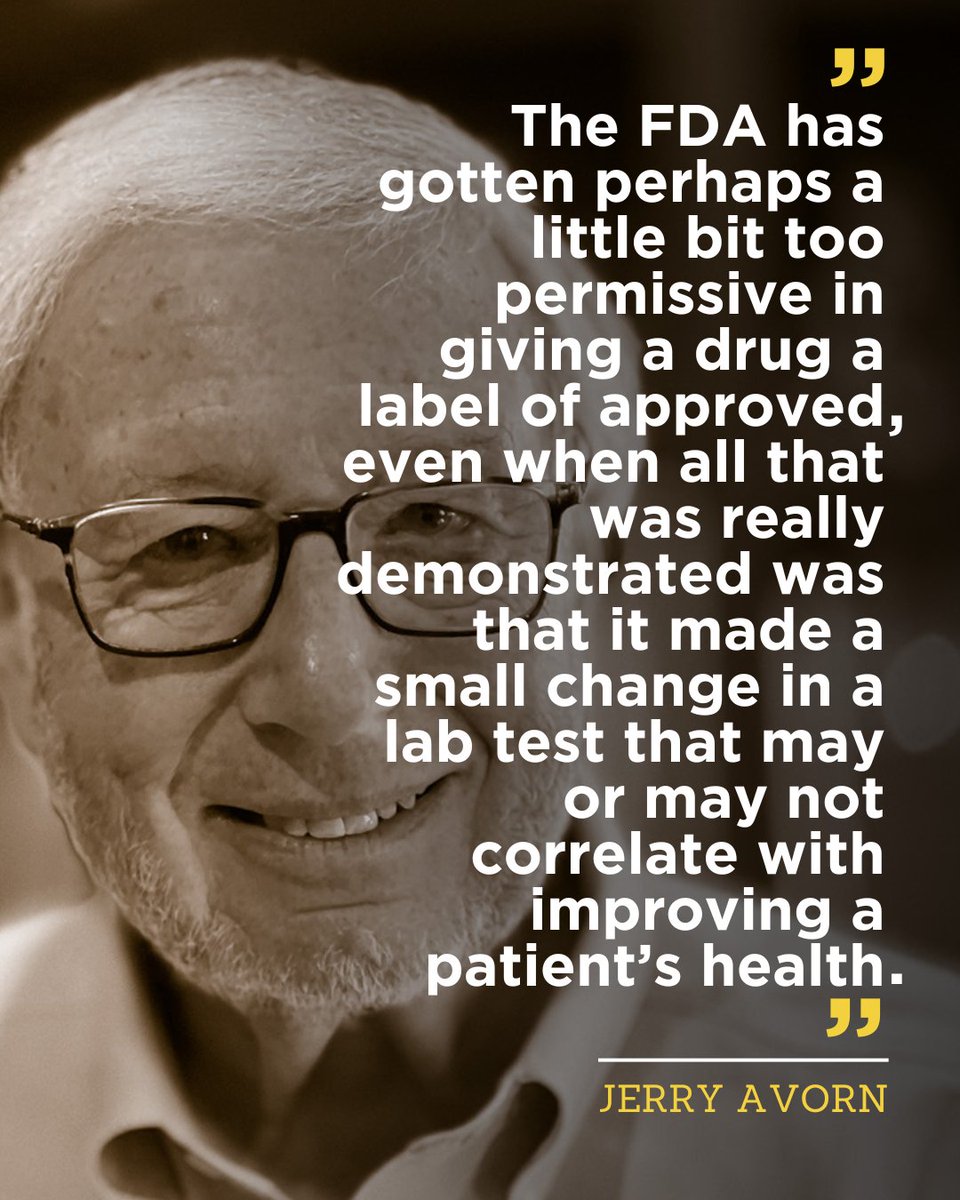
How do we know if the medications we take are safe and effective? On @BigBrainsUC, @HarvardMed Prof. Jerry Avorn shares his decades of research on how the FDA's drug approval process has evolved—and how to strengthen it. https://t.co/Pqbywct8ka
Testing new prescription drugs takes time and money. On Big Brains, Harvard University's Jerry Avorn explores the FDA's approval process—and who pays the costs of medications as they come to market.
Learn more: https://t.co/Y1nSpmAEdD